When Your Furnace Fails in a Denver Winter
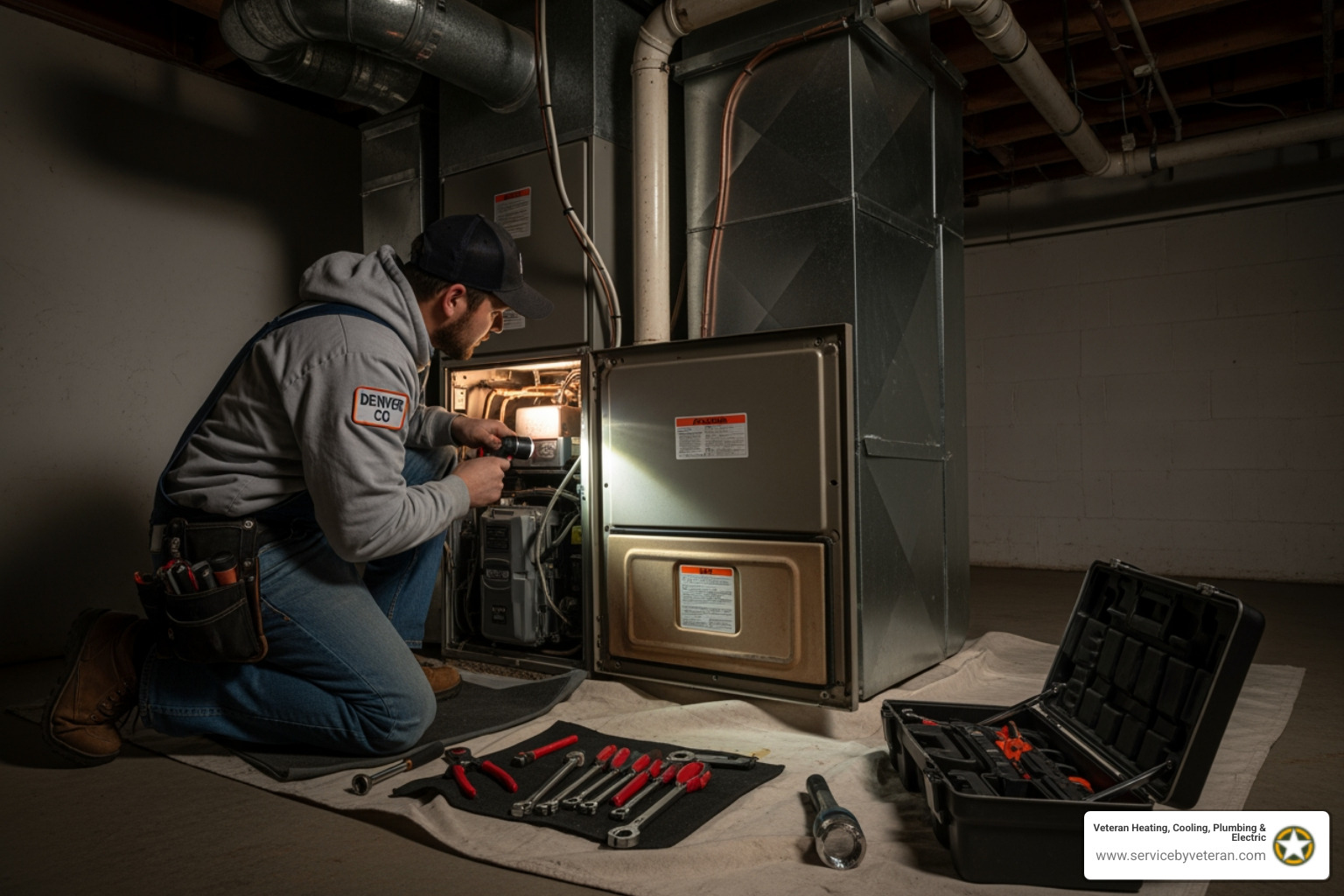
Emergency furnace maintenance in Denver, CO is a service you need immediately when your heating system stops working during freezing temperatures. Here's what to do right now:
• Call a 24/7 HVAC service that serves Denver and can dispatch a technician within hours
• Check your thermostat to ensure it's set to "heat" and the temperature is above room temperature
• Inspect your circuit breaker to see if the furnace has tripped a switch
• Look at your air filter – if it's clogged, your furnace may have shut down to prevent damage
• Never attempt gas line or electrical repairs yourself – these require licensed professionals
When Colorado's bone-chilling winters arrive, a working furnace isn't a luxury—it's essential for your family's safety and comfort. But furnaces don't always break down at convenient times. In fact, over 30% of homeowners in the Front Range will face an unexpected heating emergency this winter, often during the coldest nights when your system is working hardest. Whether it's strange noises, no heat at all, or the smell of gas, knowing what to do in those first critical moments can prevent further damage, protect your home, and keep your family warm until help arrives.
For reliable heating repair services, trust a team that understands both the technical demands and the urgency of Denver winters. If your situation requires immediate attention, schedule emergency furnace maintenance with certified professionals who can restore your comfort fast.
I'm Mike Townsend, and my experience managing precision cooling systems for heat-seeking missile heads in the U.S. Army taught me that when critical systems fail, every second counts. That same discipline and attention to detail guides how I approach emergency furnace maintenance in Denver, CO—ensuring every call is answered with urgency, expertise, and a commitment to getting your heat back on quickly and safely.
Furnace Failure First Aid: A Homeowner's How-To Guide
When your furnace unexpectedly goes on the fritz, especially during a Denver cold snap, it can feel like a real emergency. But before panic sets in, there are a few simple "first aid" steps you can take. These actions can help us diagnose the problem faster or, in some cases, even resolve a minor issue yourself.
What to Do When Your Furnace Stops Working
Our first priority is always safety. Before attempting any troubleshooting, ensure there are no immediate dangers like gas odors. If you smell gas, evacuate your home immediately and call your gas provider from a safe location.
Once safety is confirmed, here’s a quick checklist:
1. Check Your Thermostat Settings: This might seem obvious, but it's a common culprit! Ensure your thermostat is set to "Heat" and that the desired temperature is higher than the current room temperature. If it's a programmable thermostat, check its schedule to make sure it hasn't switched to an "Away" or "Sleep" setting. Sometimes, simply switching it to "Off" for a minute and then back to "Heat" can reset it.
2. Inspect Your Air Filter: A dirty or clogged air filter is one of the most frequent furnace issues. It restricts airflow, making your furnace work harder and potentially causing it to overheat and shut down as a safety measure. We recommend checking and changing your air filter every 30 to 90 days, or as per your owner's manual. A clean filter can significantly improve efficiency and prevent breakdowns.
3. Check Your Circuit Breaker: Your furnace runs on electricity, and sometimes a power surge or electrical issue can trip its dedicated circuit breaker. Head to your electrical panel and look for a breaker that's in the "Off" position or halfway between "On" and "Off." Flip it completely off, then firmly back to "On." If it trips again immediately, do not attempt to reset it further; this indicates a more serious electrical problem.
4. Ensure Vents Are Open and Unblocked: Blocked airflow from vents can put excessive strain on your HVAC system. Make sure all heating registers in your home are open and not blocked by furniture, rugs, or drapes. Also, ensure the area around your external HVAC unit is clear of debris like leaves or snow. Closing more than 20% of your home's heating registers can also impact safety and system performance.
5. Check the Pilot Light (for older gas furnaces): If your gas furnace has a pilot light, check to see if it's lit. If it's out, you can try to relight it following the instructions on your furnace or in its manual. If it won't stay lit or if the flame is yellow instead of blue, it's time to call us.
If these steps don't resolve the issue, it’s time to call in the professionals. For reliable heating repair in Denver and surrounding communities like Arvada, Aurora, Lakewood, and Littleton, our team is ready to help.
Key Signs You Need Emergency Furnace Maintenance in Denver, CO
Your furnace often sends warning signals before it fails completely. Recognizing these signs early can save you from uncomfortable cold nights and more expensive repairs later. When it comes to emergency furnace maintenance in Denver, CO, here are the key indicators that it's time to call for professional help:
• Strange Noises: Is your furnace making banging, rattling, screeching, grinding, or whistling sounds? While some noise is normal, especially during startup, persistent or unusual sounds can point to mechanical issues like a loose component, a failing motor, or issues with the blower.
• Unusual Smells: A burning smell might just be dust burning off at the beginning of the heating season. However, if you detect a strong smell of gas (like rotten eggs), a metallic odor, or a plastic burning smell, these are serious warning signs. A gas smell indicates a potential leak, while other odors could signal overheating components.
• No Heat or Inconsistent Heating: This is the most obvious sign. If your furnace is running but blowing cold air, or if some rooms are warm while others remain chilly, your system isn't functioning correctly. This could be due to issues with the pilot light, ignition, or even a larger mechanical failure.
• Yellow Pilot Light: For gas furnaces, the pilot light flame should be a strong, steady blue. If it's yellow, flickering, or weak, it could indicate incomplete combustion, which can produce dangerous carbon monoxide. This is a critical safety concern that requires immediate professional attention.
• Poor Air Quality or Excessive Dust: If you notice a sudden increase in dust, dry air, or allergy symptoms, your furnace might be circulating contaminants or struggling with filtration. While not always an "emergency," poor indoor air quality can be a symptom of an underlying issue affecting your furnace's efficiency and your home's health.
• Frequent Cycling (Short Cycling): If your furnace turns on and off frequently without completing a full heating cycle, it's "short cycling." This can be caused by a variety of issues, from an oversized unit to a clogged filter or a faulty thermostat, and it puts extra wear and tear on your system.
• High Energy Bills: If your heating bills are suddenly much higher than usual without a corresponding increase in usage, your furnace is likely losing efficiency. This could be due to a range of problems that are forcing the system to work harder.
If you observe any of these warning signs, especially the more urgent ones like gas smells or a yellow pilot light, it's crucial to contact us for prompt furnace repair. Ignoring these signals can lead to more extensive damage, higher repair costs, or even safety hazards.
Common Issues That Require Emergency Furnace Maintenance in Denver, CO
When the Denver winter hits, the last thing you want is a furnace breakdown. Understanding the most frequent furnace issues can help you identify problems early and know when to call for professional help. Many of these problems can quickly escalate into emergencies if not addressed promptly.
Frequent Furnace Failures
Here are some of the most common furnace problems we encounter that often require emergency furnace maintenance in Denver, CO:
• Faulty Ignition or Pilot Control: For gas furnaces, the ignition system (either an electronic igniter or a pilot light) is crucial for starting the heating cycle. If it's faulty, your furnace won't be able to ignite the burners, leaving you without heat. Issues with the pilot light or ignition are common reasons for a furnace blowing cold air.
• Blower Motor Malfunction: The blower motor is responsible for circulating warm air throughout your home. If it fails, your furnace might heat up, but no warm air will be distributed. This can also lead to overheating of the furnace itself. Blower motor issues can manifest as loud noises or a complete lack of airflow.
• Cracked Heat Exchanger: This is a serious safety concern. The heat exchanger separates the combustion gases from the air circulating in your home. A crack can allow dangerous carbon monoxide to leak into your living space. This problem often requires immediate attention and can be life-threatening if not addressed.
• Thermostat Failure: A malfunctioning thermostat can lead to inconsistent heating, the furnace not turning on at all, or continuously running. While sometimes a simple battery change can fix it, often the internal components of the thermostat itself need professional diagnosis or replacement. Faulty thermostats can cause significant heating issues.
• Clogged Filters Causing Overheating: As mentioned, a severely clogged air filter restricts airflow. This forces the furnace to work harder, leading to overheating. Modern furnaces have safety features that will shut the system down to prevent damage, but this leaves you without heat until the filter is replaced and the system is reset.
• Gas Leaks: A gas leak is an immediate emergency. If you smell gas, leave your home and call emergency services. Gas leaks can occur at various points in the furnace's gas line connection.
• Electrical Issues: From faulty wiring to a tripped circuit breaker (as discussed earlier), electrical problems can prevent your furnace from operating. These can range from minor annoyances to serious fire hazards.
When your furnace experiences one of these common problems, it's best to have it inspected by a professional. Our experts are well-versed in handling these critical situations. For comprehensive assistance, visit our Furnace Repair Denver CO page.
Gas vs. Electric Furnace Emergencies
The type of furnace you have in your Denver home influences the specific nature of potential emergencies. Both gas and electric furnaces are common, and both have their unique set of risks and common issues.
Gas Furnace Risks: Natural gas furnaces are widely used in Denver and surrounding areas. While efficient, they come with specific safety concerns:
• Carbon Monoxide (CO) Leaks: This is perhaps the most dangerous risk. Carbon monoxide is a colorless, odorless gas produced by incomplete combustion in gas furnaces. A cracked heat exchanger or improper ventilation can allow CO into your home, leading to serious health issues or even fatalities. A yellow pilot light, unusual odors, or physical symptoms like headaches and nausea are critical warning signs. We always recommend having working carbon monoxide detectors in your home.
• Gas Leaks: A distinct "rotten egg" smell indicates a potential natural gas leak. This is highly flammable and explosive, requiring immediate evacuation and a call to your gas provider and emergency services.
• Pilot Light/Ignition Issues: As discussed, a faulty pilot light or ignition system will prevent the furnace from heating. While not always a safety emergency, it's a comfort emergency when temperatures drop.
Electric Furnace Problems: Electric furnaces don't carry the same carbon monoxide risk as gas furnaces, but they have their own set of emergency scenarios:
• Heating Element Failure: Electric furnaces use heating elements to generate warmth. If one or more elements fail, the furnace will produce insufficient heat or no heat at all.
• Blower Motor Issues: Similar to gas furnaces, the blower motor is critical for distributing heated air. If it fails, your home will remain cold.
• Electrical Overload/Short Circuits: Electrical furnaces draw a significant amount of power. Faulty wiring, a failing circuit, or an overloaded system can lead to tripped breakers or, more seriously, electrical fires.
• Thermostat Problems: Just like with gas furnaces, a malfunctioning thermostat can prevent an electric furnace from operating correctly.
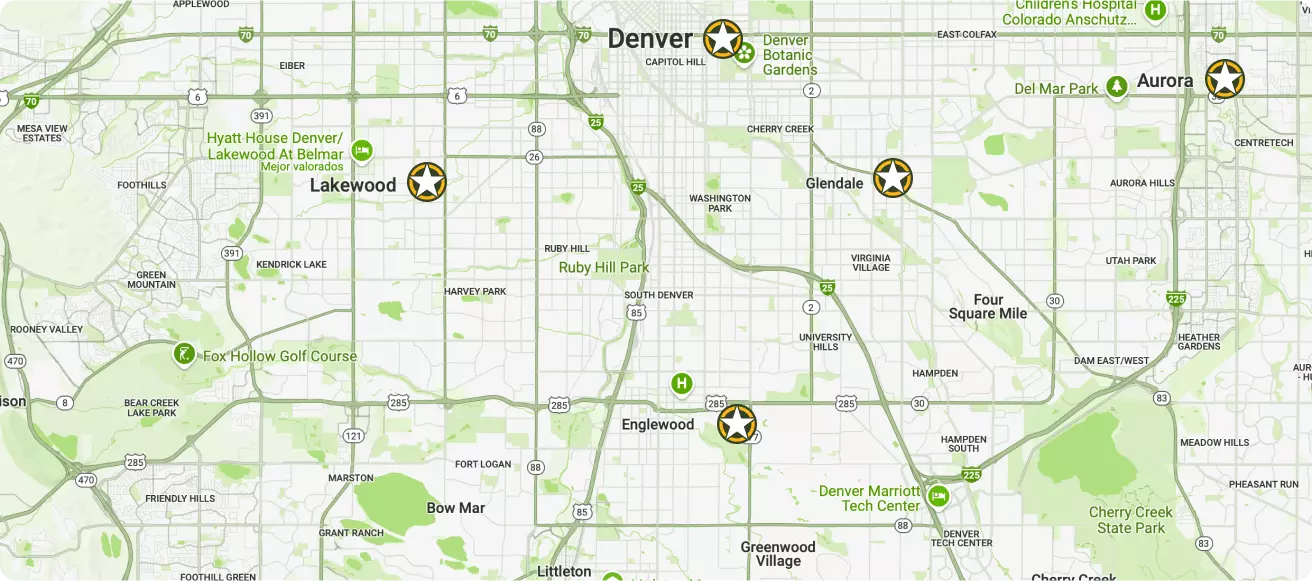
Regardless of whether you have a gas or electric furnace, a sudden loss of heat in the Colorado winter is an urgent matter. Our team is equipped to handle both types of systems, providing thorough diagnosis and effective HVAC repair services in Denver, Greenwood Village, Arvada, Aurora, Broomfield, Castle Rock, Centennial, Columbine, Golden, Highlands Ranch, Lakewood, and Littleton.
From Prevention to Professional Help: Your Guide to Furnace Reliability
While we're always ready for emergency furnace maintenance in Denver, CO, our goal is to help you avoid those stressful situations in the first place. A proactive approach to your furnace's health can make a world of difference in its reliability and your peace of mind.
Preventing Breakdowns with Regular Maintenance
Regular furnace maintenance is the single most effective way to prevent unexpected breakdowns and extend the life of your heating system. It’s not just about comfort; it’s about safety and efficiency too.
• Annual Inspections: We recommend scheduling an annual furnace inspection, ideally in the fall before the heating season begins. This allows us to identify and address potential problems before they escalate into major emergencies. During a tune-up, our technicians perform a comprehensive inspection of key components like burners, heat exchangers, ventilation, wiring, and gas connections.
• Improved Efficiency: Regular maintenance helps ensure your furnace operates at peak performance, which translates to better energy efficiency and potentially lower energy bills. Dirty components and uncalibrated settings can force your system to work harder, wasting energy.
• Extended Lifespan: Most furnaces last between 15 to 20 years, but this lifespan can be significantly influenced by maintenance frequency. Annual servicing helps prevent costly breakdowns and prolongs the lifespan of your heating system by addressing wear and tear on components.
• Safety Checks: A professional tune-up includes crucial safety checks, such as carbon monoxide testing, gas leak detection, and ensuring proper ventilation. This helps protect your family from dangerous hazards.
• Clean Components: Cleaning internal components removes dust, debris, and allergens, which not only improves efficiency but also improves indoor air quality.
Annual furnace maintenance can improve energy efficiency, help prevent breakdowns, extend system lifespan, improve indoor air quality, and improve safety. It’s a small investment that offers substantial returns in comfort, safety, and savings. Learn more about how to keep your system running smoothly with our Furnace Maintenance Denver CO Guide.
What to Look for in a 24-Hour HVAC Repair Service
When you're facing a furnace emergency, you need a service provider you can trust, available when you need them most. Here's what to look for when choosing a 24-hour HVAC repair service for emergency furnace maintenance in Denver, CO:
• Licensed and Insured: Always ensure the company and its technicians are fully licensed and insured. This protects you from liability and ensures the work is performed by qualified professionals.
• NATE-Certified Technicians: NATE (North American Technician Excellence) certification indicates that technicians have undergone rigorous testing and possess a high level of expertise in HVAC systems. Our technicians are NATE-certified, ensuring top-notch service.
• Local Denver Knowledge: A local HVAC company understands Denver's specific climate challenges and building codes. They can provide custom advice and solutions that are appropriate for our region.
• Positive Reviews and Reputation: Look for companies with a strong track record of positive customer feedback. Reviews often highlight punctuality, friendliness, knowledge, and overall professionalism. We pride ourselves on personal, honest, and community-focused service, backed by our commitment to customer satisfaction.
• 24/7 Availability and Swift Dispatch: In an emergency, every minute counts. A reliable service provider will offer 24/7 availability and promise swift dispatch of technicians to your location. This ensures that help is on the way when you need it most, whether it's the middle of the night or a weekend.
• Quality Assurance: A reputable company stands behind its work. We offer a lifetime warranty on parts and labor and a money-back guarantee because we believe in the quality of our service.
Choosing the right partner for your HVAC needs means peace of mind, knowing that expert help is always just a call away. For immediate assistance, learn more about our 24 Hour HVAC Repair services.
Frequently Asked Questions about Denver Furnace Emergencies
We understand that furnace emergencies can bring up many questions. Here are answers to some of the most common inquiries we receive regarding emergency furnace maintenance in Denver, CO.
Why is my furnace blowing cold air?
If your furnace is blowing cold air when it should be providing warmth, it's a frustrating experience. Several common issues can cause this:
• Thermostat Settings: Double-check that your thermostat is set to "Heat" and "Auto" (not "On"). If it's on "On," the fan might continuously blow air even when the furnace isn't actively heating.
• Overheating Safety Switch: A clogged air filter, blocked vents, or a malfunctioning blower can cause your furnace to overheat. As a safety measure, the furnace might shut off the burners but continue to run the fan, blowing unheated air.
• Clogged Filter: A severely dirty air filter restricts airflow, leading to reduced heating efficiency and potentially triggering the overheating safety switch.
• Pilot Light or Ignition Failure: If your gas furnace's pilot light is out or its electronic ignition system isn't working, the burners won't ignite, and thus no heat will be produced.
• Low Gas Pressure (Gas Furnaces): Insufficient gas supply can prevent the burners from igniting properly.
• Blower Motor Issues: While the furnace might be producing heat, a faulty blower motor won't be able to distribute that warm air effectively.
If you've checked your thermostat and filter and the problem persists, it's time for professional diagnosis. Our team can quickly identify the root cause and provide the necessary heating repair Denver CO needs.
How often should my furnace be serviced to prevent emergencies?
To prevent emergencies and ensure optimal performance, we recommend having your furnace serviced at least once a year.
• Annual Maintenance: Ideally, schedule your furnace tune-up in the fall, before the cold Denver winter truly sets in. This ensures your system is clean, efficient, and ready to handle the demands of continuous use.
• High-Usage Systems: If you have an older furnace, a system that runs almost constantly, or if you have specific concerns about indoor air quality, more frequent check-ups might be beneficial.
• Manufacturer Recommendations: Always refer to your furnace's owner's manual for specific maintenance guidelines.
• Warranty Requirements: Many furnace manufacturers require annual professional maintenance to keep your warranty valid. Neglecting regular service could void your coverage, leaving you responsible for costly repairs.
Regular maintenance is a proactive step that can save you from the stress and discomfort of a mid-winter breakdown.
Is it better to repair or replace my old furnace?
This is a common dilemma, especially when faced with a significant repair. The decision to repair or replace your furnace depends on several factors:
• Furnace Age: Most furnaces last between 15 to 20 years. If your unit is approaching or has exceeded this age and requires a costly repair, it might be more cost-effective in the long run to replace it. An older furnace will likely continue to have issues and will be less energy-efficient.
• Frequency of Repairs: If your furnace constantly needs repairs, or if the cost of the current repair exceeds 50% of the value of a new unit, replacement is often the smarter choice. Frequent breakdowns indicate deeper wear and tear on the system.
• Energy Efficiency: Older furnaces are significantly less energy-efficient than modern models. A new, high-efficiency furnace can lead to substantial savings on your energy bills, quickly offsetting the replacement cost.
• Comfort and Reliability: An aging furnace may struggle to heat your home evenly or consistently. A new system provides superior comfort and the peace of mind that comes with a reliable heating source.
Our technicians can assess your furnace's condition, discuss the pros and cons of repair versus replacement, and help you make an informed decision based on your specific situation and budget. For expert advice on your heating system, consult our HVAC Repair Denver CO specialists.
Stay Warm and Safe with a Trusted Denver HVAC Partner
When the unexpected happens and your furnace falters, quick action and professional diagnosis are paramount. Knowing the signs of an emergency, understanding basic troubleshooting, and performing regular maintenance are your best defenses against the Denver cold.
At Veteran Heating, Cooling, Plumbing & Electric, we bring the discipline and dedication forged in service to our country to every job. As a veteran-led, locally owned company, we are committed to providing personal, honest, and community-focused service to homeowners in Denver, Greenwood Village, Arvada, Aurora, Broomfield, Castle Rock, Centennial, Columbine, Golden, Highlands Ranch, Lakewood, and Littleton. We stand behind our work with a lifetime warranty on parts and labor and a money-back guarantee, because your comfort and trust are our highest priorities.
Don't let a furnace emergency leave you in the cold. For reliable and fast service, schedule your emergency furnace maintenance in Denver, CO today. We're here to keep you warm and safe, 24/7.
ABOUT Veteran Heating, Cooling, Plumbing & Electric
Veteran Heating, Cooling, Plumbing & Electric was founded on the belief that service should be personal, honest, and community-focused. Our team is built around integrity, professionalism, and a true commitment to your home’s comfort and safety.
Led by a U.S. Army veteran with over 30 years of industry experience, we’re proud to remain locally owned and operated. Every technician, plumber, and electrician is EPA-certified, background checked, and driven to exceed expectations.
- 24/7 ServiceWe offer weekend & 24/7 emergency service. We’re here whenever you need us—day, night, or weekend, no exceptions.
- $0 Trip FeesNo dispatch or trip fees. You’ll never pay just for us to show up—service starts when the work does.
OUR SERVICES
AIR CONDITIONING
.jpg)
We offer specialty and seasonal services like indoor air quality upgrades, pre-winter furnace checks, and summer AC tune-ups to keep your home prepared year-round.
Our Primary Air Conditioning Services Include:
Don't see the service you need? Call our Team today!
PLUMBING
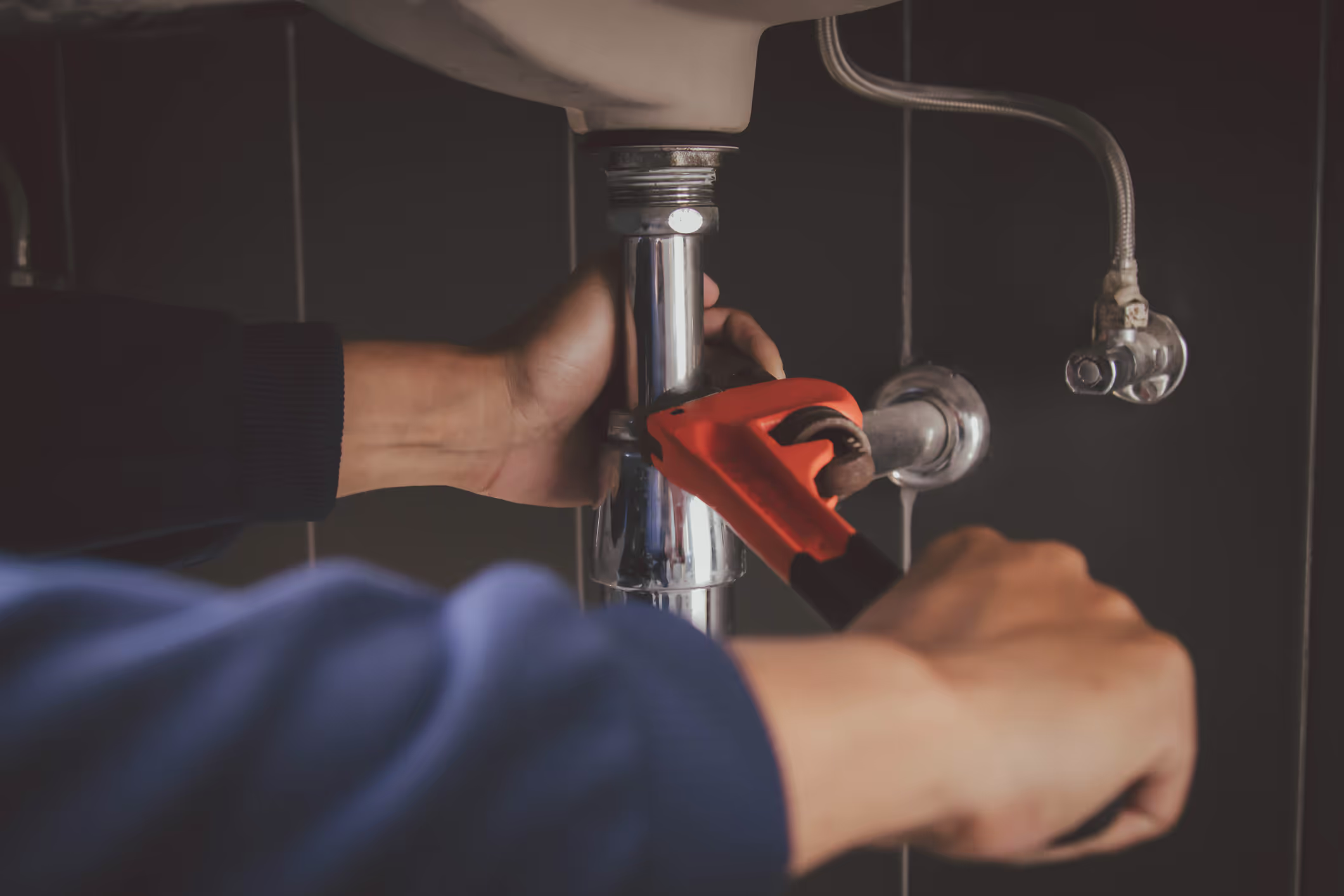
From leaks to full system installs, our plumbing services cover everything you need for a safe, reliable home water system, 24/7.
Our Primary Plumbing Include:
- Water Heater Replacement
- Water Heater Repair
- Trenchless Sewer Line
- Water Filtration
- Slab Leak
- Sewer Line Repair
Don't see the service you need? Call our Team today!
ELECTRICAL

Our electrical services ensure your home stays safe and powered, from routine fixes to complete system upgrades.
Our Primary Electrical Services Include:
- House Rewiring
- Electrician
- Electric Panel Upgrade
- Electric Panel Replacement
- EV Chargers
- Whole House Generator
Don't see the service you need? Call our Team today!
HEATING
.jpg)
We install, repair, and maintain heating & furnace systems with expert care to keep your Colorado home comfortable and energy-efficient year-round.
Our Primary Heating Services Include:
- Heating Installation
- Heating Replacement
- Heating Maintenance
- Heating Repair
- Heating Service
- Heating Tune-Up
Don't see the service you need? Call our Team today!