Restore Reliable Heat When Your Boiler Fails in Freezing Temperatures
Don't let a faulty boiler leave you in the cold this winter; experience fast, reliable boiler repair services that ensure your home stays warm and comfortable. If your system has stopped working or is making alarming noises, contact us immediately to schedule a priority dispatch or explore our flexible financing options for system replacements.
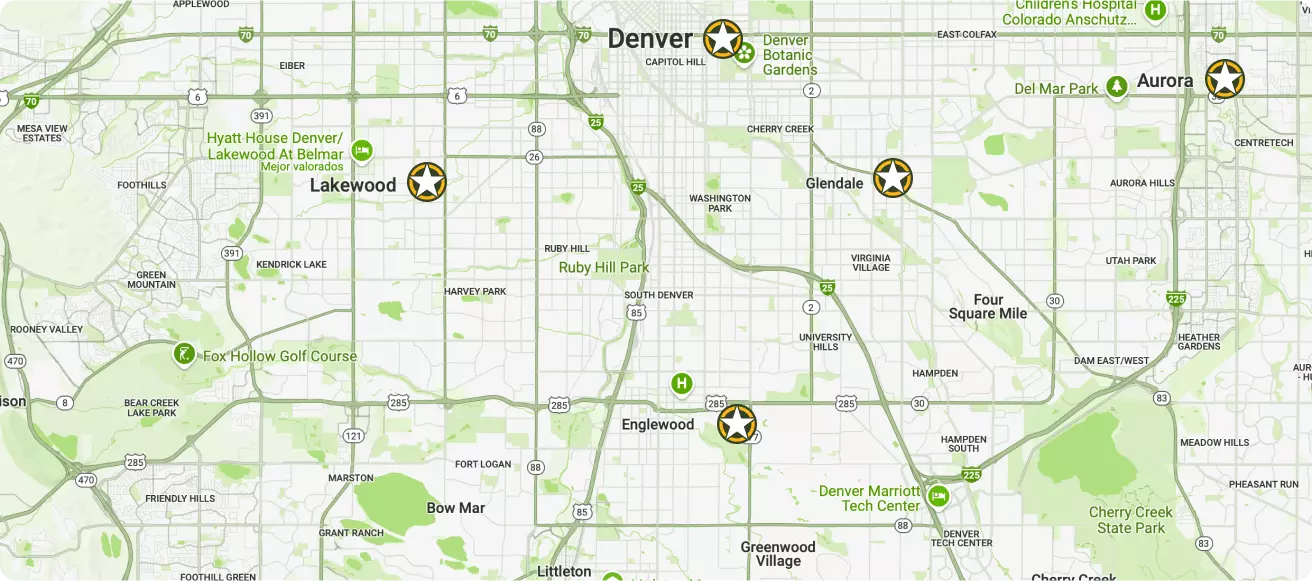
Colorado winters are unforgiving, and a breakdown during a cold snap puts your property at risk of frozen pipes and uninhabitable temperatures. Veteran Heating, Cooling, Plumbing & Electric provides the rapid response necessary to restore safety and warmth to your home. Whether you are located in the metro area or surrounding communities, our team arrives fully equipped to diagnose the issue and implement a lasting solution.
- Rapid response team available 24/7 to address your heating emergencies before your home freezes.
- Licensed technicians ensure your boiler meets all local code, safety, and efficiency standards.
- Transparent pricing and flexible financing options to fit your budget needs without hidden fees.
All repairs are backed by a comprehensive warranty to give you peace of mind that the heat will stay on.
Immediate Boiler Diagnostics and Repair Services
When a boiler fails, you need a solution today, not next week. The complexity of hydronic heating systems requires a technician who understands the interplay between pressure, temperature, and electronics. Upon arrival, the focus is entirely on identifying the root cause of the failure and providing a clear path to restoration. You do not need to guess why the radiator is cold or why the unit is kettling; expert troubleshooters handle the technical analysis.
Comprehensive System Analysis
The repair process begins with a thorough evaluation of the boiler’s critical components. This goes beyond a simple visual inspection. Technicians utilize advanced diagnostic tools to measure gas pressure, test electrical connections, and verify the integrity of the heat exchanger.
- Inspection of the thermocouple and pilot assembly to ensure safe ignition.
- Testing of the aquastat and thermostat controls for accurate temperature communication.
- Evaluation of the expansion tank to ensure proper pressure regulation within the closed loop.
- Analysis of the circulator pumps to verify hot water is moving effectively to radiators or radiant floor loops.
Addressing Common Failure Points
Boilers often exhibit specific symptoms that indicate underlying mechanical or hydraulic issues. Resolving these quickly prevents minor faults from becoming catastrophic failures.
- Leak Repair: Leaks often occur at pipe joints, the pressure relief valve, or the boiler body itself. Immediate sealing or part replacement is performed to prevent water damage and pressure loss.
- Noise Reduction: Kettling, banging, or whistling sounds usually indicate mineral deposits (scale) on the heat exchanger or trapped air in the lines. Services include flushing the system and bleeding radiators to restore quiet operation.
- Pressure adjustments: If a boiler pressure drops too low, the system turns off as a safety precaution. Technicians identify where the pressure loss is occurring and repressurize the system to manufacturer specifications.
- Zoning Fixes: If one room is boiling hot while another is freezing, the issue likely lies with zone valves. The repair involves testing and replacing faulty motorized valves to restore balanced heating throughout the home.
The Boiler Installation and Replacement Process
There comes a point where a boiler is beyond viable repair, or where modern efficiency standards make an upgrade the only logical financial decision. Installing a new boiler is a construction project that involves gas, water, and electricity. It requires precise engineering to ensure the unit operates safely and reaches its expected lifespan of 20 years or more; view current promotions today.
Correct Sizing and Heat Load Calculation
The most critical step in installation happens before the new unit arrives. A boiler that is too large will "short cycle," turning on and off rapidly, which wastes fuel and destroys internal components. A boiler that is too small will fail to heat the house during the coldest Colorado nights.
- First, a technician performs a Manual J load calculation. This assesses the insulation, window quality, square footage, and layout of your specific home to determine the exact BTU output required.
- Next, the existing distribution system (radiators, baseboards, or in-floor tubing) is evaluated to match the flow rate requirements of the new boiler.
- Finally, you are presented with options ranging from standard efficiency cast-iron boilers to high-efficiency condensing models that reclaim heat from exhaust gases.
Removal and System Preparation
Replacing an old unit is not a simple swap. The existing infrastructure must be prepped to handle modern technology.
- Technicians safely disconnect gas lines, electrical wiring, and flue pipes.
- The old unit is drained and removed from the property, ensuring no heavy metals or contaminants are left behind.
- The piping manifold is often rebuilt. Modern boilers require specific near-boiler piping strategies to separate the boiler loop from the system loop, often utilizing a hydraulic separator or primary-secondary piping to protect the heat exchanger.
Installation and Commissioning
Once the site is prepped, the new unit is installed with a focus on longevity and serviceability.
- The new boiler is leveled and mounted. If it is a wall-hung condensing unit, appropriate structural supports are installed.
- Gas lines are reconnected and tested for leaks using electronic sniffers and pressure tests.
- Venting is upgraded. High-efficiency boilers often require PVC or Polypropylene venting drilled through the side of the home, rather than using the old metal chimney flue.
- The system is filled with water and purged of all air. Air pockets are the enemy of hydronic systems, causing corrosion and noise.
- Finally, the technician performs a combustion analysis. This fine-tunes the gas-to-air mixture to ensure the boiler is burning clean and meeting its AFUE (Annual Fuel Utilization Efficiency) rating.
Deciding Between Repair and Replacement
Homeowners often struggle to decide whether to pour money into an aging unit or invest in a new system. While repairs are cheaper upfront, they can be more expensive over time if the unit is nearing the end of its lifecycle. Making the right decision involves analyzing the age, condition, and efficiency of your current setup.
The 50% Rule
A standard industry benchmark for this decision is the 50% rule. If the cost of the repair approaches or exceeds 50% of the value of a new system, replacement is generally the smarter financial move. This is particularly true if the warranty on the existing unit has expired.
Age and Reliability
Cast iron boilers can last decades, but their efficiency drops significantly over time.
- If your boiler is over 15 years old and requires major parts like a gas valve or blower motor, it is nearing the end of its service life.
- Frequent breakdowns are a major signal. If you have required repairs more than once in the last two heating seasons, the system is becoming unreliable.
- Visual signs of corrosion on the boiler body or burner assembly indicate that the metal is fatigued and a leak is imminent.
Efficiency Considerations
Older boilers often operate at 60% to 70% efficiency. This means for every dollar you spend on gas, 30 to 40 cents is wasted up the chimney.
- Modern condensing boilers can achieve up to 98% efficiency.
- Upgrading can result in immediate utility bill reductions, which helps offset the cost of installation over time.
- If your current system relies on a standing pilot light, you are wasting gas 24/7. Electronic ignition systems in modern units eliminate this waste.
Navigating Local Requirements and Climate Challenges
Operating a heating system in Colorado presents unique challenges that do not exist in other parts of the country. The high altitude, extreme temperature swings, and specific local building codes dictate how boilers must be installed and maintained. Ignoring these regional factors leads to premature system failure and potential safety hazards.
High Altitude Derating
Boilers require oxygen to burn fuel. At higher elevations, the air is thinner, meaning there is less oxygen available for combustion.
- Standard boilers are rated for sea level. When installed in Colorado, they must be "derated", adjusted to burn less fuel to match the lower oxygen levels.
- Failure to properly derate a boiler results in incomplete combustion. This causes soot buildup (which ruins heat exchangers) and produces dangerous levels of Carbon Monoxide.
- Technicians must manually adjust the gas manifold pressure or install high-altitude orifices to ensure the unit operates safely at your specific elevation.
Freeze Protection and Glycol
Because boilers use water to heat the home, freezing is a catastrophic risk during power outages or extreme cold snaps.
- In many Colorado homes, especially those with radiant driveway heating or runs through unconditioned spaces (like crawlspaces or garages), adding propylene glycol to the system is necessary.
- Glycol acts as an antifreeze, preventing the pipes from bursting if the heat goes out.
- However, glycol changes the viscosity of the fluid, requiring stronger pumps and different expansion tanks. Specialized knowledge is required to calculate the correct concentration and adjust the system components accordingly.
Permitting and Code Compliance
Boiler work involves gas lines and exhaust venting, both of which are strictly regulated by municipal and state codes.
- Permits are mandatory for boiler replacements. This ensures that the installation is reviewed by a city inspector for safety.
- Venting codes have updated significantly. Many older masonry chimneys are no longer code-compliant for venting alone without a liner, as the exhaust from modern appliances can eat away at the mortar.
- Carbon Monoxide detectors are required by law within a certain distance of all sleeping rooms. Compliance with these safety regulations is part of every professional installation.
Unmatched Technical Precision and Accountability
Your home’s heating infrastructure is too important to trust to general handymen or inexperienced contractors. The complexity of hydronic systems demands a level of discipline and technical expertise that goes beyond basic HVAC work. When you choose a service provider, you are looking for accountability, technical depth, and a guarantee that the job is done right the first time.
The Veteran Standard
Our approach to service is rooted in military precision and integrity. Technicians undergo rigorous background checks and drug testing, ensuring that only trustworthy professionals enter your home. Training is continuous; as boiler technology evolves from simple cast iron to complex modulating-condensing computers, the team stays ahead of the curve; read our reviews today.
Warranty and Long-Term Protection
A repair or installation is only as good as the guarantee behind it.
- Workmanship is backed by strong warranties, ensuring you are not liable for installation errors.
- Maintenance plans are available to keep the warranty on your equipment valid. Most manufacturers require proof of annual maintenance to honor their parts warranties.
- We handle the registration of your equipment, ensuring you receive the maximum coverage available from the manufacturer.
Contact Us
Veteran Heating, Cooling, Plumbing & Electric is dedicated to restoring comfort to your home with efficiency and respect. Whether you need an emergency repair on a freezing night or a planned replacement of an aging system, the focus remains on delivering a solution that lasts.
Secure your home’s heating system today. Schedule your boiler service now to ensure consistent warmth and safety for your family all winter long.