Why Knowing the Signs Your Home Needs Electrical Repair Could Save Your Life
The signs your home needs electrical repair are often easy to miss — a light that flickers here, a breaker that trips there — until a small problem becomes a serious hazard. According to the Electrical Safety Foundation International, electrical failures cause an estimated 51,000 home fires every year in the United States, resulting in 500 deaths, 1,400 injuries, and $1.3 billion in property damage. Many of those fires start with warning signs that homeowners either didn’t notice or didn’t take seriously.
Here are the most common signs your home needs electrical repair:
1. Flickering or dimming lights
2. Burning smells near outlets or panels
3. Frequent circuit breaker trips
4. Buzzing, humming, or crackling sounds from walls or outlets
5. Sparking outlets or switches
6. Electrical shocks when touching devices or switches
7. Heavy reliance on extension cords
8. Loose or completely dead outlets
9. Outdated wiring systems (knob-and-tube, aluminum, or fabric-insulated)
10. Unexplained spike in your electricity bill
If you’re noticing any of these in your home, this guide walks you through what each sign means, how serious it is, and what to do next.
I’m Mike Townsend, a U.S. Army veteran and the founder of Veteran Heating, Cooling, Plumbing & Electric — serving homeowners across the Denver Metro area. My military background in precision systems taught me that small warning signs are never just noise, and that same mindset drives how our team approaches every electrical inspection and repair call. In the sections below, we’ll break down each of the signs your home needs electrical repair so you know exactly when to act and when to call a licensed professional.
10 Critical Signs Your Home Needs Electrical Repair
Many homeowners struggle to distinguish between a minor electrical quirk and a major safety hazard. Electricity is essentially controlled lightning moving through your walls; when the pathways degrade, that energy looks for alternative, dangerous paths.
To help you quickly identify if your system is behaving normally or signaling an emergency, we have put together this comparison table:
• Plugging in an Appliance — Normal Condition: A tiny, instantaneous blue spark when first making contact. — Serious Problem (Needs Repair): A large yellow, white, or red spark accompanied by a pop or smoke.
• Turning on a Heavy Appliance — Normal Condition: A brief, split-second dimming of lights that immediately stabilizes. — Serious Problem (Needs Repair): Persistent flickering, blinking, or sustained dimming of lights across rooms.
• Touching an Outlet Cover — Normal Condition: The cover plate feels cool or matches the ambient room temperature. — Serious Problem (Needs Repair): The cover plate feels warm, hot, vibrates, or delivers a mild shock.
• Operating the Circuit Panel — Normal Condition: A single breaker trips once in a blue moon due to a known overload. — Serious Problem (Needs Repair): A breaker trips repeatedly, won’t reset, or the panel emits a buzzing sound.
• System Acoustics — Normal Condition: Total silence when flipping switches or plugging in devices. — Serious Problem (Needs Repair): Buzzing, sizzling, crackling, or humming sounds from outlets or walls.
Flickering or Dimming Lights: Common Signs Your Home Needs Electrical Repair
If your living room feels more like an impromptu disco than a relaxing space, your lights are trying to tell you something. Occasional, minor flickering can occur during localized power grid fluctuations, but persistent flickering or dimming is a primary indicator of voltage fluctuations.
This often happens when high-power appliances (like your air conditioner or microwave) cycle on, drawing more current than a single circuit can handle. It can also point to loose connections within your light fixtures, switches, or junction boxes. Loose wiring is highly dangerous because it can lead to electrical arcing—where electricity jumps across a physical gap, generating temperatures that can exceed 10,000 degrees Fahrenheit. If you are experiencing unstable lighting in your home, contact a professional Electrician Aurora CO to diagnose and safely resolve the underlying issue.
Burning Smells and Warm Outlets: Dangerous Signs Your Home Needs Electrical Repair
A burning smell is an absolute electrical emergency. If you detect an odor reminiscent of burning plastic, fish, or vinyl near your outlets, switches, or electrical panel, it means your wiring insulation is actively melting.
When connections are loose or wires are too small for the load they carry, electrical resistance increases, generating intense heat. Overheating wires can quickly spark a structural fire behind your drywall before you ever see a flame. Similarly, outlets and switch plates should never feel warm to the touch. If an outlet is discolored, scorched, or hot, immediately trip the corresponding circuit breaker and contact a professional to inspect your Electrical Services Golden CO options.
Frequent Circuit Breaker Trips
Circuit breakers are designed to protect your home. When a circuit draws more amperage than it is rated to handle, the breaker trips to cut off the current and prevent the wires from overheating. While an occasional trip from running a hair dryer and a space heater simultaneously is normal, frequent circuit breaker trips point to a systemic issue.
This behavior typically indicates a chronic circuit overload, a short circuit (where a hot wire touches a neutral wire), or a ground fault (where a hot wire touches a ground wire or metal box). If your electrical panel is constantly struggling to keep up with your daily power demands, you may also want to explore installing a Whole House Generator Lakewood CO to manage your backup power requirements safely.
Buzzing, Humming, or Crackling Sounds
In a properly functioning electrical system, electricity should flow silently. If you hear buzzing, humming, sizzling, or crackling sounds coming from your outlets, light switches, or electrical panel, you are listening to the sound of unstable electrical currents.
These sounds are usually caused by loose terminal connections, failing switch contacts, or arcing currents struggling to bridge a physical gap in the wiring. Ignoring these auditory warning signs allows the heat to build up continuously, creating an active fire hazard behind your walls.
Sparking Outlets or Switches
Have you ever noticed a tiny blue spark when plugging in a lamp? That is usually harmless static or a brief draw of current as the plug makes contact. However, if you see large yellow, white, or red sparks, or if the spark is accompanied by a loud popping sound, you have a serious problem.
Dangerous sparks indicate physical damage to the outlet receptacle, loose internal wiring, or moisture exposure. Recurring sparks will quickly cause permanent outlet damage and can ignite nearby insulation or studs.
Electrical Shocks When Touching Devices
Receiving a mild shock, tingle, or static-like sensation when touching an appliance, outlet cover, or switch plate is a major red flag. This symptom indicates a grounding issue.
Your electrical system relies on a dedicated ground path to safely redirect excess electricity into the earth. When a ground connection is broken or missing, that electricity looks for the easiest path to the ground—which, unfortunately, can be your body. This is not static electricity; it is a clear warning of a fault that could lead to a lethal shock.
Heavy Reliance on Extension Cords
Extension cords are meant for temporary use, not as permanent wiring solutions. If your home has cords running under rugs, along baseboards, or plugged into every available outlet, your system has insufficient outlets to meet your lifestyle.
Prolonged use of extension cords creates physical trip hazards, subjects the cords to wear and tear that exposes live wires, and easily overloads your existing circuits. If you find yourself daisy-chaining power strips, it is time to have additional, code-compliant outlets professionally installed.
Loose or Dead Outlets
Over time, the spring-loaded metal contacts inside an outlet receptacle stretch and wear out. If plugs slide out of the outlet easily or feel loose, the loose connection creates high electrical resistance and heat.
If an outlet is completely dead and resetting the breaker does not restore power, it may have burned out due to an undetected short circuit or broken wire. Dead outlets should never be ignored, as they often indicate a broken link in a daisy-chained circuit that affects other areas of your home.
Outdated Wiring Systems
If your home was built before the 1980s, it may still feature outdated wiring systems like knob-and-tube or fabric-insulated cables. These older insulation materials deteriorate over time, becoming brittle, cracking, and exposing bare copper wires to wood framing and attic insulation.
Additionally, these older systems were designed for a fraction of the electrical loads we use today. For older properties in Colorado, investing in professional House Rewiring Columbine CO is the most effective way to protect your family and update your home to modern safety codes.
Unusually High Electricity Bills
If your energy usage has spiked dramatically but your daily habits and weather conditions have remained the same, your electrical system might be running inefficiently.
Damaged circuits, deteriorating appliance motors drawing excessive current, or “phantom loads” from failing electrical components can cause your system to waste energy as heat. A professional electrical inspection can identify these hidden draws and restore your home’s energy efficiency.
Understanding the Risks of Outdated Wiring and Aging Panels
As we move through 2026, our homes are packed with more high-demand electronics than ever before—from smart appliances and multi-room HVAC systems to electric vehicle (EV) chargers. Older electrical distribution systems simply were not built to handle these modern loads.
To help evaluate your older property, you can reference our detailed Electrical Safety Checklist for Older Homes.
Aluminum Wiring Hazards
In homes built between 1965 and 1975, builders frequently used aluminum wiring as a cost-effective alternative to copper. However, metallurgical studies later revealed that aluminum is far more prone to “cold creep”—meaning it expands and contracts significantly with temperature changes. This movement causes connections at outlets, switches, and breakers to loosen over time.
Additionally, aluminum oxidizes quickly, creating a high-resistance barrier that generates intense heat. In fact, homes wired with aluminum are 55 times more likely to experience fire hazard conditions at receptacles than those wired with copper. While full rewiring is the safest long-term solution, professionals can sometimes perform localized remediation by adding copper pigtails to the connections using specialized connectors.
The Lifespan of Electrical Panels
Your electrical panel is the heart of your home’s electrical distribution system. Most circuit panels have an operational lifespan of 25 to 50 years. Older panels, especially those manufactured by obsolete brands like Federal Pacific or Zinsco, have high rates of failure and may not trip during a short circuit, creating extreme fire risks.
If your panel is outdated, warm, or making unusual noises, we strongly recommend exploring your options for:
• Electrical Panel Replacement Golden CO
• Electrical Panel Replacement Centennial CO
For a complete breakdown of what to expect during this process, read our comprehensive Electrical Panel Installation Complete Guide.
When to Call a Professional vs. DIY Safety
While we all love a good weekend DIY project, electrical work is one area where “giving it a go” can have catastrophic results. Working on your home’s electrical system without proper training carries severe risks of electrocution, arc flash injuries, and code violations that can void your homeowner’s insurance.
If your home’s power demands are growing, your first step should be to schedule an Electrical Service Upgrade to ensure your property remains completely safe and compliant with the latest National Electrical Code (NEC) standards.
Safe DIY Tasks
For safety-conscious homeowners, there are a few basic electrical maintenance tasks that are safe to handle yourself, provided you take the proper precautions:
• Replacing light bulbs: Always ensure the fixture switch is turned off.
• Installing decorative outlet covers: A simple screwdriver job, but verify the outlet is not loose or cracked first.
• Basic dimmer switch installation: Only attempt this if you are comfortable turning off the main power at the breaker panel and verifying the circuit is dead using a reliable non-contact voltage tester.
When to Call a 24-Hour Electrician
If you notice any of the following immediate red flags, do not wait until normal business hours. Shut off the main power breaker if it is safe to do so, leave the area, and call a 24 Hour Electrician immediately:
• Smoke or active sparks coming from an outlet, switch, or panel.
• A strong, localized smell of burning plastic or fish near electrical components.
• A circuit panel that is hot to the touch or making loud crackling sounds.
• Water intrusion or flooding near your electrical panel or main service line.
Frequently Asked Questions about Home Electrical Safety
Why do my lights flicker when I turn on large appliances?
This is a classic symptom of voltage drop. When high-draw appliances like your air conditioner, refrigerator, or washing machine first start up, they require a brief surge of electrical current. If these appliances are sharing a circuit with your lighting, or if your overall electrical panel capacity is too low, the sudden draw steals power from your lights, causing them to dim or flicker. The best solution is to have a licensed electrician install dedicated circuits for your heavy appliances.
How do I know if my home has dangerous aluminum wiring?
You can often identify aluminum wiring by inspecting any visible cables in your attic, crawlspace, or electrical panel (always keep the panel cover on and let a professional inspect the interior). Look for the letters “AL,” “ALUM,” or “Aluminum” stamped directly onto the plastic wire jackets. If your home was built between 1965 and 1975, there is a high probability that aluminum wiring is present.
What should I do immediately if an outlet sparks or smells like burning?
First, do not touch the outlet or anything plugged into it. Immediately go to your main electrical panel and switch off the circuit breaker that controls that specific room. If you do not know which breaker it is, or if the entire panel smells like burning, shut off the main power breaker for the whole house. Once the power is safely cut, contact an emergency electrician to diagnose and repair the damage before restoring power.
Conclusion
Paying attention to the early signs your home needs electrical repair is the single best way to protect your property and your family from electrical hazards. From flickering lights and warm outlets to aging panels and outdated wiring, these symptoms are your home’s way of telling you that its electrical system is under stress.
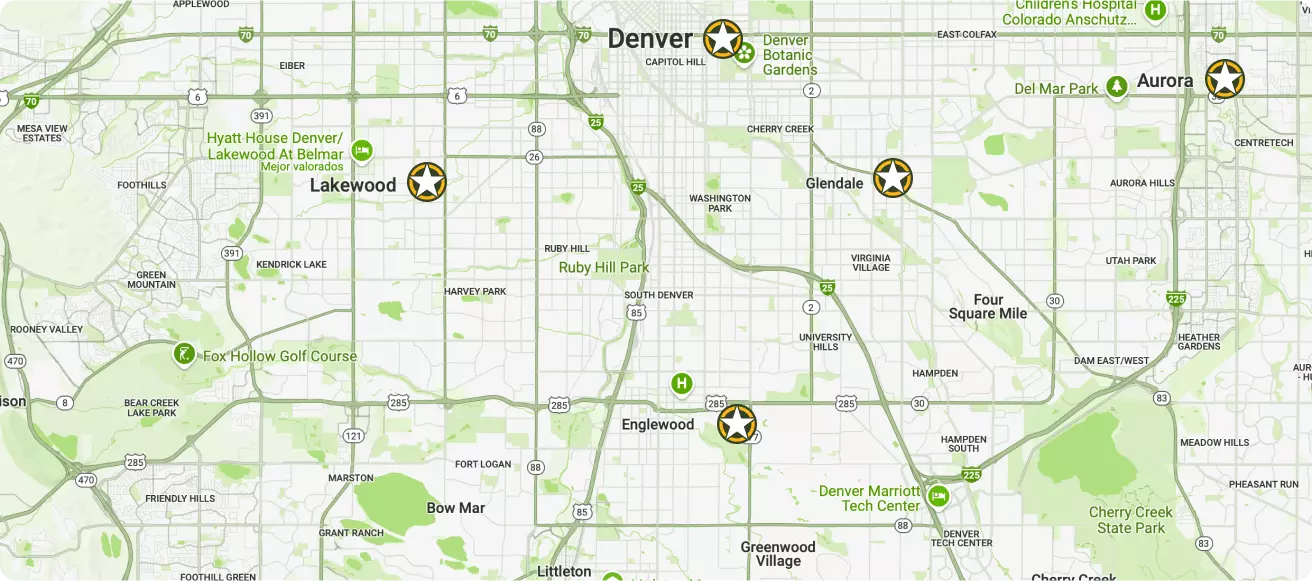
At Veteran Heating, Cooling, Plumbing & Electric, we bring military-grade precision, absolute honesty, and a commitment to safety to every home we service across the Denver Metro area—including Arvada, Aurora, Broomfield, Castle Rock, Centennial, Columbine, Golden, Highlands Ranch, Lakewood, and Littleton.
As a veteran-led, locally owned team, we stand behind our work with a lifetime warranty on parts and labor, a 100% money-back satisfaction guarantee, and we never charge dispatch or trip fees. We also proudly offer a 10% discount for veterans, seniors, and first responders, alongside our convenient $9.99/month home maintenance plan.
Don’t wait for a dangerous spark to tell you it’s time for an upgrade. If you have noticed any warning signs in your home, contact our expert team today for More info about electrical services or to schedule a comprehensive safety inspection.
ABOUT Veteran Heating, Cooling, Plumbing & Electric
Veteran Heating, Cooling, Plumbing & Electric was founded on the belief that service should be personal, honest, and community-focused. Our team is built around integrity, professionalism, and a true commitment to your home’s comfort and safety.
Led by a U.S. Army veteran with over 30 years of industry experience, we’re proud to remain locally owned and operated. Every technician, plumber, and electrician is EPA-certified, background checked, and driven to exceed expectations.
- 24/7 ServiceWe offer weekend & 24/7 emergency service. We’re here whenever you need us—day, night, or weekend, no exceptions.
- $0 Trip FeesNo dispatch or trip fees. You’ll never pay just for us to show up—service starts when the work does.
OUR SERVICES
AIR CONDITIONING
.jpg)
We offer specialty and seasonal services like indoor air quality upgrades, pre-winter furnace checks, and summer AC tune-ups to keep your home prepared year-round.
Our Primary Air Conditioning Services Include:
Don't see the service you need? Call our Team today!
PLUMBING
From leaks to full system installs, our plumbing services cover everything you need for a safe, reliable home water system, 24/7.
Our Primary Plumbing Include:
- Water Heater Replacement
- Water Heater Repair
- Trenchless Sewer Line
- Water Filtration
- Slab Leak
- Sewer Line Repair
Don't see the service you need? Call our Team today!
ELECTRICAL

Our electrical services ensure your home stays safe and powered, from routine fixes to complete system upgrades.
Our Primary Electrical Services Include:
- House Rewiring
- Electrician
- Electric Panel Upgrade
- Electric Panel Replacement
- EV Chargers
- Whole House Generator
Don't see the service you need? Call our Team today!
HEATING
.jpg)
We install, repair, and maintain heating & furnace systems with expert care to keep your Colorado home comfortable and energy-efficient year-round.
Our Primary Heating Services Include:
- Heating Installation
- Heating Replacement
- Heating Maintenance
- Heating Repair
- Heating Service
- Heating Tune-Up
Don't see the service you need? Call our Team today!