Understanding Colorado’s Severe Weather Hazards
In Colorado, "predictable" isn't a word we use to describe the weather. As of April 2026, we are seeing a continuation of the intense weather patterns that have defined the Front Range for decades. Our geography—where the high plains meet the Rockies—creates a "weather factory" that produces some of the most violent storms in the country.
The "Big Four" hazards every Denver Metro homeowner must prepare for include:
• Hail Storms: We live in "Hail Alley." Colorado consistently ranks second in the U.S. for hail insurance claims. These storms peak between mid-May and July, often bringing stones the size of golf balls or even baseballs that can shred shingles and dent siding in minutes.
• Blizzards and Bomb Cyclones: While we love our 300 days of sunshine, our winters (and springs!) can bring "bomb cyclones"—rapidly intensifying storms that drop 1-3 feet of snow in 24 hours. These events often knock out power and trap residents in their homes for days.
• High-Altitude Winds and Microbursts: Powerful downslope winds and thunderstorm microbursts can exceed 60-80 mph. These gusts are strong enough to uproot trees, shift fences, and peel away loose roofing materials.
• Flash Floods and Wildfires: Ironically, our dry, semi-arid climate makes us vulnerable to both. Heavy downpours on parched soil or burn scars lead to rapid flooding, while dry winters increase the risk of winter wildfires—a growing concern for those in the wildland-urban interface.
Essential Storm Preparedness Tips for Colorado Homeowners
Preparation is a mindset, not a one-time chore. To achieve 72-hour self-sufficiency—the gold standard recommended by the Division of Homeland Security and Emergency Management—you need to integrate tech-based alerts with old-school neighborhood cooperation. Joining a local Citizen Corps or a Community Emergency Response Team (CERT) can provide you with the training to help your neighbors when first responders are stretched thin during a major event like a blizzard.
Building a 72-Hour Kit: Storm Preparedness Tips for Colorado Homeowners
When the power goes out in Highlands Ranch or a blizzard shuts down I-70 near Golden, you need to be ready to take care of your household for at least three days. Your kit should be stored in a portable, waterproof container.
• Water: One gallon per person per day (don't forget pets!).
• Food: Non-perishable items that don't require cooking (granola bars, canned meats, dried fruit).
• Light and Power: Flashlights with extra batteries, a hand-crank weather radio, and fully charged portable power banks for cell phones.
• First Aid: A comprehensive kit including any prescription medications (at least a 7-day supply).
• Tools: A multi-tool, manual can opener, and a whistle to signal for help.
• Vehicle "Go-Bag": Keep a smaller version in your car with blankets, a small shovel, jumper cables, and ice melt. Colorado’s Traction Law (Code 15) is active from September through May—ensure your tires have at least 3/16" tread depth.
Staying Informed: Storm Preparedness Tips for Colorado Homeowners
Don't rely on just one way to get information. If the cell towers go down, your smartphone won't help. We recommend a "triple-threat" approach to alerts:
1. Wireless Emergency Alerts (WEA): Ensure these are enabled in your phone settings for tornado and flood warnings.
2. NOAA Weather Radio: This is the most reliable way to get alerts even when the internet and power are out.
3. Local Reverse Notification: Sign up for your specific county's alert system (e.g., CodeRed or LookoutAlert) to get hyper-local evacuation orders for your specific street in Broomfield or Littleton.
Protecting Your Home’s Critical Systems and Structure
Your home is your biggest investment, and its mechanical systems are its heartbeat. Colorado’s extreme temperature swings—sometimes dropping 50 degrees in a single day—put enormous stress on these systems.
• Roof and Gutters: Your roof is your first line of defense. Inspect it every spring. Look for "bruises" or cracks in shingles that could lead to leaks. Clean your gutters and ensure downspouts extend at least 4-6 feet away from your foundation to prevent basement flooding.
• HVAC Resilience: Before the heavy snow or summer hail hits, have your system serviced. At our altitude, furnaces lose about 4% efficiency for every 1,000 feet of elevation. A Denver furnace already works 21% harder than one at sea level! Ensure your outdoor A/C unit is clear of debris and consider a hail guard if you live in a high-impact area.
• Electrical Safety: Lightning and power surges are common during Front Range thunderstorms. We strongly recommend electrical panel replacement if your current board is outdated or showing signs of wear. Adding whole-home surge protection can save thousands of dollars in sensitive electronics and appliances when the grid fluctuates during a storm.
Structural Reinforcement: Storm Preparedness Tips for Colorado Homeowners
• Garage Doors: These are often the largest and weakest opening in your home. Check the wind rating; a reinforced door can prevent your roof from being "blown off" by internal pressure during high winds.
• Winterization: To prevent ice dams, ensure your attic is properly insulated (R-49 to R-60 is ideal for Colorado). Insulate exposed pipes in crawl spaces with foam sleeves or heat tape.
• Sump Pumps: If you have a basement in a low-lying area of Aurora or Centennial, test your sump pump every spring. Consider a battery backup so it keeps working even if the power fails.
• Landscaping: Trim branches that hang over your roof or power lines. In wildfire-prone areas, create "defensible space" by clearing dead vegetation within 5 feet of your structure.
Family Safety, Communication, and Evacuation Planning
In the heat of a storm, emotions run high. Having a written plan reduces panic. Your household disaster plan should include a map of your home with two exit routes from every room and the location of your utility shut-offs.
• Communications Plan: Identify an out-of-state contact. During local emergencies, long-distance lines are often clearer than local ones. Ensure everyone knows the "primary" and "secondary" meeting spots (e.g., the neighbor’s porch and the local library).
• Utility Shut-offs: Every family member should know how to turn off the water main and the gas. If you smell gas (a rotten egg odor) or hear a hissing sound, evacuate immediately and call the gas company from a safe distance. Never use a light switch or phone if you suspect a leak, as a spark could trigger an explosion.
Planning for Vulnerable Family Members and Pets
• Disabilities and Seniors: Build a personal support network of at least three people who can check on you. For those with mobility issues, ensure furniture is arranged to allow for a clear, quick exit. Keep extra batteries for hearing aids or power backups for medical equipment.
• Children: Include "comfort items" like a favorite stuffed animal or a deck of cards in your 72-hour kit to reduce anxiety.
• Pets and Livestock: Pets are family. Your pet "go-bag" should include 3 days of food, a leash, a bowl, and copies of vaccination records. If you have livestock in more rural parts of Castle Rock or Golden, have a pre-arranged trailer evacuation plan.
Recovery and Resilience: What to Do After the Storm
Once the clouds clear, safety remains the priority. Stay at least 10 feet away from downed power lines and treat all non-working traffic signals as four-way stops.
Documentation is key. Before you touch anything, take timestamped photos and videos of the damage from multiple angles. This is your evidence for the insurance company. Do not throw away damaged items until an adjuster has seen them.
Navigating Insurance and Financial Recovery
Many Colorado homeowners are surprised to find they are underinsured. Up to two-thirds of households find that their policy payout doesn't cover the full cost of rebuilding due to rising construction costs.
• Payout Basis — Replacement Cost Value (RCV): Cost to buy new materials today — Actual Cash Value (ACV): Depreciated value based on age
• Out-of-Pocket — Replacement Cost Value (RCV): Usually just your deductible — Actual Cash Value (ACV): Deductible + the "gap" in value
• Recommendation — Replacement Cost Value (RCV): Highly recommended for CO roofs — Actual Cash Value (ACV): Riskier for older homes
Check your policy for percentage-based deductibles. In Colorado, a 1-2% deductible for wind and hail is common. On a $600,000 home, a 2% deductible means you pay $12,000 out of pocket before insurance kicks in. Also, look for "cosmetic exclusions"—some policies won't pay for hail dents on your siding if they don't affect the "function" of the home.
Frequently Asked Questions about Colorado Storm Safety
When is the best time to evacuate during a Colorado storm?
You should evacuate as soon as a "Warning" is issued for your area if you are in a mobile home or a flood-prone zone. In Colorado, "Watch" means conditions are favorable for a storm, while "Warning" means the hazard is occurring or imminent. Don't wait for the rain to start; flash floods can move faster than you can run.
How can I prevent my pipes from freezing during a winter power outage?
If the heat goes out, open cabinet doors under sinks to let room air circulate around the pipes. Let your faucets drip slightly; the moving water is much harder to freeze. If you are leaving town, never set your thermostat below 55 degrees.
Does standard Colorado homeowners insurance cover flood damage?
No. Standard policies almost never cover flooding from rising groundwater or overflowing creeks. Because over 40% of flood losses in Colorado happen outside of high-risk "flood zones," we recommend checking FloodSmart.gov to see if a separate flood policy makes sense for your home.
Conclusion
At Veteran Heating, Cooling, Plumbing & Electric, we know that your home is more than just a building—it’s your sanctuary. Whether you are in Arvada, Aurora, or Castle Rock, we are proud to serve our community with the same integrity and dedication we learned in the military.
From ensuring your electrical panel can handle the next big surge to winterizing your plumbing and servicing your HVAC, we are here 24/7 to help you prepare for and recover from whatever Mother Nature throws at the Front Range. We offer a lifetime warranty on parts and labor because we believe in doing the job right the first time.
Don't wait for the sirens to sound. Take these storm preparedness tips for Colorado homeowners to heart and give us a call today to ensure your home’s critical systems are ready for the next big one. We’re local, we’re veterans, and we’ve got your back.
ABOUT Veteran Heating, Cooling, Plumbing & Electric
Veteran Heating, Cooling, Plumbing & Electric was founded on the belief that service should be personal, honest, and community-focused. Our team is built around integrity, professionalism, and a true commitment to your home’s comfort and safety.
Led by a U.S. Army veteran with over 30 years of industry experience, we’re proud to remain locally owned and operated. Every technician, plumber, and electrician is EPA-certified, background checked, and driven to exceed expectations.
- 24/7 ServiceWe offer weekend & 24/7 emergency service. We’re here whenever you need us—day, night, or weekend, no exceptions.
- $0 Trip FeesNo dispatch or trip fees. You’ll never pay just for us to show up—service starts when the work does.
OUR SERVICES
AIR CONDITIONING
.jpg)
We offer specialty and seasonal services like indoor air quality upgrades, pre-winter furnace checks, and summer AC tune-ups to keep your home prepared year-round.
Our Primary Air Conditioning Services Include:
Don't see the service you need? Call our Team today!
PLUMBING
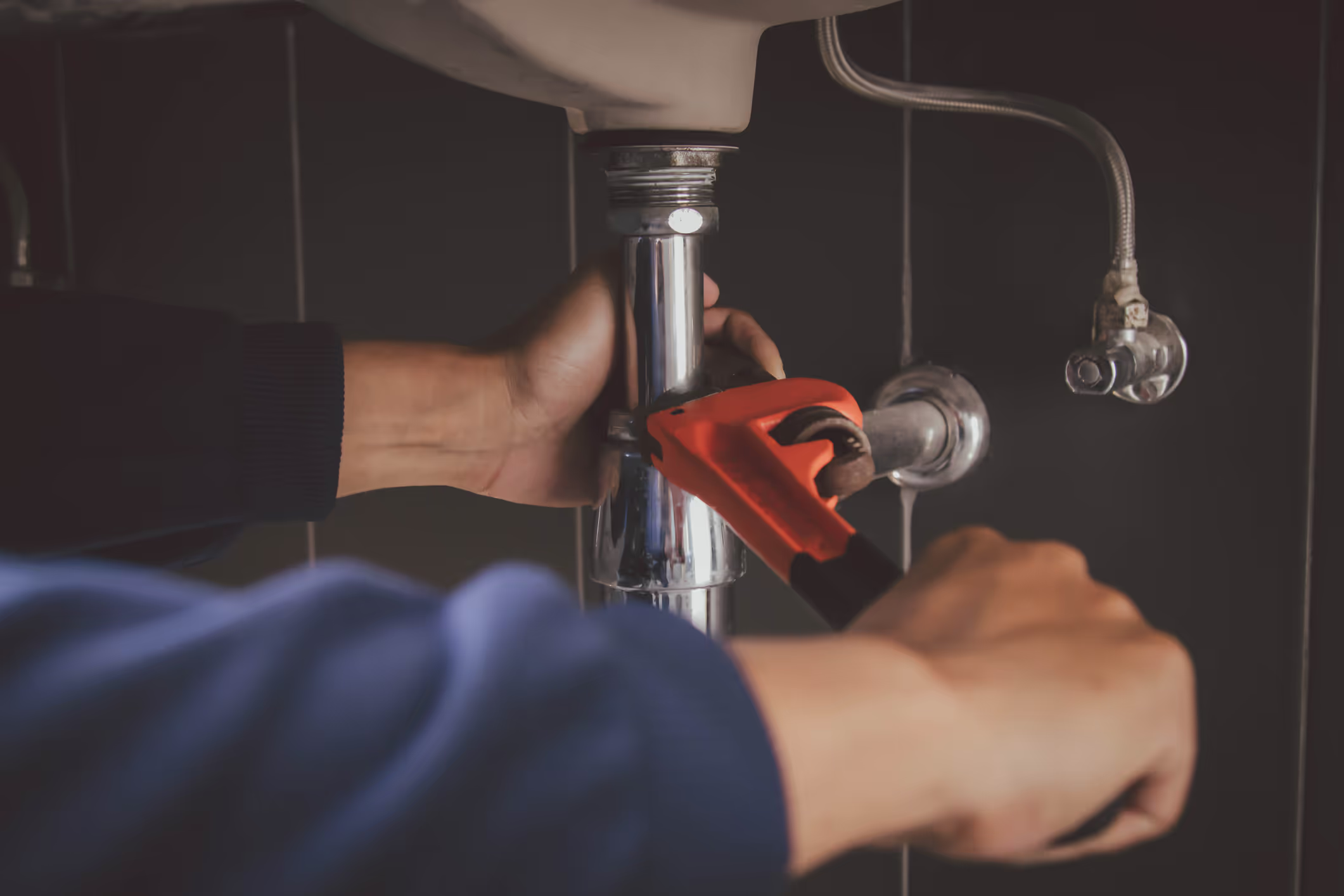
From leaks to full system installs, our plumbing services cover everything you need for a safe, reliable home water system, 24/7.
Our Primary Plumbing Include:
- Water Heater Replacement
- Water Heater Repair
- Trenchless Sewer Line
- Water Filtration
- Slab Leak
- Sewer Line Repair
Don't see the service you need? Call our Team today!
ELECTRICAL

Our electrical services ensure your home stays safe and powered, from routine fixes to complete system upgrades.
Our Primary Electrical Services Include:
- House Rewiring
- Electrician
- Electric Panel Upgrade
- Electric Panel Replacement
- EV Chargers
- Whole House Generator
Don't see the service you need? Call our Team today!
HEATING
.jpg)
We install, repair, and maintain heating & furnace systems with expert care to keep your Colorado home comfortable and energy-efficient year-round.
Our Primary Heating Services Include:
- Heating Installation
- Heating Replacement
- Heating Maintenance
- Heating Repair
- Heating Service
- Heating Tune-Up
Don't see the service you need? Call our Team today!