Why Capacitor Failure Is the Most Common AC Repair — And What Littleton Homeowners Need to Know
Capacitor failure why it is the most common AC repair comes down to one simple reality: capacitors are small, heat-sensitive electrical components that work incredibly hard every single time your air conditioner starts up. When they wear out — and they will — your entire cooling system can grind to a halt.
Here is a quick breakdown of why capacitor failure tops the list of AC repairs:
• High mechanical stress — Capacitors deliver a powerful surge of electricity every time your compressor or fan motor starts, which happens dozens of times a day
• Heat sensitivity — Extreme temperatures accelerate the breakdown of the internal dielectric material inside the capacitor
• Gradual degradation — Capacitors don’t fail overnight; they weaken slowly over months or years until the motor can no longer start or run
• Frequency — Industry technicians report that blown or weakened capacitors account for roughly 7 out of 10 AC service calls
• Affordable part, high-impact failure — Because the part itself is inexpensive compared to a compressor or fan motor, it gets replaced often — but if ignored, it leads to those far costlier repairs
The result? Capacitor failure is, by a wide margin, the single most common AC repair technicians see in the field.
I’m Mike Townsend, a U.S. Army veteran whose military service included managing precision cooling systems for heat-seeking missile technology — experience that gave me a deep appreciation for exactly why capacitor failure why it is the most common AC repair is a problem no homeowner should dismiss. That technical background, combined with decades in the home services industry, shapes how our team at Veteran Heating, Cooling, Plumbing & Electric approaches every diagnostic visit we run across the Denver Metro area.

What Is an AC Capacitor and How Does It Work?
To understand why this tiny part causes so many headaches, it helps to know what it actually does. Think of an AC capacitor as a temporary, high-powered storage battery.
Your home’s standard electrical wiring provides enough steady current to keep motors running once they are spinning, but it does not have the raw torque needed to start those heavy motors from a dead stop. This is where the capacitor comes in. It stores up an electrical charge and releases a massive voltage boost in a fraction of a second, acting like a match to light the fire. This burst of energy kickstarts the compressor motor and the outdoor condenser fan.
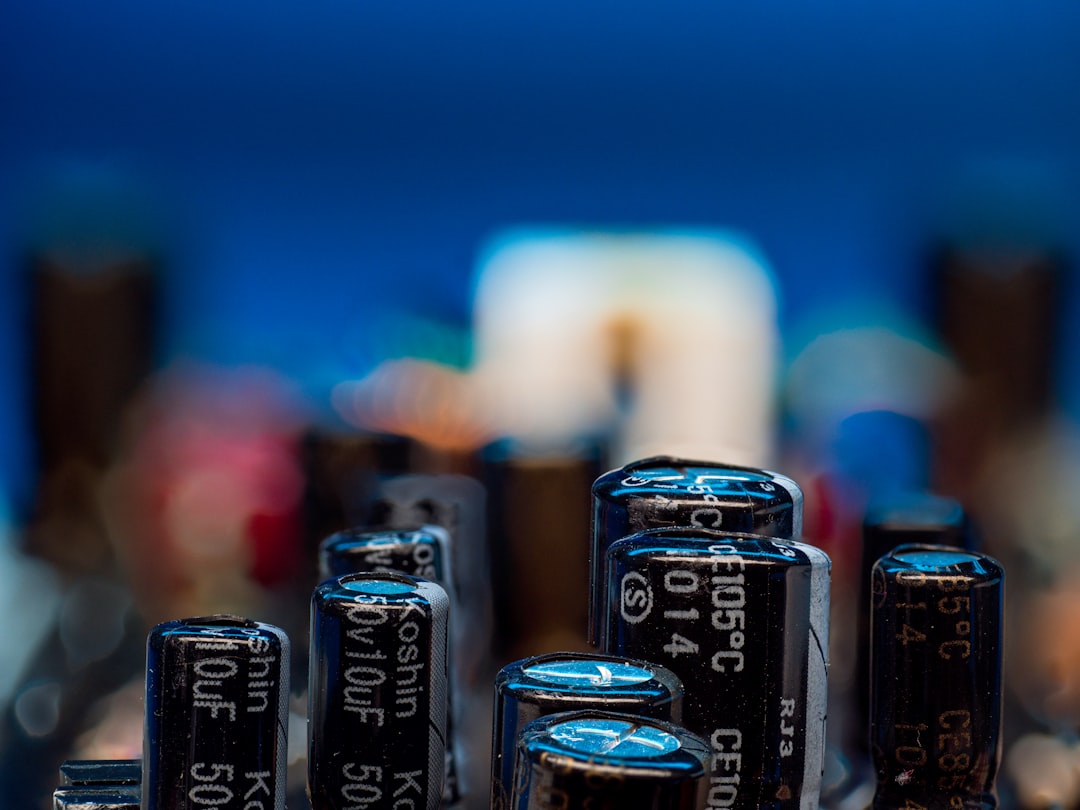
In most residential cooling systems, you will find three main configurations of capacitors:
1. Start Capacitors: These provide the initial high-torque electrical boost to get the compressor motor spinning. Once the motor reaches about 75% of its operating speed, the start capacitor drops out of the circuit.
2. Run Capacitors: These stay connected to the circuit continuously. They provide a steady, phase-shifted voltage to keep the compressor and fan motors running smoothly and efficiently.
3. Dual-Run Capacitors: This is the most common type found in modern residential air conditioners. A dual-run capacitor combines a start and run capacitor into a single cylindrical metal canister. It has three terminals on top (usually labeled HERM for the compressor, FAN for the condenser fan, and C for common) to support both motors simultaneously.
• Start Capacitor — Primary Function: Delivers massive initial voltage boost to start heavy motors — Operational Duration: Active for only a few seconds during startup — Common Symptoms of Failure: Outdoor unit hums but won’t start; clicking sounds
• Run Capacitor — Primary Function: Maintains steady, phase-shifted voltage for efficient running — Operational Duration: Active continuously throughout the cooling cycle — Common Symptoms of Failure: System runs hot, shuts down prematurely, blows warm air
• Dual-Run Capacitor — Primary Function: Combines start and run functions for both fan and compressor — Operational Duration: Continuous support for both components — Common Symptoms of Failure: Fan doesn’t spin and compressor won’t start; bulging canister
If you are noticing that your system is struggling to kick on but you aren’t sure if the capacitor is the culprit, check out our guide on AC Troubleshooting Tips Before Calling a Pro to narrow down the issue.
Understanding Capacitor Failure Why It Is the Most Common AC Repair
If you ask any HVAC technician in Arvada, Aurora, or Centennial what part they replace most often during the summer, the answer is always the capacitor. In fact, failed capacitors are the most common AC repair we see, accounting for approximately 7 out of 10 cooling-related service calls.
But why is this specific component so prone to breaking?
It comes down to high-stress operation and the physical makeup of the part itself. Most residential AC capacitors are electrolytic or mylar film capacitors. They contain thin layers of metal foil separated by a chemical electrolyte or a dielectric film. Over time, the constant cycle of storing and releasing high-voltage electrical charges causes these internal materials to degrade.
Furthermore, capacitors are “first responders” in your electrical system. They absorb the brunt of voltage fluctuations to protect the far more expensive motors. Because they are designed to take a beating, they naturally wear out long before the compressor does. If your AC is struggling to start up or making strange noises in the south metro area, scheduling a timely AC Repair Littleton CO can resolve the issue before it spirals into a system-wide breakdown.
Why Denver Heat Makes Capacitor Failure Why It Is the Most Common AC Repair
While Colorado is famous for its snowy winters, our summers in the Denver Metro area can bring intense, sustained heat. High-altitude sunshine combined with afternoon temperatures climbing into the 90s (and occasionally triple digits) creates a harsh environment for outdoor condenser units.
When your AC runs during a scorching July afternoon, the temperature inside the outdoor unit’s electrical cabinet can easily exceed 140°F. Since capacitors are highly sensitive to thermal overload, this extreme heat causes the chemical electrolyte inside them to expand and degrade rapidly. When the condenser coils are dirty, the system has to work even harder, driving up internal temperatures and causing the capacitor to fail prematurely.
Regular maintenance is key to keeping those internal temperatures down. Investing in professional AC Maintenance Denver CO ensures your coils are clean and your system is running as cool as possible.
How Electrical Surges and Age Drive Capacitor Failure Why It Is the Most Common AC Repair
Even if your outdoor unit is kept clean, two inescapable forces will eventually cause capacitor failure: age and electrical stress.
Most capacitors are rated for a specific lifespan, but constant exposure to voltage fluctuations and lightning strikes from summer afternoon thunderstorms can degrade them instantly. Every time there is a brief power brownout or a surge on the local grid, the capacitor absorbs the shock. Over time, this causes gradual microfarad degradation.
Once a capacitor’s capacitance drops out of spec — typically more than 10% to 20% below its rated microfarad (µF) value — the connected motors will struggle to start, drawing excessive amperage and eventually failing entirely. If you suspect your system is suffering from electrical wear and tear, reaching out for a professional AC Service is the safest way to get an accurate electrical diagnostic.
The Ultimate Checklist of AC Capacitor Failure Causes
To help you understand what is going on inside your cooling system, we have compiled the ultimate checklist of what causes AC capacitors to fail.
• Extreme Heat Exposure: Direct sunlight on south- or west-facing outdoor units creates a “kiln effect” inside the service panel, breaking down the capacitor’s internal dielectric film.
• Dirty Condenser Coils: When the outdoor coils are clogged with cottonwood fuzz, dirt, and debris, the system cannot release heat efficiently. This raises the operating pressure and temperature, putting massive thermal stress on the capacitor.
• Power Surges and Lightning: Summer storms across the Front Range can send sudden voltage spikes through your home’s electrical lines, instantly burning out the capacitor’s delicate internal foil layers.
• An Aging Compressor: As your AC compressor gets older, its internal bearings wear down, requiring more electrical current (amperage) to start. This extra draw places an immense burden on the start and run capacitors.
• Frequent Short Cycling: If your AC is constantly turning on and off — whether due to an oversized system, a faulty thermostat, or a clogged air filter — the capacitor must deliver startup boosts far more frequently than it was designed to handle.
• Clogged Air Filters: Restricting airflow causes the indoor evaporator coil to freeze up, forcing the entire system to run longer, hotter cycles that wear down electrical components.
• Simple Age and Wear: Even under perfect conditions, the chemical electrolyte inside a capacitor will slowly dry out over a 5- to 10-year period, causing its microfarad output to drop below acceptable tolerances.
Because many of these issues are preventable, timing is everything. Read more about the Best Time of Year to Schedule Your AC Tune-Up to catch weakened capacitors before the summer rush begins.
Warning Signs Your Denver Home Needs Professional AC Repair
A failing capacitor rarely goes out in complete silence. Usually, your system will drop subtle (and not-so-subtle) hints that it is struggling.
Keep an eye and an ear out for these common warning signs:
• The Outdoor Unit Hums but Won’t Start: If you hear a loud, low buzzing or humming noise coming from your outdoor condenser but the fan blade isn’t spinning and the compressor isn’t running, the capacitor has likely lost the ability to deliver its startup charge.
• Clicking Sounds on Startup: When your thermostat calls for cooling, you might hear a series of rapid clicking sounds from the outdoor unit as the electrical contactor closes, but the motors fail to kick on.
• Slow Fan Spin: If the outdoor fan motor starts spinning incredibly slowly or only starts spinning if you gently push the blade with a stick (never do this with your hands!), the run capacitor is failing.
• The AC Blows Warm Air: If the condenser fan is spinning but the compressor fails to start, your indoor blower will continue to push air through your vents, but it won’t be cooled.
• Tripped Circuit Breakers: A weakened capacitor forces the compressor to draw five to six times its normal running amperage to start up. This sudden electrical spike will trip your home’s circuit breaker to prevent a fire.
If your system is showing these symptoms and is nearing the end of its operational life, it might be time to weigh your options. Exploring AC Replacement Denver CO can help you decide whether a simple repair or a modern, energy-efficient upgrade is the best path forward for your home.
Frequently Asked Questions About AC Capacitors
Can I safely replace an AC capacitor myself?
We strongly recommend against attempting DIY capacitor replacement. While it may look like a simple plug-and-play part, capacitors are designed to store massive amounts of electrical energy. Even when your home’s main power grid is shut off and the AC breaker is disconnected, a healthy or partially failed capacitor retains a high-voltage charge that can deliver a lethal electrical shock.
Professional HVAC technicians use specialized, insulated tools to safely discharge the stored electrical energy before touching the terminals. Additionally, installing a capacitor with the wrong microfarad (µF) or voltage (VAC) rating can permanently damage your fan motor or destroy your compressor. For your safety and the longevity of your equipment, always leave electrical repairs to licensed, EPA-certified professionals.
What happens if I ignore a failing AC capacitor?
Ignoring a weak or failing capacitor is a recipe for an incredibly expensive breakdown. When a run capacitor’s output drops out of spec, the compressor and fan motors are forced to run on sub-optimal voltage. This causes the motor windings to overheat.
If you continue to run the system with a bad capacitor, the compressor will experience “hard starting” or lock up entirely. What could have been a simple, straightforward capacitor replacement can quickly turn into a burned-out compressor or fan motor, forcing you to replace the entire outdoor unit.
How long do AC capacitors typically last in Colorado?
Under ideal conditions, an AC capacitor can last anywhere from 10 to 20 years. However, in the Denver Metro area, the combination of intense high-altitude summer heat, rapid temperature swings, and sudden electrical storms means most residential capacitors have a realistic lifespan of 5 to 10 years.
If your home’s cooling system is located in an area with high direct sun exposure or poor airflow, that lifespan can drop even further. The best way to maximize your capacitor’s life is through regular preventative maintenance, which includes checking its microfarad output annually. Homeowners in the south metro area can keep their systems running efficiently by scheduling routine AC Maintenance Greenwood Village CO.
Conclusion
At Veteran Heating, Cooling, Plumbing & Electric, we believe in keeping your home comfortable through honest, transparent, and high-quality service. As a veteran-owned and operated company led by a U.S. Army veteran with over 30 years of industry experience, we bring military-grade precision and integrity to every single job.
We proudly serve homeowners throughout the Denver Metro area, including Arvada, Aurora, Broomfield, Castle Rock, Centennial, Columbine, Golden, Highlands Ranch, Lakewood, and Littleton. We are committed to your absolute peace of mind, which is why we offer 24/7 emergency service with no dispatch or trip fees, a lifetime warranty on all parts and labor, and a 100% satisfaction money-back guarantee. We also proudly offer a 10% discount for veterans, seniors, and first responders, as well as a budget-friendly $9.99/month maintenance plan to keep your system running beautifully year-round.
If your air conditioner is humming, clicking, blowing warm air, or simply refusing to start, don’t wait for a minor electrical issue to turn into a major system failure. Reach out to our expert team for a fast, professional, and reliable AC Repair today. We will get your home back to a cool, comfortable sanctuary in no time!
ABOUT Veteran Heating, Cooling, Plumbing & Electric
Veteran Heating, Cooling, Plumbing & Electric was founded on the belief that service should be personal, honest, and community-focused. Our team is built around integrity, professionalism, and a true commitment to your home’s comfort and safety.
Led by a U.S. Army veteran with over 30 years of industry experience, we’re proud to remain locally owned and operated. Every technician, plumber, and electrician is EPA-certified, background checked, and driven to exceed expectations.
- 24/7 ServiceWe offer weekend & 24/7 emergency service. We’re here whenever you need us—day, night, or weekend, no exceptions.
- $0 Trip FeesNo dispatch or trip fees. You’ll never pay just for us to show up—service starts when the work does.
OUR SERVICES
AIR CONDITIONING
.jpg)
We offer specialty and seasonal services like indoor air quality upgrades, pre-winter furnace checks, and summer AC tune-ups to keep your home prepared year-round.
Our Primary Air Conditioning Services Include:
Don't see the service you need? Call our Team today!
PLUMBING
From leaks to full system installs, our plumbing services cover everything you need for a safe, reliable home water system, 24/7.
Our Primary Plumbing Include:
- Water Heater Replacement
- Water Heater Repair
- Trenchless Sewer Line
- Water Filtration
- Slab Leak
- Sewer Line Repair
Don't see the service you need? Call our Team today!
ELECTRICAL

Our electrical services ensure your home stays safe and powered, from routine fixes to complete system upgrades.
Our Primary Electrical Services Include:
- House Rewiring
- Electrician
- Electric Panel Upgrade
- Electric Panel Replacement
- EV Chargers
- Whole House Generator
Don't see the service you need? Call our Team today!
HEATING
.jpg)
We install, repair, and maintain heating & furnace systems with expert care to keep your Colorado home comfortable and energy-efficient year-round.
Our Primary Heating Services Include:
- Heating Installation
- Heating Replacement
- Heating Maintenance
- Heating Repair
- Heating Service
- Heating Tune-Up
Don't see the service you need? Call our Team today!