Facing a Failing Heating System During Your Mid-Fall Inspection
When you hear that strange, persistent grinding noise from your mechanical room, you suddenly find yourself needing reliable options comparisons for homeowners who are staring down a major equipment replacement. Discovering that an aging heating system cannot safely survive another winter is a stressful but incredibly common scenario we see during a mid-fall pre-winter inspection. You are immediately faced with a critical decision: do you replace the unit with the exact same traditional technology, or do you upgrade to modern, highly efficient alternatives? As an authoritative local team, our goal is to provide a straightforward, field-tested comparison of traditional gas furnaces versus modern cold-climate heat pumps. Making this decision before the first deep freeze hits the Denver metro area ensures your home remains safe, comfortable, and thoroughly protected from the harsh winter elements.
Why Denver's Altitude and Climate Demand Specialized Heating
Generic online heating advice often fails homeowners in Colorado because it ignores the unique physical realities of our environment. Denver's specific altitude and sub-freezing winter temperatures drastically impact how heating equipment operates, meaning a system that works perfectly in a mild coastal climate may struggle to maintain capacity during a severe local cold snap.
The Physics of Heating at High Altitude
At 5,280 feet above sea level, the air is significantly thinner than it is at lower elevations. This lower air density means there is less physical mass available to absorb and transfer thermal energy throughout your ductwork. To compensate for this, heating systems in the Denver metro area must move a higher volume of air to deliver the same amount of warmth to your living spaces. If a contractor relies on standard sea-level load calculations, you will end up with an undersized system that runs constantly but never quite reaches your thermostat setting.
The risks of inadequate heating:
• Secondary property damage: Without reliable, continuous heating, your home is at serious risk for winter damage, such as frozen lines that require emergency pipe repair.
• Increased wear and tear: Systems that are not calibrated for high altitude will overwork their blower motors, leading to premature mechanical failure.
• Uneven temperature distribution: Thinner air combined with sub-freezing outdoor temperatures often results in cold spots in rooms furthest from the mechanical room.
Proper sizing and climate-specific equipment selection are absolutely non-negotiable for local installations. We evaluate the specific thermal dynamics of your home to ensure the equipment we recommend can handle the heavy lifting required by impending Colorado winter deep freezes.
Gas Furnaces: The Traditional Standard for Colorado Winters
Traditional gas furnaces have been the default heating method in Colorado for decades, and for good reason. They provide powerful, rapid heating capabilities that quickly raise indoor temperatures, even when the thermometer outside drops below zero. For homeowners who prioritize familiar technology and immediate, high-temperature output at the vents, the gas furnace remains a highly reliable choice.
How Modern High-Efficiency Furnaces Operate
If your current furnace is more than fifteen years old, you will be surprised by the technological advancements in modern replacements. Older units sent a significant amount of usable heat straight up the flue pipe and out of the house. Today's high-efficiency condensing furnaces utilize secondary heat exchangers to maximize the thermal energy extracted from consumed fuel. This process captures exhaust gases and extracts additional heat before venting, drastically reducing fuel waste and lowering your ongoing utility usage.
Because these systems are so heavily standardized across the industry, they offer exceptional serviceability. For example, during a recent fall cold snap, one local homeowner experienced an unexpected furnace problem that required prompt repair. Because gas furnaces utilize widely understood mechanical components, our technician arrived quickly, acted professionally, and fixed the furnace problem efficiently, restoring dependable heat to the home within hours.
Key benefits of a traditional gas furnace:
• Rapid recovery times: Gas combustion produces intense heat quickly, allowing the system to recover from thermostat setbacks in a matter of minutes.
• High output temperatures: The air coming out of the supply registers is significantly warmer than body temperature, providing that familiar "cozy" feeling.
• Proven reliability: Decades of engineering have made the modern gas furnace a robust, heavily field-tested piece of equipment.
• Standardized parts: When unexpected breakdowns occur, replacement components are typically readily available at local supply houses.
When a mid-fall pre-winter inspection reveals a cracked heat exchanger or a condemned unit, a direct gas furnace replacement offers a straightforward, highly predictable path to restoring your home's comfort.
Cold-Climate Heat Pumps: Field-Tested Performance
Historically, traditional heat pumps lost their efficiency the moment outdoor temperatures dropped below freezing, making them a poor choice for the Denver metro area. However, modern cold-climate technology has completely changed the local heating landscape. It is crucial to understand that "cold-climate" is a specific technological designation required for Colorado winters, not just a marketing term.
The Variable-Speed Compressor Advantage
The secret to a cold-climate heat pump's winter performance lies in its advanced variable-speed inverter compressor. Unlike a standard system that simply turns on at full blast or shuts off completely, an inverter compressor acts like the gas pedal in a car. It ramps up and down in precise increments to match the exact heating load of your home. When severe winter conditions hit, these advanced compressors can actually overdrive past their nominal capacity, extracting ambient thermal energy from the freezing outdoor air and moving it inside.
In our experience installing these systems as an Elite Midea dealer, our field data confirms that properly sized, premium cold-climate models successfully heat homes throughout the harshest winter months. They do this without relying heavily on expensive electrical resistance backup strips, which was the primary downfall of older heat pump generations.
• Compressor Type — Standard Heat Pump: Single-stage or two-stage — Cold-Climate Heat Pump: Variable-speed inverter
• Sub-Freezing Performance — Standard Heat Pump: Loses significant capacity below 40°F — Cold-Climate Heat Pump: Maintains high capacity well below freezing
• Backup Heat Reliance — Standard Heat Pump: Requires heavy use of backup heat in winter — Cold-Climate Heat Pump: Rarely requires backup heat
• Year-Round Utility — Standard Heat Pump: Standard efficiency cooling — Cold-Climate Heat Pump: Ultra-high efficiency cooling and heating
Beyond their impressive winter performance, these systems also provide high-efficiency cooling in the summer, offering a comprehensive year-round solution. By replacing both an aging air conditioner and a failing furnace with a single, advanced heat pump, you streamline your home's mechanical footprint while maximizing overall efficiency.

Veteran Heating, Cooling, Plumbing & Electric Reviews: What Our Field Experience Shows
When homeowners read Veteran Heating, Cooling, Plumbing & Electric reviews, they frequently see accounts of our meticulous, military-grade installation process. The reality of the HVAC industry is that the best equipment on the market will severely underperform if the installation lacks precision and discipline. A premium system installed poorly will cost you more in energy and repairs than a standard system installed perfectly.
The Importance of Military-Grade Precision
Working with a veteran-owned company means you are getting the same level of discipline and accountability that military service demands. We apply this rigor to every single installation. Modern heating systems, particularly cold-climate heat pumps, require absolute exactness during setup. Refrigerant lines must be vacuumed down to specific micron levels to remove all moisture, airflow must be balanced to accommodate Denver's thinner air, and electrical connections must be perfectly calibrated to handle variable-speed technology.
Our status as an Elite Midea dealer ensures we have direct access to top-tier manufacturer specifications and advanced training for these complex modern systems. We do not guess when it comes to your comfort. We rely on verified field performance data from actual local installations rather than generic manufacturer claims to guide our recommendations. If a specific unit configuration does not perform well at our altitude, we will not install it in your home. This disciplined, data-driven approach is exactly why our community trusts us to handle their most critical home service upgrades.
Efficiency, Long-Term Value, and Utility Incentives: Options Comparisons for Homeowners
While traditional systems have a familiar upfront cost structure, modern electric alternatives often provide superior long-term energy efficiency. Evaluating the total cost of ownership involves weighing ongoing utility usage against the initial investment, and this is where the conversation between gas and electric heating gets highly specific to your household.
Evaluating Total Cost of Ownership
When you are weighing your options, you must look beyond the day of installation. A high-efficiency gas furnace will lower your monthly gas bill compared to your old unit, but a cold-climate heat pump changes your energy consumption entirely by shifting your heating load to electricity. Because heat pumps transfer heat rather than generating it through combustion, they can deliver significantly more thermal energy than the electrical energy they consume.
1. Analyze your current infrastructure: Does your home already have adequate electrical service to support a modern heat pump, or will an electrical panel upgrade be necessary?
2. Factor in utility incentives: Homeowners upgrading to high-efficiency electric systems may qualify for federal tax credits or local utility rebates designed to encourage electrification.
3. Verify current eligibility: Because incentive programs frequently change based on funding and legislation, it is crucial to verify current eligibility with a tax professional or your local utility provider before committing to an installation.
4. Consider the lifespan: Both gas furnaces and heat pumps offer excellent longevity when properly maintained, but a heat pump runs year-round (providing both heating and cooling), which makes consistent maintenance even more critical.
By taking a comprehensive look at the lifecycle of the equipment, you can make a financially sound decision that benefits your household for the next fifteen to twenty years.
Making Your Upgrade Choice Before the First Deep Freeze
Whether you find yourself choosing the robust familiarity of a gas furnace or the advanced efficiency of a cold-climate heat pump, timely action is absolutely critical. Waiting until a failing system completely breaks down during a major winter storm limits your options and forces rushed, stressful decisions.
The Importance of Professional Load Calculations
A thorough home evaluation by a disciplined professional ensures your new system is perfectly sized for your specific square footage, layout, and insulation levels. We perform detailed load calculations that account for Denver's altitude, the direction your windows face, and the thermal envelope of your property. Skipping this step is the leading cause of premature equipment failure and uncomfortable homes.
The bottom line: Taking action now guarantees peace of mind and reliable comfort throughout the upcoming winter. A mid-fall pre-winter inspection gives you the necessary lead time to review your options, secure financing if needed, and schedule a proper, unhurried installation before the severe weather arrives.
Frequently Asked Questions About Local Heating Upgrades
Can a heat pump really heat a house in Colorado?
Yes, provided it is a specifically designed cold-climate model. These units utilize advanced variable-speed compressors to extract ambient heat even in sub-freezing conditions. Standard heat pumps will struggle here, but modern cold-climate technology is engineered specifically for harsh winter environments. Proper sizing and installation are key to ensuring they maintain comfortable indoor temperatures all winter long.
Is it better to have a heat pump or a gas furnace?
The "better" choice depends entirely on your home's infrastructure, energy goals, and budget. Gas furnaces offer rapid, high-temperature heat and utilize familiar technology that is highly standardized. Heat pumps offer incredible energy efficiency and provide year-round heating and cooling from a single unit. Both provide excellent comfort when properly sized and professionally installed by a disciplined team.
At what temperature does a heat pump become inefficient?
Older models historically struggled when temperatures dropped below 40 degrees. However, modern cold-climate systems maintain high efficiency well below freezing, often retaining robust heating capacity even when temperatures approach zero. The integration of inverter-driven compressors allows these newer systems to adapt to extreme cold without heavily relying on inefficient backup resistance heat.
What are the options for replacing a failing heating system?
Homeowners typically choose between a direct gas furnace replacement, a full conversion to a cold-climate heat pump, or a hybrid dual-fuel system. A direct replacement is often the most straightforward path if your existing ductwork and gas lines are in good condition. A heat pump conversion is ideal for maximizing long-term efficiency, while a hybrid system combines a heat pump with a gas furnace backup for the ultimate in flexible cold-weather performance.
How long does a heating replacement installation take?
Most standard replacements are completed in a single day by a disciplined, experienced team. We arrive with the necessary equipment, properly remove your old unit, and meticulously install the new system. Complex conversions—such as switching from gas to a heat pump—may require additional time for electrical upgrades or ductwork modifications, but we always communicate the exact timeline before work begins.
Schedule Your Heating System Evaluation Today
If your mid-fall inspection revealed that your equipment is on its last legs, do not wait for your aging system to fail during the next major winter storm. Our team will help you weigh your options comparisons for homeowners and find the perfect fit for your home's unique thermal needs. Reach out to schedule a comprehensive evaluation today, and experience the military-grade precision and honest guidance our community trusts to keep them warm all winter long.
ABOUT Veteran Heating, Cooling, Plumbing & Electric
Veteran Heating, Cooling, Plumbing & Electric was founded on the belief that service should be personal, honest, and community-focused. Our team is built around integrity, professionalism, and a true commitment to your home’s comfort and safety.
Led by a U.S. Army veteran with over 30 years of industry experience, we’re proud to remain locally owned and operated. Every technician, plumber, and electrician is EPA-certified, background checked, and driven to exceed expectations.
- 24/7 ServiceWe offer weekend & 24/7 emergency service. We’re here whenever you need us—day, night, or weekend, no exceptions.
- $0 Trip FeesNo dispatch or trip fees. You’ll never pay just for us to show up—service starts when the work does.
OUR SERVICES
AIR CONDITIONING

We offer specialty and seasonal services like indoor air quality upgrades, pre-winter furnace checks, and summer AC tune-ups to keep your home prepared year-round.
Our Primary Air Conditioning Services Include:
Don't see the service you need? Call our Team today!
PLUMBING
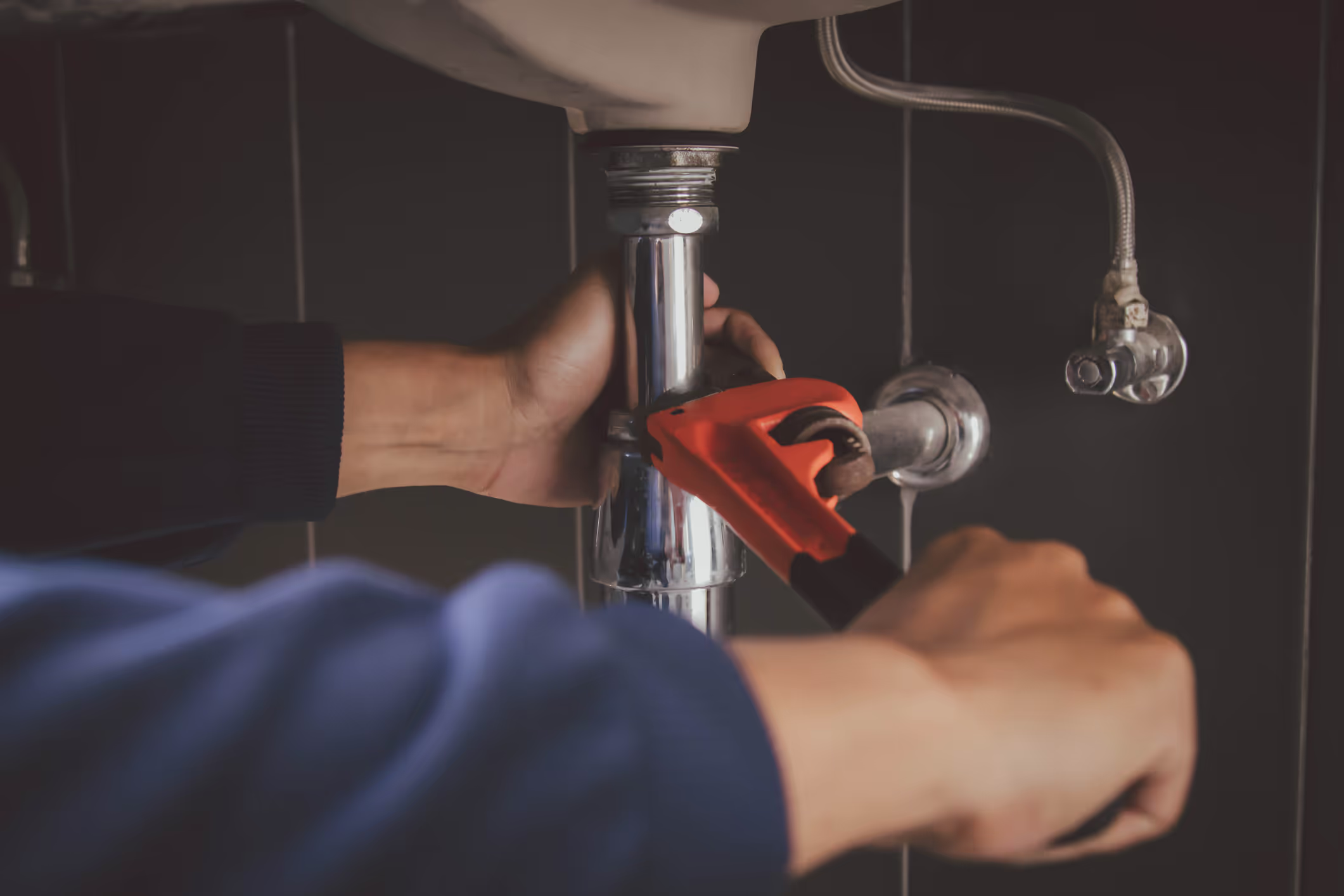
From leaks to full system installs, our plumbing services cover everything you need for a safe, reliable home water system, 24/7.
Our Primary Plumbing Include:
- Water Heater Replacement
- Water Heater Repair
- Trenchless Sewer Line
- Water Filtration
- Slab Leak
- Sewer Line Repair
Don't see the service you need? Call our Team today!
ELECTRICAL

Our electrical services ensure your home stays safe and powered, from routine fixes to complete system upgrades.
Our Primary Electrical Services Include:
- House Rewiring
- Electrician
- Electric Panel Upgrade
- Electric Panel Replacement
- EV Chargers
- Whole House Generator
Don't see the service you need? Call our Team today!
HEATING

We install, repair, and maintain heating & furnace systems with expert care to keep your Colorado home comfortable and energy-efficient year-round.
Our Primary Heating Services Include:
- Heating Installation
- Heating Replacement
- Heating Maintenance
- Heating Repair
- Heating Service
- Heating Tune-Up
Don't see the service you need? Call our Team today!