That First Chilly Night: Navigating Your Autumn Heating Transition
The temperature has suddenly dropped, you have crossed the first item off your seasonal home maintenance checklist by flipping the thermostat from cooling to heating, and almost immediately, a dusty, burning odor fills the hallway. That strange smell isn't going away on its own, and you are left wondering if your furnace is failing right as the weather turns. In our years of preparing Denver homes for winter, our veteran-led team has found that this exact moment—the initial October heating startup—is when most homeowners realize their system might not be ready for the months ahead.
When the first chilly night arrives, your heating system wakes up from a long summer hibernation. It is entirely common to notice unexpected dusty smells, odd clicking noises, or minor electrical quirks as the blower motor and heat exchangers engage for the first time in months. The immediate concern for most homeowners is safety: knowing the difference between harmless startup dust and a stressed system that requires a professional annual heating check.
Deciding whether to ignore these early autumn quirks or book a comprehensive evaluation is the most critical decision you will make for your home's comfort this season. As a local contractor evaluating the whole home—spanning HVAC, plumbing, and electrical systems—we see firsthand how interconnected these components are. A successful transition to winter heating requires more than just swapping an air filter; it demands a thorough understanding of how your entire house handles the sudden shift in energy demand.
Normal Settling vs. System Stress: What to Watch For
When our technicians perform October heating startups in the Denver metro area, we consistently see systems undergoing rapid thermal expansion. Dust and microscopic debris naturally settle on heat exchangers and heating elements during the summer cooling months. When these components heat up for the first time, that dust burns off, causing a temporary dusty or slightly burning smell. This is standard settling and usually dissipates within an hour or two of continuous operation.
However, a pattern we see often in our unpredictable four-season climate is that rapid October temperature drops put unique stress on HVAC systems. Systems are frequently forced to rapidly cycle between cooling during a sunny afternoon and heavy heating overnight. This erratic demand can expose underlying weaknesses that were masked during milder weather.
Signs of System Stress to Watch For:
• Short-cycling: If your furnace or heat pump turns on, runs for only a few minutes, and abruptly shuts off before the house reaches the target temperature, the system is struggling. This can be caused by airflow restrictions, failing sensors, or electrical constraints.
• Persistent Odors: While a brief dusty smell is normal, a lingering scent of melting plastic, ozone, or acrid electrical burning is a red flag that wiring or motors are overheating.
• Electrical Dimming: If the lights in your living room dim significantly every time the heating unit kicks on, your electrical panel may be struggling to supply the necessary amperage.
To help you decode what your system is telling you, here is a quick reference guide our team uses for fall heating startups:
• Startup Odors — Normal Settling: Brief dusty smell lasting 1-2 hours — System Stress (Requires a Pro): Persistent burning plastic or electrical odor
• Operating Cycles — Normal Settling: Consistent 15-20 minute heating cycles — System Stress (Requires a Pro): Rapid short-cycling (on/off every 3 minutes)
• System Noises — Normal Settling: Mild clicking as relays engage, duct expansion pops — System Stress (Requires a Pro): Grinding metal, loud banging, or electrical buzzing
• Power Draw — Normal Settling: No noticeable impact on home lighting — System Stress (Requires a Pro): House lights dim noticeably when the blower engages
Ignoring persistent smells or electrical dimming now almost guarantees a mid-winter breakdown when the system is under maximum load. Recognizing these signs early allows you to address them before the first deep freeze sets in.

The Multi-Trade Advantage for Heavy Winter Workloads
Evaluating a heating unit in isolation is rarely enough to guarantee winter reliability. The relationship between your home's electrical panel capacity and the intense demands of modern heating systems is deeply intertwined. This is especially true for heat pumps. While highly efficient during mild fall weather, heat pumps must engage auxiliary electric resistance heating strips when temperatures plummet. These strips draw a massive amount of amperage, placing a sudden and heavy load on your home's electrical infrastructure.
If your electrical panel is outdated or near capacity, that sudden draw can lead to tripped breakers, damaged wiring, or premature compressor failure. Understanding how heat pumps work in a four-season climate means recognizing that the electrical backbone of your house must be just as robust as the HVAC equipment itself. If you are considering upgrading your system to handle these loads, keep in mind that federal tax credits and local utility incentives may apply to qualifying high-efficiency heat pump installations—we always advise readers to verify current programs with their utility provider or a tax professional.
Precision and Accountability
Working with a veteran-owned company means you are getting the same level of discipline and accountability that military service demands. We apply this multi-trade proficiency to ensure no detail of your electrical, plumbing, or HVAC system is overlooked. We recommend a comprehensive evaluation over a quick furnace check because we frequently see how an outdated electrical panel can cripple a brand-new heating system. When our technicians evaluate your home, they aren't just looking at the furnace burners; they are verifying that the circuit breakers, wiring gauges, and disconnect boxes are rated for the heavy winter workloads ahead.
Furthermore, high-efficiency systems demand precise installation and evaluation standards. As a certified Midea Elite dealer, our technicians are trained to recognize the specific voltage requirements and airflow tolerances of advanced inverter-driven systems. By looking at the electrical, plumbing, and HVAC systems as a unified whole, we prevent overlapping issues—like a frozen condensate drain line causing an electrical short—during a deep winter freeze.
Real Feedback: The Value of Honest, Pressure-Free Diagnostics
A disciplined, multi-trade approach translates directly into peace of mind for the homeowner. When you invite our team into your home for seasonal maintenance, you should feel confident that you are receiving top-tier workmanship and honest diagnostics, rather than a high-pressure sales pitch.
One pattern we see often is homeowners growing deeply frustrated with the hidden fees and untrustworthy guarantees common in the home service industry. Just last fall, a local customer in the Denver metro area reached out to us for this exact reason. By eliminating trip fees entirely, offering lifetime warranties on parts and labor, and backing our work with a money-back guarantee, we were able to establish a refreshingly honest approach that prioritizes long-term trust over a quick sale.
This level of integrity is exactly what you need when facing a potential heating issue in the fall. Honest advice means our technicians will clearly explain why a dusty smell is harmless, or conversely, show you the exact voltage drop that indicates a failing blower motor. Punctual service, clear explanations, and a refusal to aggressively upsell are the cornerstones of our maintenance philosophy. When you trust your contractor to provide transparent diagnostics, you secure the long-term reliability of your home's heating system without the anxiety of second-guessing the recommendations.
Inside a Professional Annual Heating Check
There is a vast difference between basic DIY seasonal chores and a professional annual heating check. While changing your air filters, sealing drafty windows, and cleaning your gutters are excellent steps for winterizing your home, they do not address the complex mechanical and electrical needs of your HVAC system. A proper October heating startup inspection requires specialized tools, licensed expertise, and a meticulous process.
A recent property owner contacted us during the winter, needing reliable and honest technicians to maintain their rental properties after a friend's referral. Our team arrived, wore shoe covers, introduced themselves respectfully, and got straight to work—providing the kind of thorough, affordable service that earns strong community referrals. That same level of respect and diligence goes into every annual heating check we perform.
The Evaluation Process
1. Testing Electrical Draws and Connections: Our technicians use multimeters to measure the exact amperage and voltage being drawn by the blower motor, compressor, and auxiliary heat strips. Loose connections are tightened to prevent arcing and electrical fires.
2. Inspecting Heat Exchangers: For gas furnaces, the heat exchanger is visually inspected for hairline cracks. Even a microscopic crack can allow dangerous carbon monoxide to leak into your home's air supply.
3. Verifying Airflow and Static Pressure: We measure the static pressure within the ductwork to ensure the system is pushing the correct volume of air. Poor airflow forces the system to work harder, driving up energy costs and accelerating wear.
4. Calibrating Safety Switches: Modern heating systems are equipped with high-limit switches and flame sensors designed to shut the system down if it overheats or fails to ignite properly. These sensors are cleaned and tested for exact responsiveness.
5. Evaluating Thermostat Communication: The technician verifies that the thermostat is sending the correct signals to both the heating unit and the electrical panel, ensuring smooth transitions between heating stages.
This level of detailed, multi-trade inspection prevents emergency service calls later in the year. By catching a weak capacitor or a dirty flame sensor now, you avoid waking up to a freezing house in January.
Transparent Service Without the Surprises
Trusting a home service contractor is about experiencing consistent, honest communication from the very first phone call to the final project completion. We know from our daily operations that navigating home repairs can be stressful, which is why our front office and technicians prioritize making the process easy and understandable for every homeowner.
Another customer reached out to us last autumn, anxious about navigating trust and confidence when choosing a new home service company. Our team made the entire process transparent and straightforward, helping the customer gain full confidence in our recommendations. We eliminate the guesswork by removing trip fees entirely, ensuring you never pay just to have a professional diagnose the problem.
For homeowners looking to streamline their seasonal preparations, joining our comprehensive maintenance plan is a strategy we highly recommend. Our Basic Care plan includes an annual heating check, an annual plumbing check (including a water heater flush), and an annual cooling startup. Beyond the thorough inspections, plan members receive priority scheduling. As a trusted Midea Elite dealer, we ensure our maintenance members are scheduled ahead of non-members, guaranteeing your system is evaluated and optimized well before the first major freeze hits.
Common Questions About Fall Heating Transitions
Is a dusty smell normal when turning on the heater?
Yes, in our experience, it is entirely normal to experience a brief dusty odor during your initial fall heating startup. Over the summer, dust and airborne particles settle on the heat exchangers and heating elements. When the system ignites, this dust burns off harmlessly. The smell should dissipate quickly within an hour or two; however, if you notice lingering smells of burning plastic or ozone, shut the system down and call an expert immediately.
Why is my heat pump short cycling in fall?
Short cycling can be caused by rapid temperature fluctuations that confuse the thermostat, or by underlying electrical panel constraints. When a heat pump turns on and off rapidly without reaching the set temperature, it places immense strain on the compressor. This requires professional diagnostics to resolve, as continuing to run a short-cycling system can lead to catastrophic equipment failure.
What does an annual heating check include?
A professional annual heating check goes far beyond changing an air filter. It includes a comprehensive evaluation of electrical draws, the cleaning of safety switches and flame sensors, an inspection of the heat exchanger for cracks, and verification of system airflow. Our multi-trade approach ensures both the mechanical and electrical components are ready for heavy winter loads.
How do I prepare my house for winter?
Beyond standard DIY tasks like replacing air filters, sealing drafts around doors, and testing smoke detectors, you must prioritize a professional HVAC and electrical system review. Ensuring your electrical panel can support auxiliary heating loads and verifying that your furnace is operating safely are the most critical steps in winterizing a house.
What are the signs of an electrical issue during heating startup?
The most common signs of an electrical issue we see include house lights dimming when the heating unit kicks on, frequently tripped circuit breakers, or unusual buzzing sounds coming from the electrical panel. These are critical warning signs that your system is drawing more power than your infrastructure can safely handle, requiring a multi-trade professional to intervene immediately.
Secure Your Home's Winter Reliability Today With Our Seasonal Home Maintenance Checklist
There is profound peace of mind that comes from knowing your home is fully prepared for whatever winter brings. By addressing the quirks of your October heating startup early, you protect your family from unexpected breakdowns and ensure your system operates at peak efficiency.
Don't wait until the first major freeze leaves you shivering in the dark. Trust our disciplined, veteran-led team to evaluate your entire home—from the electrical panel to the heat exchanger. Schedule your annual heating check today and cross the most important item off your seasonal home maintenance checklist with complete confidence.
ABOUT Veteran Heating, Cooling, Plumbing & Electric
Veteran Heating, Cooling, Plumbing & Electric was founded on the belief that service should be personal, honest, and community-focused. Our team is built around integrity, professionalism, and a true commitment to your home’s comfort and safety.
Led by a U.S. Army veteran with over 30 years of industry experience, we’re proud to remain locally owned and operated. Every technician, plumber, and electrician is EPA-certified, background checked, and driven to exceed expectations.
- 24/7 ServiceWe offer weekend & 24/7 emergency service. We’re here whenever you need us—day, night, or weekend, no exceptions.
- $0 Trip FeesNo dispatch or trip fees. You’ll never pay just for us to show up—service starts when the work does.
OUR SERVICES
AIR CONDITIONING
.jpg)
We offer specialty and seasonal services like indoor air quality upgrades, pre-winter furnace checks, and summer AC tune-ups to keep your home prepared year-round.
Our Primary Air Conditioning Services Include:
Don't see the service you need? Call our Team today!
PLUMBING
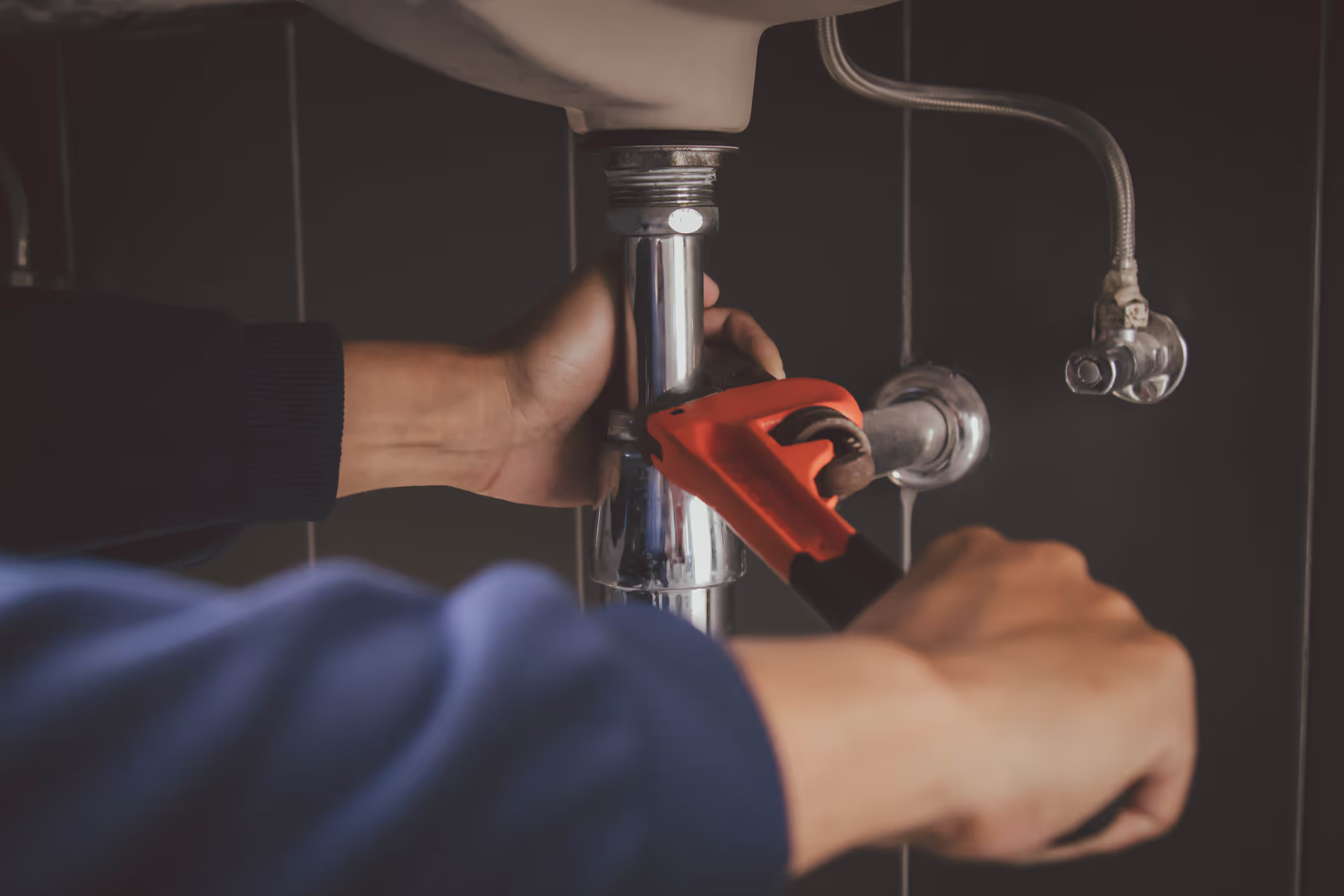
From leaks to full system installs, our plumbing services cover everything you need for a safe, reliable home water system, 24/7.
Our Primary Plumbing Include:
- Water Heater Replacement
- Water Heater Repair
- Trenchless Sewer Line
- Water Filtration
- Slab Leak
- Sewer Line Repair
Don't see the service you need? Call our Team today!
ELECTRICAL

Our electrical services ensure your home stays safe and powered, from routine fixes to complete system upgrades.
Our Primary Electrical Services Include:
- House Rewiring
- Electrician
- Electric Panel Upgrade
- Electric Panel Replacement
- EV Chargers
- Whole House Generator
Don't see the service you need? Call our Team today!
HEATING
.jpg)
We install, repair, and maintain heating & furnace systems with expert care to keep your Colorado home comfortable and energy-efficient year-round.
Our Primary Heating Services Include:
- Heating Installation
- Heating Replacement
- Heating Maintenance
- Heating Repair
- Heating Service
- Heating Tune-Up
Don't see the service you need? Call our Team today!