The Hidden Risks of the First Fall Heating Cycle
According to recent National Fire Protection Association data, heating equipment is a leading cause of home fires, making accurate home maintenance tips and troubleshooting essential before the winter freeze arrives. When the seasons change and temperatures begin to drop, your heating system is called upon to perform after months of sitting completely dormant. In our years of servicing Denver homes, we've learned that the initial mid-fall October heating start-up is a critical moment for your equipment. Parts have settled, dust has accumulated, and minor wear-and-tear from the previous winter has had time to degrade internal components.
The first deep freeze of the year often exposes dormant system issues that were entirely invisible during the hot summer months. Homeowners frequently turn on their furnace or heat pump expecting immediate, reliable warmth, only to be met with strange odors, unsettling noises, or lukewarm air. Knowing the difference between harmless start-up quirks and critical mechanical failures is absolutely essential for your home's safety. Ignoring a serious warning sign can lead to total system failure, while panicking over normal seasonal behaviors can result in unnecessary stress.
As we prepare for the colder months, understanding exactly how your system should operate during its first run of the season gives you the power to make informed decisions. A proactive approach to identifying symptoms ensures that your family stays safe, warm, and comfortable when the harsh winter weather inevitably sets in.
Why Dormant Systems Struggle in Dry, High-Altitude Climates
Heating systems sit idle for months during the summer, accumulating significant amounts of debris, pet dander, and dust. Our technicians see firsthand how the Denver metro area's unique environmental factors make this dormant period particularly stressful on HVAC equipment. High altitude and incredibly dry air exacerbate dust collection on sensitive internal components, especially the heat exchanger and blower motor. Because the air lacks moisture, airborne particulates are lighter and circulate more freely, settling deep inside the furnace cabinet while the system is turned off.
When you initiate that first heating cycle, the system is forced to wake up and immediately process all of this accumulated debris. The dry climate means that moving parts, such as bearings and belts, may also lack the natural ambient lubrication that higher humidity environments provide, increasing the friction during that initial start-up sequence.
Furthermore, rapid temperature drops put sudden, extreme loads on mechanical components. In our region, it is not uncommon for a warm autumn afternoon to plummet into freezing temperatures overnight. This drastic shift forces the heating system to work at maximum capacity almost instantly. The metal components inside your furnace expand and contract rapidly under these sudden temperature variations. If the system is coated in a thick layer of high-altitude dust, it insulates the heat exchanger incorrectly, forcing the equipment to work harder and run hotter than designed just to push warm air into your living spaces.
Normal Dust Burn-Off vs. Dangerous Electrical Smells
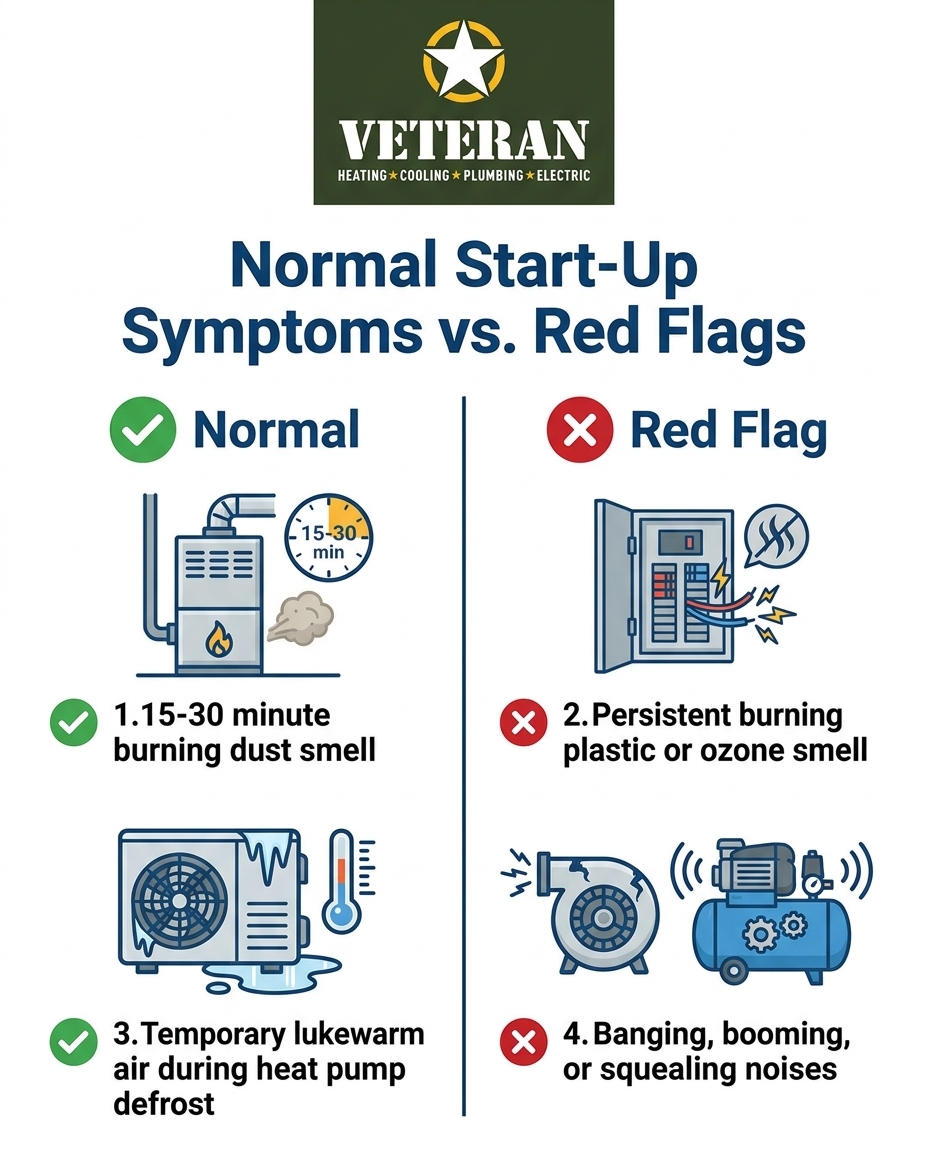
Every October, our dispatchers field dozens of calls from concerned homeowners about a distinct odor coming from their vents during a mid-fall heating start-up. A faint burning dust smell during the first 15 to 30 minutes of operation is completely standard. As the settled dust on the heat exchanger gets heated for the first time in months, it simply burns off. This odor should dissipate relatively quickly once the system reaches its normal operating temperature and the airborne particles are cleared out.
However, persistent burning smells, or odors that resemble melting plastic, burning rubber, or a sharp ozone scent, indicate an active electrical failure. These are not harmless quirks; they are immediate red flags. An ozone smell often points to an overheating blower motor, while melting plastic usually means wire insulation is actively degrading due to a short circuit or an overloaded electrical connection.
Homeowners should never attempt DIY electrical or gas diagnostics due to the severe safety risks involved. Opening the furnace cabinet to investigate a burning wire can expose you to high voltage or raw natural gas. Instead, recognizing the type of smell is your primary diagnostic tool.
When to Turn Off the System Immediately
If you identify the specific odors that signal wire damage or an overheating motor, our team strongly advises you to take immediate action to protect your home. Do not wait to see if the smell goes away.
• Step one: Go to your thermostat and switch the system from "Heat" to the "Off" position.
• Step two: Locate your home's main electrical panel and flip the dedicated breaker for the furnace or air handler to the "Off" position to completely sever the power supply.
• Step three: If you smell raw natural gas (often described as a rotten egg odor), evacuate the home immediately and contact your utility provider.
The importance of calling a professional rather than waiting it out cannot be overstated. Electrical issues do not resolve themselves, and continuing to run a compromised system can lead to irreversible equipment damage or a catastrophic fire hazard.
Decoding Heat Pump Performance and Lukewarm Air
For homeowners in the Denver metro area utilizing heat pumps, the transition from cooling to heating comes with its own unique set of performance characteristics. Unlike a traditional gas furnace that blasts highly heated air into the home, heat pumps may produce air that feels cooler to the touch. A furnace might deliver air at 120 degrees, while a heat pump typically delivers air around 90 to 95 degrees. Because human body temperature is 98.6 degrees, this air can feel lukewarm or even slightly cool against your skin, even though it is actively raising the ambient temperature of your home. This is often completely normal operation.
We often explain to our customers that understanding how the indoor and outdoor units are connected is crucial when evaluating your system's performance, especially during the defrost cycle. When outdoor temperatures drop into the 30s, moisture in the air can freeze on the outdoor coil. To protect the equipment, the heat pump will temporarily reverse its operation, pulling heat from inside the house to melt the outdoor frost. During this brief window, the system might pause, sound different, or blow cold air from your vents. This defrost cycle is a built-in protection mechanism, not a malfunction.
However, if the system blows cold air constantly and never recovers, you are looking at a mechanical issue. In our field experience, these signs often indicate that the reversing valve—the component responsible for switching the unit between cooling and heating modes—is physically stuck. Alternatively, compromised refrigerant levels due to a leak will prevent the system from absorbing and transferring heat effectively, requiring professional calibration to restore proper function.
Start-Up Noises That Demand Military-Precision Diagnostics
Your heating system should operate with a consistent, predictable hum. When that hum is replaced by aggressive or unusual sounds, it is your equipment's way of signaling a mechanical struggle. Accurately categorizing these common HVAC noises is the first step, but understanding why accurate, expert diagnostics are critical is what saves your system from premature failure. As a veteran-owned Elite Midea dealer, our crews rely on military-precision, honest diagnostics to ensure these noises are properly identified at the root cause, providing solutions without unnecessary upselling.
• Banging or booming on start-up: This often indicates delayed gas ignition. When the burners fail to light immediately, gas builds up inside the combustion chamber. When it finally ignites, it creates a small explosion. This is a serious safety hazard that can crack your heat exchanger and leak carbon monoxide into your home.
• Squealing or screeching: This high-pitched noise typically points to failing blower motor belts or bearings that have lost their lubrication over the summer. Left unchecked, the motor will seize entirely, leading to a costly replacement.
• Rattling or vibrating: A persistent rattle suggests loose cabinet panels, unbalanced blower wheels, or failing internal components that need immediate securing before they cause collateral damage to surrounding parts.
• Clicking without firing: Repeated clicking usually means the spark igniter or flame sensor is dirty or failing, preventing the system from verifying a safe flame and shutting down as a precaution.
Accurate diagnostics prevent minor, inexpensive issues from cascading into total system failure. A loose bearing is a simple fix; a shattered blower wheel that tears through the furnace cabinet is a major disaster.
Protecting Your Investment with Elite-Level Maintenance
Modern HVAC systems are highly complex, precision-engineered machines. They require specialized knowledge to calibrate safely and efficiently. Gone are the days when a homeowner could simply adjust a pilot light and clean a filter to ensure winter readiness. Today's high-efficiency furnaces and variable-speed heat pumps rely on intricate computer boards, precise gas pressures, and exact electrical amp draws to function properly.
Working with certified experts, particularly an Elite Midea dealer, ensures that your equipment is serviced exactly to manufacturer specifications. This level of professional oversight is not just about performance; it ensures that your valuable equipment warranties remain strictly intact. Manufacturers require proof of routine, professional maintenance to honor warranty claims on major components like compressors and heat exchangers. Staying up-to-date with professional maintenance can also help your system qualify for generic local utility incentive programs or federal tax credits if you eventually need to upgrade to a high-efficiency model—though you should always verify current programs with your utility or a tax professional.
In our daily operations, we see how routine professional maintenance plans, like our Basic Care program, provide essential ongoing protection. Beyond the comprehensive annual checks for your heating and cooling equipment, these plans offer priority scheduling before peak winter demand hits. When the first major blizzard rolls in and service boards fill up across the city, having a proactive maintenance plan means your home is prioritized, ensuring you are never left waiting in the cold for critical support.
The Real-World Impact of Proactive Fall Inspections
Ignoring early warning signs during a mid-fall October heating start-up often leads to emergency no-heat situations during the absolute worst weather. October in Denver sees average lows rapidly dropping into the 30s, making immediate system reliability crucial. A furnace that struggles slightly in October will likely fail completely when forced to run continuously during a sub-zero December night.
Prompt dispatch of reliable technicians can restore heat quickly and efficiently, preventing a minor inconvenience from becoming a freezing emergency. In our years of restoring heat across the Front Range, one pattern our veteran-led team sees frequently is the difference a highly organized, disciplined approach makes when the weather turns hostile. For example, during a recent winter home project, our technicians were tasked with a complex, multi-day installation. By applying focused logistics and efficient teamwork, the crew completed the massive two-day job in just a single day, leaving the property with zero complaints and fully restored comfort ahead of schedule.
That level of execution is exactly what you need when facing a heating crisis. Proactive fall inspections provide the peace of mind that comes from knowing your home is truly winter-ready. By identifying the worn belts, the dirty flame sensors, and the weak capacitors before they break, you secure your family's comfort and avoid the stress of an unexpected breakdown.
Home Maintenance Tips and Troubleshooting: Secure Your Home's Comfort Before the Deep Freeze
As the Denver metro area braces for the inevitable winter chill, taking control of your home's heating performance is the smartest investment you can make. Don't let a normal seasonal dust burn-off mask a serious mechanical issue, and never ignore the banging, squealing, or electrical smells that signal a system in distress. Understanding these home maintenance tips and troubleshooting steps empowers you to act decisively when your equipment needs help.
Trust the veteran-owned team at Veteran Heating, Cooling, Plumbing & Electric to provide the reliable, punctual, and highly disciplined service your home deserves. We approach every diagnostic call with the precision required to keep your family safe and warm. Schedule a comprehensive system check today, and step into the winter season with absolute confidence in your home's comfort.
Frequently Asked Questions
Why does my heater smell like burning dust when I turn it on?
During the summer months, your heating system sits idle, allowing dust and airborne particles to settle directly on the heat exchanger. When you turn the system on for the first time in the fall, the heat exchanger warms up and physically burns off this accumulated layer of debris. This creates a distinct, albeit harmless, burning dust odor that circulates through your vents.
How long should a furnace smell like burning dust?
A normal dust burn-off smell should only last for the first 15 to 30 minutes of the system's initial heating cycle. Once the settled debris has been incinerated and cleared from the heat exchanger, the smell will naturally dissipate. If the odor persists for hours or returns every time the system cycles on, it may indicate a clogged filter or a more serious mechanical issue.
What are the signs my heat pump is failing?
When our technicians inspect failing heat pumps, common warning signs include the system blowing continuously cold air without recovering, strange grinding or squealing noises from the outdoor cabinet, and unusually high energy bills. Additionally, if the outdoor unit is encased in solid ice that the defrost cycle cannot melt, the system is struggling to operate correctly. Any of these symptoms warrant an immediate professional inspection.
When should I call a professional for furnace noises?
You should call a professional immediately if you hear loud banging or booming upon start-up, as this indicates delayed gas ignition—a severe safety risk. Squealing, screeching, or heavy metallic rattling also require expert attention before minor component wear turns into catastrophic equipment damage. Normal operation should only produce a steady, quiet hum of moving air.
Is it safe to troubleshoot my furnace myself?
It is safe to perform basic tasks like changing your air filter, checking your thermostat settings, and ensuring your vents are unblocked. However, it is never safe to attempt DIY repairs on internal electrical components, gas valves, or blower motors. Modern HVAC systems utilize high voltage and raw natural gas, making amateur repairs incredibly dangerous and likely to void your manufacturer warranty.
ABOUT Veteran Heating, Cooling, Plumbing & Electric
Veteran Heating, Cooling, Plumbing & Electric was founded on the belief that service should be personal, honest, and community-focused. Our team is built around integrity, professionalism, and a true commitment to your home’s comfort and safety.
Led by a U.S. Army veteran with over 30 years of industry experience, we’re proud to remain locally owned and operated. Every technician, plumber, and electrician is EPA-certified, background checked, and driven to exceed expectations.
- 24/7 ServiceWe offer weekend & 24/7 emergency service. We’re here whenever you need us—day, night, or weekend, no exceptions.
- $0 Trip FeesNo dispatch or trip fees. You’ll never pay just for us to show up—service starts when the work does.
OUR SERVICES
AIR CONDITIONING

We offer specialty and seasonal services like indoor air quality upgrades, pre-winter furnace checks, and summer AC tune-ups to keep your home prepared year-round.
Our Primary Air Conditioning Services Include:
Don't see the service you need? Call our Team today!
PLUMBING
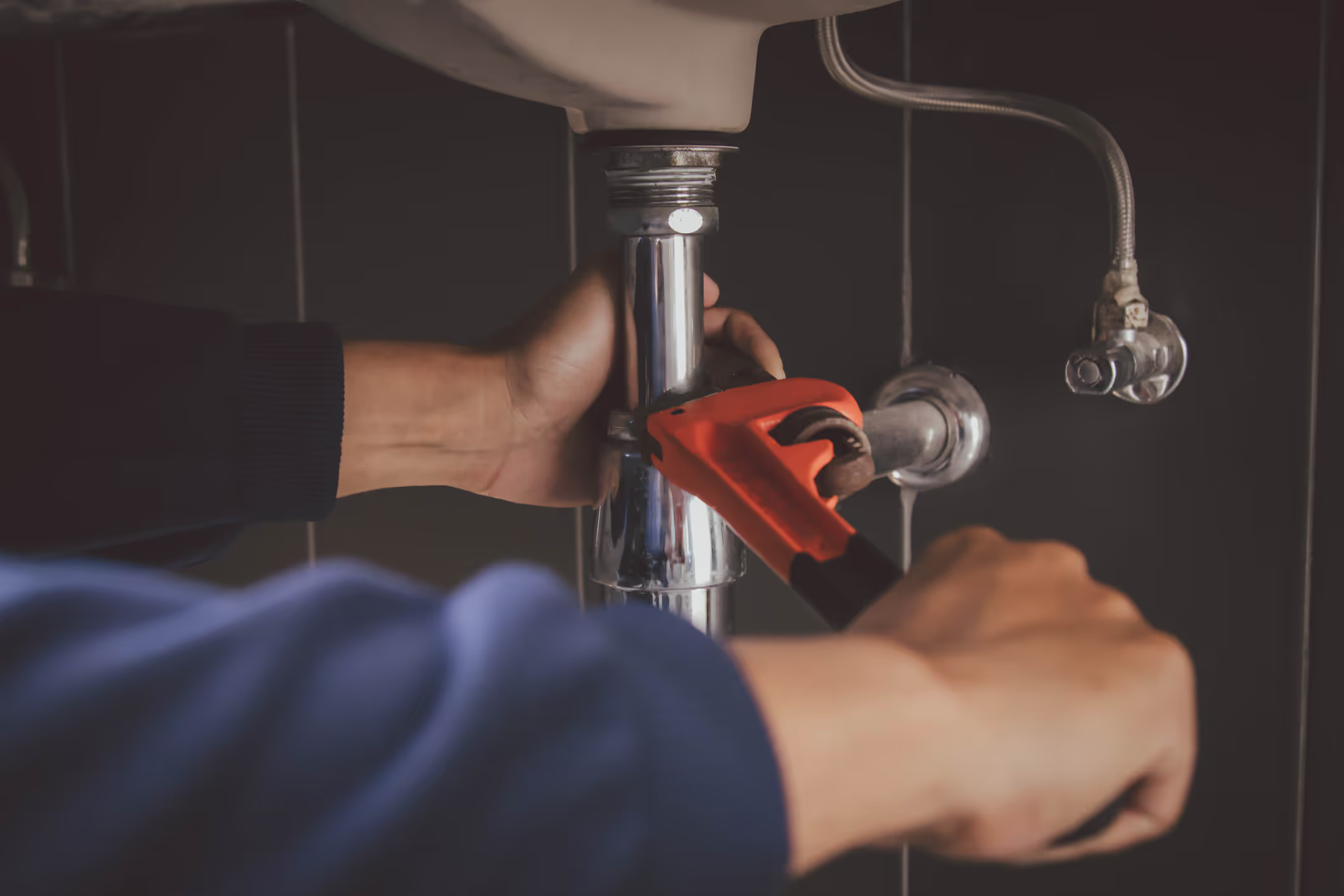
From leaks to full system installs, our plumbing services cover everything you need for a safe, reliable home water system, 24/7.
Our Primary Plumbing Include:
- Water Heater Replacement
- Water Heater Repair
- Trenchless Sewer Line
- Water Filtration
- Slab Leak
- Sewer Line Repair
Don't see the service you need? Call our Team today!
ELECTRICAL

Our electrical services ensure your home stays safe and powered, from routine fixes to complete system upgrades.
Our Primary Electrical Services Include:
- House Rewiring
- Electrician
- Electric Panel Upgrade
- Electric Panel Replacement
- EV Chargers
- Whole House Generator
Don't see the service you need? Call our Team today!
HEATING

We install, repair, and maintain heating & furnace systems with expert care to keep your Colorado home comfortable and energy-efficient year-round.
Our Primary Heating Services Include:
- Heating Installation
- Heating Replacement
- Heating Maintenance
- Heating Repair
- Heating Service
- Heating Tune-Up
Don't see the service you need? Call our Team today!