The First October Cold Snap: Navigating Strange Furnace Smells and Noises
You turn on your thermostat as the first real chill of autumn hits, expecting a comforting wave of warm air. Instead, you get a strange burning odor and a mechanical clank that echoes through the vents. This is exactly when getting your common homeowner questions answered becomes an urgent priority. A mid-fall October heating startup shouldn't feel like a guessing game, but for many homeowners, the initial switch from cooling to heating brings a wave of anxiety. You find yourself standing near the vent, wondering if your home is safe or if you are about to face a major repair bill.
In our years of diagnosing Denver heating systems at Veteran Heating, Cooling, Plumbing & Electric, we know that you are facing a critical decision point: determining whether these strange symptoms are harmless seasonal quirks or early warning signs of actual mechanical failure. Every October, our team fields countless calls from residents worried about their heating equipment. We have seen everything from dusty heat exchangers to failing blower motors, and our technicians know exactly how to tell the difference.
When you need reliable answers, the benefits of a multi-trade HVAC, plumbing, and electrical company quickly become clear. Furthermore, choosing a veteran-owned home services company ensures you get honest assessments and real peace of mind without the high-pressure sales tactics.
Decoding Burning Smells: Dust Burn-Off vs. Electrical Hazards
One of the most frequent concerns our technicians address during the fall transition is the unmistakable smell of burning. Understanding the science behind this odor can save you a lot of stress. Over the summer months, dust, pet dander, and airborne particles settle on your furnace's heat exchanger and internal components. Denver's high altitude and famously dry summer climate actually exacerbate this dust buildup in dormant HVAC systems. When the burners ignite for the first time in months, that accumulated layer of debris instantly incinerates.
While a brief dusty odor is perfectly normal, other smells indicate a serious safety hazard. Knowing how to categorize these scents is vital for protecting your home and your family.
• Light, dusty burning smell — Likely Cause: Summer dust burning off the heat exchanger — Required Action: Monitor; should dissipate within a few hours
• Acrid, melting plastic smell — Likely Cause: Overheating electrical wires or foreign objects in vents — Required Action: Turn off system immediately and call a professional
• Rotten egg or sulfur smell — Likely Cause: Natural gas leak — Required Action: Evacuate home, leave doors open, call gas company
• Musty, damp gym sock smell — Likely Cause: Bacterial growth on the indoor coil — Required Action: Schedule a professional coil cleaning and IAQ check
When to Wait It Out
If you detect a brief, light dusty smell on the very first startup of the season, you generally do not need to panic. The timeline matters: normal odors should fade quickly, usually within the first one to two hours of continuous operation. As long as the smell is mild and does not trigger your smoke alarms, simply opening a few windows to ventilate the house is usually the best course of action. This is a natural part of the seasonal transition.
When to Shut Down the System
Conversely, any smell resembling melting plastic, ozone, or electrical wiring requires immediate action. These scents often point to a failing motor, a seized bearing, or compromised electrical connections. Strong, persistent odors lasting beyond the first day of use indicate a mechanical or electrical issue that needs professional diagnosis. If you smell rotten eggs, you are dealing with a potential gas leak. In these scenarios, shut off your system at the thermostat and seek professional help right away.
Banging, Popping, and Grinding: When to Worry About Startup Noises
Your heating system is a large piece of mechanical equipment, and it will never operate in absolute silence. However, the type of noise it makes tells a distinct story about its health. Normal operational noises often include a light popping or ticking sound. This is simply the sound of your metal ductwork expanding and contracting as warm air rapidly fills cold metal. It is harmless and entirely expected.
Abnormal noises are a completely different story. The problem: You hear a loud, rattling grind or a violent booming sound when the heat kicks on. The cause: A grinding noise typically points to failing blower motor bearings or a misaligned fan belt. A loud boom—often described as a small explosion—is usually caused by delayed gas ignition. Dirt or carbon buildup on the burners prevents the gas from igniting immediately; gas builds up in the chamber, and when it finally catches, it creates a miniature shockwave. The solution: These issues require a licensed technician to clean the burners, recalibrate the ignition sequence, or replace failing mechanical components before they shatter.
In our daily service calls across the Denver metro area, we see how quickly a seemingly minor rattle can evolve into a major breakdown if ignored. During a recent fall cold snap, our crews responded to a local homeowner who experienced a sudden furnace malfunction causing unexpected heating issues. Because it was an urgent cold weather failure, our team arrived promptly and provided efficient, professional repair service. The furnace problem was fixed quickly with reliable results, preventing the home from dropping to freezing temperatures overnight. Prompt, dependable service calls isolate these noises before they cause total system failure.

Why Immediate Diagnosis Matters in the Denver Metro Area
Living in the Denver metro area means accepting unpredictable and often extreme weather shifts. The rapid temperature drops typical of our region in October can see daytime highs in the 70s plunge into the 30s overnight. This volatile climate leaves zero room for error when it comes to your home's heating reliability.
The risk of waiting to diagnose a strange noise or smell is incredibly high. A struggling system forced to work overtime during a sudden freeze is highly likely to fail completely. When a compromised blower motor or a dirty flame sensor is suddenly asked to run for ten hours straight to fight off freezing temperatures, the strain is often too much. What could have been a simple adjustment in early October turns into a catastrophic failure mid-month.
This is a pattern we see often, which is why proactive maintenance is non-negotiable for local homeowners. Scheduling a Service to Heroes HVAC inspection allows a professional to verify system safety before the severe weather hits. Early detection prevents emergency, no-heat scenarios in December. By addressing minor symptoms immediately, you protect your equipment from compounded damage and ensure your family stays warm when the first major snowstorm arrives.
Military Precision Diagnostics and Elite Equipment Expertise
Diagnosing modern heating equipment requires far more than just a quick visual check. As a veteran-owned company, the team at Veteran Heating, Cooling, Plumbing & Electric leverages our military background to bring precision, discipline, and absolute honesty to every diagnostic process. We do not believe in guesswork or throwing parts at a problem until something works. Instead, we utilize a disciplined, step-by-step diagnostic framework that ensures accurate mechanical failure detection.
Today's high-efficiency heating systems are highly complex, featuring variable-speed motors, sophisticated control boards, and delicate sensors. Accurately evaluating these components requires a high level of technical standard and rigorous ongoing education.
• Systematic testing: We measure electrical draw, verify gas pressure, and test safety switches in a specific sequence to isolate the exact point of failure.
• Manufacturer protocols: We follow strict factory guidelines to ensure the equipment operates exactly as engineered.
• Honest assessments: Our disciplined approach means we only recommend replacing parts that have actually failed or are objectively out of tolerance.
As a certified Midea Elite dealer, our specialized manufacturer training allows for precise troubleshooting of both gas furnaces and advanced heat pumps. This elite equipment expertise means we can quickly identify whether a symptom is a minor calibration issue or a major component failure. Ultimately, this thorough, honest diagnostic process saves homeowners from unnecessary parts replacements and provides absolute confidence in their heating system.
Building Trust: Why Local Homeowners Rely on Our Multi-Trade Expertise
When you invite a technician into your home, you are placing a great deal of trust in their character and competence. We directly address homeowner concerns by showcasing a reputation built on honesty, efficiency, and a deep respect for your property. True peace of mind comes from hiring technicians who prioritize respect for the home—this means wearing shoe covers, providing clear introductions, and treating your living space as if it were their own.
Just last fall, our crews helped a local homeowner who needed a complete new heat pump installation as part of a home improvement project. Our team went above and beyond to professionally install the system and answer all their questions, ensuring the new heat pump was fully installed to their complete satisfaction. That level of dedication is the standard for every call we take, whether it is a massive installation or a routine fall tune-up.
Upfront, honest communication during the repair or installation process is a cornerstone of our service. You will always know exactly what we are doing and why we are doing it. Beyond the immediate technical work, our commitment to the community runs deep. By investing in the Service to Heroes program, we actively give back to those who serve. Combining these multi-trade capabilities with our core values creates a seamless, reliable customer experience that local residents have come to depend on year after year.
Managing Indoor Air Quality During the Fall Transition
The shift from cooling to heating impacts more than just the temperature of your home; it significantly alters your indoor air quality (IAQ). Turning on the furnace for the first time can rapidly dry out indoor air and circulate trapped summer dust throughout your living spaces. This sudden change can aggravate allergies, cause dry skin, and make the home feel less comfortable even if the temperature is perfectly set.
One of the most effective steps you can take is replacing your HVAC filters immediately before or after the first heating cycle. A fresh filter prevents that initial blast of accumulated summer dust from spreading into your ductwork and circulating through your bedrooms. It also ensures your blower motor doesn't have to strain against restricted airflow.
Furthermore, balancing your home's humidity during fluctuating temperatures is critical as the seasons change. Furnaces naturally dry out the air, which can make a 70-degree room feel chilly and uncomfortable. We highly recommend evaluating your overall IAQ if allergy symptoms spike during the first week of heating. Adding a whole-home humidifier or upgrading your filtration system can dramatically improve your comfort as we head into the dry winter months.
Common Questions About Fall Heating Startups
Why does my heater smell like burning dust in the fall?
The burning dust smell occurs because dust and debris settle on your furnace's heat exchanger during the summer months when the system is dormant. When you turn on the heat for the first time, the burners ignite and instantly incinerate this accumulated dust. Based on the hundreds of fall maintenance calls our team fields every October, this odor is completely normal for the first cycle of the season. The smell should dissipate naturally within one to two hours of continuous operation as the system clears itself out.
How do I know if my furnace noise is dangerous or normal?
Normal noises include light clicking from the thermostat or a gentle popping sound as metal ductwork expands with the warm air. Dangerous noises are typically loud, disruptive, and mechanical in nature. If you hear loud grinding, metal-on-metal screeching, or violent booming sounds, these are clear signs of mechanical failure or delayed gas ignition. You should turn off the system immediately and have a professional evaluate the equipment to prevent further damage.
When should I schedule fall HVAC maintenance in Denver?
The ideal time to schedule your fall maintenance is in September or early October, right before the first major cold snap hits the region. Because local temperatures can drop rapidly into the freezing zone overnight, waiting until November often means risking a breakdown during a high-demand period. Proactive maintenance ensures your system is clean, calibrated, and ready to handle the heavy workload of a harsh winter season safely.
Can a delayed furnace ignition cause a loud booming noise?
Yes, delayed ignition is the most common cause of a loud boom or "bang" when a gas furnace starts up. This happens when the burners are dirty or misaligned, causing gas to pool in the combustion chamber before it finally catches a spark. When the accumulated gas ignites all at once, it creates a miniature explosion that shakes the unit. This is a serious safety issue that requires prompt professional cleaning and recalibration.
How long should the initial burning smell last when I turn on my heat pump?
If you rely on a heat pump, you might notice a burning smell when the system occasionally switches into defrost mode or if auxiliary heat strips engage for the first time. Similar to a gas furnace, this is usually just dust burning off the electrical heating elements. The odor should completely fade within a few hours. If the smell persists for more than a day or smells like melting plastic, it is time to call a technician.
What is the difference between normal duct expansion and a failing blower motor?
Normal duct expansion sounds like a series of light pops or pings that occur randomly as the ductwork heats up and cools down. It is a subtle, non-rhythmic sound. A failing blower motor, on the other hand, produces a continuous, rhythmic noise while the system is running. You might hear a harsh grinding sound (indicating bad bearings) or a loud squealing noise (indicating a failing belt or motor issue), both of which require immediate professional attention.
Get Professional Peace of Mind Before Winter Arrives
Distinguishing normal seasonal startup quirks from real mechanical threats is the key to a stress-free transition into the colder months. While a little bit of burning dust or a popping duct is nothing to lose sleep over, ignoring grinding noises or persistent electrical odors can lead to a freezing emergency when you least expect it. You do not have to navigate these warning signs alone.
Having a disciplined, veteran-led team evaluate your system provides the ultimate reassurance. We strongly encourage you to schedule a pre-winter inspection today. Getting clear criteria for distinguishing normal seasonal startup quirks from actual mechanical failures that require a licensed professional's pre-winter inspection ensures safe, reliable heat all season long.
ABOUT Veteran Heating, Cooling, Plumbing & Electric
Veteran Heating, Cooling, Plumbing & Electric was founded on the belief that service should be personal, honest, and community-focused. Our team is built around integrity, professionalism, and a true commitment to your home’s comfort and safety.
Led by a U.S. Army veteran with over 30 years of industry experience, we’re proud to remain locally owned and operated. Every technician, plumber, and electrician is EPA-certified, background checked, and driven to exceed expectations.
- 24/7 ServiceWe offer weekend & 24/7 emergency service. We’re here whenever you need us—day, night, or weekend, no exceptions.
- $0 Trip FeesNo dispatch or trip fees. You’ll never pay just for us to show up—service starts when the work does.
OUR SERVICES
AIR CONDITIONING
.jpg)
We offer specialty and seasonal services like indoor air quality upgrades, pre-winter furnace checks, and summer AC tune-ups to keep your home prepared year-round.
Our Primary Air Conditioning Services Include:
Don't see the service you need? Call our Team today!
PLUMBING
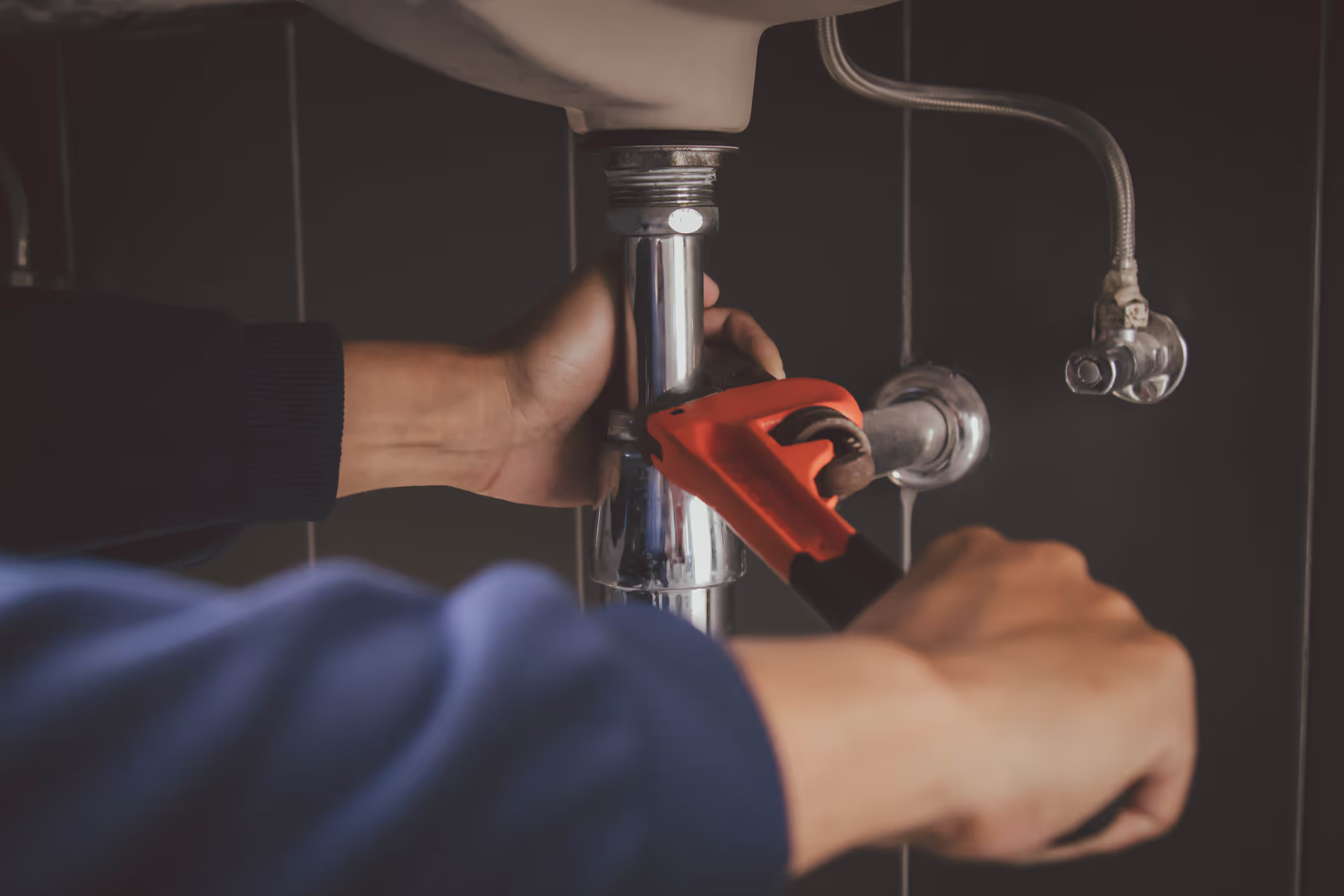
From leaks to full system installs, our plumbing services cover everything you need for a safe, reliable home water system, 24/7.
Our Primary Plumbing Include:
- Water Heater Replacement
- Water Heater Repair
- Trenchless Sewer Line
- Water Filtration
- Slab Leak
- Sewer Line Repair
Don't see the service you need? Call our Team today!
ELECTRICAL

Our electrical services ensure your home stays safe and powered, from routine fixes to complete system upgrades.
Our Primary Electrical Services Include:
- House Rewiring
- Electrician
- Electric Panel Upgrade
- Electric Panel Replacement
- EV Chargers
- Whole House Generator
Don't see the service you need? Call our Team today!
HEATING
.jpg)
We install, repair, and maintain heating & furnace systems with expert care to keep your Colorado home comfortable and energy-efficient year-round.
Our Primary Heating Services Include:
- Heating Installation
- Heating Replacement
- Heating Maintenance
- Heating Repair
- Heating Service
- Heating Tune-Up
Don't see the service you need? Call our Team today!