What Every Denver Area Homeowner Needs to Know About the AC Refrigerant Transition
How AC refrigerant changes affect homeowners comes down to a few key realities worth understanding right now:
• Your current system is not illegal. Existing R-22 and R-410A systems can still be used and serviced.
• New equipment standards changed on January 1, 2025. Systems manufactured after that date must use refrigerants with a Global Warming Potential (GWP) of 700 or less — replacing R-410A, which has a GWP over 2,000.
• Repair costs may rise. As R-410A production is phased down, the refrigerant will become less available and more expensive to source for older systems.
• New systems use A2L refrigerants such as R-454B or R-32, which are mildly flammable but include built-in safety systems designed for residential use.
• No law requires you to replace a working system today — but understanding the timeline helps you make smarter decisions before an emergency forces your hand.
This is the biggest shift the HVAC industry has seen in decades. It began with the phase-out of R-22 (commonly called Freon), moved through the widespread adoption of R-410A, and is now entering a new chapter driven by the EPA’s authority under the AIM Act and global commitments made under the Kigali Amendment to the Montreal Protocol. The goal is clear: reduce the climate impact of refrigerants used in homes across the country. The new generation of refrigerants cuts that climate impact by roughly 65% compared to R-410A — a meaningful step, but one that comes with real questions for homeowners about safety, cost, and timing.
If you have been hearing conflicting information and are not sure whether to repair your existing system, wait, or start planning for a replacement, you are not alone. This guide breaks it all down in plain language so you can make a confident, informed decision — without the panic.
I’m Mike Townsend, a U.S. Army veteran and the founder of Veteran Heating, Cooling, Plumbing & Electric, and my background managing precision cooling systems in the military gives me a unique perspective on how AC refrigerant changes affect homeowners and what those changes mean in practical terms for your home and your budget. Let me walk you through everything you need to know.
How AC Refrigerant Changes Affect Homeowners in 2026
Navigating the landscape of home comfort in 2026 means understanding a major transition. The HVAC industry is currently in the middle of a massive shift in how residential cooling systems are designed, manufactured, and serviced.
What changed in 2025 and what matters in 2026
The transition began in earnest on January 1, 2025, when the Environmental Protection Agency (EPA) enacted strict manufacturing and import bans on residential air conditioning systems using high-GWP hydrofluorocarbons (HFCs) like R-410A.
As we move through 2026, we have reached a critical milestone: the final installation deadlines for legacy equipment. Any residential split system manufactured or imported before January 1, 2025, had a practical installation grace period that ends in 2026. This means that warehouse inventories of older R-410A systems are largely depleted.
If you are purchasing a new air conditioner today, it will almost certainly be built around the new low-GWP A2L refrigerants, such as R-454B or R-32. While this is great news for the planet, it means the equipment itself has been completely redesigned with new electronic sensors, safety controls, and mechanical components.
Why these refrigerant changes are happening
This entire transition is about protecting our global environment and public health. Historically, older refrigerants like R-22 (chlorodifluoromethane) were phased out because they contained chlorine, which actively depleted the earth’s protective ozone layer. The global effort to phase out these ozone-depleting substances under the Montreal Protocol has been incredibly successful. In fact, it is projected to avoid more than 280 million cases of skin cancer, approximately 1.6 million skin cancer deaths, and more than 45 million cases of cataracts in the United States alone for individuals born between 1890 and 2100.
However, the industry’s temporary solution—R-410A—presented a different environmental challenge. While R-410A does not harm the ozone layer, it is a highly potent greenhouse gas. It carries a Global Warming Potential (GWP) that is 2,088 times greater than carbon dioxide. If a system leaks, the environmental impact is substantial.
Under the American Innovation and Manufacturing (AIM) Act, the United States is phasing down the production and consumption of these high-GWP HFCs. The new A2L refrigerants, like R-454B and R-32, reduce this global warming impact by roughly 65%, bringing the GWP down safely below the EPA’s new limit of 700.
Do homeowners need to replace an existing R-410A or R-22 system now?
The short answer is absolutely not. There is no law, mandate, or hidden building code requiring you to tear out a perfectly functional R-410A or R-22 air conditioner. You are legally allowed to run your current system until it naturally reaches the end of its operational lifespan.
However, what how AC refrigerant changes affect homeowners in the short term comes down to service and maintenance. If your older system runs smoothly, routine maintenance remains straightforward. But if your system develops a major refrigerant leak, the phased-down supply of R-410A means that recharging the system will become increasingly expensive as the chemical becomes scarce.
For older R-22 systems, virgin refrigerant has been completely banned from production and import since 2020, meaning technicians must rely entirely on reclaimed stock. If you want to keep your existing system running efficiently without breaking the bank on future repairs, staying ahead of leaks through professional AC Service is your best line of defense.
Can Older AC Systems Be Repaired, Retrofitted, or Recharged?
When faced with a malfunctioning air conditioner, many homeowners wonder if they can simply swap out their old refrigerant for the new, eco-friendly alternatives. Unfortunately, the physics and chemistry of HVAC systems make this impossible.
How AC refrigerant changes affect homeowners with R-22 systems
If your home still relies on an air conditioner utilizing R-22 (often labeled as “HCFC-22” or “Freon” on the outdoor unit’s nameplate), you are dealing with a system that is at least 15 years old. Because all production and import of R-22 ended in 2020, servicing these units is a growing challenge.
Between 2000 and 2018, reclaimers reported reclaiming more than 140 million pounds of HCFC-22, which remains the primary legal source for keeping these aging units alive. However, as this supply continues to dwindle, the cost of R-22 has skyrocketed.
If your R-22 system develops a leak, paying to patch it and recharge the system with scarce, reclaimed gas is rarely a wise investment. If you are dealing with a failing R-22 unit, finding a reliable AC Repair Near Me can help you diagnose the issue, but you should actively prepare for a full system replacement.
How AC refrigerant changes affect homeowners with R-410A systems
For homes with R-410A systems (often marketed under brand names like Puron), the impact of the phase-down will be felt gradually. You can still easily get parts and service for your R-410A system, and certified technicians will have access to reclaimed and virgin R-410A for years to come.
The primary change you will notice is chemical pricing. Because the EPA is systematically cutting the production of raw HFCs, the wholesale price of R-410A is expected to rise steadily.
If your R-410A system is relatively young, keeping it running through regular HVAC Maintenance is highly recommended. Catching tiny “vibration rubs” and small leaks early prevents you from needing a costly refrigerant recharge down the road.
Can you retrofit an old system to R-454B or R-32?
We are often asked if an older R-410A or R-22 system can be retrofitted or “converted” to use the new A2L refrigerants. The answer is a definitive no.
Refrigerants are not interchangeable “drop-in” liquids. R-454B and R-32 operate at entirely different pressures, use different synthetic compressor oils, and require highly specialized thermal expansion valves. Furthermore, because A2Ls are classified as mildly flammable, systems designed for them include integrated safety sensors, spark-free electrical contactors, and specific ventilation controls that older systems lack. Attempting to charge an older system with an A2L refrigerant is highly dangerous, violates EPA regulations, and will instantly destroy your compressor.
Why topping off refrigerant is not a real fix
An air conditioner is a completely closed-loop system. It does not “consume” or burn up refrigerant the way a car burns gasoline. If your system is low on refrigerant, you have a physical leak somewhere in your copper lines, evaporator coil, or condenser coil.
Some cut-rate service providers might offer to simply “top off” your system every summer without finding the source of the leak. Not only is this illegal under Section 608 of the Clean Air Act—which prohibits the intentional venting of greenhouse gases—but it is also a terrible financial decision.
Running a system even 25% undercharged reduces its operating efficiency by 15% and slashes its overall cooling capacity by 20%. Worse, low refrigerant levels cause the pressure to drop, which paradoxically leads to the evaporator coil freezing over. When ice blankets your coils, liquid refrigerant can flood back into the compressor, destroying the most expensive component in your system.
Are the New A2L Refrigerants Safe in Residential Homes?
Whenever the word “flammable” is used in relation to home appliances, it is completely natural for homeowners to feel a bit concerned. However, the transition to A2L refrigerants has been thoroughly engineered with safety as the absolute highest priority.
What mildly flammable actually means
To understand safety, we have to look at the official ASHRAE flammability classifications. Older refrigerants like R-410A are classified as A1 (non-flammable). Propane, which is used in some small refrigeration units, is classified as A3 (highly flammable).
The new refrigerants, R-454B and R-32, fall into the A2L category, which means “mildly flammable.”
In practical terms, A2L refrigerants are incredibly difficult to ignite. They require a very high-energy ignition source (like an open flame or direct electrical spark) and a highly specific concentration in the air to burn. Even if they do ignite, they have a very slow flame propagation speed—meaning they do not explode or flash-burn. In fact, common household items like hairspray, rubbing alcohol, and cooking oils are significantly more flammable than A2L refrigerants. These chemicals have already been used safely for over a decade in millions of automotive air conditioning systems worldwide.
Safety features built into new A2L systems
To ensure these gases pose zero risk to your family, manufacturers have built advanced, fail-safe technologies directly into new A2L-compliant HVAC systems:
• Refrigerant Detection Systems (RDS): New indoor air handlers are equipped with highly sensitive electronic sensors designed to detect even trace amounts of refrigerant in the air.
• Automatic System Shutdown: If the RDS detects a leak, it instantly shuts down the outdoor compressor to stop the flow of refrigerant.
• Continuous Blower Activation: The system automatically turns on your indoor furnace blower or air handler fan. By circulating a high volume of air through your home’s ductwork, it quickly dilutes the leaking gas well below any concentration that could ever support ignition.
What homeowners should do if a leak is detected
If your system’s safety controls detect a leak, you might notice your indoor blower fan running continuously even though the thermostat is turned off and no cool air is blowing. If you suspect a refrigerant leak, take these simple steps:
1. Turn off the system: Shut down the AC at the thermostat and, if accessible, flip the dedicated breaker.
2. Ventilate the home: Open nearby windows and doors to encourage natural airflow.
3. Protect kids and pets: Refrigerant gases are heavier than air, meaning they naturally pool close to the floor. Keep small children and pets out of basement utility rooms or low-lying areas near the indoor unit.
4. Call a professional: Contact an EPA-certified technician to perform a comprehensive leak inspection and repair.
Common signs of a refrigerant leak at home
You don’t have to wait for an electronic sensor to tell you there is a problem. Keep an eye out for these classic warning signs of a refrigerant leak:
• Lukewarm air: The air blowing from your supply registers feels warm or room-temperature.
• Hissing or bubbling noises: A hissing sound near the indoor or outdoor unit indicates pressurized gas escaping, while a bubbling sound suggests a liquid-line leak.
• Ice buildup: Visible ice forming on the copper refrigerant lines or across the indoor evaporator coil.
• High indoor humidity: Your home feels sticky and “heavy” because the AC can no longer drop the coil temperature low enough to pull moisture out of the air.
• Unexplained energy spikes: Your system runs constantly without ever reaching your thermostat setting, causing your utility bills to climb.
Buying a New AC During the Refrigerant Transition
If your current cooling system is on its last legs, shopping for a new air conditioner in 2026 looks a bit different than it did a few years ago. Understanding your options can save you money and ensure your home stays comfortable for the next two decades.
• Keep — System Age: 1 to 8 Years — Repair Cost / Condition: Excellent condition; no history of leaks — Best Action: Maintain regularly; no action needed.
• Repair — System Age: 5 to 10 Years — Repair Cost / Condition: Minor electrical issue or small, accessible leak — Best Action: Repair the system and keep R-410A.
• Replace — System Age: 12+ Years — Repair Cost / Condition: Major leak, failed compressor, or older R-22 unit — Best Action: Replace with a modern, 2025-compliant A2L system.
What to expect when shopping for a 2025-compliant AC
When you begin looking at new equipment, you will see models specifically labeled for use with R-454B or R-32. Because of the added safety controls, electronic leak sensors, and updated compressor designs, manufacturers have updated their entire product lines.
Whether you are looking for a traditional ducted system or a ductless multi-zone setup, working with an experienced AC Replacement specialist ensures your new system is sized correctly and complies fully with local building codes.
Will the new refrigerants improve efficiency and comfort?
Yes! The transition to A2L systems is not just an environmental win; it is a major upgrade for home comfort. Because R-32 and R-454B have superior thermodynamic properties compared to R-410A, they transfer heat more efficiently.
This means new systems can achieve higher SEER2 (Seasonal Energy Efficiency Ratio) ratings while using less electricity. Additionally, many of these modern systems feature variable-speed compressors and advanced humidity controls.
Replacing your old, inefficient heating and cooling equipment with equipment that has earned the ENERGY STAR can cut your annual energy bill by more than $160, providing consistent, whisper-quiet comfort even on the hottest summer days. To learn more about how these modern systems stack up, check out our Central AC vs. Ductless Mini-Split Comparison.
Incentives, rebates, and tax credits homeowners should check
To help offset the transition to high-efficiency, climate-friendly technology, there are substantial financial incentives available for Denver-area homeowners:
• Federal Tax Credits: Under the Inflation Reduction Act (IRA), homeowners can claim a tax credit of up to 30% of the cost (up to $2,000) for qualifying high-efficiency heat pumps, and up to $600 for qualifying central air conditioners.
• Utility Rebates: Local utility providers across the Denver Metro area offer excellent cash-back rebates for installing ENERGY STAR-certified cooling systems and heat pumps.
• Manufacturer Rebates: Seasonal promotional periods often provide direct savings on compliant equipment.
When planning an upgrade, consulting with a professional HVAC Replacement team will help you maximize these savings and ensure your new system qualifies for every available dollar.
How to Decide Between Repairing and Replacing Your Current AC
When your air conditioner breaks down, deciding whether to sink money into a repair or invest in a new system can feel stressful. Here is how to make a logical, financially sound decision.
When repair usually makes sense
Repairing your system is generally the best path if:
• The system is young: Units under 10 years old are usually still covered by manufacturer parts warranties.
• The problem is simple: Issues like a failed capacitor, a worn contactor, or a bad fan motor are straightforward, localized repairs.
• The “Rule of 5,000” is on your side: Multiply the age of your system by the cost of the repair. If the total is well under 5,000, repairing the unit is a smart move. (For example, an 8-year-old system needing a minor repair is a great candidate for service).
When replacement is usually the smarter move
You should strongly consider a full system replacement if:
• You have an R-22 system: Sinking money into a system that uses phased-out refrigerant is rarely a good long-term investment.
• The compressor has failed: The compressor is the heart of the system. Replacing it is labor-intensive and expensive, especially on older, out-of-warranty units.
• You have a history of leaks: If your evaporator coil has developed multiple microscopic leaks due to formicary corrosion (often caused by indoor household cleaners reacting with copper), patching it is a temporary band-aid.
• The Rule of 5,000 is exceeded: If an older unit requires an expensive repair, investing that money toward a modern, highly efficient system is the better financial choice.
When you are ready to make the transition, partnering with a licensed AC Installation Contractor ensures your new system is designed to provide peak performance for years to come.
Smart steps homeowners can take now to minimize future hassle
You don’t have to wait for your air conditioner to break down to take control of your home comfort. Here are a few proactive steps you can take today:
• Check your nameplate: Walk outside and look at the metal sticker on your outdoor condenser unit to confirm whether it uses R-22 or R-410A.
• Replace your air filters: Clean filters maintain proper airflow, reducing strain on your compressor and preventing coil freeze-ups.
• Keep the outdoor unit clear: Trim back bushes, weeds, and debris at least two feet around your outdoor condenser to ensure proper heat transfer.
• Schedule regular maintenance: Annual inspections help catch tiny leaks and electrical wear before they turn into major system failures.
To keep your system running at peak efficiency, read our guide on How Often Should You Service Your HVAC System.
Frequently Asked Questions About AC Refrigerant Changes
Can I still use my current AC if it has R-410A or R-22?
Yes, absolutely. It is completely legal to operate and service your existing R-410A or R-22 air conditioner. The EPA regulations only govern the manufacture and installation of new systems. Reclaimed R-22 and both virgin and reclaimed R-410A will remain available for repairs for many years.
Are R-454B and R-32 drop-in replacements for older systems?
No. These new A2L refrigerants cannot be used in older systems designed for R-22 or R-410A. They operate under different pressures, require different lubricants, and need specialized built-in safety controls and sensors.
Is a leaking AC dangerous for kids or pets?
While modern refrigerants are generally non-toxic, a major leak in an enclosed, unventilated space can displace oxygen, causing dizziness or respiratory irritation. Because refrigerant gases are heavier than air, they sink to floor level, making small pets and toddlers the most vulnerable. If you suspect a leak, turn off the system, ventilate your home, and call a professional.
Conclusion
Understanding how AC refrigerant changes affect homeowners is all about planning ahead. While there is no need to panic-buy a new system, staying informed about the 2026 landscape helps you make smart, budget-friendly decisions for your home.
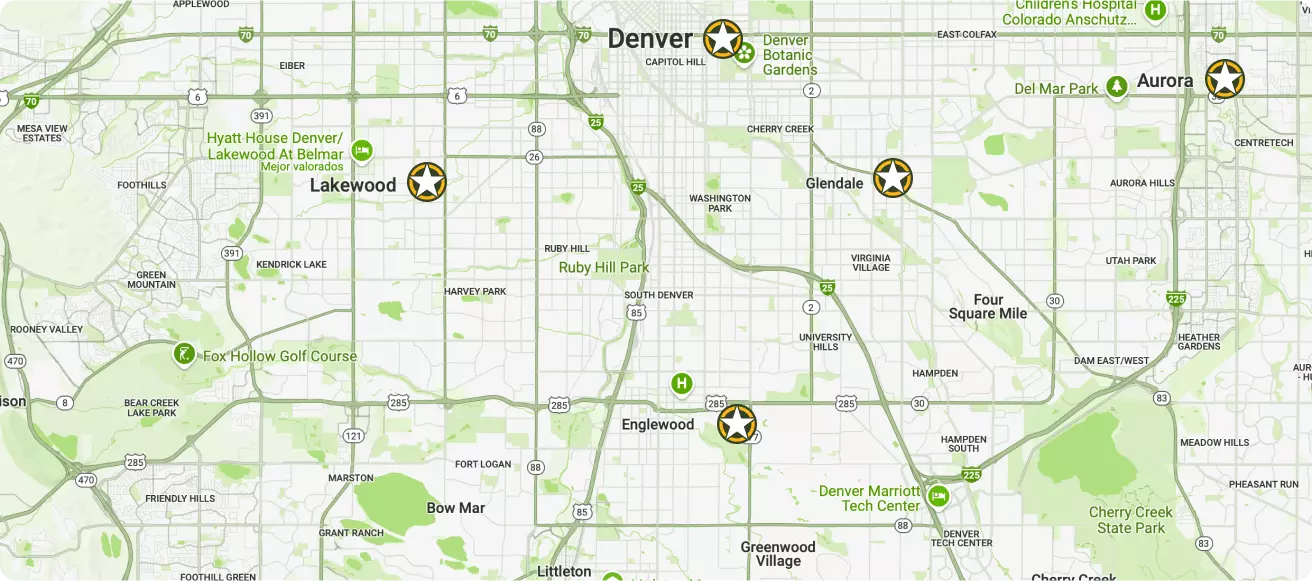
Whether you want to maximize the lifespan of your current system through precision maintenance or are ready to upgrade to a whisper-quiet, highly efficient A2L system, our team is here to help. At Veteran Heating, Cooling, Plumbing & Electric, we bring military-grade integrity, honest advice, and a commitment to our local Denver Metro community to every job we do. We proudly serve homeowners across Denver, Greenwood Village, Arvada, Aurora, Broomfield, Castle Rock, Centennial, Columbine, Golden, Highlands Ranch, Lakewood, and Littleton.
We stand behind our work with a lifetime warranty on parts and labor, an upfront pricing policy, and a money-back satisfaction guarantee. Let us help you navigate the transition to clean, reliable, and energy-efficient home comfort.
If you are ready to schedule a professional system inspection or discuss your options for a modern upgrade, explore our AC Repair services or reach out to our team today.
ABOUT Veteran Heating, Cooling, Plumbing & Electric
Veteran Heating, Cooling, Plumbing & Electric was founded on the belief that service should be personal, honest, and community-focused. Our team is built around integrity, professionalism, and a true commitment to your home’s comfort and safety.
Led by a U.S. Army veteran with over 30 years of industry experience, we’re proud to remain locally owned and operated. Every technician, plumber, and electrician is EPA-certified, background checked, and driven to exceed expectations.
- 24/7 ServiceWe offer weekend & 24/7 emergency service. We’re here whenever you need us—day, night, or weekend, no exceptions.
- $0 Trip FeesNo dispatch or trip fees. You’ll never pay just for us to show up—service starts when the work does.
OUR SERVICES
AIR CONDITIONING
.jpg)
We offer specialty and seasonal services like indoor air quality upgrades, pre-winter furnace checks, and summer AC tune-ups to keep your home prepared year-round.
Our Primary Air Conditioning Services Include:
Don't see the service you need? Call our Team today!
PLUMBING
From leaks to full system installs, our plumbing services cover everything you need for a safe, reliable home water system, 24/7.
Our Primary Plumbing Include:
- Water Heater Replacement
- Water Heater Repair
- Trenchless Sewer Line
- Water Filtration
- Slab Leak
- Sewer Line Repair
Don't see the service you need? Call our Team today!
ELECTRICAL

Our electrical services ensure your home stays safe and powered, from routine fixes to complete system upgrades.
Our Primary Electrical Services Include:
- House Rewiring
- Electrician
- Electric Panel Upgrade
- Electric Panel Replacement
- EV Chargers
- Whole House Generator
Don't see the service you need? Call our Team today!
HEATING
.jpg)
We install, repair, and maintain heating & furnace systems with expert care to keep your Colorado home comfortable and energy-efficient year-round.
Our Primary Heating Services Include:
- Heating Installation
- Heating Replacement
- Heating Maintenance
- Heating Repair
- Heating Service
- Heating Tune-Up
Don't see the service you need? Call our Team today!