Why a Slow Drain Is Never Just a Minor Inconvenience
Understanding how a slow drain signals a bigger plumbing problem could save you from a costly plumbing emergency down the road. That sluggish sink you've been ignoring? It's often your plumbing system's earliest warning that something more serious is developing inside your pipes — long before a full backup or water damage appears.
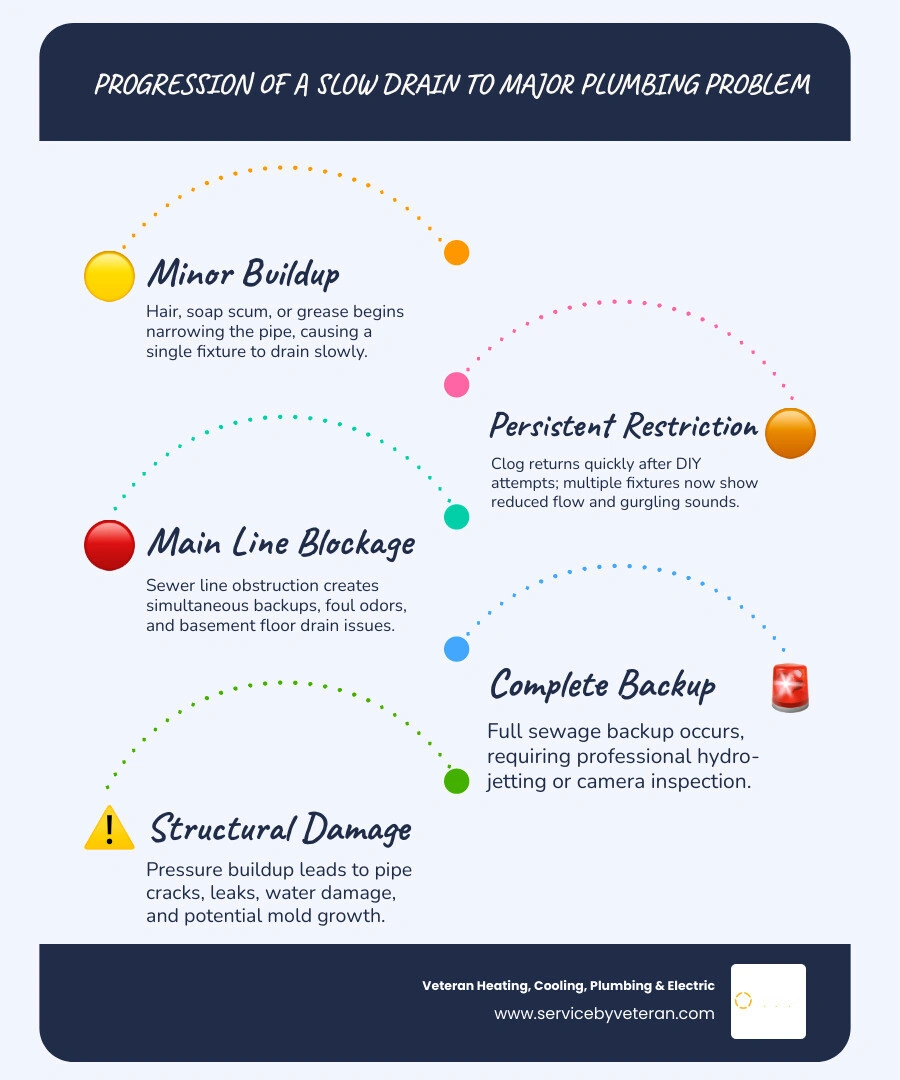
Here's a quick look at the key warning signs that a slow drain points to a deeper issue:
• Single slow drain — likely a localized clog near that fixture's P-trap or stopper
• Multiple slow drains at once — often signals a main sewer line blockage
• Gurgling sounds from toilets or other fixtures — indicates restricted airflow caused by a deeper obstruction
• Foul odors rising from drains — suggests organic buildup or sewer gas escaping through the system
• Slow drain that returns quickly after DIY treatment — points to a structural issue, not just surface buildup
• Basement floor drain backing up — a serious sign of main sewer line failure requiring immediate attention
• Slow drains that worsen over time — a gradual restriction that will eventually become a complete blockage
The earlier you catch these signals, the easier and less disruptive the fix tends to be. Slow drains rarely resolve on their own — they almost always get worse.
I'm Mike Townsend, a U.S. Army veteran and owner of Veteran Heating, Cooling, Plumbing & Electric, serving Denver Metro homeowners with the same precision and reliability I applied to mission-critical systems during my military service. My team and I have seen how a slow drain signals a bigger plumbing problem that, when caught early, can be resolved quickly — and when ignored, can turn into a costly emergency.
Localized Clog vs. Sewer Line Issue: How a Slow Drain Signals a Bigger Plumbing Problem
When you turn on the faucet in your bathroom or kitchen and watch the water pool up around the drain, your first instinct might be to reach for a plunger. Before you do, it is essential to determine whether you are dealing with a minor, isolated clog or a systemic failure.
A single slow drain typically points to a localized blockage. However, when multiple fixtures across your home begin draining sluggishly at the same time, you are likely looking at a main sewer line issue. The main sewer line is the single pipe that carries all wastewater away from your home’s toilets, sinks, showers, and washing machines out to the municipal sewer system or your septic tank. If this highway is blocked, water has nowhere to go, causing a backward domino effect throughout your entire home.
To help you quickly diagnose what your pipes are trying to tell you, we have put together a comparison table below. If you suspect your home is experiencing a widespread issue, our team can help you identify the root cause with our targeted Clogged Drain Denver, CO services.
• Number of Affected Drains — Localized Clog: Only one specific sink, tub, or toilet drains slowly. — Main Sewer Line Issue: Multiple drains across different rooms are sluggish.
• Reaction to Other Fixtures — Localized Clog: Using other fixtures has no impact on the slow drain. — Main Sewer Line Issue: Flushing a toilet causes water to bubble up in the shower.
• Gurgling Noises — Localized Clog: Rare, or only heard directly at the single slow drain. — Main Sewer Line Issue: Frequent gurgling or bubbling from toilets and floor drains.
• Odors — Localized Clog: Mild odor limited to the sink or disposal area. — Main Sewer Line Issue: Persistent, raw sewage smell throughout the basement or home.
• Lowest Drains (Basement) — Localized Clog: Unaffected unless the clog is specifically in that drain. — Main Sewer Line Issue: Basement floor drains or lowest-level tubs back up first.
• Impact of Rain/Groundwater — Localized Clog: No change in drainage speed after heavy rain. — Main Sewer Line Issue: Drainage worsens significantly during or after Colorado storms.
Identifying a Localized Blockage in a Single Fixture
If only your master bathroom sink is draining slowly, the blockage is almost certainly localized. This means the restriction is located somewhere between the sink basin and the point where that fixture's individual drain line connects to a larger branch line.
The most common culprit for a single slow drain is a build-up of hair, soap scum, or toothpaste caught in the P-trap (the curved pipe beneath the sink) or wrapped around the pop-up stopper. In the kitchen, a localized clog is usually the result of food waste or solidified cooking grease clinging to the pipe walls just past the garbage disposal. While these issues are annoying, they do not threaten the structural integrity of your entire home’s waste management system. They can usually be cleared with basic, non-corrosive mechanical methods.
Recognizing How a Slow Drain Signals a Bigger Plumbing Problem in the Main Sewer Line
When a main sewer line becomes restricted, the symptoms are much more dramatic and widespread. Because wastewater cannot exit the property, it begins to back up into the lowest points of your home. This is why basement floor drains, lower-level shower stalls, and basement toilets are often the first to show signs of trouble.
One of the classic warning signs of a main line sewer issue is unusual fixture interactions. For example, if you run your washing machine and suddenly hear your guest bathroom toilet gurgling, or if flushing your master toilet causes water to rise inside your bathtub, your main line is struggling to vent and drain. This happens because trapped air and wastewater are being pushed back up through the nearest open pathways. Ignoring these warning signs can quickly lead to a major backup, bringing raw sewage into your living spaces. If you notice these symptoms, it is critical to consult a professional and review our Sewer Repair Service Guide to understand your repair options.
Common Causes of Sluggish Drains in Kitchens and Bathrooms
The path to resolving a slow drain starts with understanding exactly what is blocking the flow. The materials we wash down our drains on a daily basis differ significantly depending on the room, leading to different types of blockages in kitchens versus bathrooms.
Over time, these materials coat the inside of your pipes, gradually narrowing the internal diameter. What starts as a thin, sticky film eventually grows into a thick, hardened barrier that restricts water flow to a crawl. For a comprehensive look at how to tackle these issues in the local area, check out our Best Clogged Drain Guide Denver, CO.
Kitchen Sink Culprits: Grease, Soap, and Food Residue
Kitchen drains are subjected to some of the most stubborn organic compounds in a household. The primary threat to kitchen plumbing is FOG: Fats, Oils, and Grease.
Many homeowners make the mistake of pouring liquid grease down the sink, believing that running hot water at the same time will wash it away safely. In reality, as soon as the grease travels a few feet into your cold, underground pipes, it cools rapidly and solidifies. It clings to the pipe walls, acting like a sticky magnet for food particles, coffee grounds, and soap residue. Over time, this mixture hardens into a wax-like substance, severely narrowing the pipe and making it nearly impossible for water to pass through.
Bathroom Sink and Shower Culprits: Hair and Soap Scum
In the bathroom, the dynamic changes. Here, the primary culprits are hair and soap scum.
Every time you wash your hair or shave, loose strands slip down the drain. While a few strands might pass through, many get caught on the rough edges of the drain assembly, the pop-up stopper, or the interior walls of the P-trap. Traditional bar soaps contain animal fats and oils that combine with the minerals in Colorado's water to form a sticky, solid residue known as soap scum. This sticky paste coats the hair strands, binding them together into a dense, felt-like mat that traps toothpaste, skin flakes, and cosmetics. This combination creates a highly resilient blockage that slowly chokes off water flow.
Why Ignoring a Sluggish Pipe Leads to Major Damage
It is easy to ignore a slow drain. After all, if the water eventually goes down, it feels like a problem that can be put off until next weekend. However, treating a sluggish pipe as a minor nuisance is a recipe for severe home damage.
A slow drain is not a stable condition; it is a progressive issue. As the restriction grows, the water pressure inside the pipe increases, and stagnant water sits against your plumbing joints for extended periods. This can lead to leaks, mold growth, and structural rot that are far more expensive to fix than a simple drain cleaning. If you suspect your slow drain has already caused hidden leaks, it is wise to schedule professional Leak Detection Services immediately.
The Domino Effect of Untreated Blockages
When water cannot flow freely, it pools in the pipe, creating a constant state of high humidity and standing water inside your walls or beneath your floors. This standing water creates a perfect breeding ground for bacteria, mold, and mildew.
Furthermore, the organic waste trapped in a slow drain provides an ideal food source for pests. Drain flies, fruit flies, and even cockroaches are drawn to the decomposing organic matter inside sluggish pipes, leading to infestations that are difficult to eradicate. As the blockage grows, the weight of the standing water and the localized pressure can weaken old pipe joints, causing them to separate or crack, resulting in slow, hidden leaks behind your drywall.
Understanding How a Slow Drain Signals a Bigger Plumbing Problem Over Time
Plumbing systems rely on a delicate balance of gravity, water flow, and air pressure to function properly. When a partial blockage forms, it disrupts this balance.
As the restriction narrows the pipe, the water is forced to squeeze through a smaller opening, which slows down the entire drainage process. This slow-moving water allows heavier debris to settle out of the stream, adding to the blockage rather than washing away. What began as a minor restriction quickly accelerates into a complete blockage. When the pipe finally closes off entirely, the next flush or sink run can result in a sudden, catastrophic sewage backup, leading to ruined flooring, contaminated drywall, and the need for emergency restoration services.
When to Skip DIY Fixes and Call a Professional Denver Plumber
While minor surface clogs can sometimes be cleared with a standard hand plunger or a simple baking soda and vinegar flush, there comes a point where DIY methods do more harm than good.
Many homeowners turn to store-bought chemical drain cleaners as a quick fix. However, these harsh products rarely address the root cause of the issue, and their repeated use can cause permanent damage to your home’s plumbing infrastructure. When DIY attempts fail, or if your slow drains keep returning, it is time to bring in the professional team at Veteran Heating, Cooling, Plumbing & Electric for advanced Drain Cleaning Denver, CO solutions.
The Hidden Dangers of Chemical Drain Cleaners
Chemical drain cleaners rely on extremely harsh, corrosive alkaline or acid formulas to eat through blockages. While they might temporarily melt a small hole through a hair clog, they also generate intense heat inside your pipes.
This heat can soften and deform modern PVC pipes, weaken the glue at pipe joints, and accelerate the corrosion of older cast iron or galvanized metal pipes. Furthermore, if the chemical cleaner fails to clear the clog, you are left with a basin full of highly toxic, corrosive standing water. This creates a severe safety hazard for you and any plumber who must later disassemble the pipe to clear the blockage manually.
Professional Diagnostic and Clearing Methods
Professional plumbers do not rely on guesswork or destructive chemicals. When we arrive at your Denver home, we use advanced technology to diagnose and resolve the issue safely and completely.
• Video Camera Inspection: We insert a high-resolution, waterproof camera into your drain lines. This allows us to see the exact location, composition, and severity of the blockage, as well as the structural condition of your pipes, identifying cracks, sags, or tree root intrusions.
• Hydro-Jetting: This method uses high-pressure water streams to scour the inside of your pipes. Hydro-jetting does not just poke a hole in a clog; it removes grease, scale, and soap scum from the entire inner diameter of the pipe, restoring it to like-new condition.
• Motorized Drain Snakes: For tough, solid obstructions like tree roots or compacted foreign objects, we use heavy-duty motorized augers that can cut through blockages safely without damaging the pipe walls.
Preventive Maintenance to Keep Your Denver Pipes Flowing
The best way to handle a major plumbing emergency is to prevent it from happening in the first place. By adopting a few simple habits, you can keep your drains clear and avoid the stress of unexpected backups.
• Use Drain Strainers: Install mesh strainers in all bathroom sinks, showers, and tubs to catch hair, soap chunks, and debris before they can enter your drain line.
• Dispose of Grease Properly: Never pour cooking oil, bacon grease, or butter down the kitchen sink. Let it cool in a disposable container, then throw it in the trash.
• Perform Weekly Hot Water Flushes: Once a week, pour a kettle of hot water down your kitchen and bathroom drains to help melt away fresh grease and soap residue before it hardens.
• Use Natural Cleaners Monthly: Pour half a cup of baking soda down your drains, followed by half a cup of white vinegar. Let it sit for 30 minutes, then flush with hot water to keep pipes smelling fresh and clear of light organic buildup.
• Schedule Annual Inspections: Having a licensed plumber perform an annual drain inspection and light maintenance flush can identify and resolve minor buildup before it turns into an expensive emergency.
Frequently Asked Questions About Slow Drains
Why is my sink draining slow but not completely clogged?
When a sink drains slowly but does not stop completely, it means you have a partial restriction. Water can still find its way through, but the pathway has been significantly narrowed. This is typically caused by a gradual buildup of grease, soap scum, hair, or mineral scale on the pipe walls. It can also be caused by a partially blocked plumbing vent, which restricts the air pressure needed for water to flow smoothly down the drain.
Can tree roots cause a slow drain in my home?
Yes, tree roots are a primary cause of slow drains and sewer line blockages, especially in older Denver neighborhoods. Tree roots naturally seek out moisture and nutrients, drawing them toward underground sewer lines. If there is a tiny crack or loose joint in your pipe, the roots will find their way inside. Once inside, they grow rapidly, creating a dense web that traps waste and toilet paper, eventually blocking the pipe completely.
How often should I have my home's drains professionally cleaned?
For most homes, we recommend having your main sewer line and primary drains professionally inspected and cleaned every 12 to 18 months. If you live in an older home with mature trees nearby, or if you have a large family with high water usage, annual cleanings are highly beneficial to ensure your plumbing system remains healthy and free of unexpected blockages.
Conclusion
A slow drain is never just a minor inconvenience; it is a clear warning sign that your plumbing system needs attention. Whether you are dealing with a simple localized clog in your master bath or a developing main sewer line issue under your yard, addressing the problem early is the key to protecting your home from water damage and costly emergency repairs.
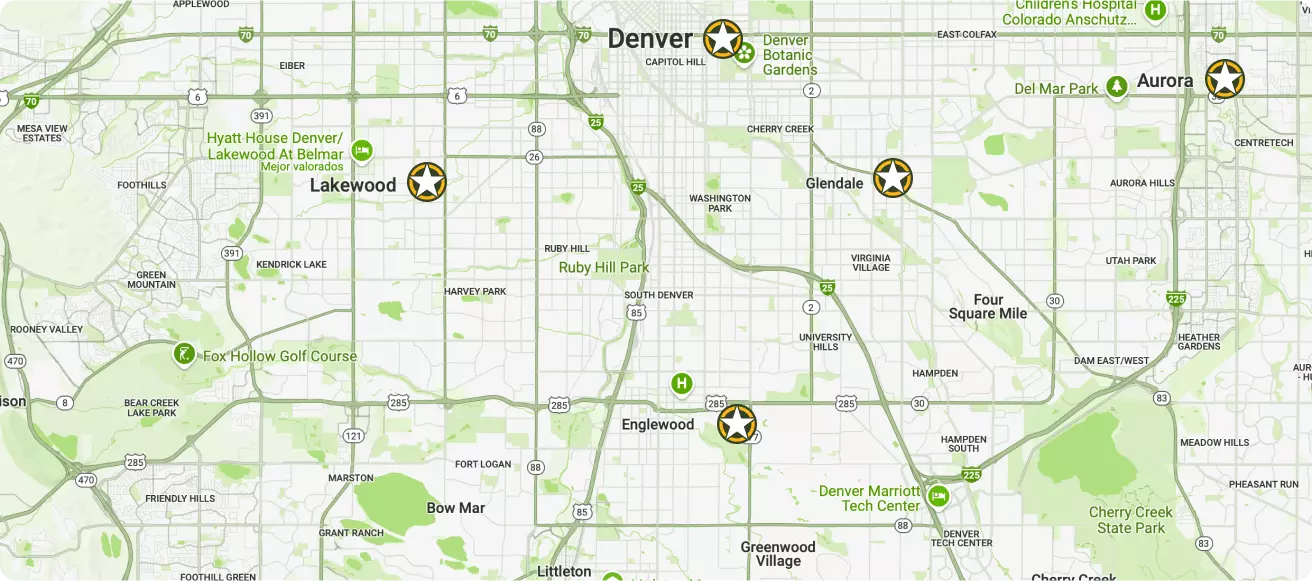
At Veteran Heating, Cooling, Plumbing & Electric, we bring military-grade precision, honesty, and dedication to every job. As a veteran-owned and operated business serving the Denver Metro area — including Lakewood, Littleton, Arvada, Aurora, Broomfield, Castle Rock, Centennial, Columbine, Golden, and Highlands Ranch — we stand behind our work with a lifetime warranty on parts and labor, alongside our total satisfaction money-back guarantee. We are here for you 24/7 with weekend and emergency service, and we never charge dispatch or trip fees.
Do not wait for a slow drain to turn into a plumbing disaster. Schedule professional plumbing services with Veteran Heating, Cooling, Plumbing & Electric today, and let us keep your home’s pipes flowing smoothly.
ABOUT Veteran Heating, Cooling, Plumbing & Electric
Veteran Heating, Cooling, Plumbing & Electric was founded on the belief that service should be personal, honest, and community-focused. Our team is built around integrity, professionalism, and a true commitment to your home’s comfort and safety.
Led by a U.S. Army veteran with over 30 years of industry experience, we’re proud to remain locally owned and operated. Every technician, plumber, and electrician is EPA-certified, background checked, and driven to exceed expectations.
- 24/7 ServiceWe offer weekend & 24/7 emergency service. We’re here whenever you need us—day, night, or weekend, no exceptions.
- $0 Trip FeesNo dispatch or trip fees. You’ll never pay just for us to show up—service starts when the work does.
OUR SERVICES
AIR CONDITIONING
.jpg)
We offer specialty and seasonal services like indoor air quality upgrades, pre-winter furnace checks, and summer AC tune-ups to keep your home prepared year-round.
Our Primary Air Conditioning Services Include:
Don't see the service you need? Call our Team today!
PLUMBING
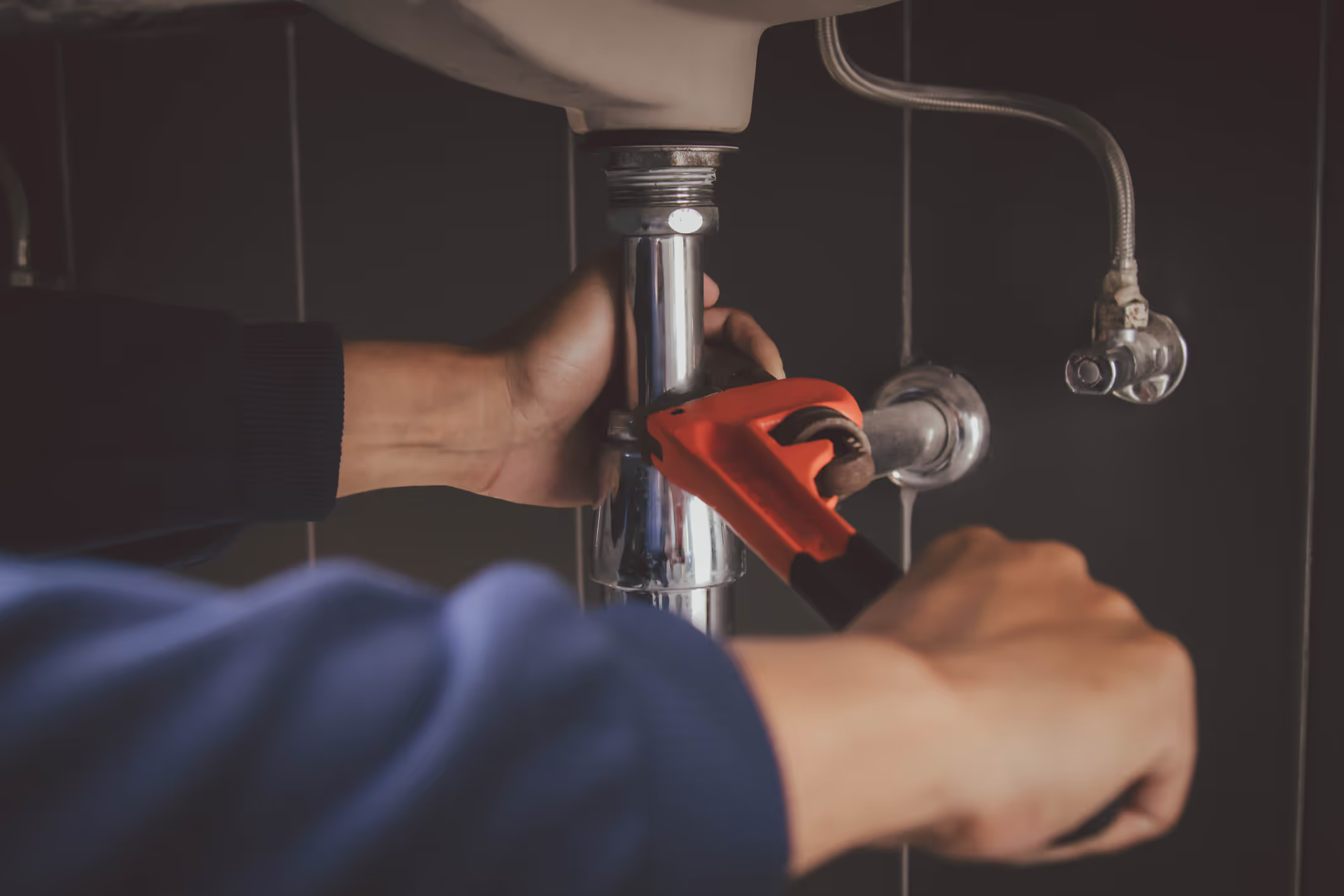
From leaks to full system installs, our plumbing services cover everything you need for a safe, reliable home water system, 24/7.
Our Primary Plumbing Include:
- Water Heater Replacement
- Water Heater Repair
- Trenchless Sewer Line
- Water Filtration
- Slab Leak
- Sewer Line Repair
Don't see the service you need? Call our Team today!
ELECTRICAL

Our electrical services ensure your home stays safe and powered, from routine fixes to complete system upgrades.
Our Primary Electrical Services Include:
- House Rewiring
- Electrician
- Electric Panel Upgrade
- Electric Panel Replacement
- EV Chargers
- Whole House Generator
Don't see the service you need? Call our Team today!
HEATING
.jpg)
We install, repair, and maintain heating & furnace systems with expert care to keep your Colorado home comfortable and energy-efficient year-round.
Our Primary Heating Services Include:
- Heating Installation
- Heating Replacement
- Heating Maintenance
- Heating Repair
- Heating Service
- Heating Tune-Up
Don't see the service you need? Call our Team today!