The Gold Standard: How Often Should You Service Your HVAC System?
#
How often should you service your HVAC system is one of the most important questions a homeowner can ask — and the short answer is: at least once a year, ideally twice.
Here’s the quick breakdown by situation:
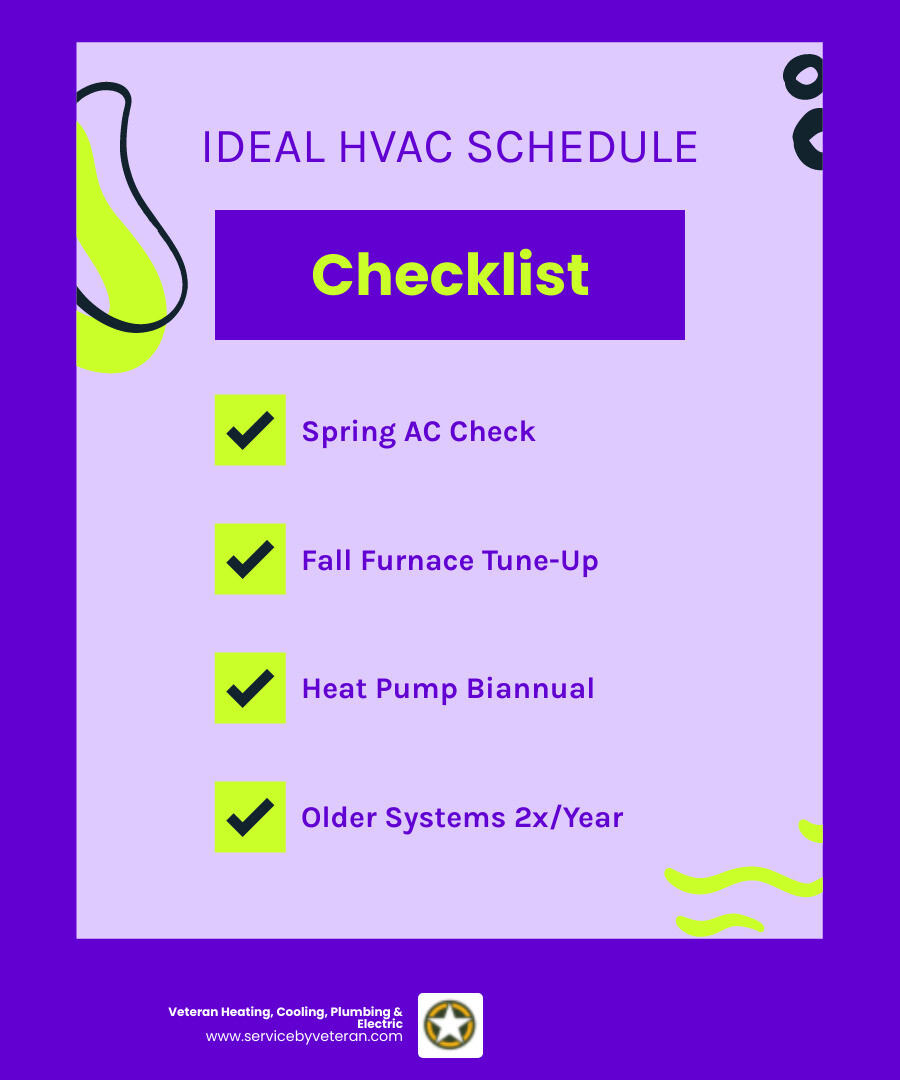
• Standard central AC — Recommended Service Frequency: Once per year (spring)
• Standard gas furnace — Recommended Service Frequency: Once per year (fall)
• Heat pump (runs year-round) — Recommended Service Frequency: Twice per year (spring and fall)
• System 15+ years old — Recommended Service Frequency: Twice per year minimum
• Homes with pets, allergies, or high usage — Recommended Service Frequency: Twice per year or more
• Absolute minimum for any system — Recommended Service Frequency: Once per year
The industry-wide consensus is clear: most homes benefit most from two professional visits per year — one in spring before cooling season and one in fall before heating season. This keeps your system efficient, helps it last longer, and prevents the kind of surprise breakdowns that always seem to happen on the hottest or coldest day of the year.
But the right schedule for your home depends on your equipment type, how old it is, how hard it runs, and the demands of Colorado’s climate. This guide walks you through all of it.
I’m Mike Townsend, a U.S. Army veteran and leader of a veteran-owned home services company in the Denver Metro area, and my background — which includes managing precision cooling systems for heat-seeking missile heads — gave me a deep appreciation for why answering how often should you service your HVAC system correctly can mean the difference between a comfortable home and a costly emergency. Read on, and I’ll share everything you need to make the right call for your home.
When we talk about the “gold standard” for home comfort in the Denver Metro area, we are talking about biannual maintenance. While some homeowners think an occasional check-up is enough, professional service frequency is the backbone of HVAC maintenance that actually saves you money.
Think of your HVAC system like a car. You wouldn’t drive 50,000 miles without an oil change, and you shouldn’t run a complex mechanical system for 2,000+ hours a year without a professional eyes-on inspection. Preventative care is about catching the small $100 fix today before it turns into a $2,000 replacement tomorrow. In our experience, annual maintenance prevents 70–80% of all HVAC breakdowns.
How often should you service your hvac system based on equipment type?
The type of machinery keeping your home comfortable dictates your schedule:
• Central AC Units: These should be serviced once per year, specifically in the spring. This ensures the coils are clean and the refrigerant levels are correct before the July heat waves hit.
• Gas Furnaces: These require an annual safety and performance check in the fall. Because they involve combustion and gas lines, this is a critical safety step to prevent carbon monoxide leaks.
• Heat Pumps: Because these systems provide both heating and cooling, they run year-round. This dual-season stress means they require service twice a year—once in the spring and once in the fall. You can learn more in our Heat Pump Maintenance Guide.
• Ductless Mini-Splits: Similar to heat pumps, these usually need twice-yearly attention to keep filters and blowers clean for optimal airflow.
Factors that change how often should you service your hvac system
While the “twice-a-year” rule is a great baseline, several factors in the Denver area might require you to increase that frequency:
1. Equipment Age: If your system is over 10–12 years old, it becomes more prone to component fatigue. Older systems often benefit from more frequent check-ups to monitor aging motors and capacitors.
2. The Colorado Climate: Our region faces extreme temperature swings. From sub-zero winter nights to 90-degree summer afternoons, your system works harder here than in many other parts of the country.
3. Usage Patterns: If you have someone home all day, your system cycles more frequently. Higher “mileage” means more wear and tear.
4. Pets and Allergies: If you have multiple pets, fur and dander clog filters and coils much faster. For homes in areas like HVAC Maintenance Columbine CO, where pollen and dust can be high, more frequent servicing helps maintain indoor air quality.
Seasonal Timing for Heating and Cooling Maintenance
Timing is everything. You don’t want to find out your AC is broken on the first 90-degree day in June. Scheduling your AC Maintenance Littleton CO early in the year ensures you are at the front of the line before the summer rush begins.
Optimal months for professional visits
We recommend following a “shoulder season” schedule:
• Spring Service (March to May): This is the ideal window for AC prep. We clean the condenser coils, check the “charge” (refrigerant levels), and ensure the system can handle the upcoming heat.
• Fall Service (September to November): This is for furnace readiness. We focus on the heat exchanger, ignition system, and safety controls to ensure you stay warm and safe through the winter.
By staying on this schedule, you avoid the “emergency call” season when technicians are booked out for weeks during peak weather events. A proactive Furnace Tune-Up Littleton CO in October is much more relaxing than an emergency repair in January.
Why timing matters for heat pumps and geothermal systems
Heat pumps and geothermal systems are unique because they use a reversing valve to switch between heating and cooling. This component, along with the outdoor coils, faces “dual-season stress.”
Regular Heat Pump Service ensures that the transition between modes is seamless. For those utilizing Geothermal Service Arvada CO, checking the loop pressure and pump flow twice a year is essential for maintaining the high efficiency these systems are known for.
Why Regular Maintenance is Essential for Colorado Homeowners
Living in the Denver Metro area means dealing with high energy demands. A well-tuned HVAC system can use 10–30% less energy than a neglected one. Over a year, that adds up to significant savings on your utility bills.
Beyond the monthly savings, there is the “big picture” cost. A new HVAC system can cost between $5,000 and $15,000. Regular care from a professional HVAC Company can extend the lifespan of your system by 3–5 additional years. If you can push a replacement back from year 15 to year 20, you’ve saved thousands of dollars in depreciation.
Protecting your manufacturer warranty
This is a point many homeowners miss: most manufacturers require proof of annual professional service to keep your warranty valid. If a major component like a compressor ($1,500–$3,000) or heat exchanger fails, the manufacturer may ask for documented service history. Without it, they can deny the claim, leaving you to pay the full price out-of-pocket. Regular Furnace Maintenance isn’t just a suggestion; it’s insurance for your investment.
Safety and indoor air quality benefits
Safety is our top priority. During a furnace check, we inspect the heat exchanger for cracks. A cracked heat exchanger can leak carbon monoxide into your home—a colorless, odorless gas that is life-threatening.
Additionally, regular AC Maintenance involves cleaning the blower and coils, which significantly reduces the circulation of dust, pollen, and mold spores. This is a game-changer for family members with asthma or seasonal allergies.
Professional Tune-Ups vs. DIY Maintenance Tasks
While we handle the heavy lifting, there are several things you can do to support your system. Here is a breakdown of how we share the responsibility:
• Air Filters — Homeowner (DIY): Check/Replace every 1-3 months — Professional Technician: Inspect and advise on MERV ratings
• Outdoor Unit — Homeowner (DIY): Clear debris/leaves (2ft clearance) — Professional Technician: Deep clean coils and fins
• Thermostat — Homeowner (DIY): Set schedules/replace batteries — Professional Technician: Calibrate and test for accuracy
• Refrigerant — Homeowner (DIY): Monitor for ice or poor cooling — Professional Technician: Check levels and find/fix leaks
• Electrical — Homeowner (DIY): Visual check for frayed wires — Professional Technician: Tighten connections, measure voltage
• Safety Controls — Homeowner (DIY): Test smoke/CO detectors — Professional Technician: Test limit switches and pilot sensors
You can view a full list of what we offer on Our Services page.
What happens during a professional maintenance visit?
A professional visit is far more than just a quick look. Our EPA-certified and background-checked technicians perform a comprehensive 18-point or 21-point inspection. This includes:
• Cleaning Coils: Dirty coils can reduce efficiency by up to 40%.
• Checking Electrical Connections: We tighten all terminals to prevent arcing or fire hazards.
• Clearing Condensate Drains: We flush the lines to prevent water damage and mold growth.
• Testing Safety Controls: We ensure the system shuts down correctly if a problem is detected.
• Measuring Airflow: We ensure your blower motor is pushing the right amount of air through your ducts.
Homeowner tasks to perform between visits
The single most important thing you can do is change your air filter. Clogged filters block airflow and can raise your energy bills by 5–15%. We recommend checking them monthly. If you have pets or live in a dusty area, you’ll likely need to replace them every 30 days.
Also, keep your outdoor condenser clear. Make sure there is at least two feet of clearance around the unit. If you’ve been doing yard work, gently hose off any grass clippings or cottonwood fluff from the exterior fins. For more tips, check out our Furnace Service Blog.
Warning Signs Your System Needs Immediate Attention
Sometimes, you can’t wait for your scheduled visit. If you notice any of the following, you should call for 24 Hour HVAC Repair immediately:
• Unusual Noises: Screeching, banging, or rattling often indicate a failing motor or loose belt.
• Weak Airflow: If you can barely feel air coming from the vents, your blower motor or ductwork may have an issue.
• Uneven Temperatures: If the living room is freezing while the bedroom is boiling, your system is struggling to balance the load.
• Frequent Cycling: If the unit turns on and off every few minutes (short-cycling), it is likely overheating or has a failing sensor.
When to call for service outside your regular schedule
Don’t ignore foul odors. A “musty” smell usually indicates mold in the ductwork or a clogged drain pan. A “burning” smell could be an electrical component overheating. If you see ice forming on your outdoor AC unit or indoor evaporator coil, shut the system off and call us. This is often a sign of low refrigerant or a severe airflow restriction.
For those with heat pumps, be vigilant for “emergency heat” lights staying on when it isn’t extremely cold outside. Our team specializing in Heat Pump Maintenance Greenwood Village CO can diagnose these issues before they spike your electric bill.
Ductwork and refrigerant considerations
While your furnace and AC need annual attention, your ducts have a different schedule. We generally recommend a professional duct inspection every 3–5 years and a full cleaning every 3–7 years. If you’ve recently completed a home renovation, you should have them cleaned immediately to remove construction dust.
Regarding refrigerant: your system should never “need a top-off.” HVAC systems are sealed. If the refrigerant is low, there is a leak. Simply adding more is a temporary fix that wastes money and harms the environment. We focus on finding the leak and repairing it permanently. You can learn more about our specialized Geothermal Services for more complex sealed-loop systems.
Frequently Asked Questions about HVAC Service Frequency
Does a brand new HVAC system still require annual maintenance?
Yes! In fact, it is arguably more important for a new system. Most manufacturers require documented proof of annual professional service to keep their 10-year parts warranty valid. Skipping maintenance in the first few years could cost you thousands if a major part fails later.
How often should ductwork be cleaned?
For most homes in the Denver Metro area, ductwork should be cleaned every 3 to 7 years. However, if you have multiple pets, family members with severe allergies, or have recently done a major remodel, you may want to have them cleaned more frequently.
Is routine refrigerant addition part of standard maintenance?
No. A healthy HVAC system does not “consume” refrigerant. If your technician tells you that you need more refrigerant every year, you have a leak that needs to be sealed. Standard maintenance includes checking the levels, but adding refrigerant should only happen after a leak is repaired.
Conclusion
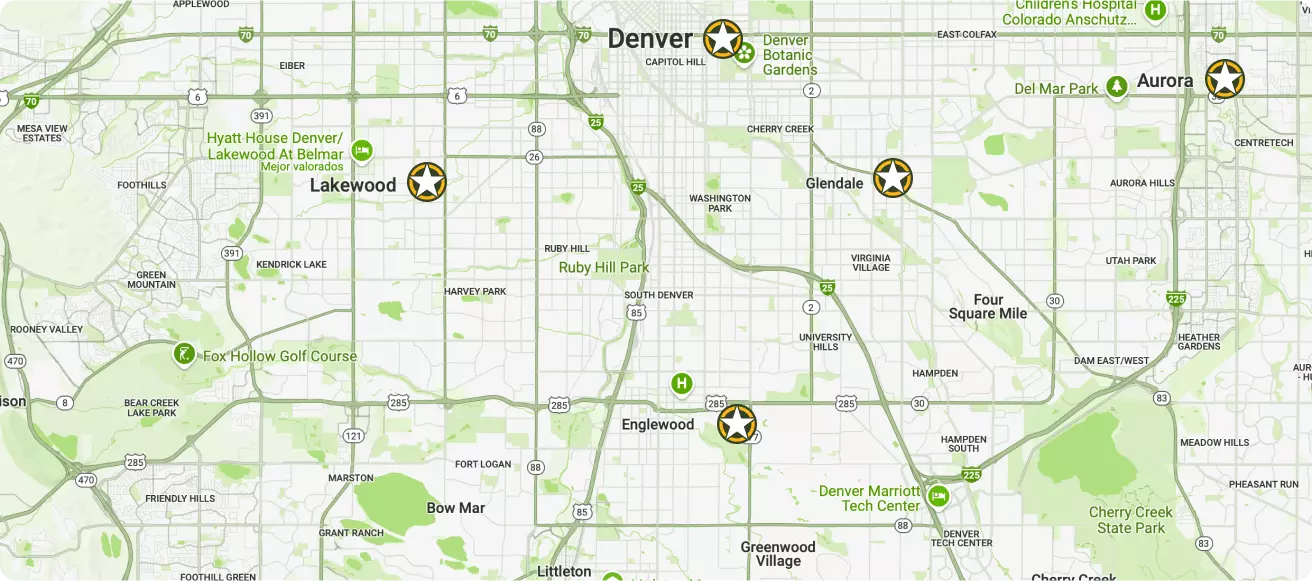
At Veteran Heating, Cooling, Plumbing & Electric, we believe in the military values of integrity, service, and excellence. As a veteran-owned and locally operated company, we aren’t just servicing equipment; we are taking care of our neighbors in Littleton, Arvada, Aurora, and across the Denver Metro area.
We know that life gets busy, which is why we offer a Maintenance Plan for just $9.99/month. This plan takes the guesswork out of how often should you service your hvac system by providing priority scheduling, regular tune-ups, and repair discounts.
When you work with us, you get:
• 24/7 Availability: We are here for you on weekends and holidays with no dispatch or trip fees.
• Lifetime Warranty: We provide a lifetime warranty on all parts and labor.
• Honest Service: Our technicians are EPA-certified, background-checked, and focused on finding the right solution for your home, not the most expensive one.
• Community Discounts: We proudly offer a 10% discount for veterans, seniors, and first responders.
Don’t wait for your system to fail in the middle of a Colorado blizzard or a summer heatwave. Schedule your HVAC maintenance today and experience the peace of mind that comes with professional, veteran-led service.
ABOUT Veteran Heating, Cooling, Plumbing & Electric
Veteran Heating, Cooling, Plumbing & Electric was founded on the belief that service should be personal, honest, and community-focused. Our team is built around integrity, professionalism, and a true commitment to your home’s comfort and safety.
Led by a U.S. Army veteran with over 30 years of industry experience, we’re proud to remain locally owned and operated. Every technician, plumber, and electrician is EPA-certified, background checked, and driven to exceed expectations.
- 24/7 ServiceWe offer weekend & 24/7 emergency service. We’re here whenever you need us—day, night, or weekend, no exceptions.
- $0 Trip FeesNo dispatch or trip fees. You’ll never pay just for us to show up—service starts when the work does.
OUR SERVICES
AIR CONDITIONING
.jpg)
We offer specialty and seasonal services like indoor air quality upgrades, pre-winter furnace checks, and summer AC tune-ups to keep your home prepared year-round.
Our Primary Air Conditioning Services Include:
Don't see the service you need? Call our Team today!
PLUMBING
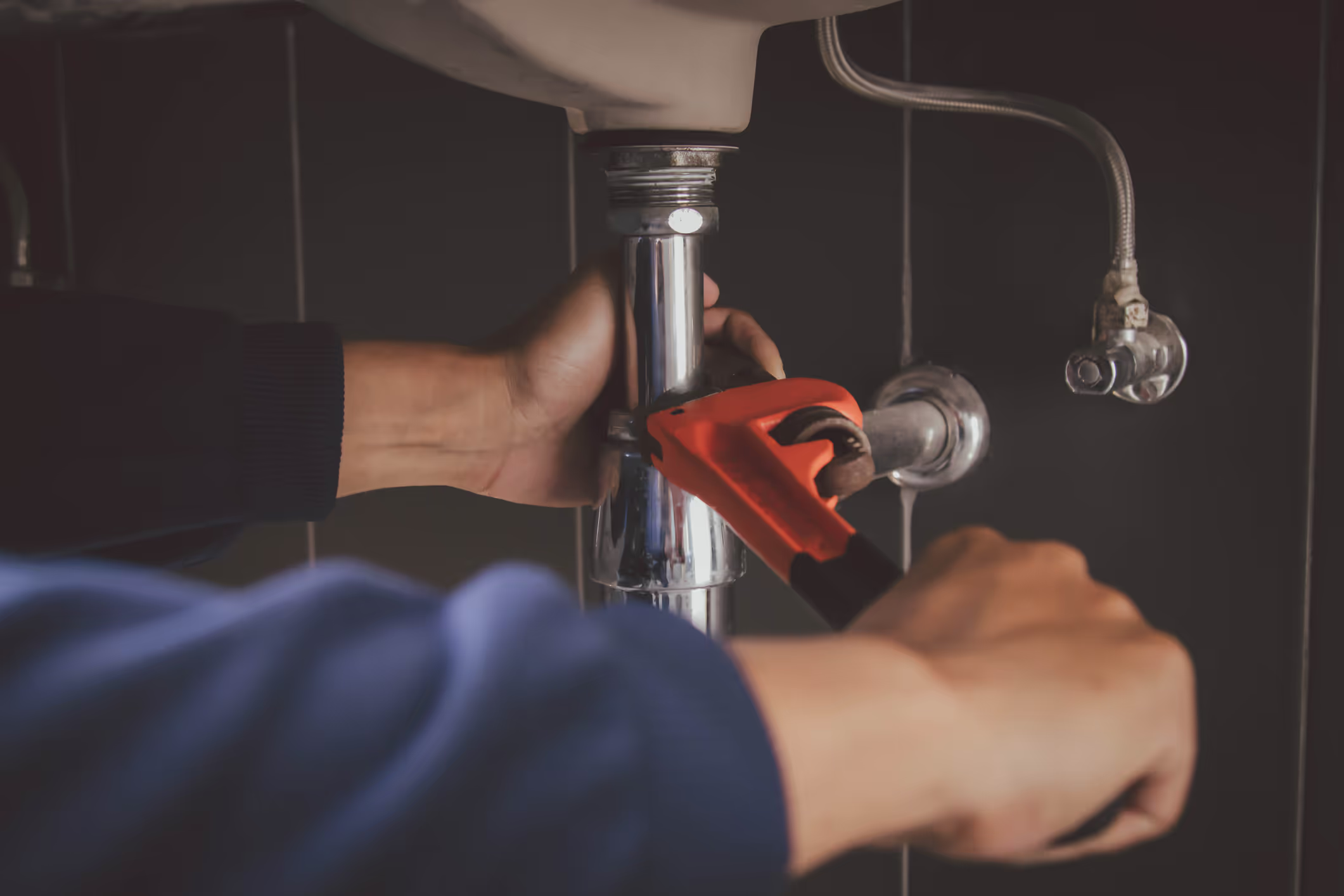
From leaks to full system installs, our plumbing services cover everything you need for a safe, reliable home water system, 24/7.
Our Primary Plumbing Include:
- Water Heater Replacement
- Water Heater Repair
- Trenchless Sewer Line
- Water Filtration
- Slab Leak
- Sewer Line Repair
Don't see the service you need? Call our Team today!
ELECTRICAL

Our electrical services ensure your home stays safe and powered, from routine fixes to complete system upgrades.
Our Primary Electrical Services Include:
- House Rewiring
- Electrician
- Electric Panel Upgrade
- Electric Panel Replacement
- EV Chargers
- Whole House Generator
Don't see the service you need? Call our Team today!
HEATING
.jpg)
We install, repair, and maintain heating & furnace systems with expert care to keep your Colorado home comfortable and energy-efficient year-round.
Our Primary Heating Services Include:
- Heating Installation
- Heating Replacement
- Heating Maintenance
- Heating Repair
- Heating Service
- Heating Tune-Up
Don't see the service you need? Call our Team today!