Understanding Your Mini Split Condensate System
To understand how to prevent mini split drain line clogs, we first need to look at how your system handles water. When your mini split is in cooling or "dry" mode, the indoor evaporator coil becomes very cold. As warm, humid air from your Denver home passes over this coil, moisture in the air condenses into liquid water—much like the "sweat" on a cold glass of lemonade on a July afternoon.
This water drips into a long, narrow tray called a drain pan located at the bottom of the indoor unit. From there, gravity (or sometimes a small pump) pulls the water into a flexible PVC tube or drain line that carries it outside. Because mini split drain lines are significantly smaller in diameter than the pipes used in traditional central AC systems, they are much more susceptible to blockages. Even a small amount of dust mixed with moisture can create a "sludge" that stops the flow.
In our semi-arid Colorado climate, we don't always think about humidity. However, during our monsoon season or on those surprisingly muggy August days, your mini split works overtime to pull gallons of water out of your indoor air. If you need a professional eye to ensure your system is draining correctly, our team provides expert Mini Split Service Denver CO to keep your home dry and comfortable.
Warning Signs of a Blocked Line
You don't want to wait for a puddle on your floor to realize there's a problem. Catching a clog early can save you from the "spongy" drywall or bubbling wallpaper that often follows a leak. Here are the most common warning signs that your drain line is struggling:
• Water Dripping from the Indoor Head: This is the most obvious sign. If the pan overflows, water will typically leak from the bottom corners of the indoor unit.
• Musty or Mildew Odors: If water sits stagnant in the drain pan because of a clog, it becomes a breeding ground for mold and "slime" (biological film), which releases a swampy smell into your room.
• Gurgling Sounds: If you hear a "glug-glug" sound coming from the unit, it often means air is trying to pass through a line that is partially restricted by water and debris.
• System Shutdowns: Many modern mini splits have a safety float switch. If the water level in the pan gets too high, the system will shut itself off entirely to prevent a flood.
• Wall Stains: If your unit is mounted on an exterior wall, water might leak behind the unit first. Look for yellowing or damp spots on the drywall directly beneath or behind the air handler.
If you notice any of these signs, it's time to act. Ignoring a leak can lead to mold growth in just 48 hours. For residents in the south metro area, we offer rapid Mini Split Repair Littleton CO to address these issues before they cause permanent damage.
Proactive Maintenance: How to Prevent Mini Split Drain Line Clogs
Prevention is always more affordable than repair. The "secret" to a trouble-free system is managing the two things that cause 90% of clogs: biological growth (algae and mold) and household dust. When these two meet in a dark, wet drain line, they create a thick, jelly-like substance often called "slime."
Regular HVAC Maintenance is the best way to keep the internal components of your system clean. By keeping the drain pan and the line clear of organic material, you remove the "food" that mold and algae need to thrive.
Using Vinegar to Prevent Mini Split Drain Line Clogs
One of the simplest and most effective household items you can use is distilled white vinegar. Vinegar is mildly acidic, which makes it a fantastic natural biocide. It kills existing algae and prevents new spores from taking root without the harsh corrosiveness of bleach, which can damage plastic components and rubber seals over time.
To perform a monthly flush:
1. Locate the access point (usually a T-shaped vent) or the drain pan itself by removing the front cover of the indoor unit.
2. Pour about 1/4 cup of distilled white vinegar into the line.
3. Let it sit for about 30 minutes to break down any biofilm.
4. Flush it through with a bit of warm water.
This simple habit is a cornerstone of Mini Split Service Lakewood CO routines for many of our long-term customers.
Why Clean Filters Help Prevent Mini Split Drain Line Clogs
You might wonder what an air filter has to do with a plumbing line. The answer is: everything. Your mini split's air filters are the first line of defense against dust, pet hair, and dander. If the filters are dirty, dust bypasses them and lands on the wet evaporator coils. That dust then washes down into the drain pan and into the narrow drain line.
Think of it like a kitchen sink—if you constantly wash coffee grounds and grease down the drain, it's going to clog. In a mini split, dust is the "grease." We recommend cleaning your filters every 2 to 4 weeks during the summer. Simply pop them out, rinse them with cool water, let them air dry completely, and slide them back in. This is a vital part of Mini Split Service Arvada CO that every homeowner can do themselves to maintain peak efficiency.
DIY Solutions for Clearing Existing Blockages
If you’re already facing a clog, don't panic. You can often clear a blockage using a standard wet/dry shop vacuum. This "suction method" is often more effective than trying to "push" the clog through with water, which can sometimes just pack the debris tighter.
The Suction Method:
1. Turn off the power: Always shut off the unit at the thermostat and the circuit breaker first.
2. Locate the exit: Find where the drain line exits your house (usually near the outdoor compressor unit).
3. Create a seal: Wrap a damp rag around the end of the vacuum hose and the drain pipe to create an airtight seal.
4. Vacuum: Turn the vacuum on for 60 to 90 seconds. You might see a "slug" of brown or green gunk come out—that’s exactly what you want.
5. Verify: Pour a little water into the indoor drain pan to ensure it now flows freely to the outside.
If the vacuum method doesn't work, the clog might be deeper in the unit or caused by a kink in the line. In those cases, it’s best to call in the pros. We provide expert Mini Split Repair Broomfield CO for those stubborn blockages that DIY methods can't touch.
Installation and Environmental Factors in Colorado
Sometimes, the reason you are struggling with how to prevent mini split drain line clogs has nothing to do with maintenance and everything to do with how the system was installed.
Proper Slope (The 1/4 Inch Rule):Because most mini splits rely on gravity, the drain line must have a consistent downward slope. Industry standards require at least a 1/4 inch of drop for every foot of horizontal pipe. If the line "sags" or is installed perfectly level, water will pool in the pipe, leading to rapid algae growth and repeated clogs.
Gravity vs. Pumps:In some installations—like in a basement or a room where the line has to travel "up" before going out—a condensate pump is required. These pumps have their own unique maintenance needs and can fail over time.
• Power Required — Gravity Drainage: None — Condensate Pump: Electrical connection needed
• Maintenance — Gravity Drainage: Vinegar flushes & filter cleaning — Condensate Pump: Cleaning the pump reservoir + flushes
• Reliability — Gravity Drainage: Very high (no moving parts) — Condensate Pump: Moderate (mechanical parts can wear out)
• Best For — Gravity Drainage: Standard exterior wall installs — Condensate Pump: Basements or interior rooms
Freezing Pipes:In Denver and the surrounding metro areas, we have to worry about the "thermal clog." If your mini split is used for heating in the winter, and the drain line isn't insulated or sloped correctly, remaining water can freeze solid. This blocks the line and can cause the system to leak when it switches back to a defrost or cooling cycle.
If you suspect your system was installed with poor pitch, our team can perform a comprehensive inspection. We offer specialized Mini Split Service Centennial CO to correct installation errors and ensure your drainage is winter-ready.
Frequently Asked Questions about Mini Split Drainage
Can I use bleach to clean my drain line?
While bleach is a powerful killer of mold and algae, we generally recommend against it for mini splits. Bleach can be corrosive to the plastic and rubber components inside the air handler. It can also be harmful if it drips onto your landscaping or grass at the exit point. Distilled white vinegar is a safer, more "system-friendly" alternative that is just as effective for routine prevention.
How often should I flush the condensate system?
For the best results in the Denver Metro area, we recommend a vinegar flush once a month during the peak cooling season (May through September). If you live in a particularly dusty area or have multiple pets, you might want to do it every three weeks. During the winter, a single flush before the first freeze is usually sufficient.
Why is my mini split leaking water inside?
A leak inside is almost always a sign of a blockage in the condensate line, but it can also be caused by:
• Dirty Air Filters: Restricted airflow can cause the evaporator coil to freeze. When that ice melts, it can overwhelm the drain pan.
• Improper Leveling: If the indoor unit isn't level on the wall, water will pool at one end of the pan rather than flowing into the drain hole.
• Cracked Drain Pan: Though rare, physical damage to the pan will cause water to leak directly through the bottom of the unit.
Conclusion
Your mini split is an investment in your home's comfort, and keeping the "plumbing" side of the system clean is the best way to protect that investment. By following the simple steps of how to prevent mini split drain line clogs—flushing with vinegar, cleaning your filters, and keeping the outdoor exit clear—you can avoid 80% of the most common service calls.
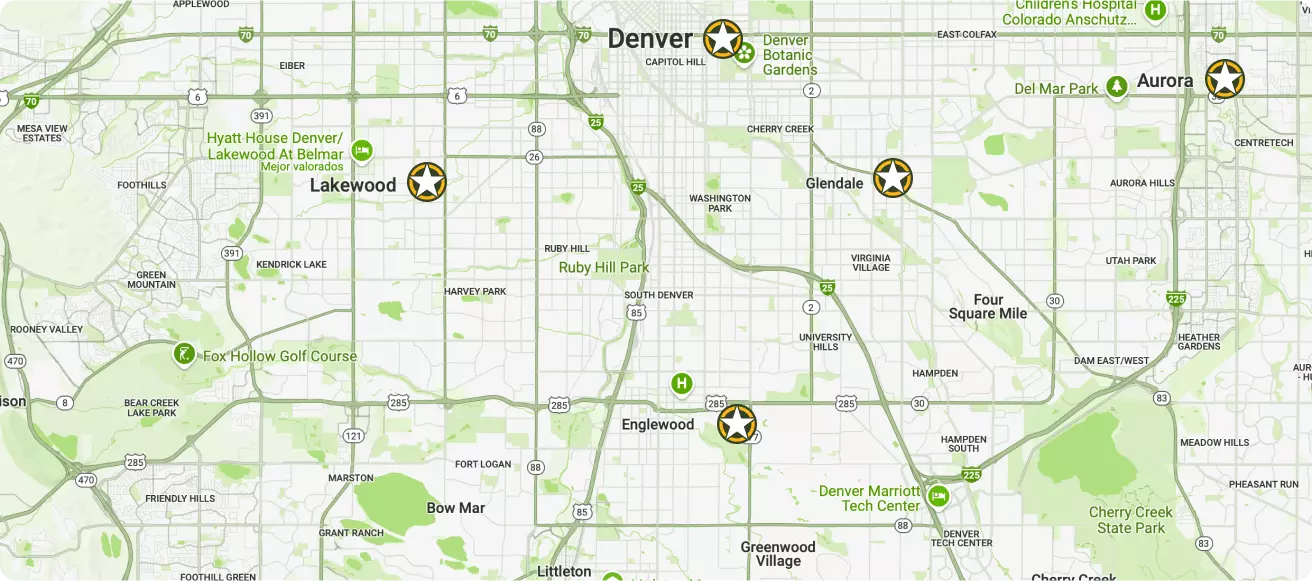
At Veteran Heating, Cooling, Plumbing & Electric, we take pride in serving our neighbors across the Denver Metro area, from Arvada to Castle Rock. As a veteran-led, locally owned company, we stand behind our work with a lifetime warranty on parts and labor and a 100% satisfaction guarantee. Whether you need a routine tune-up or an emergency repair on a Saturday night, we are here for you 24/7 with no dispatch fees.
Don't let a small clog turn into a big headache. If you're looking for honest, reliable Mini Split Service from a team that treats your home like our own, give us a call today. We’ll make sure your system—and your day—stays high and dry.
ABOUT Veteran Heating, Cooling, Plumbing & Electric
Veteran Heating, Cooling, Plumbing & Electric was founded on the belief that service should be personal, honest, and community-focused. Our team is built around integrity, professionalism, and a true commitment to your home’s comfort and safety.
Led by a U.S. Army veteran with over 30 years of industry experience, we’re proud to remain locally owned and operated. Every technician, plumber, and electrician is EPA-certified, background checked, and driven to exceed expectations.
- 24/7 ServiceWe offer weekend & 24/7 emergency service. We’re here whenever you need us—day, night, or weekend, no exceptions.
- $0 Trip FeesNo dispatch or trip fees. You’ll never pay just for us to show up—service starts when the work does.
OUR SERVICES
AIR CONDITIONING
.jpg)
We offer specialty and seasonal services like indoor air quality upgrades, pre-winter furnace checks, and summer AC tune-ups to keep your home prepared year-round.
Our Primary Air Conditioning Services Include:
Don't see the service you need? Call our Team today!
PLUMBING
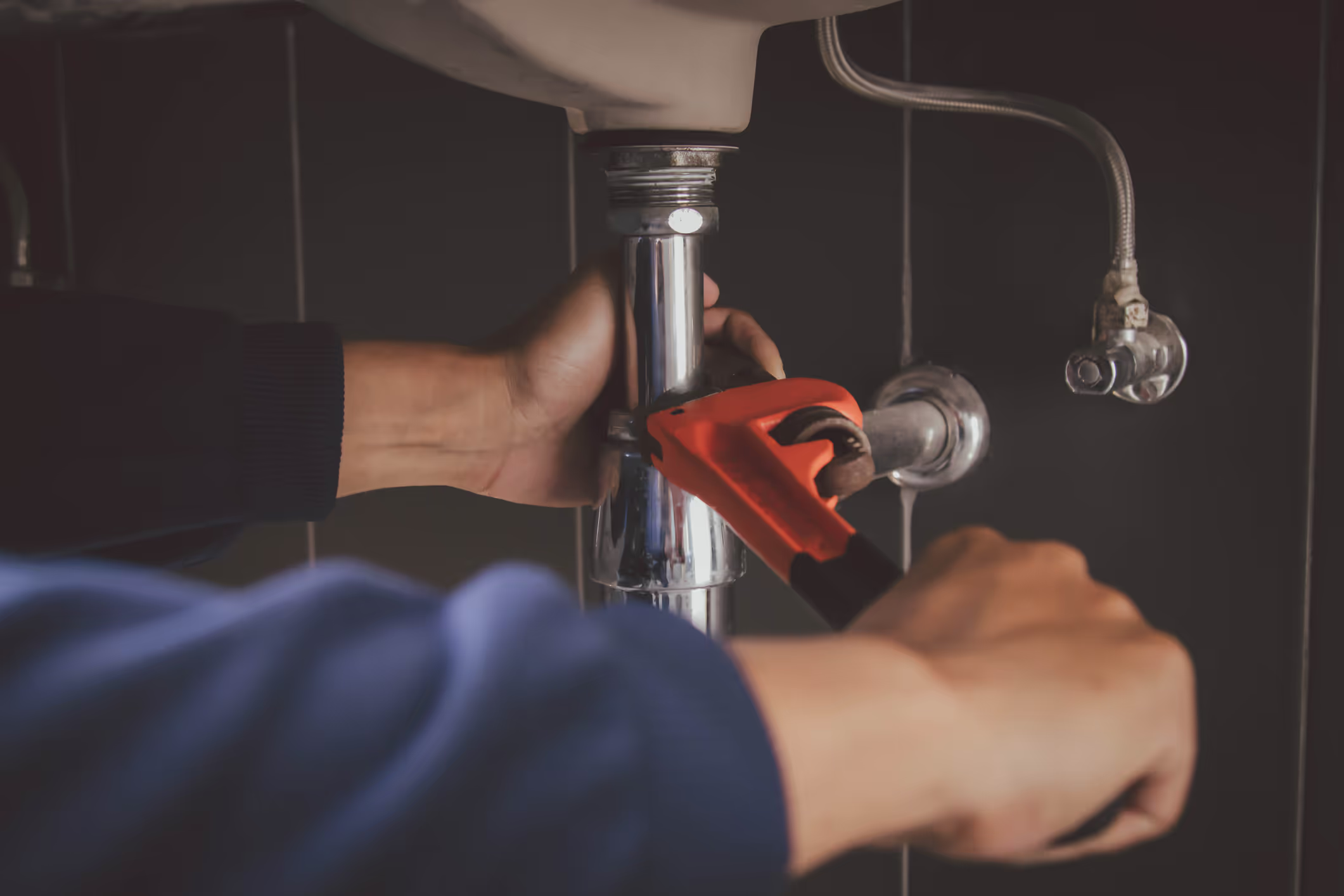
From leaks to full system installs, our plumbing services cover everything you need for a safe, reliable home water system, 24/7.
Our Primary Plumbing Include:
- Water Heater Replacement
- Water Heater Repair
- Trenchless Sewer Line
- Water Filtration
- Slab Leak
- Sewer Line Repair
Don't see the service you need? Call our Team today!
ELECTRICAL

Our electrical services ensure your home stays safe and powered, from routine fixes to complete system upgrades.
Our Primary Electrical Services Include:
- House Rewiring
- Electrician
- Electric Panel Upgrade
- Electric Panel Replacement
- EV Chargers
- Whole House Generator
Don't see the service you need? Call our Team today!
HEATING
.jpg)
We install, repair, and maintain heating & furnace systems with expert care to keep your Colorado home comfortable and energy-efficient year-round.
Our Primary Heating Services Include:
- Heating Installation
- Heating Replacement
- Heating Maintenance
- Heating Repair
- Heating Service
- Heating Tune-Up
Don't see the service you need? Call our Team today!