Facing the First October Cold Snap in the Denver Metro Area
Your thermostat clicks on for the first time since spring, but instead of immediate, quiet warmth, you are greeted by a sharp burning odor and a series of unfamiliar clanking sounds from the basement. When searching for home maintenance tips and troubleshooting during the first real temperature drop, distinguishing between harmless seasonal quirks and critical warning signs is the most important step you can take to protect your system. The transition from cooling to heating is rarely seamless for equipment that has sat dormant for months.
Across the Denver metro area, the first overnight freeze triggers a wave of anxiety for homeowners who aren't sure if their furnace or heat pump is operating safely. At Veteran Heating, Cooling, Plumbing & Electric, our dispatch team fields hundreds of calls during this exact mid-fall window, so we completely understand the hesitation. You want to know if that metallic rattle is just a loose vent or a failing blower motor, and whether that burning smell requires opening a window or immediately shutting off the gas valve.
Our goal is to provide you with the field-tested authority needed to evaluate your heating system's initial performance. By understanding the mechanical realities of waking a dormant system, you can confidently monitor normal startup behaviors and know exactly when it is time to bring in a licensed professional for a comprehensive diagnostic.
Safe to Monitor: The Normal 'Burning Dust' Smell
The most common cause for alarm during a mid fall / October cold snap is a distinct burning odor that fills the house shortly after the heat kicks on. For the vast majority of systems our crews inspect across the Front Range, this is a completely normal physical reaction to summer dormancy and does not indicate a fire hazard or a mechanical failure.
Throughout the spring and summer, your heating system sits idle. During this time, microscopic dust particles, pet dander, and airborne debris settle directly onto the furnace's heat exchangers or the electric heating elements of your heat pump's auxiliary strips. When the system ignites for the first time in months, these components rapidly heat up to hundreds of degrees. The accumulated layer of dust instantly incinerates, producing a very noticeable, albeit harmless, burning smell that gets distributed through your ductwork.
The Safe Timeframe: This normal burn-off odor should dissipate quickly. In most homes, the smell peaks within the first ten to fifteen minutes of operation and completely fades within an hour. If you notice this smell, the best course of action is to monitor the situation while ensuring proper ventilation. Turn on your ceiling fans, open a few windows slightly to let fresh air circulate, and let the system run its initial cycle.
To help you distinguish between normal dust burn-off and odors that require immediate attention, our technicians use the following diagnostic criteria:
• Dry, dusty burning smell, fades within 60 minutes — Likely Cause: Summer dust accumulation burning off heat exchangers — Required Action: Safe to monitor; ventilate the home
• Acrid smell of melting plastic or rubber — Likely Cause: Failing electrical components, melted wire casings — Required Action: Shut off system immediately; call a professional
• Persistent electrical ozone or "fishy" smell — Likely Cause: Overheating blower motor or short-circuiting board — Required Action: Shut off system immediately; call a professional
• Strong odor of rotten eggs or sulfur — Likely Cause: Natural gas leak near the furnace — Required Action: Evacuate, call utility company and HVAC professional
If the odor falls into any category other than the temporary dust burn-off, do not attempt to "wait it out." Persistent odors indicate that components are actively degrading or safety limits have been breached, requiring a licensed technician to secure the system.
Understanding Short-Cycling in Denver's Unique Climate
Based on our years of troubleshooting HVAC systems across Denver, one of the most critical warning signs to watch for during your initial fall startup is a behavior known as short-cycling. Short-cycling occurs when a heating system turns on, runs for only a few minutes, and then abruptly shuts off before the home has reached the temperature set on the thermostat. Shortly after, it will attempt to start again, repeating this rapid on-and-off loop.
This rapid cycling is not a software glitch; it is almost always a safety mechanism actively protecting your home. When a furnace or heat pump cannot expel the heat it generates fast enough, the internal temperature of the unit skyrockets. A component called the high-limit safety switch detects this dangerous temperature spike and immediately cuts the power to the burners or heating elements to prevent a fire or a cracked heat exchanger. Once the unit cools down, it tries to run again, only to overheat and trip the switch once more.
The most frequent culprit behind this airflow restriction is a dirty, clogged air filter left over from the summer cooling season. However, understanding how a heat pump works in a four-season climate or how a furnace operates here requires looking at regional factors that exacerbate these common issues.
The Role of High Altitude in Airflow Restriction
Denver's elevation of 5,280 feet creates a unique set of physics for heating systems. At this altitude, the air is significantly thinner and less dense than at sea level. Because the air lacks density, your system's blower motor has to work much harder to move the same mass of air over the heat exchangers to carry the heat away into your ductwork.
When a system is shipped from a manufacturer, it is generally calibrated for sea-level operation. If the airflow and combustion settings are not precisely adjusted for high-altitude air density during installation or maintenance, the system is already operating at a disadvantage. Combine the thinner air with even a slightly dirty filter, and the furnace is highly susceptible to overheating and short-cycling.
Our technicians frequently see how ignoring a short-cycling system is one of the fastest ways to destroy a blower motor or crack a heat exchanger before deep winter arrives. Professional diagnostics are necessary to measure the static pressure and accurately calibrate the airflow to compensate for our specific regional elevation.
Decoding Mechanical Noises: When to Call a Professional
Heating systems are large, powerful pieces of mechanical equipment, and they are never entirely silent. However, the first fall startup often amplifies noises that indicate underlying wear and tear. Categorizing these sounds helps you understand when immediate professional intervention is required to prevent a breakdown.
Just last October, a homeowner in our area reached out to the Veteran Heating, Cooling, Plumbing & Electric team when their furnace suddenly failed, an event that was preceded by a loud, persistent rattling sound they had hoped would just go away on its own. Because it was an urgent heating issue as temperatures dropped, our technician arrived promptly, working efficiently and professionally to resolve the mechanical failure. The furnace problem was fixed quickly and reliably, but it served as a stark reminder that early mechanical noises are the system's way of asking for help.
Here is how our experts decode the sounds your system makes during startup:
1. Normal Expansion Pops: As metal ductwork and furnace cabinets heat up and cool down, the metal naturally expands and contracts. This creates occasional popping or pinging sounds. These are harmless structural reactions to temperature changes and do not affect the system's performance.
2. Loud Booming or Banging on Ignition: If you hear a loud boom a few seconds after the thermostat calls for heat, you are likely experiencing delayed ignition. This happens when dirty burners prevent the gas from igniting immediately. The gas pools in the combustion chamber, and when it finally catches the flame, it creates a small, concussive explosion. This is highly dangerous and requires immediate professional cleaning.
3. Grinding or Metal-on-Metal Screeching: These sounds almost exclusively point to the blower motor. The bearings inside the motor may be failing, or the blower wheel itself may have come loose and is scraping against its metal housing. Shut the system down to prevent the motor from tearing itself apart.
4. Rapid Clicking or Buzzing: A rapid clicking that doesn't result in ignition usually points to a failing spark igniter, a bad flame sensor, or a malfunctioning gas valve. Persistent electrical buzzing often indicates a failing transformer or a relay switch struggling to maintain a connection.
Prompt intervention when you hear these abnormal noises prevents minor fall calibration issues from snowballing into major winter emergencies when temperatures drop below freezing.

Applying Military Precision to Your Fall HVAC Diagnostics
Because we are a veteran-owned and operated company, choosing Veteran Heating, Cooling, Plumbing & Electric means you are getting the same level of discipline, accountability, and military precision that military service demands applied directly to your home's comfort systems. Evaluating a heating system's health is not a matter of guesswork; it requires a strict, step-by-step protocol to ensure absolute safety and reliability.
As a local Midea Elite dealer, we understand that modern high-efficiency HVAC equipment operates more like a complex computer network than the simple mechanical furnaces of the past. These systems rely on intricate networks of sensors, variable-speed motors, and precise combustion calibration to achieve their efficiency ratings. When troubleshooting early fall startup issues, it is vital to respect the boundaries of DIY maintenance versus licensed professional diagnostics.
The Homeowner's Role: Your primary responsibilities involve airflow management and environmental checks. This means changing your air filters regularly, ensuring that all supply and return vents are open and unblocked by furniture, and clearing any fallen autumn leaves or debris away from your outdoor heat pump unit. These basic steps solve a surprising number of low-level airflow issues.
The Professional's Role: The moment troubleshooting moves beyond the air filter, our military precision diagnostics take over. Licensed technicians possess the technical expertise required to safely measure raw gas pressure, analyze combustion gases for carbon monoxide leaks, test the exact microamp draw of a flame sensor, and interpret complex proprietary error codes flashing on the control board. Attempting to bypass safety limit switches or adjust gas valves without proper training and specialized diagnostic tools is incredibly dangerous and can easily void your equipment's warranty.
Preparing for Deep Winter: The Value of an Annual Heating Check
Transitioning from reactive troubleshooting to proactive maintenance is the smartest investment you can make for your home's infrastructure. Before the peak winter freezes arrive in January and February, scheduling an annual heating check is the standard protocol for ensuring uninterrupted comfort and safety.
A comprehensive annual heating check goes far beyond a simple visual inspection. It is a systematic teardown and evaluation of every critical component in your furnace or heat pump. When a licensed professional from our team performs this service, they are actively preventing the predictable surge of emergency no-heat calls that flood our Denver dispatch center during the first major blizzard.
A thorough annual heating check typically includes:
• Heat Exchanger Inspection: Utilizing specialized cameras to inspect the metal for microscopic cracks that could allow deadly carbon monoxide to leak into your home's airstream.
• Safety Control Testing: Manually tripping high-limit switches, rollout switches, and pressure switches to guarantee they will successfully shut the system down in the event of a mechanical failure.
• Burner and Flame Sensor Cleaning: Removing the soot and carbon buildup that causes delayed ignition booms and nuisance short-cycling shutdowns.
• Electrical Load Verification: Measuring the voltage and amperage on all motors and capacitors to identify components that are struggling and likely to fail under heavy winter workloads.
• Airflow and Gas Pressure Calibration: Adjusting the system to account for our specific high-altitude air density, ensuring optimal combustion and efficiency.
Maintaining high-efficiency systems through regular professional checks also ensures you are getting the performance you paid for. If your system is heavily degraded and a technician determines it is no longer safe to operate, it is worth noting that generic federal tax credits and utility incentives may apply to qualifying high-efficiency heat pump installations, helping to offset the investment of a necessary replacement. Ultimately, the true value of an annual heating check is the absolute peace of mind that comes from knowing your system has been fully vetted by an expert.
Frequently Asked Questions About Fall Furnace Startups
Is it normal for a heater to smell like burning when first turned on?
Yes, a temporary burning dust smell is entirely normal during the first fall startup. Over the summer, dust and debris settle on the dormant heat exchangers and electric heating elements. When the system ignites, this dust burns off rapidly, creating a distinct odor that should completely dissipate within 30 to 60 minutes of operation. If the smell persists longer, or smells like melting plastic or electrical ozone, shut the system off immediately and call a professional.
Why does my furnace shut off after a few minutes?
This behavior is known as short-cycling, and it is usually a safety mechanism responding to the system overheating. The most common cause is a severely clogged air filter that restricts airflow, preventing the furnace from pushing heat into the home. The trapped heat trips a high-limit safety switch, which shuts down the burners to prevent damage. If replacing the filter does not resolve the issue, a professional diagnostic is required to check for failing sensors or improper altitude calibration.
What are common furnace problems in the fall?
The most frequent early fall issues revolve around systems waking up from months of dormancy. Common problems we see include dirty flame sensors that prevent the system from staying lit, seized blower motors that struggle to start, and delayed ignition caused by dirty burners. Additionally, homeowners often forget to change the heavily soiled air filter left over from the summer cooling season, leading to immediate airflow restrictions and short-cycling.
When should I call an HVAC professional for furnace noises?
You should contact a professional immediately if you hear loud banging, booming, metal-on-metal grinding, or persistent electrical buzzing. While minor popping sounds from expanding ductwork are normal, a loud boom upon startup indicates delayed gas ignition, which is highly dangerous. Grinding noises point to failing motor bearings that will cause a complete breakdown if left unaddressed. Prompt attention to these sounds prevents catastrophic winter failures.
How does Denver's high altitude affect my heating system's airflow?
At an elevation of over 5,000 feet, the air is significantly thinner and less dense than at sea level. Because the air lacks density, your system's blower motor must work harder to move the required volume of air over the heat exchangers. If the system is not precisely calibrated by a professional for high-altitude operation, it can easily overheat, resulting in reduced efficiency, increased wear on components, and frequent short-cycling.
What is the difference between normal expansion pops and dangerous mechanical banging?
Normal expansion pops are rhythmic, metallic pinging sounds that occur as the ductwork and furnace cabinet naturally heat up and expand, then cool down and contract. These are harmless structural sounds. Dangerous mechanical banging, especially a loud boom right after the thermostat calls for heat, is a sign of delayed gas ignition. This means gas is pooling in the chamber before catching the flame, requiring immediate professional cleaning to prevent severe damage.
Secure Your Home's Comfort Before the Next Freeze
Troubleshooting your first fall heating startup doesn't have to be a source of stress. By understanding the difference between normal dust burn-off and the serious warning signs of short-cycling, strange mechanical noises, and persistent electrical odors, you can take control of your home's comfort. Never ignore a system that is struggling to stay running, as early intervention is the key to preventing major winter breakdowns. We highly encourage you to talk to the team at Veteran Heating, Cooling, Plumbing & Electric today to schedule your annual heating check, ensuring you have a clear, expert evaluation of your equipment and absolute peace of mind before the deep winter freezes arrive.
ABOUT Veteran Heating, Cooling, Plumbing & Electric
Veteran Heating, Cooling, Plumbing & Electric was founded on the belief that service should be personal, honest, and community-focused. Our team is built around integrity, professionalism, and a true commitment to your home’s comfort and safety.
Led by a U.S. Army veteran with over 30 years of industry experience, we’re proud to remain locally owned and operated. Every technician, plumber, and electrician is EPA-certified, background checked, and driven to exceed expectations.
- 24/7 ServiceWe offer weekend & 24/7 emergency service. We’re here whenever you need us—day, night, or weekend, no exceptions.
- $0 Trip FeesNo dispatch or trip fees. You’ll never pay just for us to show up—service starts when the work does.
OUR SERVICES
AIR CONDITIONING
.jpg)
We offer specialty and seasonal services like indoor air quality upgrades, pre-winter furnace checks, and summer AC tune-ups to keep your home prepared year-round.
Our Primary Air Conditioning Services Include:
Don't see the service you need? Call our Team today!
PLUMBING
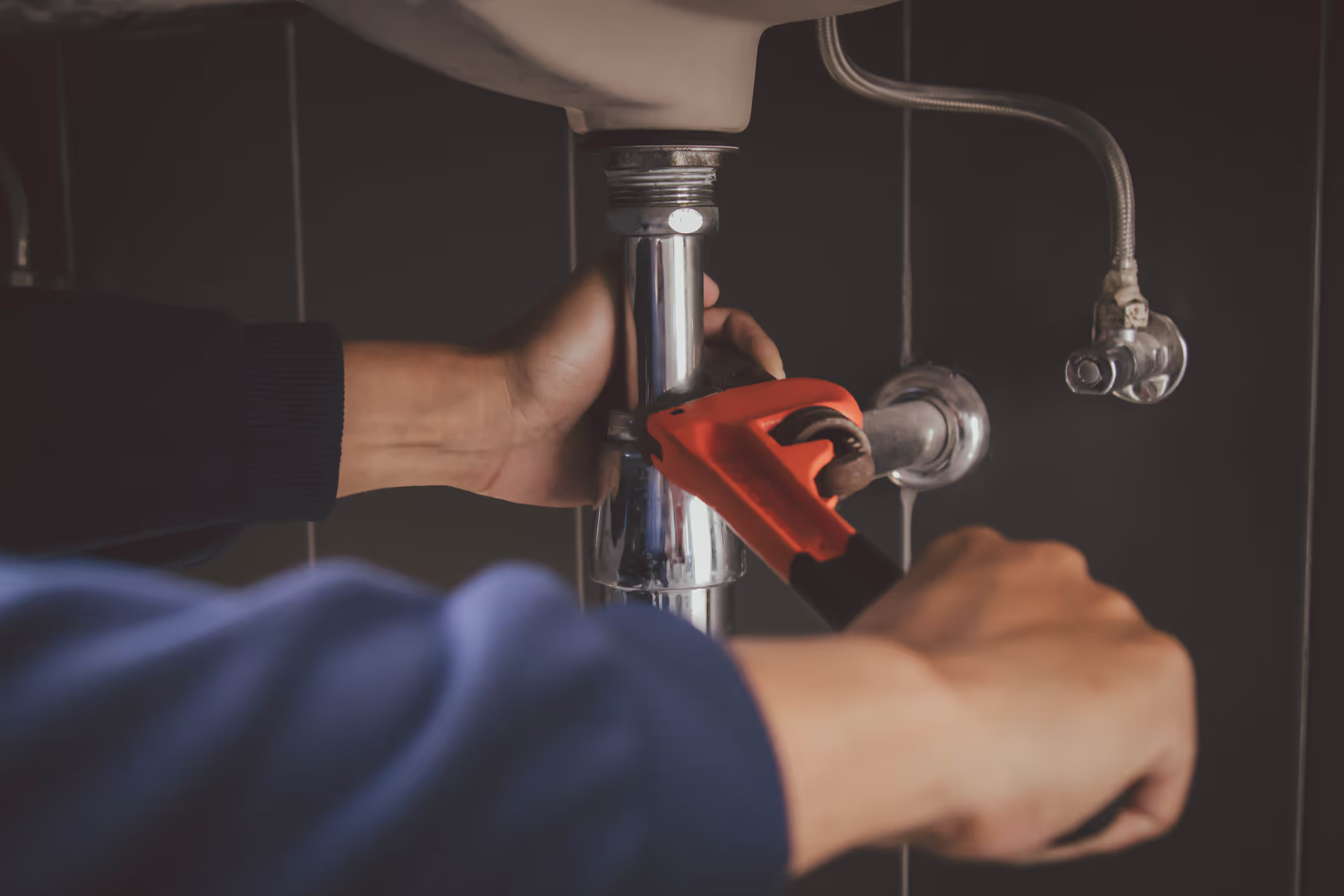
From leaks to full system installs, our plumbing services cover everything you need for a safe, reliable home water system, 24/7.
Our Primary Plumbing Include:
- Water Heater Replacement
- Water Heater Repair
- Trenchless Sewer Line
- Water Filtration
- Slab Leak
- Sewer Line Repair
Don't see the service you need? Call our Team today!
ELECTRICAL

Our electrical services ensure your home stays safe and powered, from routine fixes to complete system upgrades.
Our Primary Electrical Services Include:
- House Rewiring
- Electrician
- Electric Panel Upgrade
- Electric Panel Replacement
- EV Chargers
- Whole House Generator
Don't see the service you need? Call our Team today!
HEATING
.jpg)
We install, repair, and maintain heating & furnace systems with expert care to keep your Colorado home comfortable and energy-efficient year-round.
Our Primary Heating Services Include:
- Heating Installation
- Heating Replacement
- Heating Maintenance
- Heating Repair
- Heating Service
- Heating Tune-Up
Don't see the service you need? Call our Team today!