Why These Mini Split Maintenance Tips Keep Your System Running Strong
Mini split maintenance tips every Denver homeowner should know come down to a handful of simple, consistent habits:
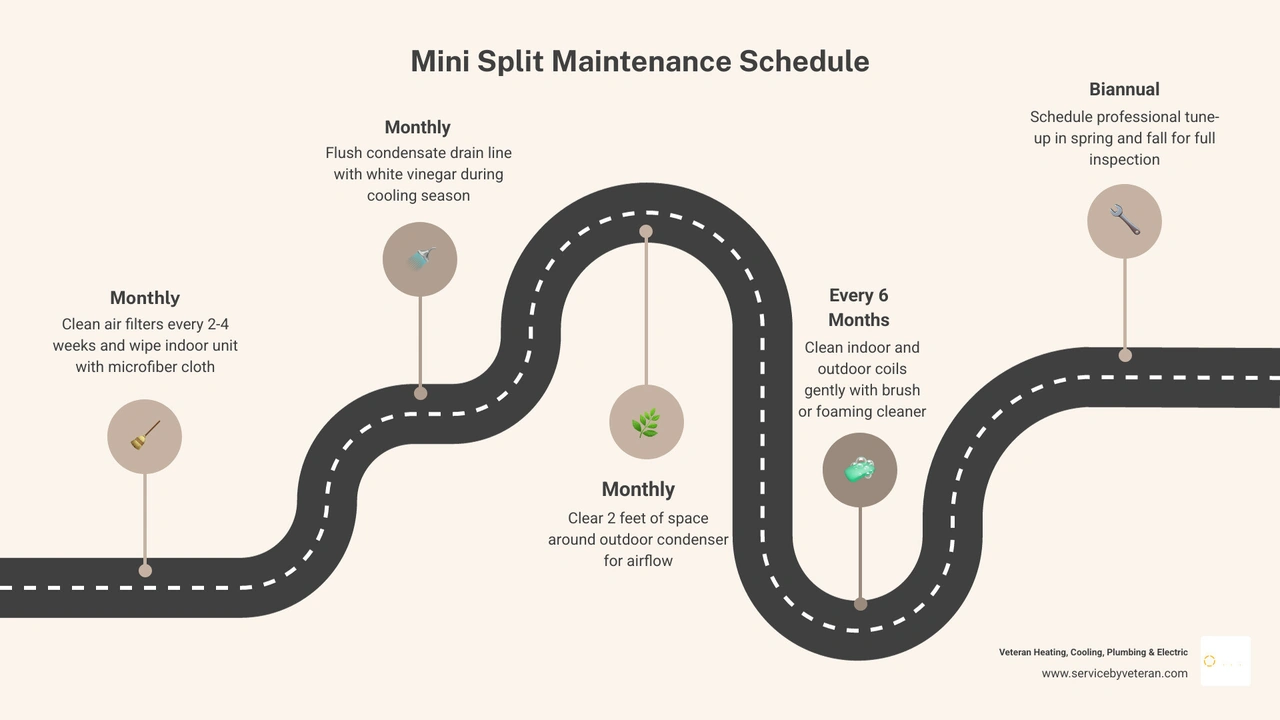
• Clean your air filters every 2–4 weeks (more often with pets or allergies)
• Wipe down the indoor unit with a dry microfiber cloth monthly
• Clear at least 2 feet of space around the outdoor condenser
• Flush the condensate drain line with white vinegar monthly during cooling season
• Clean indoor and outdoor coils every 6 months
• Schedule a professional tune-up twice a year — once in spring, once in fall
Your mini split works hard year-round, especially here in the Denver Metro area where seasons swing hard from icy winters to scorching summers. When filters get clogged, coils get dirty, or drain lines get backed up, the system has to work significantly harder just to keep you comfortable — and that extra strain shows up on your energy bill and shortens the life of your equipment. In fact, neglected units can lose up to 30% of their operating efficiency over time, while a well-maintained system can last anywhere from 12 to 20 years.
The good news? Most of what keeps a mini split healthy is surprisingly straightforward. A few minutes of attention each month — plus a professional check-up twice a year — can be the difference between a system that runs quietly and efficiently for decades and one that leaves you sweating in July or shivering in January.
I'm Mike Townsend, a U.S. Army veteran and founder of Veteran Heating, Cooling, Plumbing & Electric, and my background managing precision cooling systems in the military gives me a unique perspective on why consistent, detail-oriented mini split maintenance tips are non-negotiable for long-term performance. Let's walk through exactly what you need to do — and when.
Why Regular Mini Split Maintenance Tips Matter for Your Home

Living in the Denver Metro area, from the windy plains of Aurora to the foothills of Golden, we experience a wide range of environmental factors that can gum up your HVAC system. Whether it’s cottonwood seeds in the spring or dust from a dry Colorado summer, your mini split is constantly pulling in particles.
Routine maintenance keeps your system running efficiently, which can save you up to 15% on your energy bills. When your unit is clean, it uses significantly less power, helping you save anywhere from 5% to 30% on your monthly cooling and heating costs. Conversely, a system struggling with dirty filters and coils can be forced to work 5% to 15% harder just to maintain your set temperature.
Beyond the monthly savings, there is the long-term investment to consider. A well-kept mini split can last 12–20 years, sometimes even longer. By following these mini split maintenance tips, you prevent the premature wear and tear that leads to expensive emergency repairs. Understanding What Is A Ductless Mini Split System helps you appreciate that while these units are incredibly efficient, they are precision instruments that require a bit of TLC to stay in peak condition.
Furthermore, Ductless Heating And Cooling systems are unique because they don't lose energy through leaky ducts like traditional central air. However, because the air handler is right there in the room with you, the quality of your indoor air is directly tied to how clean you keep those internal components.
DIY Guide: Cleaning Filters and Coils
Before you start any DIY work, safety is paramount. Always turn off the power to your system at the remote and the circuit breaker. This prevents any electrical mishaps while you are working near the blower wheel or coils.
If you've recently used our Ductless Mini Split Installation Guide to get your system up and running, you know that the indoor unit is the "face" of your comfort. Keeping it clean involves a few simple tools: a vacuum with a soft brush attachment, microfiber cloths, and perhaps some mild soap and water.
Step-by-Step: Cleaning Your Mini Split Maintenance Tips Filters
The air filters are your system's first line of defense. They catch dust, pet dander, and pollen before they can reach the delicate internal coils.
1. Open the Front Panel: Most wall-mounted units have a front cover that snaps open.
2. Slide Out the Filters: You’ll typically see two mesh filters. Gently slide them out of their tracks.
3. Vacuum First: Use a vacuum to remove the heavy layer of dust. This prevents a muddy mess if you decide to wash them.
4. Wash with Mild Soap: If the filters are still discolored, rinse them in a sink with lukewarm water and a drop of mild dish soap.
5. Air Dry Completely: This is critical. Never put damp filters back into the unit, as this can encourage mold growth. Let them air dry in a clean spot away from direct sunlight.
We recommend doing this every 2–4 weeks. If you live in a high-dust area like Arvada or have multiple shedding pets in Highlands Ranch, aim for the 2-week mark. This simple task ensures maximum airflow and prevents the evaporator coil from icing over. For those considering a new setup, Ductless Air Conditioning Installation is only the beginning; the filter is where the real work of air quality happens.
Maintaining Indoor and Outdoor Coils
The coils are where the heat exchange actually happens. If they are covered in grime, your system can't "breathe," leading to a 30% drop in efficiency.
• Indoor Evaporator Coils: Once the filters are removed, you can see the aluminum fins of the evaporator coil. Use a soft brush to gently dust away any visible debris. You can also use a "no-rinse" foaming coil cleaner. Simply spray it on, and as the unit runs in cooling mode, the condensation will wash the cleaner and the dirt down into the drain pan.
• Outdoor Condenser Coils: The outdoor unit in your yard (whether you're in Castle Rock or Centennial) is exposed to the elements. Use a garden hose with a gentle spray to wash away dirt and grass clippings. Never use a pressure washer, as the high pressure will bend the delicate aluminum fins and ruin the unit.
If you notice bent fins or heavy buildup that won't come off, it might be time to consult our Mini Split Repair Complete Guide or call in a professional.
Maintaining the Condensate Drain Line and Outdoor Unit
Your mini split doesn't just cool the air; it dehumidifies it. That moisture collects in a drain pan and flows out through a condensate line. If this line gets clogged with algae or "slime," the water has nowhere to go but back into your house, potentially damaging your drywall.
The Vinegar Flush: Once a month during the summer, find the access point for your drain line (usually near the indoor air handler) and pour about one cup of distilled white vinegar down it. The acidity helps kill off algae and prevents clogs. If you see water dripping from the indoor unit, a clogged drain line is the most likely culprit. You can sometimes use a wet/dry vacuum on the outdoor end of the pipe to suck out the obstruction.
The 2-Foot Rule: For the outdoor unit, airflow is king. Ensure there is at least 2 feet of clearance on all sides. Trim back bushes in your Littleton garden and make sure weeds aren't growing into the base. Also, check that the unit is still level. Colorado's expansive soils can cause pads to shift, and an unlevel unit can lead to vibration issues or oil traps in the refrigerant lines. While Mini Split Installation Cost covers the initial setup, keeping the area clear is a free way to protect that investment.
Professional Tune-Ups and Technical Inspections
While DIY tasks are great for day-to-day efficiency, there are things only a pro should handle. At Veteran Heating, Cooling, Plumbing & Electric, our EPA-certified technicians look at the "guts" of the system that aren't safe for homeowners to touch.
A professional tune-up includes:
• Checking Refrigerant Levels: Low refrigerant usually means a leak, which can damage the compressor.
• Electrical Connections: We tighten wire terminals and check for signs of pitting or arcing.
• Capacitor Testing: We measure the "health" of the capacitors that help start the motors.
• Blower Wheel Cleaning: The fan inside your indoor unit can get heavy with dust, causing it to wobble and wear out the motor bearings.
• Clean Air Filters — DIY: X — Frequency: Every 2-4 Weeks
• Clear Debris from Outdoor Unit — DIY: X — Frequency: Monthly
• Flush Drain Line with Vinegar — DIY: X — Frequency: Monthly (Summer)
• Check Refrigerant Pressures — Professional: X — Frequency: Twice Yearly
• Inspect Electrical Components — Professional: X — Frequency: Twice Yearly
• Deep Clean Blower Wheel — Professional: X — Frequency: Annually
Working with a qualified Mini Split Contractor ensures that these technical details are handled with military precision.
Troubleshooting Common Mini Split Maintenance Tips Issues
Even with good maintenance, issues can arise. Here is what to watch for:
• Strange Noises: Hissing could mean a refrigerant leak, while clicking might be an electrical issue.
• Iced Evaporator Coils: This usually means the airflow is blocked (check those filters!) or you are low on refrigerant.
• Foul Odors: A "dirty sock" smell often indicates mold or bacteria on the coils or in the drain pan.
• Inconsistent Temperatures: This might be a sensor issue or a sign that the system is struggling to reach capacity.
For a deeper dive into these issues, our Heat Pump Maintenance Complete Guide offers more troubleshooting insights.
Why Professional Inspections Save Money
It might seem counterintuitive to spend money on an inspection when the unit is working fine, but "preventative" is the keyword. Catching a small refrigerant leak in the spring is much cheaper than replacing a burnt-out compressor in the middle of a July heatwave in Lakewood. We also check the How Long Does A Mini Split Installation Take factors, ensuring that the original installation is still holding up—checking flares, insulation, and wall seals that might have degraded over time.
Seasonal Care and Efficiency Strategies
It is now May 2026, and as we head into the cooling season, it's the perfect time to prep. In Colorado, we use our mini splits as heat pumps during the winter, which means they never really get a "break."
Spring Prep: Before you switch to cooling, do a deep clean of the filters and check the outdoor unit for any debris that blew in during winter storms. Run the system in cooling mode for 15 minutes to make sure it's reaching the desired temperature.Fall Prep: Before the first freeze, ensure the outdoor unit is clear. If your unit is mounted on the ground, make sure it's on a stand to keep it above the snow line. Snow accumulation around the base can trigger "defrost" cycles too frequently, wasting energy.
The Inverter Advantage: Most modern mini splits use inverter technology. Unlike traditional systems that are "all on" or "all off," inverters ramp up and down. To get the best efficiency, avoid "thermostat surfing." Pick a comfortable temperature and leave it there. The system is designed to run steadily at a low power level rather than starting and stopping constantly. If you're in Littleton, checking our Mini Split Installation Littleton Guide can provide localized tips for our unique climate.
Frequently Asked Questions about Mini Split Care
How often should I clean my mini split filters?
For most homes in the Denver area, every 4 weeks is sufficient. However, if you have shedding pets, live near a construction site in Broomfield, or suffer from severe allergies, you should check and clean them every 2 weeks.
Can I use a pressure washer on my outdoor unit?
No! A pressure washer will flatten the aluminum fins on your condenser coil, which blocks airflow and can cause the system to overheat and fail. A regular garden hose with a standard spray nozzle is all you need.
Does the self-cleaning mode replace manual maintenance?
While many modern units have a "self-clean" or "dry" mode that helps dry out the internal coils to prevent mold, it does not remove physical dust from the filters. You still need to manually clean the filters and have a professional inspect the internal components twice a year.
Conclusion
Taking care of your mini split doesn't have to be a chore. By following these mini split maintenance tips, you’re ensuring that your home remains a sanctuary of comfort, no matter what the Colorado weather throws at us. From the monthly filter rinse to the biannual professional tune-up, every bit of effort pays off in lower bills and a longer-lasting system.
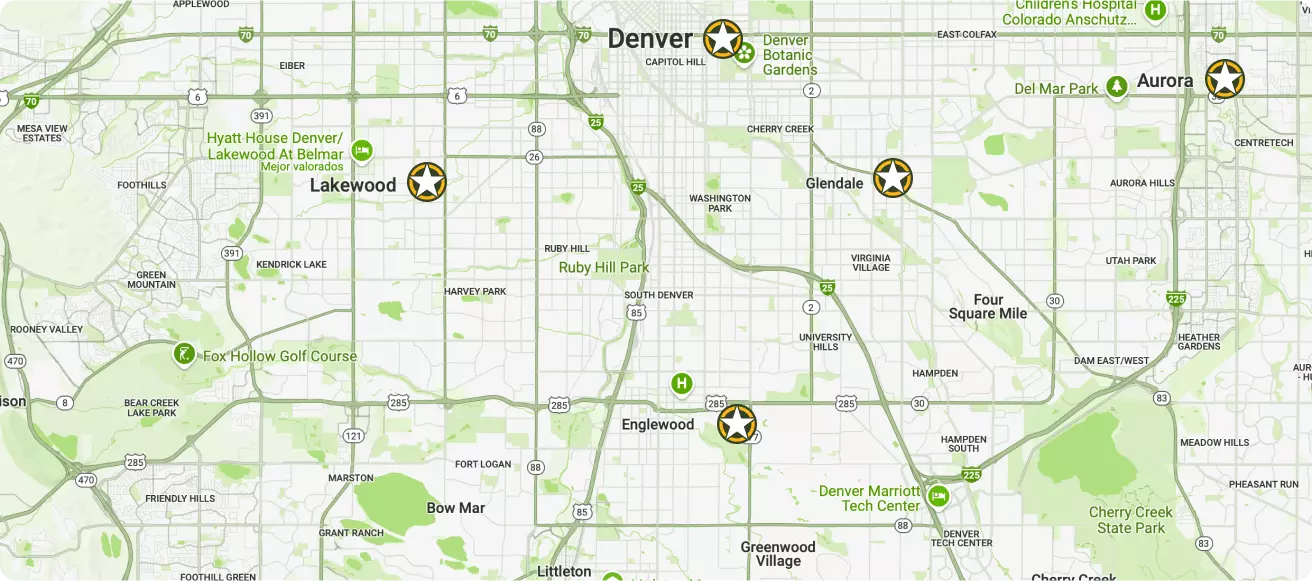
At Veteran Heating, Cooling, Plumbing & Electric, we take pride in serving our neighbors across the Denver Metro area—from Aurora to Lakewood and everywhere in between. As a veteran-led, locally owned company, we stand by our work with a lifetime warranty on parts and labor and a money-back satisfaction guarantee. We believe in honest, transparent service with no dispatch or trip fees.
Don't wait for your system to struggle. Schedule your professional mini split service today and let our expert technicians ensure your home stays perfectly conditioned all year long. Whether you need a routine check-up or a complex repair, we’re here to serve you with the integrity and excellence you deserve.
ABOUT Veteran Heating, Cooling, Plumbing & Electric
Veteran Heating, Cooling, Plumbing & Electric was founded on the belief that service should be personal, honest, and community-focused. Our team is built around integrity, professionalism, and a true commitment to your home’s comfort and safety.
Led by a U.S. Army veteran with over 30 years of industry experience, we’re proud to remain locally owned and operated. Every technician, plumber, and electrician is EPA-certified, background checked, and driven to exceed expectations.
- 24/7 ServiceWe offer weekend & 24/7 emergency service. We’re here whenever you need us—day, night, or weekend, no exceptions.
- $0 Trip FeesNo dispatch or trip fees. You’ll never pay just for us to show up—service starts when the work does.
OUR SERVICES
AIR CONDITIONING
.jpg)
We offer specialty and seasonal services like indoor air quality upgrades, pre-winter furnace checks, and summer AC tune-ups to keep your home prepared year-round.
Our Primary Air Conditioning Services Include:
Don't see the service you need? Call our Team today!
PLUMBING
From leaks to full system installs, our plumbing services cover everything you need for a safe, reliable home water system, 24/7.
Our Primary Plumbing Include:
- Water Heater Replacement
- Water Heater Repair
- Trenchless Sewer Line
- Water Filtration
- Slab Leak
- Sewer Line Repair
Don't see the service you need? Call our Team today!
ELECTRICAL

Our electrical services ensure your home stays safe and powered, from routine fixes to complete system upgrades.
Our Primary Electrical Services Include:
- House Rewiring
- Electrician
- Electric Panel Upgrade
- Electric Panel Replacement
- EV Chargers
- Whole House Generator
Don't see the service you need? Call our Team today!
HEATING
.jpg)
We install, repair, and maintain heating & furnace systems with expert care to keep your Colorado home comfortable and energy-efficient year-round.
Our Primary Heating Services Include:
- Heating Installation
- Heating Replacement
- Heating Maintenance
- Heating Repair
- Heating Service
- Heating Tune-Up
Don't see the service you need? Call our Team today!