
Facing the Fall Heating Startup with an Aging System
That familiar chill is creeping into the house, but when you finally bump up the thermostat, your aging equipment struggles to deliver any real warmth—making options comparisons for homeowners a sudden priority. Turning on the heat for the first time in autumn often reveals failing hardware that barely survived the previous winter. For many local residents, the October pre-winter heating startup becomes a critical decision point. You are immediately faced with a major choice: replace the failing unit with another traditional furnace or upgrade to a modern, high-efficiency heat pump.
Rushing this decision without understanding the full scope of installation requirements can lead to severe project delays. When the temperature drops, you do not have the luxury of waiting weeks for a complicated installation to wrap up. Many homeowners jump at the newest technology without realizing that their home might not be physically ready to support it. A realistic, expert assessment is required to ensure your home's infrastructure aligns with the system you choose.
When performing October pre-winter inspections across Denver, our team at Veteran Heating, Cooling, Plumbing & Electric frequently sees that homeowners focus entirely on the heating unit itself, ignoring the hidden requirements behind the walls. Whether you lean toward the familiar reliability of a gas furnace or the advanced efficiency of a heat pump, making an informed choice means looking at the entire picture. It requires evaluating your existing ductwork, your home's insulation, and, crucially, your electrical capacity before a single piece of new equipment is ordered.
By taking a step back and comparing your options thoroughly, you prevent mid-project surprises. The goal is to secure a reliable, efficient heating solution that will keep your home comfortable through the coldest months, without unexpected costs or frustrating installation delays.
Understanding the Demands of Our Regional Climate
Heating systems in the Denver metro area must handle extreme temperature swings, sometimes dropping dramatically within a single afternoon. It is not uncommon to experience a mild, sunny day that rapidly turns into a freezing night. These sudden fall freezes make heating startup delays entirely unacceptable. Your equipment must be robust enough to handle these rapid shifts without missing a beat.
Both traditional furnaces and modern cold-climate heat pumps are fully capable of handling these extremes, but they must be properly sized and installed. Sizing a system is not about simply replacing an old unit with a new one of the exact same capacity. It requires a detailed understanding of how your home retains heat.
• The altitude factor: Higher elevations affect air density, which in turn impacts how efficiently a heating system moves warm air through your ductwork. Proper adjustments must be made during installation to account for this.
• Rapid temperature drops: When the outside temperature plummets by forty degrees in a few hours, your heating system must have the capacity to recover quickly and maintain your indoor set point.
• Thermal envelope assessment: Evaluating a home's specific thermal envelope—how well your insulation, windows, and doors keep the cold out—is always step one for our technicians when assessing Denver properties. A poorly insulated home will force any system to work overtime.
Inadequate infrastructure or poor sizing will result in a system that runs constantly without actually keeping the home comfortable. An oversized unit will short-cycle, turning on and off rapidly, which wastes energy and wears out parts prematurely. An undersized unit will run continuously, driving up utility bills while leaving you shivering in your living room. Understanding these regional climate demands is essential for making a choice that provides long-term reliability.
Furnace vs. Heat Pump: Evaluating Your Core Heating Options
The primary comparison between traditional gas furnaces and modern heat pump systems comes down to how they source and distribute heat. Traditional gas furnaces provide rapid, high-heat output. They rely on burning fossil fuels to generate warmth, which is then blown through your ductwork. Because they only handle heating, they require a completely separate air conditioning unit for summer cooling.
Modern heat pumps operate on a fundamentally different principle. They offer highly efficient, all-electric heating and cooling from a single unit by transferring heat rather than generating it. Even in freezing temperatures, a cold-climate heat pump extracts ambient heat from the outside air and moves it indoors. During the summer, the process reverses, pulling heat out of your home to provide cooling. Just last fall, one local homeowner reached out when they needed a new heat pump installed before the first major freeze; our team went above and beyond to complete the installation efficiently, ensuring all their questions about the new technology were thoroughly answered.
Federal tax credits and general energy rebates may apply to qualifying high-efficiency heat pump installations, making them an attractive long-term investment. Homeowners should always verify current programs and eligibility requirements with a tax professional or their local utility provider.
• Heat Method — Traditional Gas Furnace: Generates heat by burning natural gas or propane. — Modern Heat Pump: Transfers heat from the outside air using electricity.
• Cooling Capability — Traditional Gas Furnace: None. Requires a separate AC unit. — Modern Heat Pump: Provides both heating and cooling from one system.
• Energy Source — Traditional Gas Furnace: Fossil fuels (gas) and minimal electricity for the blower. — Modern Heat Pump: 100% all-electric operation.
• Infrastructure Needs — Traditional Gas Furnace: Gas line connection, standard 110/120V outlet, dedicated venting. — Modern Heat Pump: Dedicated 220/240V electrical circuit, often a panel upgrade.
• Climate Suitability — Traditional Gas Furnace: Excellent for rapid heating in extreme, prolonged cold. — Modern Heat Pump: Highly efficient; modern units perform well even in freezing weather.
The best choice ultimately depends on your home's existing infrastructure, your long-term energy efficiency goals, and your readiness for complete electrification. If your home already has robust electrical capacity and you want to move away from fossil fuels, a heat pump is an exceptional choice. If you prefer the intense, immediate heat of a gas flame and are not ready for electrical upgrades, a high-efficiency furnace remains a reliable option.
The Hidden Hurdle: Electrical Panel Upgrades for Heat Pumps
A common oversight in heating replacements is assuming an older home's electrical panel can automatically handle a new, all-electric heat pump. This is the hidden hurdle that catches many homeowners off guard. When you transition from a gas furnace—which only uses a small amount of electricity to run a blower motor—to a heat pump that relies entirely on electricity to heat your entire home, the power demands increase significantly.
Modern heat pump installations typically require a dedicated 220/240V circuit. Older homes often necessitate a full 200-amp electrical panel upgrade to safely support this increased load alongside other major household appliances like electric ranges, dryers, and water heaters. Discovering this requirement mid-installation with an HVAC-only contractor can halt a project for days or even weeks while you scramble to hire an available electrician.
To avoid these frustrating delays, a proper electrical assessment must be part of the initial heating consultation. Here is how our electricians and HVAC technicians approach that process:
1. Initial Load Calculation: A professional evaluates your current electrical panel to determine its total capacity and how much power is already being drawn by existing appliances.
2. System Specification: The specific power requirements of the proposed heat pump are factored into the calculation to see if the current panel has enough safe, available space.
3. Infrastructure Planning: If the panel is undersized (common with older 100-amp panels), a comprehensive plan is created to upgrade the panel and run the necessary 220/240V wiring to the installation site.
4. Permitting and Execution: Both the HVAC installation and the electrical upgrades are scheduled and permitted together, ensuring a smooth, uninterrupted transition to your new heating system.
Skipping these steps is a recipe for disaster. There is nothing worse than having your old furnace removed, only to find out the new heat pump cannot be wired in safely. By addressing the electrical requirements upfront, you ensure your home stays warm and your project stays on track.

Why Multi-Trade Expertise Eliminates Installation Surprises
Homeowners reading veteran heating, cooling, plumbing & electric reviews often note the profound peace of mind that comes from hiring a single, unified team. When you are undertaking a major home upgrade like a heat pump conversion, coordination is everything. Because both HVAC and electrical work are handled in-house by our veteran-led team, complete readiness assessments are performed before the project ever begins.
This multi-trade approach eliminates the classic finger-pointing between separate HVAC subcontractors and outside electricians. If an HVAC-only company installs a unit that trips your breakers, they will likely tell you to call an electrician. If the electrician says the unit is drawing too much power, they will tell you to call the HVAC company back. You are left caught in the middle, paying for extra service calls while your house remains cold. Working with a veteran-owned company means you get the same level of discipline and accountability that military service demands—one team takes full responsibility for the entire project.
A unified team assesses your home holistically. We look at the mechanical needs of the heating equipment and the electrical backbone required to run it safely. Whether a project requires complex electrical load calculations to support a new heat pump, or you need reliable pipe repair methods as part of a broader home update, a multi-trade team handles it efficiently. This comprehensive perspective ensures that every aspect of your home's infrastructure is respected and upgraded correctly, resulting in a seamless, surprise-free installation experience.
The Value of Choosing a Recognized Midea Elite Dealer
Not all heating contractors have the manufacturer backing and specialized training required to install top-tier equipment correctly. Partnering with a recognized Midea Elite dealer ensures that the equipment you purchase is sized accurately and installed strictly according to the manufacturer's exact specifications. This distinction matters deeply when you are investing in a system designed to last for over a decade.
Proper installation is just as critical as the equipment itself when it comes to long-term reliability and achieving advertised efficiency ratings. Even the most advanced, high-efficiency heat pump will perform poorly if the ductwork is mismatched, the refrigerant charge is incorrect, or the electrical supply is unstable. Elite dealers undergo rigorous, ongoing training directly from the manufacturer to master these precise technical details.
As a recognized Midea Elite dealer, our team's hands-on experience shows that high-quality equipment backed by disciplined installation practices results in significantly fewer mid-winter breakdowns across the Denver metro area. When a system is installed by a certified dealer, you also benefit from robust warranty protections. Manufacturers stand behind their products more confidently when they know the installation was handled by trained professionals who refuse to cut corners. By choosing an elite dealer, you are not just buying a piece of hardware; you are investing in the verified expertise required to make that hardware perform flawlessly through the toughest winter weather.
Common Questions About Heating Upgrades and Electrical Needs
Do I need to upgrade my electrical panel for a heat pump?
Often, yes. Heat pumps require a dedicated 220/240V circuit to operate safely and efficiently. Older homes with 100-amp panels typically need a 200-amp panel upgrade to handle this new load alongside your existing appliances. A professional electrical assessment will determine exactly what your home requires before installation begins.
What is the difference between a furnace and a heat pump?
Furnaces burn fuel, such as natural gas or propane, to generate heat directly. Heat pumps, on the other hand, use electricity to transfer heat from the outside air into your home. Because they move heat rather than create it, heat pumps can also operate in reverse, providing both heating in the winter and cooling in the summer from a single unit.
Can a heat pump fully replace a gas furnace in cold climates?
Yes, modern cold-climate heat pumps are specifically designed to operate efficiently even in freezing temperatures. They utilize advanced compressors to extract heat from very cold air. However, proper sizing, accurate load calculations, and professional installation are absolutely critical to ensure reliable winter performance in extreme weather.
Are there tax credits available for installing a heat pump?
Federal tax credits and local utility rebates may apply to qualifying high-efficiency heat pump installations, making the transition more affordable. Because these incentive programs change frequently and have specific equipment requirements, homeowners should always verify current programs and their personal eligibility with a qualified tax professional.
Why should I hire a contractor who handles both HVAC and electrical?
Hiring a multi-trade contractor prevents frustrating project delays and miscommunication between separate companies. A unified team assesses both your mechanical heating needs and your home's electrical capacity upfront. This ensures that any necessary panel upgrades are handled seamlessly alongside the HVAC installation, with no finger-pointing.
Make a Confident Heating Decision Before Winter Freezes Hit
Choosing between a traditional gas furnace and a modern heat pump requires looking at the whole picture, extending far beyond just the heating unit itself to include your home's vital electrical panel. Rushing into an upgrade without understanding these hidden infrastructure needs often leads to stalled projects and cold nights. A comprehensive, multi-trade assessment gives you the concrete facts you need to proceed without mid-project surprises.
By evaluating your ductwork, thermal envelope, and electrical capacity simultaneously, you gain a realistic, expert comparison of what it actually takes to upgrade your home. Schedule an evaluation with our disciplined, in-house team today to weigh your options safely and accurately before the harsh winter weather arrives.
ABOUT Veteran Heating, Cooling, Plumbing & Electric
Veteran Heating, Cooling, Plumbing & Electric was founded on the belief that service should be personal, honest, and community-focused. Our team is built around integrity, professionalism, and a true commitment to your home’s comfort and safety.
Led by a U.S. Army veteran with over 30 years of industry experience, we’re proud to remain locally owned and operated. Every technician, plumber, and electrician is EPA-certified, background checked, and driven to exceed expectations.
- 24/7 ServiceWe offer weekend & 24/7 emergency service. We’re here whenever you need us—day, night, or weekend, no exceptions.
- $0 Trip FeesNo dispatch or trip fees. You’ll never pay just for us to show up—service starts when the work does.
OUR SERVICES
AIR CONDITIONING

We offer specialty and seasonal services like indoor air quality upgrades, pre-winter furnace checks, and summer AC tune-ups to keep your home prepared year-round.
Our Primary Air Conditioning Services Include:
Don't see the service you need? Call our Team today!
PLUMBING
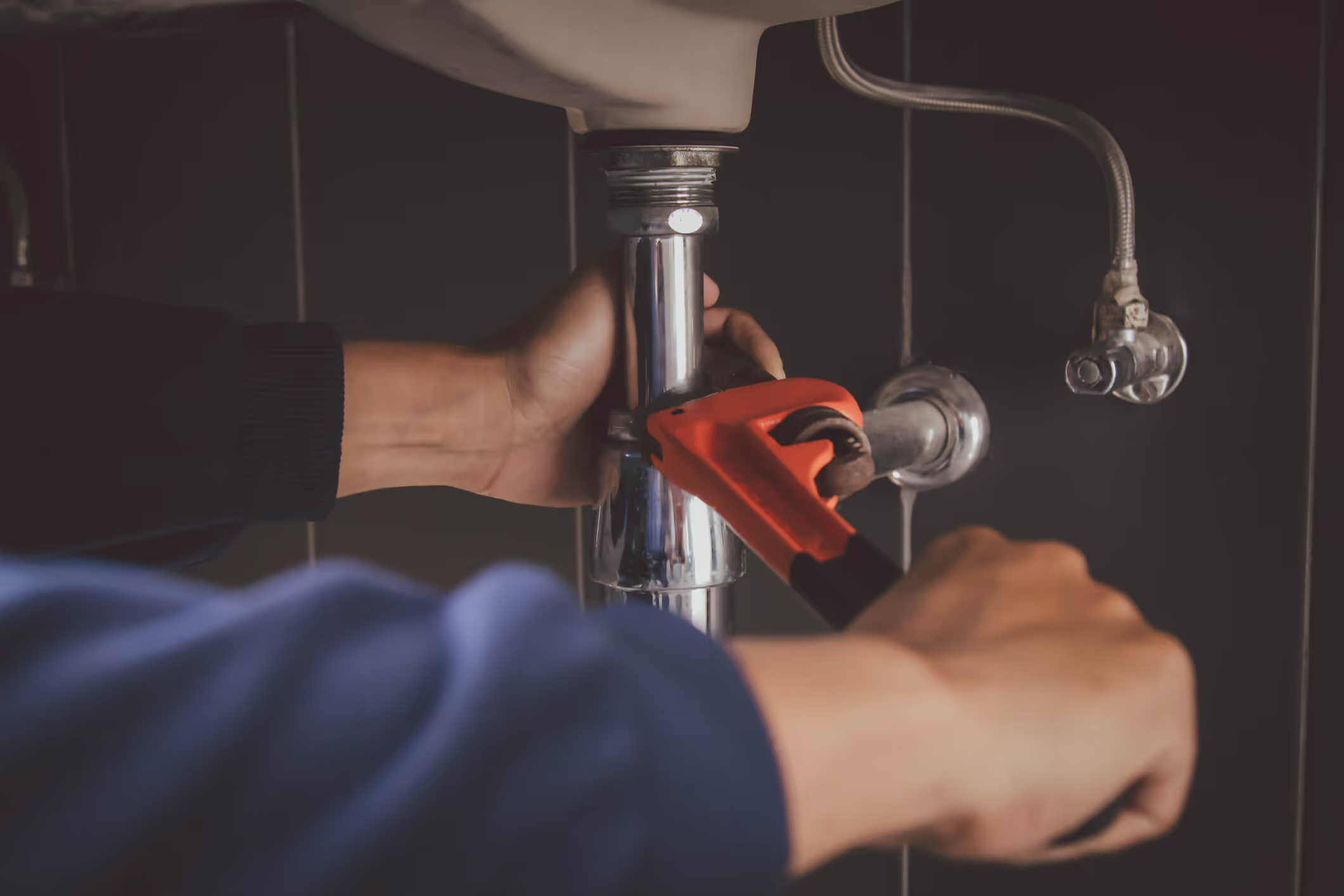
From leaks to full system installs, our plumbing services cover everything you need for a safe, reliable home water system, 24/7.
Our Primary Plumbing Include:
- Water Heater Replacement
- Water Heater Repair
- Trenchless Sewer Line
- Water Filtration
- Slab Leak
- Sewer Line Repair
Don't see the service you need? Call our Team today!
ELECTRICAL

Our electrical services ensure your home stays safe and powered, from routine fixes to complete system upgrades.
Our Primary Electrical Services Include:
- House Rewiring
- Electrician
- Electric Panel Upgrade
- Electric Panel Replacement
- EV Chargers
- Whole House Generator
Don't see the service you need? Call our Team today!
HEATING

We install, repair, and maintain heating & furnace systems with expert care to keep your Colorado home comfortable and energy-efficient year-round.
Our Primary Heating Services Include:
- Heating Installation
- Heating Replacement
- Heating Maintenance
- Heating Repair
- Heating Service
- Heating Tune-Up
Don't see the service you need? Call our Team today!