
The Dangerous Misconception About Frost-Free Plumbing
There is a widespread myth that having a "frost-free" fixture on the exterior of your home means you can completely ignore your winter plumbing prep. When you are researching how to winterize outdoor faucets, you might think your modern fixtures give you a free pass. Most homeowners assume that frost-free means maintenance-free. But the truth is, the plumbing fixture itself rarely fails on its own.
It is almost always human error—specifically, leaving a garden hose attached—that overrides the brilliant mechanical design. This simple oversight traps water inside the pipe where it has absolutely no room to move. When those early November deep freezes hit, that trapped water freezes solid and bursts the internal stem right inside your wall. At Veteran Heating, Cooling, Plumbing & Electric, our team sees this exact scenario play out year after year across Denver. Understanding why this happens is the first step in protecting your home from a catastrophic winter water leak.
The Physics of Expanding Ice and Hidden Pipe Pressure
To understand why winterization is non-negotiable, you have to look at the scientific reality of freezing water. Water behaves differently than almost any other substance on earth when its temperature drops. In our years responding to emergency calls across the Denver metro area, our technicians have seen firsthand how this basic fluid mechanics principle is the root cause of countless winter plumbing disasters.
The 9 Percent Expansion Rule
As water transitions from a liquid to a solid state, its molecules arrange themselves into a crystalline structure. This structural change forces the water to expand by approximately 9 percent in volume. If you pour water on the ground and it freezes, that expansion is harmless because the ice has infinite room to grow.
However, when water is trapped inside a rigid, closed container—like an outdoor plumbing pipe—it has nowhere to go. Because the ice cannot expand outward into open air, it expands directly against the interior walls of the pipe.
Why Brass and Copper Fail
The sheer force of freezing water: That 9 percent expansion is not a gentle push. Freezing water exerts immense, localized pressure on its surroundings—up to 2,000 pounds per square inch (psi).
Standard copper and brass plumbing components are completely incapable of withstanding this level of concentrated pressure. The tensile strength of standard residential plumbing metals maxes out long before the ice stops expanding. When our emergency plumbers are dispatched to homes during Denver's deep freezes, we see the catastrophic results of this buildup. The metal does not just crack; it splits violently, creating a massive opening for water to flood through once the ice eventually thaws.
• Liquid (Above 32°F) — Volume Change: Baseline (0%) — Resulting Pipe Pressure: Normal municipal pressure (40-80 psi) — Impact on Copper/Brass: Operates safely within design limits
• Freezing (At 32°F) — Volume Change: Expands by ~9% — Resulting Pipe Pressure: Spikes up to 2,000 psi — Impact on Copper/Brass: Exceeds tensile strength limits
• Solid Ice (Below 32°F) — Volume Change: Maximum expansion — Resulting Pipe Pressure: Pressure maintained against walls — Impact on Copper/Brass: Metal ruptures and splits open
Inside the Wall: How Frost-Free Hose Bibs Actually Work
To prevent this extreme pressure from destroying your pipes, modern homes use a specialized fixture called a frost-free hose bib (or sillcock). If you want to protect your home, you need a clear, mechanical breakdown of what this device actually does. It looks like a standard spigot from the outside, but its anatomy is drastically different.
The Extended Stem Mechanism
The actual shut-off valve on a frost-free bib is not located right behind the exterior handle where you attach the hose. Instead, the handle connects to a long internal rod or stem.
1. The long reach: This internal stem is typically 8 to 12 inches long, extending deep into the structure of your house.
2. The internal seat: The rubber washer that actually stops the flow of water sits at the very far end of this long stem.
3. The drainage path: When you turn the handle to the "off" position, the valve closes deep inside the wall. The remaining water in the 8-to-12-inch tube then drains out the front of the bib by gravity.
The Heated Envelope Concept
This long stem design places the actual shut-off mechanism safely inside the heated envelope of your home. The ambient heat from your interior rooms keeps the valve and the active water supply well above freezing temperatures.
During the annual plumbing checks our Veteran team performs, one thing we see often is homeowners misunderstanding this concept. The system relies entirely on the outer tube being completely empty. If the exterior portion of the pipe is hollow and filled only with air, there is nothing left to freeze. The frost-free design works perfectly—but only if the water is allowed to drain away.

The Fatal Flaw: How an Attached Garden Hose Overrides the Design
The entire mechanical brilliance of a frost-free hose bib falls apart the moment you leave a garden hose attached during freezing weather. This is the specific homeowner error that causes the system to fail, turning a safe fixture into a hidden liability.
Trapping Water in the Cold Zone
When you turn off the faucet with a hose still screwed tightly onto the threads, you create a physical blockage and a vacuum effect. The water in the 8-to-12-inch outer tube cannot drain out. It is now trapped in the "cold zone"—the exterior portion of the stem that sits just outside your home's heated envelope.
Because this trapped water is exposed directly to freezing ambient air, it quickly turns to ice. The sequence of failure is rapid and brutal. The water freezes, expands by 9 percent, and splits the copper outer casing of the stem. Because this casing sits inside your exterior wall, the rupture happens completely out of sight.
The Delayed Discovery of Burst Pipes
The delayed nightmare: The burst happens during the early November deep freezes, but you usually will not know it right away. The actual shut-off valve deep inside the house is still holding the main water supply back.
The catastrophic leak inside the wall only becomes apparent the next time you turn the faucet on—often months later in the spring. When you open the valve to water your lawn, full-pressure water rushes past the shut-off point and sprays violently out of the split copper casing directly into your wall cavity, soaking your insulation, drywall, and flooring. If you discover this kind of damage, knowing what to do if you have a frozen or burst pipe is critical to minimizing the flooding.
Why Rapid Temperature Plummets Catch Homeowners Off Guard
Understanding the mechanical failure is only half the battle; understanding your local climate is the other. The urgency of winterization is directly tied to the weather patterns that cause sudden, unexpected freezes.
Fluctuating fall temperatures create a dangerous false sense of security for homeowners. Gradual seasonal changes are easy to predict, and they give you plenty of time to prepare your home. But sudden hard deep freezes require proactive readiness.
As a local Denver plumbing company, we know that living at an elevation of 5,280 feet in a semi-arid climate means dealing with extreme and rapid temperature swings. It is incredibly common to experience a beautiful, mild 60-degree fall afternoon that plummets to a pipe-bursting 15-degree night in a matter of hours.
Because the drop is so severe and so fast, it leaves absolutely no time for last-minute preparation in the dark. Waiting for the local news to issue the first official freeze warning is often too late to safely winterize outdoor plumbing. You must secure your fixtures while the weather is still warm.
Safe Pre-Winter Readiness Steps for Homeowners
Protecting your home does not require complex tools, but it does require strict attention to detail. Here are the actionable, safe homeowner preparation steps you need to take before those early November deep freezes arrive.
• Step 1: Physically disconnect everything. Remove all garden hoses, splitters, Y-valves, and automated watering timers from every single outdoor faucet on your property. Even a small plastic splitter can trap enough water to burst the pipe.
• Step 2: Drain and store hoses. Drain the hoses completely by walking them out from end to end. Store them in a garage or shed to prevent the rubber and plastic materials from degrading and cracking over the winter.
• Step 3: Verify the drainage. Turn off the frost-free bib tightly, then visually verify that the remaining water trickles out of the spout. This confirms the vacuum is broken and the internal stem is empty.
• Step 4: Manage non-frost-free bibs. If your home has older, standard spigots that are not frost-free, you must locate the interior shut-off valve (usually in a basement or crawlspace). Turn off the water supply to that specific line, then go back outside and open the bleeder cap or turn the handle on to drain the remaining water out of the line.
A crucial reminder: These are safe preparatory steps meant for general home maintenance. Any actual plumbing modifications, pipe replacements, or internal valve repairs require a licensed professional. Do not attempt to cut into your home's plumbing lines yourself.
Proactive Readiness vs. Reactive Emergency Calls
Winterization should not be viewed as a casual weekend tip; it is a disciplined maintenance protocol. The difference between a peaceful winter and a flooded basement comes down to how seriously you take your home's infrastructure.
The Value of Disciplined Preventative Maintenance
At Veteran Heating, Cooling, Plumbing & Electric, our veteran-owned ethos means we bring a disciplined, military-style approach to preventative maintenance. We view the disconnection of hoses and the verification of drainage as a strict pre-winter readiness protocol. It is about mechanical precision and protecting the home's operational integrity.
The stress, expense, and extensive water damage of a reactive emergency plumbing call are massive burdens on a family. Yet, in our years of providing plumbing demand service to the Denver community, we find the vast majority of winter pipe bursts are entirely preventable with this kind of disciplined preparation.
Routine evaluations shift your mindset from "fixing what is broken" to "protecting what works." As an annual plumbing check provider, we use these routine visits to catch failing mechanisms—like a worn-out internal washer on a frost-free bib—long before they are tested by extreme weather.
Frequently Asked Questions About Outdoor Faucet Winterization
Do I need to cover frost-free outdoor faucets?
The short answer is no, as long as the hose is disconnected. Frost-free faucets are designed to pull the water back into the heated envelope of the home, leaving the exterior portion completely empty. Adding an insulated foam cover over an empty pipe does not provide any additional benefit, though it will not hurt the fixture if you choose to use one.
At what temperature do outside faucets freeze?
Water freezes at 32°F, but pipes typically burst when temperatures drop to 20°F or below for several consecutive hours. Wind chill does not cause pipes to freeze faster, but a lack of sunlight and sudden overnight drops in the Denver metro area can rapidly accelerate the freezing process inside exposed metal fixtures.
Should outside faucets be left open in winter?
If you have an older, standard spigot (not frost-free) and you have turned off the water supply from the inside of the house, our plumbers recommend leaving the outside handle turned to the "open" position. This allows any residual droplets of water to expand safely without building pressure. For modern frost-free bibs, simply turn them off normally and remove the hose.
How do you winterize an outside faucet without a shut-off valve?
If you do not have an interior shut-off valve and your faucet is not a frost-free model, you are at a high risk for burst pipes. You must disconnect the hose, wrap the exterior spigot heavily with specialized plumbing insulation, and install a hard foam faucet cover. Ultimately, you should have a licensed plumber install an interior shut-off valve or upgrade the fixture to a frost-free model.
Why does my outdoor faucet drip in winter?
A dripping outdoor faucet in winter usually means the internal rubber washer at the end of the stem has worn out or seated improperly. Because the valve is not sealing completely, water is slowly leaking into the cold zone of the pipe. This is highly dangerous during freezing weather, as that slow drip can freeze solid and block the pipe entirely.
Does "frost-free" mean I never have to winterize?
Absolutely not. The term "frost-free" only applies to the mechanical design of the bare fixture. You still have to perform the most critical winterization step: physically removing the garden hose so the fixture can drain properly before freezing temperatures arrive.
Secure Your Outdoor Plumbing Before the Next Hard Freeze
Understanding how to winterize outdoor faucets effectively comes down to respecting the mechanics of your home. Knowing how frost-free hose bibs actually work is the first step in preventing devastating winter water damage. The fixtures are designed to protect you, but they need your help to function properly.
We cannot overstate this: removing the garden hose is the single most important action a homeowner can take before the cold weather sets in. It breaks the vacuum, drains the cold zone, and neutralizes the threat of expanding ice. Take the time today to ensure your entire plumbing system is ready for winter. If you want the peace of mind that comes from a thorough system evaluation, reach out to us. As Denver's trusted annual plumbing check provider, the team at Veteran Heating, Cooling, Plumbing & Electric is here to help you protect your home long before the deep November freezes arrive.
ABOUT Veteran Heating, Cooling, Plumbing & Electric
Veteran Heating, Cooling, Plumbing & Electric was founded on the belief that service should be personal, honest, and community-focused. Our team is built around integrity, professionalism, and a true commitment to your home’s comfort and safety.
Led by a U.S. Army veteran with over 30 years of industry experience, we’re proud to remain locally owned and operated. Every technician, plumber, and electrician is EPA-certified, background checked, and driven to exceed expectations.
- 24/7 ServiceWe offer weekend & 24/7 emergency service. We’re here whenever you need us—day, night, or weekend, no exceptions.
- $0 Trip FeesNo dispatch or trip fees. You’ll never pay just for us to show up—service starts when the work does.
OUR SERVICES
AIR CONDITIONING

We offer specialty and seasonal services like indoor air quality upgrades, pre-winter furnace checks, and summer AC tune-ups to keep your home prepared year-round.
Our Primary Air Conditioning Services Include:
Don't see the service you need? Call our Team today!
PLUMBING
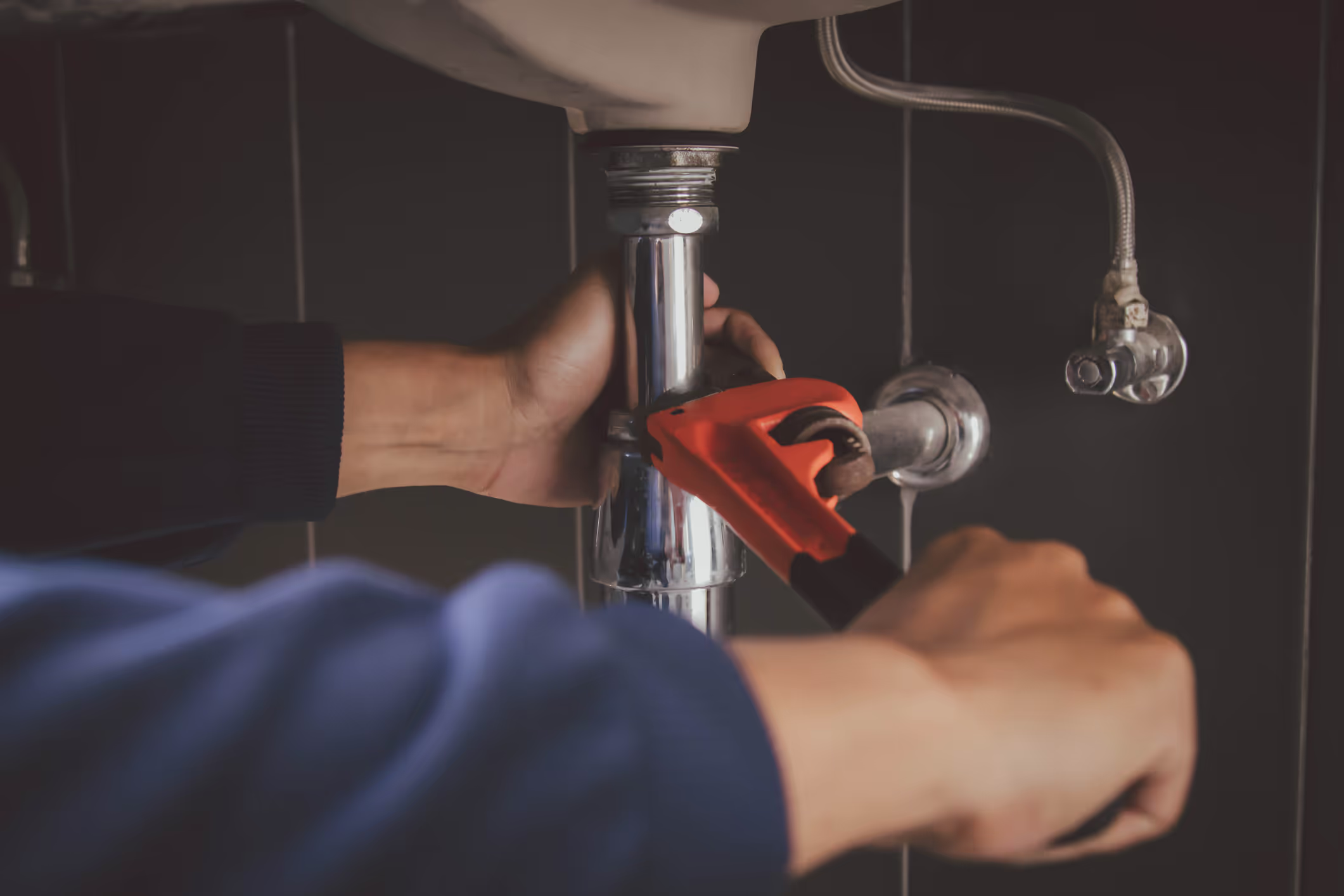
From leaks to full system installs, our plumbing services cover everything you need for a safe, reliable home water system, 24/7.
Our Primary Plumbing Include:
- Water Heater Replacement
- Water Heater Repair
- Trenchless Sewer Line
- Water Filtration
- Slab Leak
- Sewer Line Repair
Don't see the service you need? Call our Team today!
ELECTRICAL

Our electrical services ensure your home stays safe and powered, from routine fixes to complete system upgrades.
Our Primary Electrical Services Include:
- House Rewiring
- Electrician
- Electric Panel Upgrade
- Electric Panel Replacement
- EV Chargers
- Whole House Generator
Don't see the service you need? Call our Team today!
HEATING

We install, repair, and maintain heating & furnace systems with expert care to keep your Colorado home comfortable and energy-efficient year-round.
Our Primary Heating Services Include:
- Heating Installation
- Heating Replacement
- Heating Maintenance
- Heating Repair
- Heating Service
- Heating Tune-Up
Don't see the service you need? Call our Team today!