
Bracing for the Storm: When Winter Weather Meets the Electrical Grid
November early-winter blizzards are just around the corner, and they bring more than just freezing temperatures—they introduce severe, unpredictable stress to the local power grid. Understanding how winter storms cause electrical surges is the first step in protecting your home's most critical infrastructure. When heavy, wet snow characteristic of early winter storms overburdens tree limbs and power lines, the resulting grid failures do more than just turn the lights off. They create massive electrical fluctuations that can permanently damage the appliances you rely on most.
The concrete problem many homeowners face is that grid fluctuations and sudden power restorations send damaging electrical surges directly into home electrical panels. It is not just the outage that causes harm; it is the violent return of electricity. This puts you at a critical decision point: you must decide whether to proactively upgrade your electrical panel or install whole-house surge protection before peak storms arrive, or risk catastrophic damage to your heating equipment right when you need it most.
At Veteran Heating, Cooling, Plumbing & Electric, our teams spend every November preparing Denver homes for the freezing months ahead. In our experience assessing home infrastructure after severe weather, we see a distinct pattern. Homes with outdated panels or zero surge defense frequently suffer from fried control boards and degraded wiring after a major freeze. We approach this from a methodology-driven perspective, rooted in multi-trade expertise across heating, cooling, and electrical systems. We know exactly how these systems interact, and we know that the reality of winter grid failures requires a disciplined, proactive approach to home defense. Preparing your home is not just about weatherstripping doors; it is about ensuring your electrical gateway can withstand the incoming storm.
Step-by-Step: The Mechanics of a Weather-Induced Power Surge
To truly protect your home, you need to understand exactly how weather events translate into electrical anomalies. The process is rarely as simple as a switch turning off and on. In our years servicing the Denver metro area, our technicians have seen firsthand how the specific vulnerabilities of urban and suburban grids become obvious when subjected to rapid temperature drops and sudden heavy snow accumulation. Here is the chronological breakdown of how a winter storm generates a dangerous electrical surge.
1. Phase 1: The Initial Grid Fault. As temperatures plummet, ice accumulation and heavy snow physically weigh down power lines. Tree branches, burdened by wet snow, snap and bridge electrical connections or tear lines down entirely. This physical damage creates an immediate short circuit in the local neighborhood grid.
2. Phase 2: Localized Destabilization. The immediate grid fault creates localized outages, but it also destabilizes the surrounding electrical infrastructure. Before the power goes out completely, the grid struggles to re-route electricity. This causes voltage to wildly fluctuate across the remaining active lines, sending inconsistent power levels into your home's electrical panel.
3. Phase 3: The Restoration Spike. This is the most dangerous phase. When the utility company finally clears the downed line and restores power, the electricity does not return at a gentle, steady pace. Instead, a massive wave of electricity—significantly exceeding the standard 120V/240V your home is built to handle—floods the grid.
4. Phase 4: The Panel Impact. This sudden influx of high voltage is the primary mechanism that causes a "surge" to enter the home's electrical panel. If the panel lacks proper surge protection, this massive wave of electrical pressure blows right past standard circuit breakers and travels directly into your home's wiring, seeking the path of least resistance—which is usually your most expensive appliances.

The Hidden Danger of Intermittent Grid Fluctuations
The Problem: Beyond the Blackout
Many homeowners mistakenly believe that electrical damage only happens at the exact moment the power comes back on after a total blackout. However, the intermittent grid fluctuations that occur during November early-winter blizzards are often just as destructive. As the utility grid struggles to maintain balance against falling trees and snapping wires, your home experiences "brownouts"—periods where the voltage drops below the standard level required to run your appliances.
The Cause: Electrical Starvation
When lights flicker and power dips, your home's electrical system is essentially starving for voltage. Electric motors, like those found in your refrigerator, furnace blower, or heat pump compressor, are designed to do a specific amount of work. If the voltage drops during a brownout, these motors are forced to draw more electrical current (amperage) to compensate and keep spinning. This sudden increase in current generates excessive heat inside the motor windings and the surrounding wiring.
The Solution: Recognizing Sustained Stress
This sustained electrical stress degrades wiring insulation over time and drastically shortens the lifespan of home appliances. A motor that has overheated during a winter brownout may not fail immediately, but its internal components are permanently weakened. To understand the different types of grid anomalies, consider this breakdown:
• Blackout — What Happens: Total loss of utility power to the home. — Impact on Home Appliances: Appliances shut down safely; risk occurs during restoration.
• Brownout (Dip) — What Happens: Voltage drops below standard levels for a sustained period. — Impact on Home Appliances: Motors draw excess current, overheat, and degrade insulation.
• Power Surge (Spike) — What Happens: Massive, sudden influx of voltage exceeding 120V/240V. — Impact on Home Appliances: Instantly fries microprocessors and sensitive electronic control boards.
Understanding these fluctuations is critical because they are incredibly common during prolonged winter weather events. Your electrical panel is on the front lines of this battle, absorbing every dip and spike the grid throws at it.
Why High-Efficiency HVAC Systems Are Highly Vulnerable
It is easy to think of a power surge as a threat to your television or desktop computer, but the reality is far more serious. Modern, high-efficiency heating systems are essentially large computers. Systems like premium Midea heat pumps rely on delicate inverter boards, microprocessors, and complex electronic controls to deliver precise, energy-efficient comfort. This advanced technology makes them highly susceptible to the exact type of voltage fluctuations caused by winter storms.
A sudden voltage spike easily bypasses standard circuit breakers. Standard breakers are designed to trip when too much volume (amperage) flows through them, but they react too slowly to stop a high-pressure wave (voltage) from a restoration spike. When that overvoltage hits the delicate inverter board of a high-efficiency heat pump, it instantly fries the sensitive electronic controls. The system goes completely dead, or begins behaving erratically, often requiring a total replacement of the main control board.
The catastrophic loss of a new heating system in the dead of winter is vastly different from losing a standard consumer electronic device. You can live without a television for a few days; you cannot safely live without heat when temperatures are below freezing. This is why connecting your electrical panel's vulnerability directly to the survival of your expensive heating equipment is so vital.
If your system starts acting up after a storm, it is important to know what you are looking at. Distinguishing between normal dust burn-off and a serious electrical issue is crucial. Normal operational smells usually dissipate quickly, but a sharp, acrid odor of burnt plastic or ozone near your heat pump or furnace is a massive red flag that a power surge has compromised the electronic components. If you notice strange operational signs—like the system short-cycling, refusing to respond to the thermostat, or displaying error codes after a storm—it has likely suffered electrical damage rather than standard wear and tear.
The Role of the Electrical Panel in Managing Winter Grid Stress
Your electrical panel functions as the home's gateway and primary shield against external grid anomalies. However, many homeowners misunderstand what the panel is actually equipped to do. When our electricians inspect homes across the Denver metro area—which range from brand-new builds to mid-century properties—we consistently find that the state of the electrical panel dictates how well the home can weather a storm.
Circuit Breakers vs. Surge Protection
It is vital to define the difference between standard circuit breakers and true surge protection. Standard circuit breakers protect against overcurrent (short circuits and overloaded circuits). If you plug too many space heaters into one room, the breaker trips to prevent the wires from melting and starting a fire. However, standard breakers do absolutely nothing to protect against overvoltage. When a restoration spike sends thousands of excess volts down the line, a standard breaker allows that pressure right through to your appliances.
The Danger of Outdated Panels
An outdated or undersized electrical panel fails to block rapid restoration spikes, and it also struggles to manage the daily load of modern appliances. Furthermore, the physical toll that repeated winter grid fluctuations take on panel busbars and breaker connections over time is significant. As power dips and spikes, connections expand and contract with the changing heat loads. Over years of winter storms, these connections loosen, leading to arcing, buzzing panels, and an increased risk of electrical failure.
• Loose connections: Repeated thermal expansion degrades the grip breakers have on the main busbar.
• Corrosion: Moisture and temperature swings can cause micro-corrosion on vital electrical contacts.
• Obsolete technology: Older panels simply were not engineered to support the continuous, heavy electrical draw of modern heat pumps and EV chargers.
A strict warning regarding electrical safety: There is a strict rule against DIY electrical work. The amount of raw, unmitigated power entering your main electrical panel is lethal. Emphasizing the lethal dangers of opening a panel without professional licensing cannot be overstated. Only a certified professional has the training and protective equipment to safely inspect, test, or upgrade the components inside your home's electrical gateway.
Defending Your Home: Proactive Electrical Safeguards
Because winter grid fluctuations are entirely out of your control, the only way to protect your home's infrastructure is to implement professional, non-DIY solutions before the storms hit. Waiting until after a power surge has destroyed your Midea heat pumps or other critical appliances is a costly mistake.
Why Power Strips Are Not Enough
Many homeowners assume that plugging their devices into a basic, off-the-shelf power strip provides adequate protection. However, standard plug-in power strips are entirely insufficient for whole-home defense or high-load appliances. First, a power strip only protects what is plugged directly into it—leaving your hardwired furnace, heat pump, water heater, and major kitchen appliances completely exposed. Second, consumer-grade power strips have a very low Joule rating, meaning they can only absorb a tiny amount of excess voltage before they fail. A major winter restoration spike will blow right through a standard strip.
Whole-House Surge Protection
The most effective mechanism for defending your home is whole-house surge protection installed directly at the main electrical panel. This device acts as a pressure relief valve for your entire electrical system. When a massive voltage spike enters from the utility line, the whole-house surge protector instantly detects the overvoltage and shunts the excess electrical pressure safely directly into the ground wire, away from your home's circuits. This protects every single motor, appliance, and outlet in the house simultaneously.
Upgrading the Main Panel
For homes with aging infrastructure that cannot support modern electrical loads safely, an electrical panel upgrade is highly valuable. Upgrading from an old 100-amp panel to a robust 200-amp system ensures that the busbars, breakers, and grounding systems are fresh, tight, and built to handle the heavy demands of modern high-efficiency heating systems.
We frame these upgrades as a disciplined, proactive safeguarding measure. Working with a veteran-minded commitment to home defense means we believe in securing the perimeter before the threat arrives. By fortifying your electrical panel and installing whole-house surge defense, you are taking a proactive stance, ensuring that no matter how unstable the winter grid becomes, your home's critical heating infrastructure remains protected and operational.
Frequently Asked Questions About Winter Power Surges
How do winter power outages cause electrical surges?
Winter power outages cause surges primarily during the restoration phase. When utility crews repair downed lines and flip the power back on, the electricity rushes back into the neighborhood grid in a massive, uncontrolled wave. This sudden spike in voltage easily exceeds the standard 120V/240V limit, pushing a damaging wave of electrical pressure directly into your home's panel.
Can snow and ice directly cause a power surge?
Yes, heavy snow and ice can directly trigger a power surge by causing physical damage to the grid. During November early-winter blizzards, the weight of wet snow snaps tree branches, which then crash into power lines. When these active lines touch each other or ground out against a tree, it creates violent, localized electrical faults and severe voltage fluctuations across the immediate neighborhood.
Should I unplug my appliances during a severe winter storm?
Unplugging sensitive electronics is a smart, immediate defense if you do not have whole-house surge protection installed. By physically disconnecting the plug from the wall, you completely remove the pathway for a power surge to reach the device. However, you cannot unplug hardwired systems like your furnace or heat pump, which is why panel-level protection is ultimately required for true home safety.
Do power surges always happen when the power comes back on?
Power surges do not happen every single time the power is restored, but the risk is exceptionally high after a major storm-related outage. The severity of the restoration spike depends on how much of the local grid was damaged and how the utility company re-energizes the substations. Because you cannot predict when a massive spike will occur, continuous panel-level protection is the only reliable defense.
How do I protect my high-efficiency heat pump from grid fluctuations?
The best way to protect a high-efficiency heat pump from grid fluctuations is to have a licensed professional install a whole-house surge protector directly at your main electrical panel. Heat pumps rely on sensitive inverter boards and microprocessors that can be instantly destroyed by overvoltage. A panel-mounted surge protector stops the spike before it ever reaches the HVAC equipment's dedicated circuit.
Are whole-house surge protectors necessary for modern electrical panels?
Yes, whole-house surge protectors are highly necessary even if you have a brand-new electrical panel. Modern circuit breakers are designed to stop overcurrent (preventing fires from overloaded wires), but they are not designed to block overvoltage (spikes from the utility grid). Only a dedicated surge protection device can detect and divert the high-voltage spikes that threaten your home's modern appliances.
Secure Your Electrical System Before the Next Blizzard Hits
While severe winter grid fluctuations in the Denver metro area are inevitable, catastrophic damage to your home heating systems is entirely preventable. Taking a proactive approach to your home's electrical health ensures that your family stays warm and your expensive appliances stay safe, no matter what happens to the neighborhood power lines.
At Veteran Heating, Cooling, Plumbing & Electric, we highly encourage homeowners to prioritize electrical readiness alongside traditional winterization tasks like sealing windows and scheduling heating maintenance. Now is the time to secure your infrastructure. Consider scheduling a professional panel inspection to evaluate your home's current defenses, and explore whole-house surge protection options before the next major freeze puts your system to the test.
ABOUT Veteran Heating, Cooling, Plumbing & Electric
Veteran Heating, Cooling, Plumbing & Electric was founded on the belief that service should be personal, honest, and community-focused. Our team is built around integrity, professionalism, and a true commitment to your home’s comfort and safety.
Led by a U.S. Army veteran with over 30 years of industry experience, we’re proud to remain locally owned and operated. Every technician, plumber, and electrician is EPA-certified, background checked, and driven to exceed expectations.
- 24/7 ServiceWe offer weekend & 24/7 emergency service. We’re here whenever you need us—day, night, or weekend, no exceptions.
- $0 Trip FeesNo dispatch or trip fees. You’ll never pay just for us to show up—service starts when the work does.
OUR SERVICES
AIR CONDITIONING

We offer specialty and seasonal services like indoor air quality upgrades, pre-winter furnace checks, and summer AC tune-ups to keep your home prepared year-round.
Our Primary Air Conditioning Services Include:
Don't see the service you need? Call our Team today!
PLUMBING
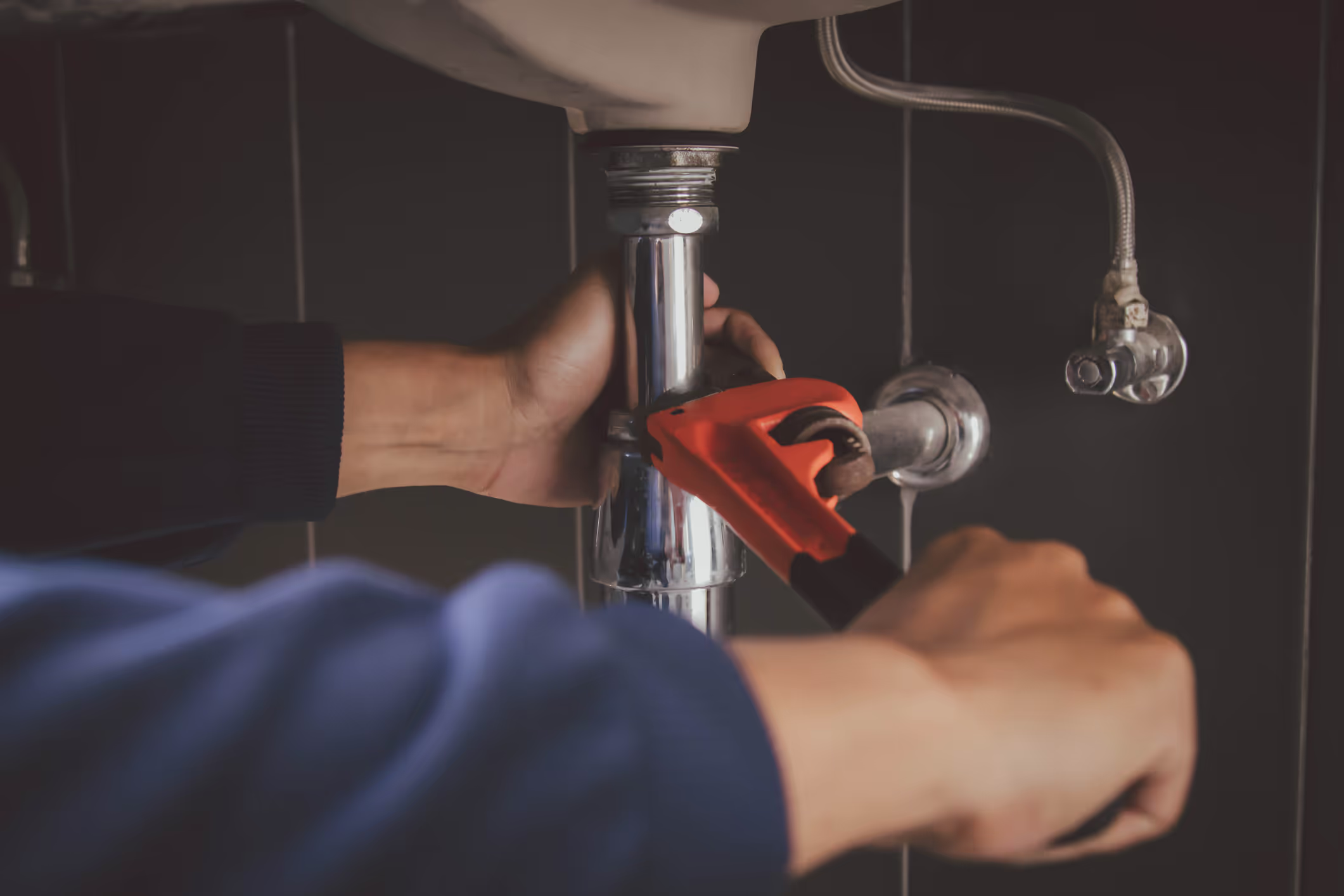
From leaks to full system installs, our plumbing services cover everything you need for a safe, reliable home water system, 24/7.
Our Primary Plumbing Include:
- Water Heater Replacement
- Water Heater Repair
- Trenchless Sewer Line
- Water Filtration
- Slab Leak
- Sewer Line Repair
Don't see the service you need? Call our Team today!
ELECTRICAL

Our electrical services ensure your home stays safe and powered, from routine fixes to complete system upgrades.
Our Primary Electrical Services Include:
- House Rewiring
- Electrician
- Electric Panel Upgrade
- Electric Panel Replacement
- EV Chargers
- Whole House Generator
Don't see the service you need? Call our Team today!
HEATING

We install, repair, and maintain heating & furnace systems with expert care to keep your Colorado home comfortable and energy-efficient year-round.
Our Primary Heating Services Include:
- Heating Installation
- Heating Replacement
- Heating Maintenance
- Heating Repair
- Heating Service
- Heating Tune-Up
Don't see the service you need? Call our Team today!