
The Hidden Impact of 5,280 Feet on Your Heating System
Air at our local elevation is approximately 17% less dense than it is at sea level. If you live in the Denver area, understanding exactly how high altitude affects gas furnace combustion is the first step to keeping your home safe, warm, and efficient as we head into the freezing temperatures of late fall. At Veteran Heating, Cooling, Plumbing & Electric, we know that missing 17% of air mass completely changes how your heating equipment operates the moment it is installed.
Gas furnaces require a very specific mixture of oxygen and natural gas to create clean, safe heat. Because the air here is noticeably thinner, less oxygen is pulled into the furnace during each combustion cycle. The core problem is that nearly all new heating systems arrive calibrated for sea-level oxygen density. They are built and tested in factories located close to sea level, meaning their default settings are designed for thick, oxygen-rich air.
When a new system is installed at a 5,280 ft elevation without specialized adjustments, it immediately experiences a severe mechanical imbalance. The furnace continues to inject the same volume of natural gas into the burners, but it simply cannot pull in enough oxygen to burn that fuel completely.
In our years of experience tuning furnaces across the Denver metro area, our team at Veteran Heating, Cooling, Plumbing & Electric sees this factory mismatch cause significant performance and safety issues. Standard maintenance checklists designed for coastal cities simply do not apply here. Your equipment requires a highly specific, localized calibration to account for the thinner air. Without this adjustment, your system is forced to work against the environment rather than with it, leading to wasted energy, excessive wear on internal components, and potential safety hazards that can affect your entire household.
The Physics of Oxygen Deprivation in Gas Heating
To understand why your furnace struggles in thin air, you have to look at the basic science of combustion. A gas heating system relies on a precise chemical reaction. Natural gas flows through a valve, mixes with oxygen pulled from the surrounding air, and ignites to produce heat. For this reaction to be clean and safe, the air-to-fuel ratio must remain perfectly balanced at all times.
When the oxygen volume drops due to our local elevation, but the gas input remains exactly the same, the furnace begins running "rich." A rich fuel mixture means there is too much raw fuel and not enough oxygen to burn it all. Instead of producing a clean, hot, blue flame, the burners produce a lazy, yellow, unstable flame. This incomplete combustion wastes a significant amount of the natural gas you pay for, converting it into harmful byproducts instead of usable heat for your home.
Operating a furnace on its factory sea-level settings in our environment is fundamentally incompatible with the equipment's design. The internal components are forced to handle soot, excess moisture, and extreme heat patterns they were never engineered to withstand.
• Factory (Sea Level) — Oxygen Density: 100% (Baseline) — Fuel Mixture Status: Balanced Air-to-Fuel Ratio — Combustion Result: Clean, hot blue flame; maximum efficiency.
• Denver (Unadjusted) — Oxygen Density: 17% Reduced — Fuel Mixture Status: Rich (Too much gas, low air) — Combustion Result: Yellow, lazy flame; soot production; wasted fuel.
• Denver (Derated) — Oxygen Density: 17% Reduced — Fuel Mixture Status: Balanced Air-to-Fuel Ratio — Combustion Result: Restored clean flame; safe and efficient operation.
The physics of oxygen deprivation cannot be fixed by simply changing a filter or cleaning the cabinet. The equipment itself must be mechanically altered to match the physical reality of the air it breathes. Ignoring this science puts immense strain on the heat exchanger, drastically shortening the lifespan of the entire system.

Recognizing the Symptoms of Incomplete Combustion
The abstract physics of oxygen deprivation quickly translate into concrete, visible symptoms inside your home. Because an unadjusted system fails to burn its fuel completely, it leaves behind physical evidence that the mechanical calibration is wrong. Catching these warning signs early can prevent total system failure and protect your family from severe safety hazards.
Here are the primary indicators that your system is suffering from a rich fuel mixture:
• Soot buildup around burners: Unburned natural gas turns into black soot. If you notice a dark, powdery residue accumulating around the burner compartment, the exhaust vents, or the exterior of the cabinet, your system is not getting enough oxygen.
• Excessive condensation: Incomplete combustion alters the chemical makeup of the exhaust gases. This often leads to excessive, highly acidic condensation forming inside the heat exchanger, which rapidly corrodes the metal from the inside out.
• Yellow or orange burner flames: A properly calibrated gas furnace should produce a sharp, steady blue flame with a light blue inner cone. A flickering, lazy yellow or orange flame is a direct visual confirmation that the system is starved for oxygen.
• Unusual exhaust odors: While you should never smell raw gas, a heavy, acrid exhaust smell near the unit often indicates that the fuel is not burning cleanly.
The most serious consequence of incomplete combustion is the elevated production of carbon monoxide (CO). When natural gas burns perfectly, it produces minimal CO, which is safely vented outdoors. However, when a furnace runs rich in thin air, carbon monoxide production spikes dramatically. If the heat exchanger is compromised by acidic condensation, this deadly, odorless gas can easily leak into your home's breathing air. These physical symptoms are not just maintenance nuisances; they are urgent warning signs that your heating equipment is operating in a fundamentally unsafe state.
Why Systems Suffer Unexpected Lockouts in the Fall
Modern heating equipment is equipped with a network of highly sensitive safety sensors designed to detect the exact symptoms of improper combustion. When these sensors detect a dangerous condition, they will completely shut down—or "lock out"—the system to prevent catastrophic damage or life-threatening safety hazards.
One of the most critical safety devices is the flame rollout switch. When a furnace is starved for oxygen, the burner flames can become unstable and literally "roll out" of the combustion chamber in search of more air. The rollout switch detects this abnormal heat path and instantly cuts the gas supply. Similarly, limit switches monitor internal temperatures. If soot buildup insulates the heat exchanger and causes the unit to overheat, the limit switch trips, forcing a total shutdown.
These unexpected malfunctions frequently happen during the first continuous heating cycles of the year. During the mild days of early autumn, the furnace only runs in short bursts, which may not be long enough to trigger a safety sensor. However, as we enter pre-winter November and prep our homes for the holiday season, sudden, sharp temperature drops force the system to run for much longer cycles. This sustained operation exposes the combustion imbalance, causing the sensors to trip and leaving the home without heat exactly when it is needed most.
Our technicians at Veteran Heating, Cooling, Plumbing & Electric see the consequences of unaddressed gas safety issues frequently. For example, one customer reached out to us in the spring with suspected gas leaks posing safety risks. Our technician performed a thorough inspection and discovered two gas leaks, allowing us to secure the equipment and make the home safe again. While that specific service call involved raw fuel lines, the safety risks of improper combustion and carbon monoxide are just as severe. A furnace locking out is actually doing its job to protect you from these exact types of unseen hazards. Prompt professional intervention is required to correct the underlying mechanical imbalance before the system can be safely restarted.
The Mechanics of Furnace Deration
To solve the problem of thin air, heating professionals perform a specialized mechanical procedure known as "derating." Deration is the physical process of reducing the amount of natural gas flowing into the burner assembly. By decreasing the volume of fuel, we realign the gas input with the lower volume of available oxygen, successfully restoring the proper air-to-fuel ratio.
This is not a suggestion or a simple best practice; it is a strict regulatory necessity. The National Fuel Gas Code (NFPA 54) generally requires a 4% reduction in British Thermal Unit (BTU) input for every 1,000 feet of elevation above sea level. For a home located at 5,280 feet, this means the furnace must have its total gas input reduced by roughly 20% compared to its factory rating. This precise mathematical calculation ensures the equipment can burn its fuel cleanly, safely, and efficiently in our specific environment.
This adjustment transforms a machine built for the coast into a machine optimized for the mountains. It prevents soot buildup, eliminates flame rollout, and drastically reduces the risk of carbon monoxide production.
Professional Burner Orifice Replacement
Derating a furnace is a highly technical procedure that involves physical modifications to the equipment. It is never a matter of just turning a dial or flipping a switch on the control board. When our licensed professionals perform this service, the process involves:
• Removing factory components: Our technicians physically remove the factory-installed burner orifices—the small brass fittings that control the flow of gas into each individual burner.
• Installing high-altitude orifices: These factory fittings are replaced with slightly smaller orifices, precisely sized based on the exact elevation of the home and the specific BTU rating of the furnace model.
• Adjusting manifold pressure: Once the new orifices are installed, we use a highly sensitive diagnostic tool called a manometer to measure and adjust the gas manifold pressure, ensuring the flow matches the manufacturer's exact high-altitude specifications.
• Verifying combustion: Finally, a combustion analyzer is used to test the exhaust gases, confirming that the air-to-fuel ratio is perfect and carbon monoxide levels are safely within normal limits.
Because this process involves opening gas lines, calculating precise BTU reductions, and altering the fundamental safety profile of the equipment, it requires specialized tools and strict adherence to building codes. This is strictly a job for a licensed professional; attempting to alter gas flow or replace orifices without the proper training and diagnostic tools can easily result in severe gas leaks, fire hazards, or fatal carbon monoxide exposure.
Why Standard Pre-Winter Maintenance Falls Short
Many homeowners assume that booking a standard "check and clean" tune-up in the fall is enough to prepare their home for freezing temperatures. However, a generic tune-up does not alter the fundamental gas-to-air ratio of the equipment. A technician can clean the flame sensor, replace the air filter, and wipe down the cabinet, but if the system has never been mechanically derated for the elevation, it remains fundamentally unsafe and inefficient.
Assuming a furnace is ready for winter without verifying its high-altitude configuration leaves your home at risk for sudden breakdowns and invisible safety hazards. Standard maintenance checklists are often built around sea-level assumptions. They verify that the parts are working, but they fail to verify that the system is properly calibrated for the environment it actually lives in.
As a veteran-owned company, the team at Veteran Heating, Cooling, Plumbing & Electric approaches high-altitude furnace adjustments with military-level discipline. There is no room for guesswork or assumptions when dealing with combustible gas and carbon monoxide. Exact, disciplined execution of the manufacturer's high-altitude specifications is required to guarantee your safety. We meticulously verify orifice sizes, manifold pressures, and exhaust compositions because we know that precision is the only way to prevent mid-winter emergencies.
These strict rules of physics apply across all types of heating equipment. If you are considering upgrading your home's HVAC technology soon—which may also make you eligible for generally applicable energy rebates or federal tax credits (verify current programs with your utility or a tax professional)—you can read more about how Denver's altitude affects high-efficiency systems to ensure your next investment is properly configured from day one.
Frequently Asked Questions About Altitude and Heating
Do furnaces need to be adjusted for high altitude?
Yes, any gas furnace installed at a high elevation must be mechanically adjusted to compensate for thinner air. This process restores a safe air-to-fuel ratio by reducing the amount of gas flowing into the burners. Without this adjustment, the system will not have enough oxygen to burn its fuel cleanly, leading to serious safety and performance issues.
What happens if a furnace is not derated?
If a furnace is left on its factory sea-level settings, it will run fuel-rich, meaning there is too much gas and not enough oxygen. This leads to incomplete combustion, heavy soot buildup inside the system, frequent safety lockouts, and a significantly higher risk of dangerous carbon monoxide leaking into your home.
How much does altitude affect furnace efficiency?
Without proper adjustment, altitude causes a severe drop in furnace efficiency. Because the system cannot burn all the gas it consumes, unburned fuel is wasted entirely. Furthermore, the resulting soot buildup coats the inside of the heat exchanger, acting as an insulator that prevents heat from transferring into your home's air.
Why does a gas furnace lock out in cold weather?
Furnaces lock out when built-in safety sensors detect abnormal conditions, such as overheating or flame rollout caused by improper combustion. During cold weather, the system runs for longer continuous cycles, which gives these dangerous conditions time to escalate and trip the sensors. The lockout shuts the system down entirely to prevent a fire or carbon monoxide hazard.
Can I install a high-altitude conversion kit myself?
No. Installing a high-altitude conversion kit requires opening gas lines, replacing critical burner components, and using specialized diagnostic tools like a manometer to set precise gas manifold pressures. This highly technical process directly impacts the safety of your home and must always be performed by a licensed HVAC professional.
Ensure Safe and Efficient Heating This Season
Understanding the physics of how altitude impacts your heating equipment is the very first step in protecting your home and your family. A furnace that is properly calibrated for our Denver environment will run cleaner, last longer, and use significantly less energy than one struggling on factory settings.
Proper mechanical deration provides the ultimate peace of mind, ensuring you have reliable warmth for holiday gatherings without the hidden risks of soot buildup or carbon monoxide. Before the coldest winter weather hits and forces your system into long, heavy heating cycles, have the local experts at Veteran Heating, Cooling, Plumbing & Electric verify your system's high-altitude settings. A disciplined, precision-based inspection this November ensures your home stays safe and comfortable all season long.
ABOUT Veteran Heating, Cooling, Plumbing & Electric
Veteran Heating, Cooling, Plumbing & Electric was founded on the belief that service should be personal, honest, and community-focused. Our team is built around integrity, professionalism, and a true commitment to your home’s comfort and safety.
Led by a U.S. Army veteran with over 30 years of industry experience, we’re proud to remain locally owned and operated. Every technician, plumber, and electrician is EPA-certified, background checked, and driven to exceed expectations.
- 24/7 ServiceWe offer weekend & 24/7 emergency service. We’re here whenever you need us—day, night, or weekend, no exceptions.
- $0 Trip FeesNo dispatch or trip fees. You’ll never pay just for us to show up—service starts when the work does.
OUR SERVICES
AIR CONDITIONING

We offer specialty and seasonal services like indoor air quality upgrades, pre-winter furnace checks, and summer AC tune-ups to keep your home prepared year-round.
Our Primary Air Conditioning Services Include:
Don't see the service you need? Call our Team today!
PLUMBING
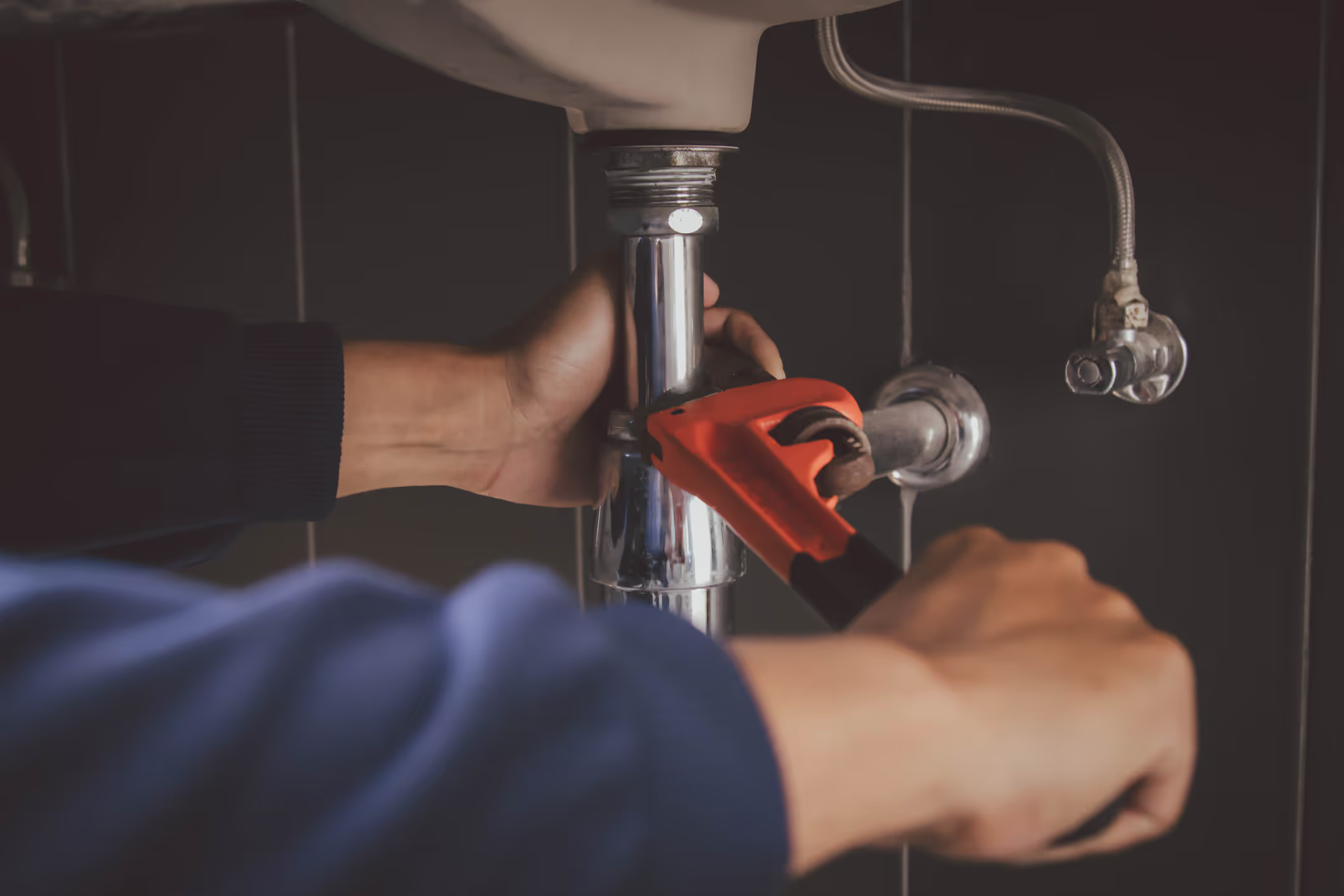
From leaks to full system installs, our plumbing services cover everything you need for a safe, reliable home water system, 24/7.
Our Primary Plumbing Include:
- Water Heater Replacement
- Water Heater Repair
- Trenchless Sewer Line
- Water Filtration
- Slab Leak
- Sewer Line Repair
Don't see the service you need? Call our Team today!
ELECTRICAL

Our electrical services ensure your home stays safe and powered, from routine fixes to complete system upgrades.
Our Primary Electrical Services Include:
- House Rewiring
- Electrician
- Electric Panel Upgrade
- Electric Panel Replacement
- EV Chargers
- Whole House Generator
Don't see the service you need? Call our Team today!
HEATING

We install, repair, and maintain heating & furnace systems with expert care to keep your Colorado home comfortable and energy-efficient year-round.
Our Primary Heating Services Include:
- Heating Installation
- Heating Replacement
- Heating Maintenance
- Heating Repair
- Heating Service
- Heating Tune-Up
Don't see the service you need? Call our Team today!