
Facing the First Fall Freeze: Why Straight Answers Matter
Here at Veteran Heating, Cooling, Plumbing & Electric, we know that the first October freeze hits the Denver metro area hard and fast, and getting common homeowner questions answered quickly becomes a priority the moment you turn on your thermostat. You switch your heating system from cooling to heating, wait for that comforting rush of warm air, and instead, you are met with the sharp smell of burning dust or a blast of surprisingly cold air from the vents. That immediate stress is something our team sees almost every homeowner experience during the early weeks of fall.
Your first instinct might be panic. You are faced with a rapid decision: do you shut the system down immediately to prevent a fire, or do you let it run and hope the symptom resolves itself? Guesswork is the last thing you need when the safety and comfort of your home are on the line. Navigating these early seasonal heating issues requires disciplined, straight answers rather than anxious assumptions.
Denver's abrupt shift from summer heat to freezing fall nights places sudden, heavy loads on HVAC systems that have sat completely idle for months. In our years of diagnosing local systems, a pattern we see often is that most of these early-season "emergencies" follow very specific, predictable paths. As a veteran-owned company, we bring military precision and discipline to diagnosing your home systems. We believe in assessing the situation calmly, prioritizing safety above all else, and giving you the exact information you need to make the right call.
Is That Burning Smell Normal? Understanding Fall Startup
One of the most frequent reasons Denver homeowners call us in a panic during the fall is a sudden burning odor coming from their vents. The short answer is: in most cases, this is a completely normal part of the seasonal startup process. But understanding exactly why it happens can help alleviate that immediate anxiety.
During the long, idle summer months, dust, pet dander, and microscopic airborne particles settle onto the internal components of your heating system. If you have a gas furnace, this debris coats the metal heat exchanger. If you have an electric air handler or a heat pump with auxiliary heating strips, the dust settles directly onto those electric heating elements. When you turn the system on for the very first time, those components heat up rapidly. The accumulated dust literally incinerates, sending a distinct burning smell through your ductwork and into your living spaces.
As a Midea Elite dealer, our team typically sees this specific phenomenon across all types of high-efficiency systems. The physical process of this dust burning off typically lasts anywhere from 15 to 30 minutes during the first full heating cycle. Once the debris is cleared, the smell should fade completely. However, we always advise that starting the season with a brand-new, clean air filter is critical. A clogged filter restricts airflow, starving the furnace of oxygen and making that initial startup smell much more intense while forcing the system to work harder than necessary.
Signs It's Just Summer Dust
How can you tell the difference between a harmless dust burn-off and a real emergency? Here is what our technicians recommend looking for when your system first kicks on:
• The smell dissipates quickly: The odor should peak within the first ten minutes and completely vanish within a half hour.
• Consistent warm air: Despite the smell, the system should be actively blowing warm, comfortable air from all the vents.
• Normal operating sounds: You should hear the standard hum of the blower motor and the rush of air. No unusual grinding, scraping, or heavy rattling noises should accompany the smell.
• The scent is distinctly organic: It should smell like dusty, dry heat—similar to a space heater being turned on—not like melting plastic or burning electrical wires.
HVAC or Electrical? How Multi-Trade Expertise Solves Complex Problems
Another common scenario we see in the Denver metro area involves a homeowner turning on their heater, only for absolutely nothing to happen. The thermostat clicks, but the system remains dead silent. Most people immediately assume their furnace or heat pump is permanently broken, but the reality our experts uncover is often much more complex. The intersection between your home's electrical panel and your HVAC system is where many hidden problems lie.
A heater failing to start is frequently an electrical issue rather than a mechanical failure. Your heating system relies on dedicated circuits, high-voltage connections, and sensitive control boards to operate safely. If a breaker is weak, a wire has loosened over the summer, or a contactor has failed, the heating unit simply will not receive the power it needs to ignite or spin the blower motor.
This is where single-trade contractors often struggle. An HVAC-only technician might arrive, see that the blower motor isn't receiving power, and misdiagnose the issue as a failed motor or a bad control board, leading to an expensive and unnecessary quote. Because Veteran Heating, Cooling, Plumbing & Electric offers multi-trade expertise, we don't have to guess. Our dual-licensed expertise allows us to seamlessly troubleshoot both the mechanical components inside the furnace and the electrical supply coming from your main breaker panel.
This comprehensive approach provides massive convenience. You don't have to hire an HVAC company to tell you it's an electrical problem, only to turn around and hire an electrician to fix the breaker. We handle the entire diagnostic process with transparent communication and total integrity, ensuring that we find the true root cause of the failure, whether it lives in the ductwork or the electrical box.
Heat Pumps Blowing Cold Air: Defrost Cycle vs. Malfunction
If you rely on a heat pump to warm your home, the first October freeze might introduce you to a very confusing symptom: your heating system suddenly blowing cold air right when you need warmth the most. As heat pumps become increasingly popular—especially since federal tax credits and local utility incentives may apply to qualifying high-efficiency installations—we answer questions about this specific function constantly. Most homeowners don't realize that this is often a built-in, protective function of the equipment.
Heat pumps work by extracting ambient heat from the outside air and moving it indoors. When the outdoor temperature drops near freezing, and there is moisture in the air, condensation forms on the outdoor unit's coils and quickly turns to ice. If that ice is allowed to build up, the system will suffocate and fail. To prevent this, the heat pump periodically enters a defrost cycle.
During a defrost cycle, the system temporarily reverses the flow of refrigerant. It essentially switches back into air conditioning mode for a few minutes, sending hot refrigerant out to the exterior unit to melt the accumulated ice. Because it is operating in reverse, the indoor unit may blow cool air into your home for 5 to 15 minutes. This is a normal, necessary function of four-season climate heating solutions.
However, in our experience, it is crucial to know the difference between a normal defrost cycle and a mechanical failure that requires professional attention. If the cold air continues indefinitely, you likely have a larger issue.
• Duration of Cold Air — Normal Defrost Cycle: Lasts only 5 to 15 minutes before warm air returns. — System Malfunction: Blows cold air continuously without ever recovering.
• Outdoor Unit Status — Normal Defrost Cycle: Fan may stop spinning, steam may rise from the unit as ice melts. — System Malfunction: Unit is completely encased in a thick, solid block of ice.
• Frequency — Normal Defrost Cycle: Occurs periodically during near-freezing, damp weather conditions. — System Malfunction: Happens constantly, even when outdoor temperatures are mild.
• Thermostat Reading — Normal Defrost Cycle: Indoor temperature dips slightly but quickly recovers. — System Malfunction: Indoor temperature steadily drops well below your set point.
The Diagnostic Mindset: When to Shut Down Your System
While many startup symptoms are harmless, there are times when letting a system run is genuinely dangerous. Teaching homeowners a disciplined, step-by-step diagnostic mindset is part of our military precision framing at Veteran Heating, Cooling, Plumbing & Electric. We want you to assess the situation calmly but act decisively when critical warning signs appear. If your system exhibits any of the following severe symptoms, our team recommends you intervene immediately.
1. Identify persistent electrical smells: If the burning odor smells like melting plastic, sharp electrical ozone, or burning rubber, and it does not fade after 10 minutes, this is not summer dust. It is an active electrical fault.
2. Listen for rapid short-cycling: If the furnace turns on, runs for 30 seconds, and abruptly shuts off, only to repeat the process continuously, the system is failing its internal safety checks. This is often due to a blocked flue or an overheating heat exchanger.
3. Watch for sparking or smoke: Any visible sparks near the unit or smoke coming from the vents (as opposed to light steam) is an immediate fire hazard.
4. Shut off power at the thermostat: Your first action should be to turn the thermostat setting to "Off" so the system stops calling for heat.
5. Kill the power at the breaker panel: If the system continues to run or the electrical smell persists, go to your main electrical panel and flip the dedicated HVAC breaker to the "Off" position to sever all high-voltage power to the unit.
Never force a malfunctioning system to run by repeatedly resetting the breaker or bypassing the thermostat. Doing so can turn a minor electrical short into a catastrophic fire, or cause a stressed heat exchanger to crack, which introduces carbon monoxide into your home's air supply. When in doubt, shutting the system down and calling our professionals is always the most secure route.

Genuine Trust: What Veteran Heating, Cooling, Plumbing & Electric Reviews Reveal
When you are staring at a furnace that won't turn on, or smelling something strange in your ductwork, the hesitation to call a professional is real. Homeowners often feel a lack of confidence because they fear the unknown. You might worry about being pressured into buying a brand-new unit when a simple repair would suffice.
We understand that anxiety, which is why we approach every service call differently. Providing transparent, upfront diagnostics removes the financial risk of simply asking for a professional opinion. You shouldn't have to hesitate just to find out if your home is safe. From the moment you call our front office to the time our technician arrives in the Denver metro area, our priority is clear, honest communication.
In our experience diagnosing Denver heating systems, transparency is the only way to build deep, lasting trust. We walk you through exactly what we see, show you the diagnostic readings, and explain your options without high-pressure upselling. Our reputation is built on providing straightforward answers and top-tier workmanship. If it's a tripped breaker, we'll tell you it's a tripped breaker. If the system is genuinely unsafe to operate, we will show you exactly why, so you have the confidence to make an informed decision for your home.
Comprehensive Fall Heating Safety Checks
The best way to avoid the stress of the first fall freeze is to eliminate the guesswork entirely before the cold weather arrives. Denver's high altitude and intensely dry air require optimal HVAC airflow to function efficiently. When the air is thin, your blower motor already has to work harder to move conditioned air through the ductwork. If you add a dirty filter or a failing component to that mix, the system's efficiency plummets, and the risk of a mid-winter breakdown skyrockets.
A professional annual heating check is not just a quick glance at the equipment; it is a comprehensive safety evaluation. Here is what our Veteran Heating, Cooling, Plumbing & Electric certified experts verify during a preventative maintenance visit:
• Heat exchanger inspection: We scope the internal metal chambers to ensure there are no microscopic cracks that could leak carbon monoxide into your living space.
• Electrical load testing: We test the voltage and amperage of all motors, capacitors, and contactors to catch small electrical faults before they cause the system to fail on the coldest night of the year.
• Airflow and filter verification: We check the static pressure of the ductwork and replace clogged filters to ensure the furnace is getting the oxygen it needs to burn fuel safely and efficiently.
• Safety sensor calibration: We test the flame sensors, limit switches, and pressure switches to guarantee the system will shut itself down automatically if a problem occurs.
Preventative maintenance catches these small mechanical or electrical faults when they are easy and affordable to fix. Furthermore, joining a maintenance plan ensures priority scheduling. When unexpected cold fronts hit and our phones are ringing off the hook, members are scheduled ahead of non-members, giving you total peace of mind that a certified expert has your back.
Common Homeowner Questions Answered: Fall Heating Edition
When the temperature drops, the same concerns pop up across the region. Having these common homeowner questions answered clearly by our experienced team can save you time, stress, and unnecessary panic.
Is it normal for a heater to smell like burning when first turned on?
Yes, it is typically just summer dust burning off the heat exchanger or the electric heating elements. During the long off-season, particles settle on the internal components, and the intense heat of the first cycle incinerates them. The smell should be temporary and resemble dry, burning dust, not sharp electrical ozone or melting plastic.
How long does the burning smell last when you turn on the heater?
The initial dust burn-off usually lasts 15 to 30 minutes during the first full heating cycle. Once the airflow clears the ductwork, the odor should fade completely. If the burning smell lasts longer than an hour, or if it suddenly returns days later, you should shut the system down and call our professionals to investigate.
Why is my heat pump blowing cold air in the fall?
It may be in a normal defrost cycle to melt frost off the outdoor unit. Heat pumps periodically reverse their operation to send warm refrigerant outside, which prevents ice buildup but causes cold air to blow indoors for 5 to 15 minutes. If it blows cold air continuously without ever recovering, it could indicate a low refrigerant charge or a failing compressor.
How do I know if my furnace is safe to run?
Ensure the air filter is completely clean, all return and supply vents are unblocked, and the system turns on without hesitation. Listen for smooth, consistent operation without any heavy grinding or screeching noises. Ultimately, the only way to know with absolute certainty that your furnace is safe is to rely on an annual professional safety check from a certified technician.
Should I turn off my furnace if it smells like burning?
If it smells like dusty air for a short time during the first October freeze, you can safely let it run its cycle while monitoring it closely. However, if it smells like burning plastic, rubber, or electrical wires, turn it off immediately at the thermostat and the main breaker. Electrical smells indicate an active hazard that requires immediate professional repair.
Get Safe, Professional Heating Answers Today
Understanding normal startup symptoms empowers you to make safe, confident decisions when the weather changes. Whether you are dealing with a brief dusty smell or a heat pump in defrost mode, knowing what to expect removes the panic from the first fall freeze. But when a symptom persists, or if you suspect an electrical issue, guessing simply isn't worth the risk to your home's safety.
Getting your common homeowner questions answered by a professional ensures your system is ready for whatever the Denver winter brings. Rely on our trusted, multi-trade expertise at Veteran Heating, Cooling, Plumbing & Electric for a thorough, honest evaluation of your heating and electrical systems. We are here to provide the straight answers and top-tier workmanship that keep your home safe, warm, and comfortable all season long.
ABOUT Veteran Heating, Cooling, Plumbing & Electric
Veteran Heating, Cooling, Plumbing & Electric was founded on the belief that service should be personal, honest, and community-focused. Our team is built around integrity, professionalism, and a true commitment to your home’s comfort and safety.
Led by a U.S. Army veteran with over 30 years of industry experience, we’re proud to remain locally owned and operated. Every technician, plumber, and electrician is EPA-certified, background checked, and driven to exceed expectations.
- 24/7 ServiceWe offer weekend & 24/7 emergency service. We’re here whenever you need us—day, night, or weekend, no exceptions.
- $0 Trip FeesNo dispatch or trip fees. You’ll never pay just for us to show up—service starts when the work does.
OUR SERVICES
AIR CONDITIONING

We offer specialty and seasonal services like indoor air quality upgrades, pre-winter furnace checks, and summer AC tune-ups to keep your home prepared year-round.
Our Primary Air Conditioning Services Include:
Don't see the service you need? Call our Team today!
PLUMBING
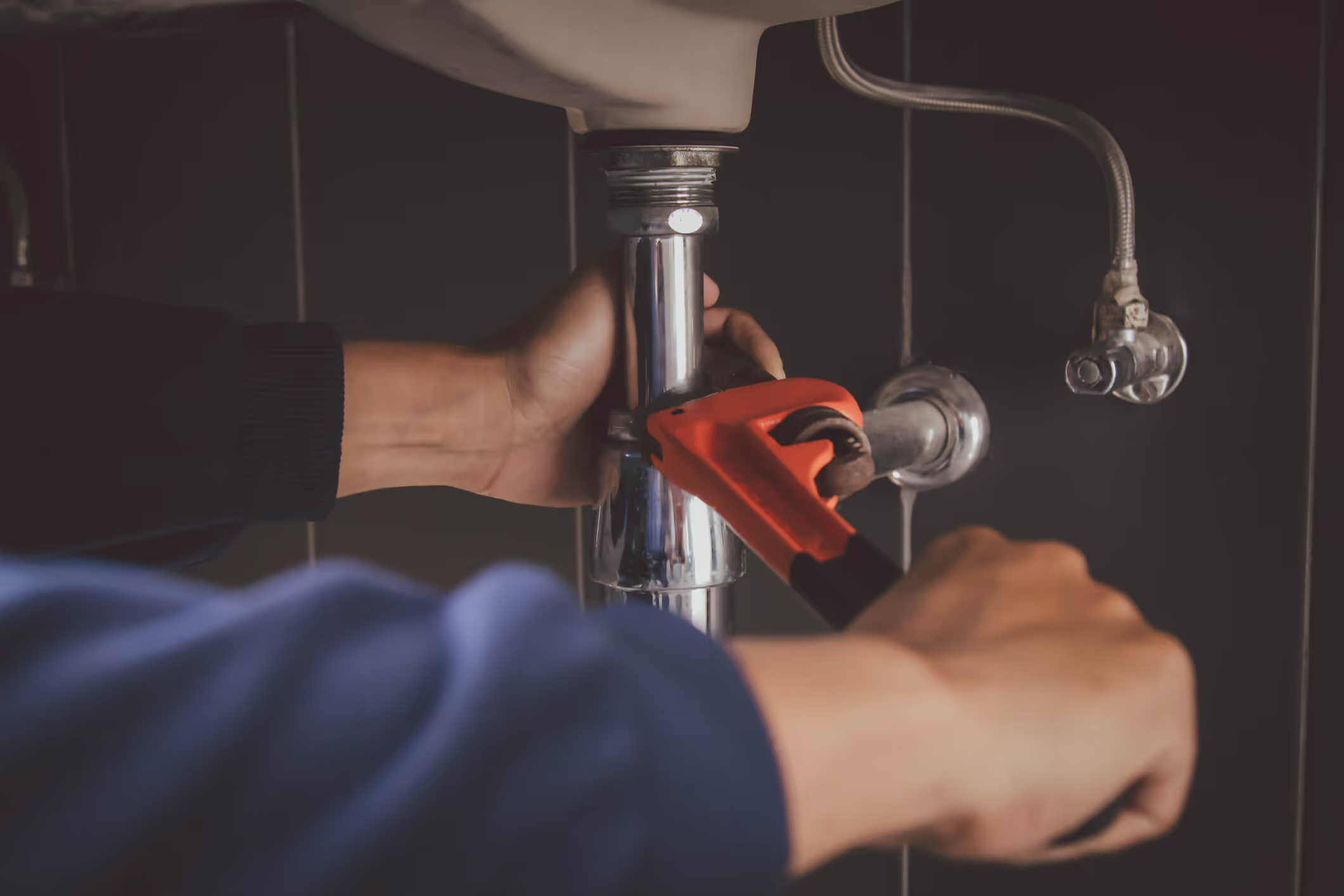
From leaks to full system installs, our plumbing services cover everything you need for a safe, reliable home water system, 24/7.
Our Primary Plumbing Include:
- Water Heater Replacement
- Water Heater Repair
- Trenchless Sewer Line
- Water Filtration
- Slab Leak
- Sewer Line Repair
Don't see the service you need? Call our Team today!
ELECTRICAL

Our electrical services ensure your home stays safe and powered, from routine fixes to complete system upgrades.
Our Primary Electrical Services Include:
- House Rewiring
- Electrician
- Electric Panel Upgrade
- Electric Panel Replacement
- EV Chargers
- Whole House Generator
Don't see the service you need? Call our Team today!
HEATING

We install, repair, and maintain heating & furnace systems with expert care to keep your Colorado home comfortable and energy-efficient year-round.
Our Primary Heating Services Include:
- Heating Installation
- Heating Replacement
- Heating Maintenance
- Heating Repair
- Heating Service
- Heating Tune-Up
Don't see the service you need? Call our Team today!