Is Your Heating System Ready to Survive the First Freeze?
Are you confident your furnace will actually turn on when the temperature suddenly plummets, or are you just hoping for the best? Searching for reliable home maintenance tips and troubleshooting is a common starting point when homeowners face their October pre-winter heating startup and notice unusual behavior from their vents. That initial flip of the thermostat from cooling to heating often brings a wave of anxiety for anyone who has ever experienced a mid-winter breakdown. Will the system run smoothly after sitting idle for months, or is it struggling to keep up with the dropping temperatures?
Addressing these concerns early introduces a core dilemma for many property owners: deciding whether a struggling heating system needs a simple professional tune-up or a complete overhaul. Making this decision proactively is the single most effective way to prevent catastrophic failures when the weather is at its worst. With the rapid onset of early cold snaps in the region, minor maintenance delays can quickly escalate into major freezing risks that threaten your property's plumbing and your family's safety.
The right approach requires professional insight: Approaching this decision requires a neutral, expert perspective focused on safety and long-term reliability. Relying on guesswork or attempting to diagnose complex mechanical issues yourself often leads to wasted resources and lingering hazards. By carefully evaluating how your system performs during its initial startup, you can gather the information needed to make an informed choice before the harsh winter weather settles in permanently.
The Critical Window of Pre-Winter Heating Startups
The first heating cycle of the season is when most underlying mechanical and electrical issues reveal themselves. After months of inactivity, dust settles on burners, lubricants degrade, and electrical connections can loosen due to natural thermal expansion and contraction in the home. When the system is finally called upon to produce heat during an October pre-winter heating startup, these hidden vulnerabilities are suddenly put under immense strain.
Ignoring the early warning signs during this critical window is a common pattern we see, and it frequently leads to emergency failures later in the year. Strange noises, such as loud banging, high-pitched squealing, or rhythmic rattling, are not just quirks of an older system; they are direct mechanical cries for help. Similarly, unusual smells—beyond the brief, normal scent of burning dust on the first day—can indicate electrical overheating or poor combustion. Short-cycling, where the furnace turns on and off rapidly without ever reaching the set temperature, is another major red flag that the system is protecting itself from overheating due to airflow restrictions or sensor failures.
The solution is proactive verification: Having a licensed professional inspect the system before the first deep freeze is the only way to accurately diagnose the root cause of these symptoms. A professional evaluation tests the safety controls, measures electrical draws, and verifies that the combustion process is venting properly. Contrasting the immense stress of a frantic, emergency winter failure with the peace of mind that comes from early-season preparation highlights exactly why this initial startup window is so valuable for homeowners.
Assessing Furnace Lifespan and High-Altitude Wear
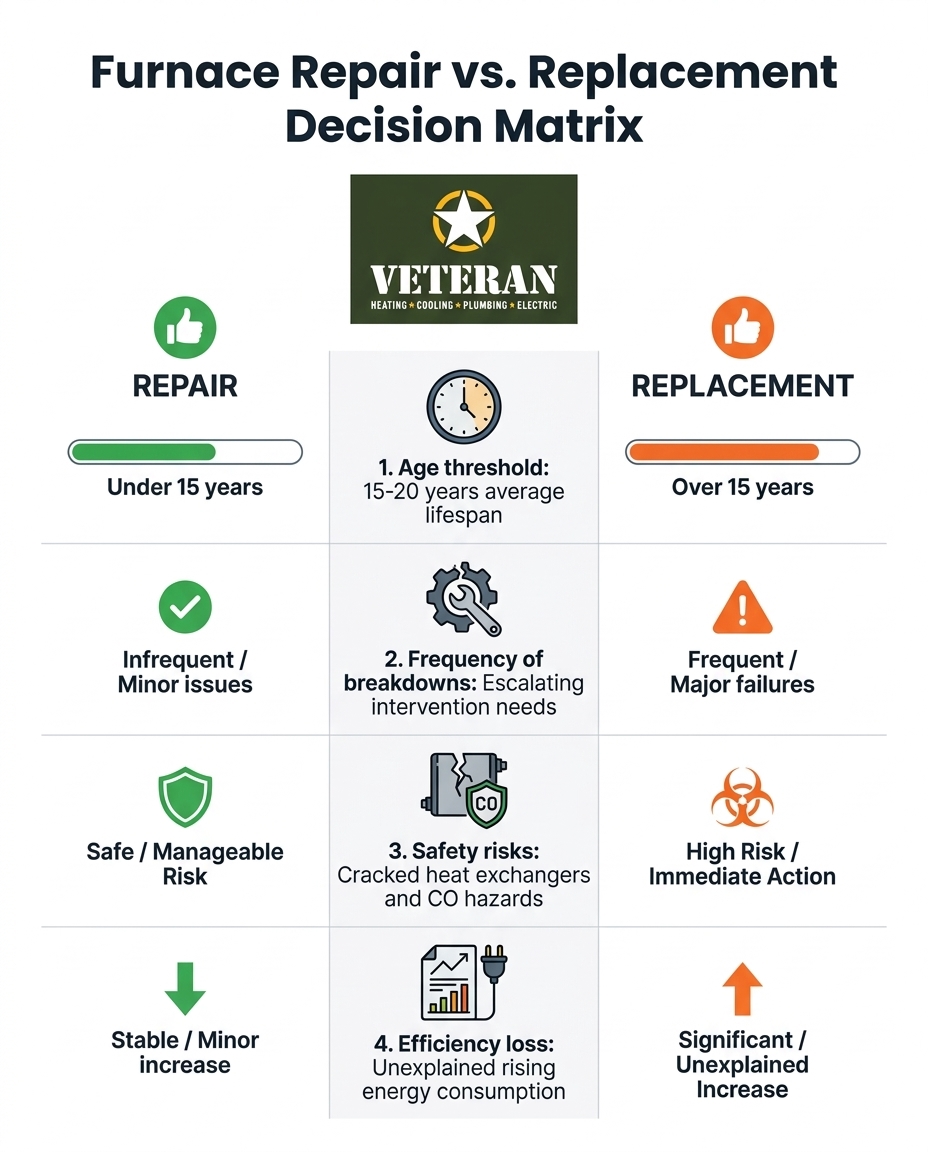
Understanding how long your heating equipment is actually designed to last provides a baseline for evaluating its current performance. According to Department of Energy guidelines, conventional furnaces typically last 15 to 20 years with consistent, proper maintenance. However, age is only one factor in the equation. A system's functional lifespan is heavily dictated by its operating environment and the quality of care it has received over the years.
In the Denver metro area, historical maintenance frequency plays a significantly larger role in system longevity than chronological age alone. A ten-year-old furnace that has never been serviced may be in worse physical condition than a meticulously maintained twenty-year-old unit. When a professional evaluates your equipment, they are looking at the physical degradation of critical components—such as rust on the burners, metal fatigue on the heat exchanger, and the condition of the blower motor—rather than simply checking the manufacturing date on the data plate.
How Altitude Affects Combustion Systems
Operating a gas appliance at higher elevations introduces unique physical challenges that accelerate wear and tear if not properly managed. Thinner air fundamentally changes the fuel-to-oxygen ratio required for safe, efficient heating.
1. Oxygen deprivation: Because the air is less dense, a furnace receives less oxygen per cubic foot of intake air. If the gas valve is not properly adjusted for this environment, the system runs "rich," producing excessive soot, wasting fuel, and generating dangerous levels of carbon monoxide.
2. Increased system strain: Improperly tuned systems have to work significantly harder to produce the same amount of heat. High-altitude environments require precise tuning by licensed professionals to maintain safe combustion; otherwise, the added strain dramatically shortens the functional lifespan of the equipment.
When to Opt for Professional Furnace Repair
Not every startup issue requires a total system replacement. There are many scenarios where repairing the existing equipment is the most logical, practical, and cost-effective choice. Understanding which problems fall into the repair category can save you from making a premature upgrade.
• Resolving minor sensor malfunctions: One of the most common issues during an October pre-winter heating startup is a dirty or failing flame sensor. This vital safety component shuts the system down if it doesn't detect a flame, causing short-cycling. A professional can quickly clean or replace this part, restoring full functionality.
• Addressing early ignition issues: Faulty hot surface igniters or pilot assemblies frequently fail due to normal wear. These components are straightforward for a licensed technician to swap out and do not indicate that the entire furnace is failing.
• Capitalizing on warranty coverage: If your system is relatively new and still under the manufacturer's warranty, repairing it is almost always the right call. Warranties typically cover major component failures, making repairs highly viable.
• Preventing cascading failures: Resolving minor mechanical issues early—such as replacing a worn blower motor belt or a failing capacitor—prevents them from putting excessive strain on more expensive components like the heat exchanger or control board.
A critical safety reminder: All internal component repairs, diagnostics, and replacements must be handled by licensed technicians. Modern heating systems involve high-voltage electricity, pressurized natural gas, and complex venting requirements. Attempting DIY repairs on these systems introduces severe hazards, including the risk of fire, explosion, or carbon monoxide poisoning.
Definitive Signs It Is Time for a Full Furnace Replacement
While repairs are often viable, there comes a point where continuing to patch an aging system becomes unsafe and impractical. Recognizing the definitive indicators of total system failure helps you pivot from wasting resources on repairs to investing in reliable comfort.
1. Exceeding the average lifespan with frequent breakdowns: If your system is approaching or has surpassed the 15-to-20-year mark and requires multiple professional interventions each season just to keep running, it has reached the end of its functional life in the Denver metro area.
2. The presence of severe safety hazards: A cracked heat exchanger is an immediate, non-negotiable replacement scenario. The heat exchanger separates the breathable air in your home from the toxic combustion gases. When it cracks due to metal fatigue, carbon monoxide can leak directly into your living space. This cannot be safely patched or repaired.
3. Unexplained increases in energy consumption: As internal components degrade, the system loses efficiency. If your utility usage is climbing significantly compared to previous winters, despite no changes in your thermostat habits, the furnace is likely failing to convert fuel into heat effectively.
4. Struggling to maintain consistent temperatures: An aging blower motor or a failing burner assembly will often result in uneven heating. If some rooms are freezing while others are stifling, the system no longer has the capacity to distribute conditioned air properly.
5. Escalating repair thresholds: When the extent of required repairs approaches a significant percentage of the cost of a new system, investing in outdated technology is no longer practical. Upgrading to a new, efficient unit provides a fresh warranty and guaranteed reliability.
Evaluating Energy Efficiency and System Upgrades
If the diagnostic process reveals that replacement is the best path forward, the focus shifts to the long-term benefits of modernizing your home's infrastructure. Replacing an outdated system with modern, high-efficiency technology transforms how your property consumes resources and maintains comfort.
Understanding AFUE Ratings
The Annual Fuel Utilization Efficiency (AFUE) rating measures how efficiently a furnace converts fuel into usable heat over a typical year. For example, an older furnace might have an AFUE rating of 80%, meaning 20% of the energy consumed is lost as exhaust. Upgrading from an outdated AFUE rating to a modern system that operates at 96% efficiency or higher translates to significantly better resource management and less wasted energy.
Newer technology also provides more consistent comfort during extreme temperature fluctuations. Features like variable-speed blower motors and modulating gas valves allow the system to adjust its output precisely to the home's needs, rather than blasting on at full capacity and abruptly shutting off.
• Aging Conventional Furnace — Efficiency Profile: Often 80% AFUE or lower; high fuel waste. — Comfort & Technology Features: Single-stage operation; prone to temperature swings and loud cycles.
• Modern High-Efficiency Furnace — Efficiency Profile: Up to 98% AFUE; minimal energy loss. — Comfort & Technology Features: Modulating heat output; quiet, variable-speed airflow distribution.
• Heat Pump System — Efficiency Profile: High electrical efficiency; moves heat rather than creating it. — Comfort & Technology Features: Provides both heating and cooling; excellent for moderate winter days.
Depending on your home's existing infrastructure, you might also explore alternative heating solutions, such as transitioning to a dual-fuel setup. Understanding how a heat pump performs in a four-season climate can open up new possibilities for year-round efficiency. Furthermore, generic federal tax credits and local utility incentives may apply to qualifying high-efficiency installations, making the transition to advanced technology more accessible for homeowners in the Denver metro area.
Making the Decision with Military Precision
Navigating a major HVAC decision can feel overwhelming, which is why the assessment process matters just as much as the equipment itself. We weave a veteran-owned ethos into every diagnostic visit: military discipline, precision, and absolute honesty in every assessment. The value of having a professional provide a straight, honest answer regarding system viability cannot be overstated.
Our methodology is strictly safety-first. We prioritize the homeowner's well-being over pushing unnecessary replacements. When a technician arrives for an October pre-winter heating startup inspection, they follow a comprehensive, systematic process that leaves no component unchecked. From measuring static pressure in the ductwork to testing the microamp draw on safety sensors, the evaluation is rooted in objective data.
Empowering you with facts: We believe that an informed homeowner makes the best decisions. By presenting clear facts, documented safety readings, and transparent options, we empower you to choose the path that best fits your home's needs. There are no aggressive sales tactics—just disciplined diagnostics and clear, reliable guidance.
Secure Your Home's Comfort Before Winter Arrives
Early detection is the absolute key to maintaining a safe, warm, and efficient home throughout the colder months. Addressing vulnerabilities during an October pre-winter heating startup ensures that you are never left scrambling for emergency assistance when the first major freeze hits.
If you are noticing strange noises, uneven heating, or simply want to verify your equipment's safety, we encourage you to book a professional assessment to definitively answer the repair versus replace question. Following proper home maintenance tips and troubleshooting guidelines means knowing when to call in the experts. Reach out to schedule your comprehensive system evaluation today and secure your peace of mind for the season ahead.
Frequently Asked Questions
How do I know if my furnace needs to be replaced before winter?
The clearest indicators are age, reliability, and safety. If your system is over 15 years old, requires frequent repairs, or shows signs of severe wear like rust or unusual odors, it requires a professional evaluation. A licensed technician can perform a combustion analysis and inspect the heat exchanger to determine if the unit is safe for another winter.
When is a furnace not worth repairing?
A furnace is generally not worth repairing when the cost of the necessary fix approaches a significant portion of the cost of a new system. Additionally, if the unit has a compromised heat exchanger, it poses a severe carbon monoxide hazard and must be replaced immediately. Frequent, cascading breakdowns on an older unit also signal that repair investments are no longer practical.
Is it worth repairing a 15-year-old furnace?
It depends entirely on the nature of the repair and the system's overall maintenance history. Minor issues, such as replacing a dirty flame sensor or a worn capacitor, are usually worth fixing to get a few more years out of the system. However, if a major component like the blower motor or control board fails at this age, investing that money into a new, high-efficiency unit is usually the wiser choice.
What are the signs a furnace is failing?
Failing systems often communicate their distress through unusual noises like banging or squealing, and through inconsistent performance like short-cycling. You might also notice that your home feels less comfortable, with cold spots in certain rooms, or that your monthly energy usage has spiked inexplicably. Any persistent change in normal operation warrants an immediate professional inspection.
How long does a typical furnace last in a high-altitude climate?
With proper, consistent maintenance, a standard furnace can last 15 to 20 years, even at higher elevations. However, the thinner air requires precise tuning of the gas-to-oxygen ratio. Systems that are neglected or improperly tuned will experience accelerated wear and tear, significantly reducing their functional lifespan.
Can a cracked heat exchanger be repaired, or does it require replacement?
A cracked heat exchanger cannot be safely repaired or patched; it requires an immediate component replacement or a full system upgrade. Because this component separates the breathable air in your home from toxic exhaust gases, a crack allows carbon monoxide to enter the living space. Due to the high cost and labor involved in replacing just the heat exchanger on an older unit, a full furnace replacement is often the recommended solution.
ABOUT Veteran Heating, Cooling, Plumbing & Electric
Veteran Heating, Cooling, Plumbing & Electric was founded on the belief that service should be personal, honest, and community-focused. Our team is built around integrity, professionalism, and a true commitment to your home’s comfort and safety.
Led by a U.S. Army veteran with over 30 years of industry experience, we’re proud to remain locally owned and operated. Every technician, plumber, and electrician is EPA-certified, background checked, and driven to exceed expectations.
- 24/7 ServiceWe offer weekend & 24/7 emergency service. We’re here whenever you need us—day, night, or weekend, no exceptions.
- $0 Trip FeesNo dispatch or trip fees. You’ll never pay just for us to show up—service starts when the work does.
OUR SERVICES
AIR CONDITIONING
.jpg)
We offer specialty and seasonal services like indoor air quality upgrades, pre-winter furnace checks, and summer AC tune-ups to keep your home prepared year-round.
Our Primary Air Conditioning Services Include:
Don't see the service you need? Call our Team today!
PLUMBING
From leaks to full system installs, our plumbing services cover everything you need for a safe, reliable home water system, 24/7.
Our Primary Plumbing Include:
- Water Heater Replacement
- Water Heater Repair
- Trenchless Sewer Line
- Water Filtration
- Slab Leak
- Sewer Line Repair
Don't see the service you need? Call our Team today!
ELECTRICAL

Our electrical services ensure your home stays safe and powered, from routine fixes to complete system upgrades.
Our Primary Electrical Services Include:
- House Rewiring
- Electrician
- Electric Panel Upgrade
- Electric Panel Replacement
- EV Chargers
- Whole House Generator
Don't see the service you need? Call our Team today!
HEATING
.jpg)
We install, repair, and maintain heating & furnace systems with expert care to keep your Colorado home comfortable and energy-efficient year-round.
Our Primary Heating Services Include:
- Heating Installation
- Heating Replacement
- Heating Maintenance
- Heating Repair
- Heating Service
- Heating Tune-Up
Don't see the service you need? Call our Team today!