
Facing a Failing Furnace During the First Winter Freeze
Your thermostat is set to a comfortable temperature, but the air circulating through your living room feels noticeably cool. In our years serving the Denver metro area, we have seen how quickly a struggling heating system shifts from a minor annoyance to an urgent priority as the November pre-winter frost settles in over the region. When your equipment fails to keep up with the dropping temperatures outside, applying basic home maintenance tips and troubleshooting is the critical first step toward understanding the health of your system.
Before assuming you need a complete replacement, ruling out simple operational errors can save you time and frustration. However, troubleshooting is more than just a way to avoid a service call—it is a diagnostic tool. By paying close attention to how your system behaves, you gather the exact information needed to make a larger decision. Eventually, every homeowner faces a choice: continue patching up an aging, inefficient gas unit, or pivot toward a modern, high-efficiency upgrade that provides lasting reliability.
Safe Furnace Repair Troubleshooting Steps for Homeowners
When you notice your home isn't warming up as it should, there are several safe, homeowner-approved checks you can perform before calling in a professional. As a Veteran-led team installing and servicing equipment across the Denver metro area, we frequently respond to late-fall service calls that could have easily been resolved with a quick adjustment to a setting or a simple filter change. Here are the fundamental steps our technicians recommend taking when your heating system underperforms.
1. Check your thermostat settings: Verify that the thermostat is explicitly set to "heat" rather than "cool" or "off." Ensure the fan setting is on "auto" so it only blows air when the burners are active; if it is set to "on," the fan will circulate cold air between heating cycles. Additionally, swap out the batteries if the display is blank or flashing.
2. Inspect and replace dirty air filters: A clogged filter acts like a wall, restricting the air your system needs to breathe. Pull out the filter and hold it up to a light source. If you cannot see light passing through the material, it is time for a replacement.
3. Verify the electrical panel and circuit breakers: Even gas-powered heating systems rely on electricity to run the blower motor and ignition sequence. Check your home's main electrical panel for a tripped breaker. If the breaker is tripped, reset it once. If it trips a second time, leave it alone—this indicates a serious electrical fault.
4. Confirm that all vents and registers are open: Walk through every room in your house and inspect the supply and return vents. Ensure they are fully open and not obstructed by heavy furniture, area rugs, or long curtains.
Why Airflow is Critical for Heating Efficiency
We often tell our Denver customers that restricted airflow is the leading cause of premature system failure. When a filter is clogged or vents are blocked, the blower motor is forced to work substantially harder to push conditioned air through your ductwork. This added strain not only increases your energy consumption but also causes the internal components to overheat.
Modern heating equipment is equipped with a high-limit switch, a safety device designed to shut the burners off if the internal temperature climbs too high. If your system is running for a few minutes, blowing cold air, and then shutting down, a dirty filter causing the high-limit switch to trip is often the culprit. Routine filter changes prevent this cycle of overheating, protecting the heat exchanger from cracking under stress.
Recognizing When Basic Troubleshooting Ends and Professional Diagnostics Begin
While checking a filter or resetting a thermostat is perfectly safe, there is a strict boundary where homeowner troubleshooting must end and professional intervention must begin. Heating systems utilize combustible gases, high-voltage electricity, and complex ventilation parameters. Attempting to disassemble gas valves, bypass safety switches, or test internal electrical components without proper licensing is incredibly dangerous.
You should immediately call a professional if you notice a pilot light that will not stay lit, smell a distinct odor of rotten eggs (gas) or ozone (electrical burning), or hear loud grinding and squealing noises from the blower compartment. These are not minor issues; they are clear indicators of component failure that require specialized tools and training to diagnose safely.
As the team at Veteran Heating, Cooling, Plumbing & Electric, our approach to service is rooted in military discipline and integrity. When we arrive at your home, we do not just treat the surface-level symptom; we investigate the root cause. If a motor has failed, we evaluate why it failed so the new part does not suffer the same fate. Homeowners deserve honest, straightforward diagnostics that prioritize their safety, rather than aggressive upselling tactics when they are simply calling for help.
The Value of an Honest System Assessment
A proper diagnostic check evaluates the entire system's integrity, from the electrical draw of the inducer motor to the combustion efficiency of the burners. As a Midea Elite dealer, our technicians use precise instrumentation to measure static pressure, voltage drops, and temperature differentials. This comprehensive assessment ensures that any recommendation we make—whether it is a simple repair or a full system replacement—is based on verifiable data and focused entirely on your long-term comfort.
Evaluating the Lifespan of Your Current Heating System
Understanding the expected lifespan of your equipment helps put repair needs into perspective. Traditional gas furnaces typically operate efficiently for 15 to 20 years. Once a unit crosses that threshold, the internal components begin to wear out rapidly. The heat exchanger undergoes constant expansion and contraction, blower motors lose their torque, and ignition sensors become unreliable.
In our region, the climate plays a massive role in accelerating this wear and tear. Denver's high altitude and sudden late-fall temperature drops put extreme stress on aging furnaces. The thin air requires the system to work harder to move heat, and our technicians often see systems that were barely limping along turn into complete emergency breakdowns when a severe November pre-winter frost hits overnight.
• Heating Cycles — Healthy Aging Furnace: Runs in consistent, predictable cycles — Failing Furnace Nearing Replacement: Short-cycles frequently (turns on and off every few minutes)
• Energy Consumption — Healthy Aging Furnace: Stable utility bills year over year — Failing Furnace Nearing Replacement: Unexplained, sharp increases in energy usage
• Comfort Levels — Healthy Aging Furnace: Even temperatures across most rooms — Failing Furnace Nearing Replacement: Significant cold spots and uneven heating
• Operational Noise — Healthy Aging Furnace: Standard hum of the blower motor — Failing Furnace Nearing Replacement: Rattling, booming on startup, or loud grinding
Signs That Your Furnace is Nearing the End of Its Life
Beyond the age of the unit, the frequency of repairs is the most telling sign of a failing system. If you have had to call for service multiple times over the last two heating seasons, the system is demonstrating chronic instability. Additionally, if you notice that certain rooms remain freezing cold despite the system running constantly, or if your energy costs are rising significantly without a corresponding increase in usage, the equipment is losing its ability to transfer heat efficiently.
The Decision Point: Patching an Old Furnace vs. a High-Efficiency Upgrade
When professional diagnostics reveal a major component failure on an older unit, you reach a critical decision point. Should you pay to patch up the dying system, or is it time to invest in a modern upgrade? In the HVAC industry, we often rely on the "50% rule" to guide this decision. If the cost of the necessary repair approaches half the cost of a completely new system, upgrading is almost always the better long-term financial investment.
Continuously repairing an outdated system carries hidden costs. You are paying to fix a unit that is still operating at a severely reduced efficiency, meaning you continue to overpay on your monthly utility bills. Furthermore, patching one part does not reset the clock on the rest of the aging components. A pattern we see often as a Midea Elite dealer is homeowners spending heavily on a new blower motor, only for the heat exchanger to crack a few months later.
Long-Term Reliability Over Endless Repairs
There is a significant psychological toll to relying on an unpredictable heating system. Contrast the anxiety of wondering if your furnace will survive the next freezing night with the complete peace of mind that a new, high-efficiency system provides. Making the strategic pivot from repairing to replacing ensures that you have a dependable, warranty-backed system in place before the deepest, most punishing cold of winter arrives.

Why Modern Cold-Climate Heat Pumps Outperform Outdated Heating Systems
When homeowners decide it is time to upgrade, they often assume they must install another traditional gas unit. However, modern cold-climate heat pumps have fundamentally changed the way we heat homes. There is an outdated myth that heat pumps cannot handle sub-freezing temperatures, stemming from technology built decades ago. Today's systems are entirely different machines.
Modern cold-climate heat pumps are engineered specifically for harsh environments. They utilize advanced variable-speed inverter compressors that can extract ambient heat from the outside air even when temperatures plummet well below freezing. Installing these systems across the Denver metro area, our team has seen firsthand how they maintain sustained heating capacity during severe cold snaps, providing consistent, reliable comfort without the massive energy spikes associated with emergency heat strips.
Consistent Heating Without the Gas Dependency
To understand why these systems are so efficient, it helps to know how a heat pump works in a four-season climate. Instead of burning fossil fuels to generate heat, a heat pump uses refrigerant to absorb existing heat from the outdoor air and move it inside. Moving heat requires significantly less energy than creating it from scratch.
Furthermore, variable-speed technology allows the system to adjust its output to match your home's exact heating needs in real-time. Rather than blasting at full capacity and then shutting off entirely, the system ramps up and down smoothly. This continuous, low-level operation eliminates the uncomfortable temperature swings common with older gas systems, ensuring your living space remains perfectly balanced all winter long.
Leveraging Tax Credits and Utility Rebates for System Upgrades
Upgrading to a high-efficiency heat pump is an investment in your home's infrastructure, but there are numerous financial incentives available that can make the transition much more accessible. Because heat pumps drastically reduce energy consumption, both federal and local programs frequently reward homeowners who make the switch.
• Investigate federal tax credits: Federal energy programs often offer substantial tax credits for the installation of qualifying high-efficiency heat pump systems. These credits are designed to offset the initial installation costs.
• Check local utility incentives: Many utility providers offer their own generic rebate programs to encourage energy-efficient upgrades, which helps reduce the strain on the local power grid during peak winter months.
• Consult the professionals: Because program requirements, efficiency tiers, and eligibility rules change frequently, we always recommend consulting with a licensed tax professional or contacting your local utility provider directly to verify current programs before finalizing your installation.
Secure Your Home's Heating Reliability Before Deep Winter Hits
While performing basic troubleshooting checks like replacing filters and verifying thermostat settings is incredibly helpful, knowing exactly when to stop and call a professional is what prevents a minor issue from becoming a winter emergency. As the November pre-winter frost reminds us that colder days are ahead, ensuring your system is prepared is paramount.
If your aging system is struggling to keep up, you do not have to settle for endless repairs and freezing nights. Our disciplined, Veteran-led team at Veteran Heating, Cooling, Plumbing & Electric is here to provide the honest, expert guidance you need to make the right choice between a repair and a high-efficiency upgrade. Schedule a comprehensive system assessment today to secure your home's heating reliability before the deep winter freeze arrives.
Frequently Asked Questions
Why is my furnace blowing cold air in winter?
If your system is blowing cold air, it usually indicates an airflow restriction or an ignition failure. A severely clogged air filter can cause the unit to overheat and trip its high-limit switch, which turns off the burners while the fan continues to run. Alternatively, a dirty flame sensor or a malfunctioning gas valve can prevent the burners from igniting in the first place.
When is a furnace not worth repairing?
A system is generally not worth repairing when it is over 15 years old and the required fix costs more than 50% of the price of a new installation. Additionally, if the heat exchanger is cracked, the unit poses a severe carbon monoxide risk and must be replaced immediately. Frequent, compounding breakdowns are also a strong indicator that replacement is the smarter financial move.
Can a heat pump replace a gas furnace in Colorado?
Yes, modern cold-climate heat pumps are fully capable of replacing traditional gas heating systems in Colorado. These advanced units feature variable-speed compressors and specialized defrost cycles designed to operate efficiently even in sub-freezing temperatures. They provide reliable, consistent warmth without relying on fossil fuels.
Is there a reset button on my furnace?
Many systems have a reset button, often located near the blower motor or on the limit switch, but it should be used with extreme caution. If the system has tripped the reset button, it means a safety parameter was breached, such as severe overheating. Pressing it once to see if the system recovers is acceptable, but repeatedly resetting it without addressing the root cause can result in catastrophic equipment damage.
How do you troubleshoot a furnace that won't turn on?
Start by verifying that your thermostat is set to "heat" and the temperature is set higher than the current room temperature. Next, check your home's electrical panel to ensure the circuit breaker hasn't tripped, and verify that the physical power switch located on or near the indoor unit is flipped to the "on" position. If these basic checks do not restore power, a professional diagnostic is required.
How do sudden temperature drops impact an aging furnace's performance?
Sudden temperature drops force an aging system to run continuously to combat the rapid heat loss in your home. This prolonged operational stress highlights every existing inefficiency, causing worn-out blower motors to overheat and stressed heat exchangers to expand dangerously. What was a minor operational quirk during mild weather often turns into a complete system failure during a severe cold snap.
ABOUT Veteran Heating, Cooling, Plumbing & Electric
Veteran Heating, Cooling, Plumbing & Electric was founded on the belief that service should be personal, honest, and community-focused. Our team is built around integrity, professionalism, and a true commitment to your home’s comfort and safety.
Led by a U.S. Army veteran with over 30 years of industry experience, we’re proud to remain locally owned and operated. Every technician, plumber, and electrician is EPA-certified, background checked, and driven to exceed expectations.
- 24/7 ServiceWe offer weekend & 24/7 emergency service. We’re here whenever you need us—day, night, or weekend, no exceptions.
- $0 Trip FeesNo dispatch or trip fees. You’ll never pay just for us to show up—service starts when the work does.
OUR SERVICES
AIR CONDITIONING

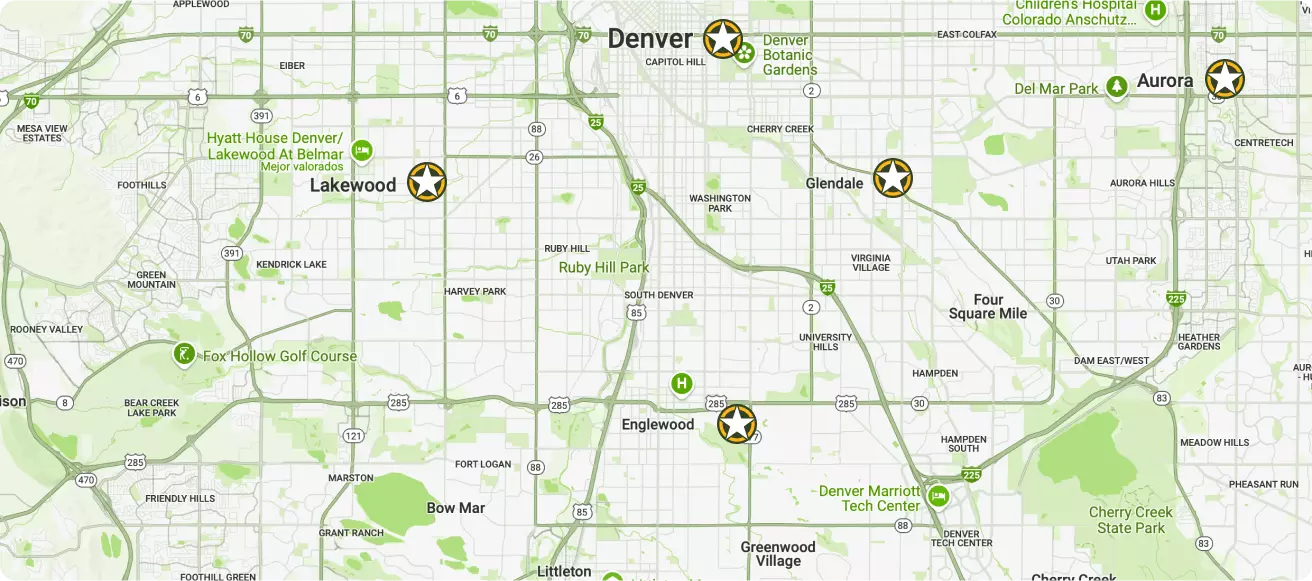
We offer specialty and seasonal services like indoor air quality upgrades, pre-winter furnace checks, and summer AC tune-ups to keep your home prepared year-round.
Our Primary Air Conditioning Services Include:
Don't see the service you need? Call our Team today!
PLUMBING
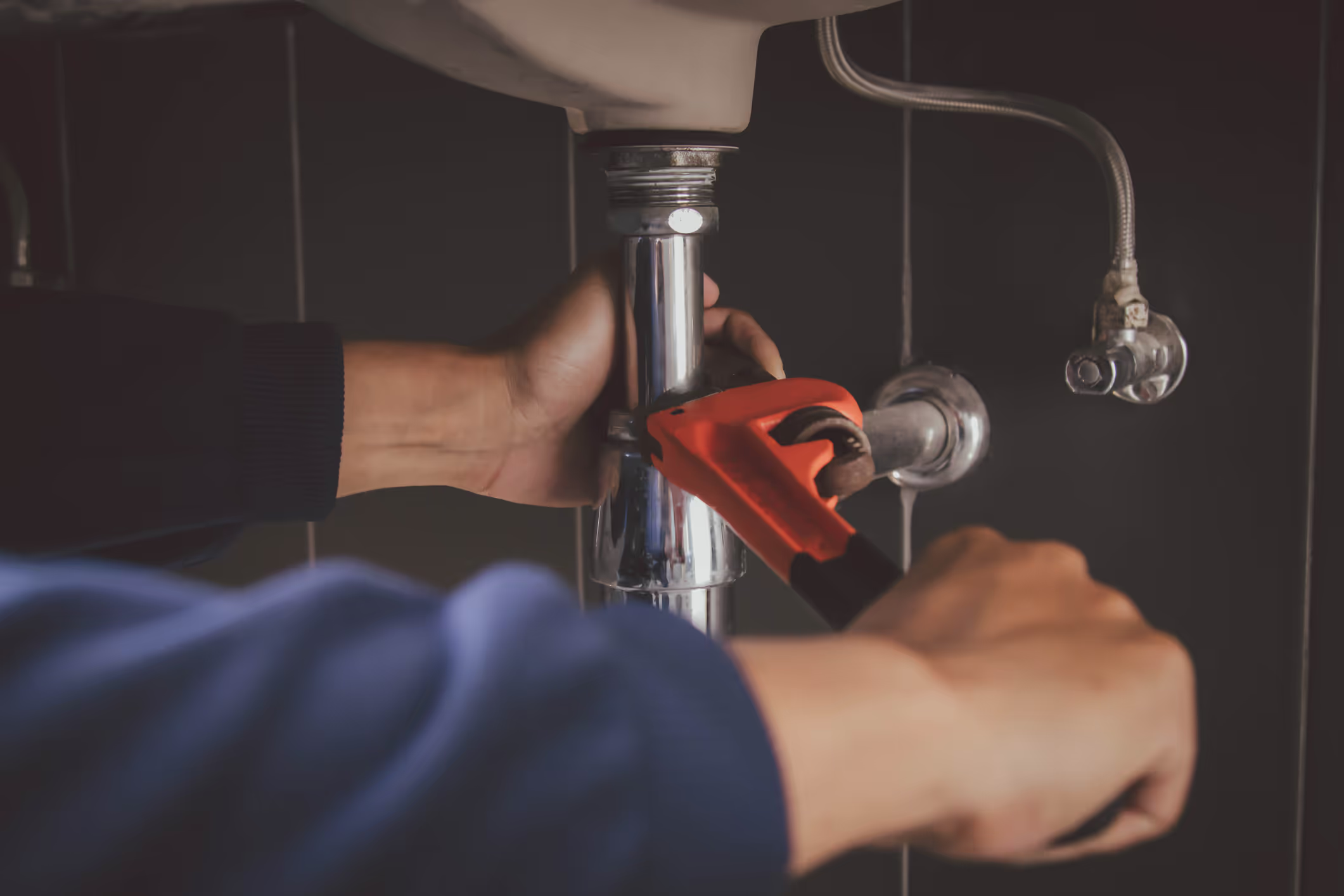
From leaks to full system installs, our plumbing services cover everything you need for a safe, reliable home water system, 24/7.
Our Primary Plumbing Include:
- Water Heater Replacement
- Water Heater Repair
- Trenchless Sewer Line
- Water Filtration
- Slab Leak
- Sewer Line Repair
Don't see the service you need? Call our Team today!
ELECTRICAL

Our electrical services ensure your home stays safe and powered, from routine fixes to complete system upgrades.
Our Primary Electrical Services Include:
- House Rewiring
- Electrician
- Electric Panel Upgrade
- Electric Panel Replacement
- EV Chargers
- Whole House Generator
Don't see the service you need? Call our Team today!
HEATING

We install, repair, and maintain heating & furnace systems with expert care to keep your Colorado home comfortable and energy-efficient year-round.
Our Primary Heating Services Include:
- Heating Installation
- Heating Replacement
- Heating Maintenance
- Heating Repair
- Heating Service
- Heating Tune-Up
Don't see the service you need? Call our Team today!