
That Sudden November Frost: When to Worry About Your Heat Pump
You wake up early, look out the window, and see your outdoor heating unit completely covered in a thick layer of white frost. The panic sets in almost immediately. Is your heating system failing on the coldest day of the year? In our experience, this is one of the most common homeowner questions answered by our dispatch team as soon as the first hard November freeze hits the region. Your immediate reaction is completely understandable. A machine designed to keep your house warm looks like it is freezing solid, which feels like a major red flag.
However, as outdoor temperatures drop closer to freezing, seeing a layer of frost on your outdoor coils is actually a very common scenario. It does not automatically mean your system is broken or that you are about to lose your home heating. Heat pumps pull ambient thermal energy from the outside air, and when the air is cold and holds moisture, condensation naturally freezes on the aluminum fins. The real challenge for any homeowner is learning how to distinguish between a routine, built-in defrost cycle and a genuine mechanical failure that requires professional intervention.
As experienced installers handling countless units across the area, we know exactly how these systems are designed to operate under pressure. We want to give you the tools to evaluate your outdoor unit calmly and accurately. By understanding the mechanics of your system and knowing exactly what visual cues to look for, you can make a confident decision about whether to simply wait a few minutes or pick up the phone to call for emergency service.
Understanding the Defrost Cycle on High-Efficiency Heat Pumps
To understand why frost appears, you have to understand how a heat pump manages cold weather. Unlike a traditional furnace that burns gas to create heat, your heat pump uses refrigerant to absorb available heat from the outside air and move it indoors. Because the refrigerant inside the outdoor coils is much colder than the outside air, moisture from the air condenses on the coils and freezes. To prevent this frost from turning into a solid block of ice that blocks airflow, modern systems are equipped with a built-in defrost cycle.
The defrost cycle is a self-preservation mechanism. When the system's sensors detect that frost is impeding airflow, the unit temporarily shifts into cooling mode. This might sound counterintuitive in the middle of winter, but it serves a vital purpose. By switching to cooling mode, the system takes the hot refrigerant that was heading inside your house and redirects it back to the outdoor coils. This blast of heat quickly melts the accumulated frost. A normal defrost cycle typically lasts between 5 and 15 minutes, depending on the severity of the frost and the outside temperature.
During this brief window, you will likely notice a few specific behaviors from your unit. The outdoor fan will stop spinning. This happens so the hot refrigerant can melt the frost without cold winter air blowing across the coils and slowing down the process. You may also see a significant amount of steam rising from the top of the outdoor unit. Homeowners often mistake this steam for smoke and panic, assuming the unit is on fire. If you operate Midea heat pump systems or similar high-efficiency models, this rising steam is a perfectly normal byproduct of the rapid melting process.
The 15-Minute Observation Rule
When you spot frost on your outdoor unit, the most important step you can take is to practice the 15-minute observation rule. Instruct your household to simply wait and observe the unit for 15 minutes before assuming there is a problem. During this time, listen closely to the system. You will likely hear a distinct "whooshing" or hissing sound. This auditory cue is the reversing valve shifting the flow of refrigerant to initiate the defrost cycle. Once the coils are clear, you will hear that whooshing sound again as the unit shifts back into standard heating mode, and the outdoor fan will spin back up.
Normal Frost vs. Hard Ice: A Disciplined Observation Framework
When evaluating your outdoor unit, relying on a military-precision observation framework helps you stay calm and assess the situation accurately. We teach our customers to approach the unit methodically, looking for specific visual cues rather than panicking at the first sight of white on the coils. Knowing the difference between a light dusting of frost and a problematic block of ice is the key to protecting your equipment.
During a fall service consultation, one Denver metro area homeowner felt a great deal of uncertainty about choosing a reliable provider to evaluate their system's performance. By walking them through this exact disciplined observation framework, our sales team and front office made the process easy and trustworthy. The customer gained full confidence in the company, knowing their time and money were being respected through honest education.
To help you make the right call, use this step-by-step visual inspection guide to diagnose the severity of the ice on your unit. Clear communication of these visual symptoms helps our dispatchers understand the exact urgency of your situation.
• Visual Appearance — Normal Defrost Frost: A light, even coating of white frost that resembles a thin dusting of snow. — Abnormal Hard Ice (Requires Service): A solid, thick block of clear or milky hard ice encasing the unit.
• Coil Visibility — Normal Defrost Frost: You can still see the shape and ridges of the aluminum fins beneath the frost. — Abnormal Hard Ice (Requires Service): The coils are completely buried under a heavy sheet of impenetrable ice.
• Fan Blades — Normal Defrost Frost: The fan blades are clear and unobstructed by ice buildup. — Abnormal Hard Ice (Requires Service): Ice has bridged across the top grille or is interfering with the fan blades.
• Time to Clear — Normal Defrost Frost: Melts away completely within 5 to 15 minutes of the cycle starting. — Abnormal Hard Ice (Requires Service): Persists for hours or continues to grow thicker throughout the day.

Why Your Heat Pump Might Blow Cold Air During a Cold Snap
The Problem: You hear the outdoor unit shift into its defrost cycle, but suddenly, the air blowing out of your indoor vents feels noticeably cooler. This secondary panic often leads homeowners to believe their heating system has completely failed, right when they need it most.
The Cause: Because the heat pump must temporarily shift into cooling mode to melt the outdoor ice, the indoor coil becomes cold. If left unassisted, the system would blow cold air directly into your living space. To prevent this, your system is designed to automatically engage auxiliary or backup heating strips. These electric resistance heaters kick in simultaneously with the defrost cycle to temper the air and keep your home comfortable while the outdoor unit clears itself. Denver's specific high altitude and rapid temperature swings—especially when dropping to the 22°F threshold during that first hard November freeze—trigger these sudden, visible defrost cycles that frequently catch new heat pump owners off guard.
The Solution: Monitor the temperature of the air coming from your vents. A brief period of lukewarm or slightly cooler air is normal as the auxiliary heat catches up. However, if the air remains genuinely cold for more than 20 minutes, your auxiliary heat strips or the defrost control board itself may be malfunctioning. If you are already struggling with uneven temperatures and are choosing between a 1-zone mini split and baseboard heaters for a drafty Denver bedroom, a malfunctioning defrost board will only make that room feel colder and more uncomfortable. If the cold air persists, it is time to have a technician evaluate the backup heating elements.
Warning Signs: When Frost Becomes a True HVAC Emergency
While a light dusting of frost is normal, a solid block of ice indicates a mechanical failure that your system cannot resolve on its own. When the defrost cycle fails to initiate or complete, the ice will continue to accumulate, eventually crushing the delicate fins or burning out the compressor. As a Midea Elite Dealer, we have the specialized diagnostic tools required to identify exactly why your system is freezing up. Here are the primary culprits that turn normal frost into a true HVAC emergency:
1. A Malfunctioning Defrost Control Board: The "brain" of the defrost system relies on a timer and temperature sensors to know when to initiate the cycle. If the board fails or a sensor goes bad, the system will never realize it is covered in ice, and it will continue trying to heat your home while suffocating under a solid block of frozen condensation.
2. Low Refrigerant Levels: Refrigerant is the lifeblood of your heat pump. If there is a leak in the system, the pressure drops, causing the coils to become much colder than they should be. This excessive freezing overwhelms the defrost cycle, resulting in massive ice buildup that the system simply cannot melt away on its own.
3. Severe Airflow Restrictions: Your heat pump needs a massive volume of air moving across the coils to operate correctly. If the outdoor fan motor is failing, or if the coils are blocked by wet autumn leaves, snowdrifts, or dirt, the system cannot absorb enough heat. This lack of airflow accelerates frost formation beyond what the defrost cycle is programmed to handle.
4. A Sticking Reversing Valve: The reversing valve is the physical component that switches the flow of refrigerant. If this valve becomes stuck in the heating position due to mechanical wear or electrical failure, the system physically cannot shift into cooling mode to melt the ice, no matter what the control board commands.
The Danger of DIY De-Icing (And What to Do Instead)
When a homeowner sees a solid block of ice suffocating their expensive heating equipment, the instinct is often to take matters into their own hands. We strongly warn against any improper homeowner interventions, as well-intentioned DIY efforts frequently cause catastrophic damage to the unit. The aluminum fins on your outdoor coils are incredibly delicate. Never use sharp objects like ice picks, screwdrivers, or shovels to chip or scrape the ice away. Even a minor slip can puncture a refrigerant line, turning a simple sensor repair into a total system replacement.
Additionally, do not pour hot water over the unit to melt the ice. In freezing temperatures, hot water can flash-freeze upon contact with the super-cooled metal, creating an even thicker layer of hard ice. Pouring water over the unit also risks shorting out the sensitive electrical components housed inside the cabinet. Because diagnosing a frozen unit involves high-voltage components and pressurized gases, homeowners should never attempt DIY electrical testing or refrigerant handling on their Midea heat pump systems.
If you determine that your unit is encased in abnormal hard ice, your immediate action plan is simple: go to your thermostat, switch the system from normal heating to Emergency Heat mode, and call a professional. Emergency heat mode forces the system to rely entirely on the indoor backup heating strips, shutting down the frozen outdoor unit so it does not damage itself further.
One local property owner experienced this exact scenario during a winter rental property maintenance issue. They needed reliable and honest technicians to handle the frozen unit rather than risking DIY damage. Our technicians arrived promptly, wore shoe covers at the door, introduced themselves, and got straight to work safely diagnosing the ice buildup. By trusting a professional, the owner received affordable, honest service that protected their investment and earned a strong recommendation.
Proactive Winter Maintenance with a Veteran Owned Heating and Air Conditioning Team
The stress of waking up to a frozen heat pump can largely be avoided through proactive, disciplined maintenance. An annual heating check is essential to ensure that your defrost sensors, reversing valve, and auxiliary heating strips are fully operational before the severe winter weather arrives. During a comprehensive inspection, a technician can test the defrost control board to verify it is initiating the cycle at the correct intervals and temperatures.
For homeowners in the Denver metro area, staying ahead of the weather requires a structured approach. Enrolling in a routine maintenance program, such as our Basic Care plan, provides exactly that. It ensures your system receives the consistent attention it needs to remain reliable through the harshest cold snaps. A veteran-owned business brings a trustworthy, disciplined service approach to these inspections. You receive honest advice and clear reports on the health of your system without dealing with high-pressure upselling tactics.
Partnering with certified experts means your equipment is continually calibrated to operate exactly to manufacturer specifications. When your heat pump is thoroughly cleaned, correctly charged with refrigerant, and electrically sound, it handles the natural frost of late fall and deep winter with ease, leaving you completely comfortable indoors.
Secure Your Winter Comfort with Expert Heat Pump Support
Understanding how your heating system reacts to cold weather is the first step in protecting your home. Knowing the clear visual differences between normal, temporary frost and a solid block of abnormal ice empowers you to make smart decisions when the temperature drops. You no longer have to panic at the sight of a white, frosty outdoor unit, because you now have the disciplined observation framework required to evaluate it.
If your system fails the 15-minute observation rule, or if you find yourself constantly relying on emergency heat to stay warm, you do not have to figure it out alone. As a trusted Midea Elite Dealer, our team has the specialized knowledge to diagnose and resolve complex defrost cycle failures safely and efficiently. Secure your peace of mind this winter by scheduling a comprehensive system evaluation today, and let our experts ensure your heat pump is ready for whatever the season brings.
ABOUT Veteran Heating, Cooling, Plumbing & Electric
Veteran Heating, Cooling, Plumbing & Electric was founded on the belief that service should be personal, honest, and community-focused. Our team is built around integrity, professionalism, and a true commitment to your home’s comfort and safety.
Led by a U.S. Army veteran with over 30 years of industry experience, we’re proud to remain locally owned and operated. Every technician, plumber, and electrician is EPA-certified, background checked, and driven to exceed expectations.
- 24/7 ServiceWe offer weekend & 24/7 emergency service. We’re here whenever you need us—day, night, or weekend, no exceptions.
- $0 Trip FeesNo dispatch or trip fees. You’ll never pay just for us to show up—service starts when the work does.
OUR SERVICES
AIR CONDITIONING

We offer specialty and seasonal services like indoor air quality upgrades, pre-winter furnace checks, and summer AC tune-ups to keep your home prepared year-round.
Our Primary Air Conditioning Services Include:
Don't see the service you need? Call our Team today!
PLUMBING
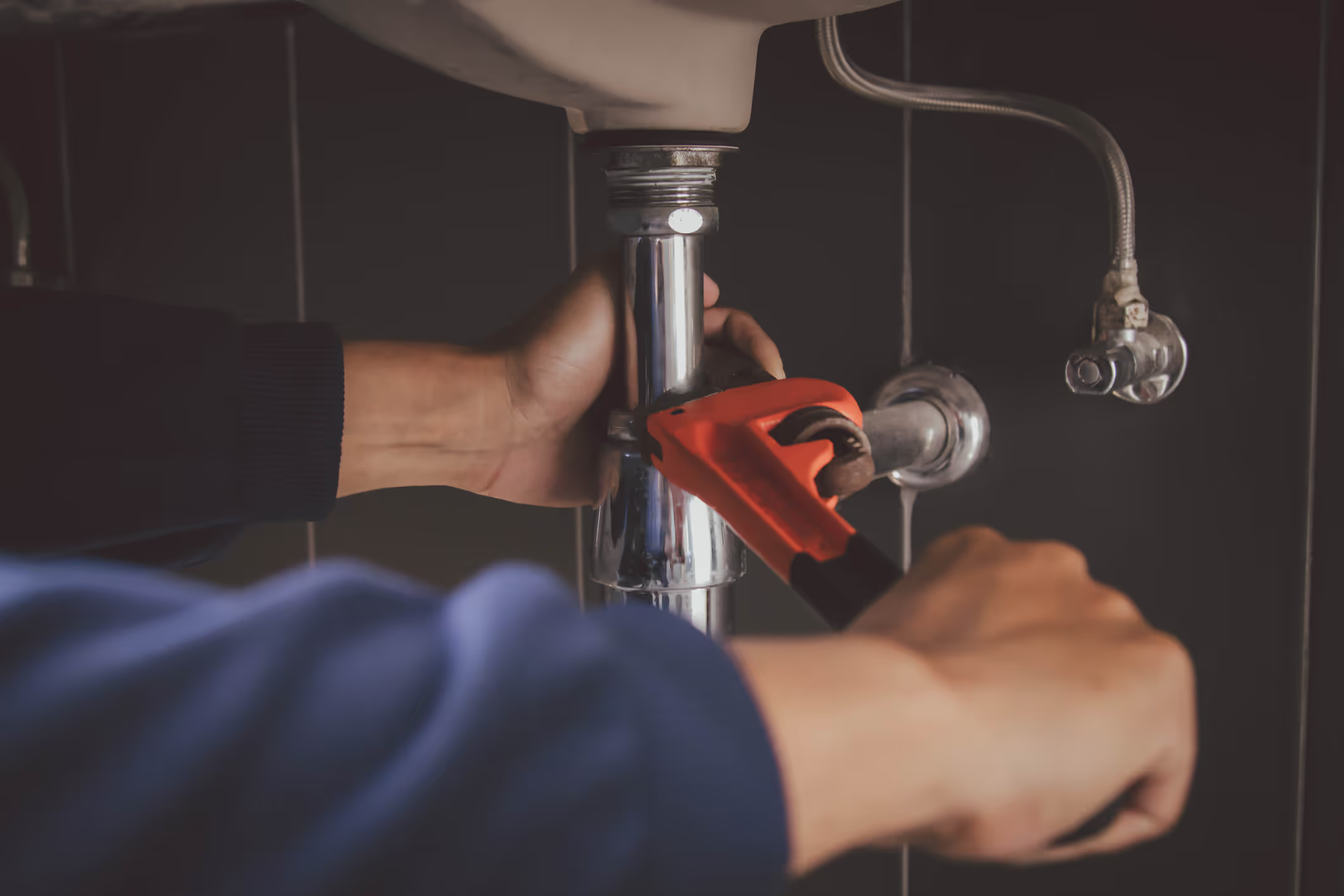
From leaks to full system installs, our plumbing services cover everything you need for a safe, reliable home water system, 24/7.
Our Primary Plumbing Include:
- Water Heater Replacement
- Water Heater Repair
- Trenchless Sewer Line
- Water Filtration
- Slab Leak
- Sewer Line Repair
Don't see the service you need? Call our Team today!
ELECTRICAL

Our electrical services ensure your home stays safe and powered, from routine fixes to complete system upgrades.
Our Primary Electrical Services Include:
- House Rewiring
- Electrician
- Electric Panel Upgrade
- Electric Panel Replacement
- EV Chargers
- Whole House Generator
Don't see the service you need? Call our Team today!
HEATING

We install, repair, and maintain heating & furnace systems with expert care to keep your Colorado home comfortable and energy-efficient year-round.
Our Primary Heating Services Include:
- Heating Installation
- Heating Replacement
- Heating Maintenance
- Heating Repair
- Heating Service
- Heating Tune-Up
Don't see the service you need? Call our Team today!