Why Professional Gas Line Installation Matters for Denver Homeowners
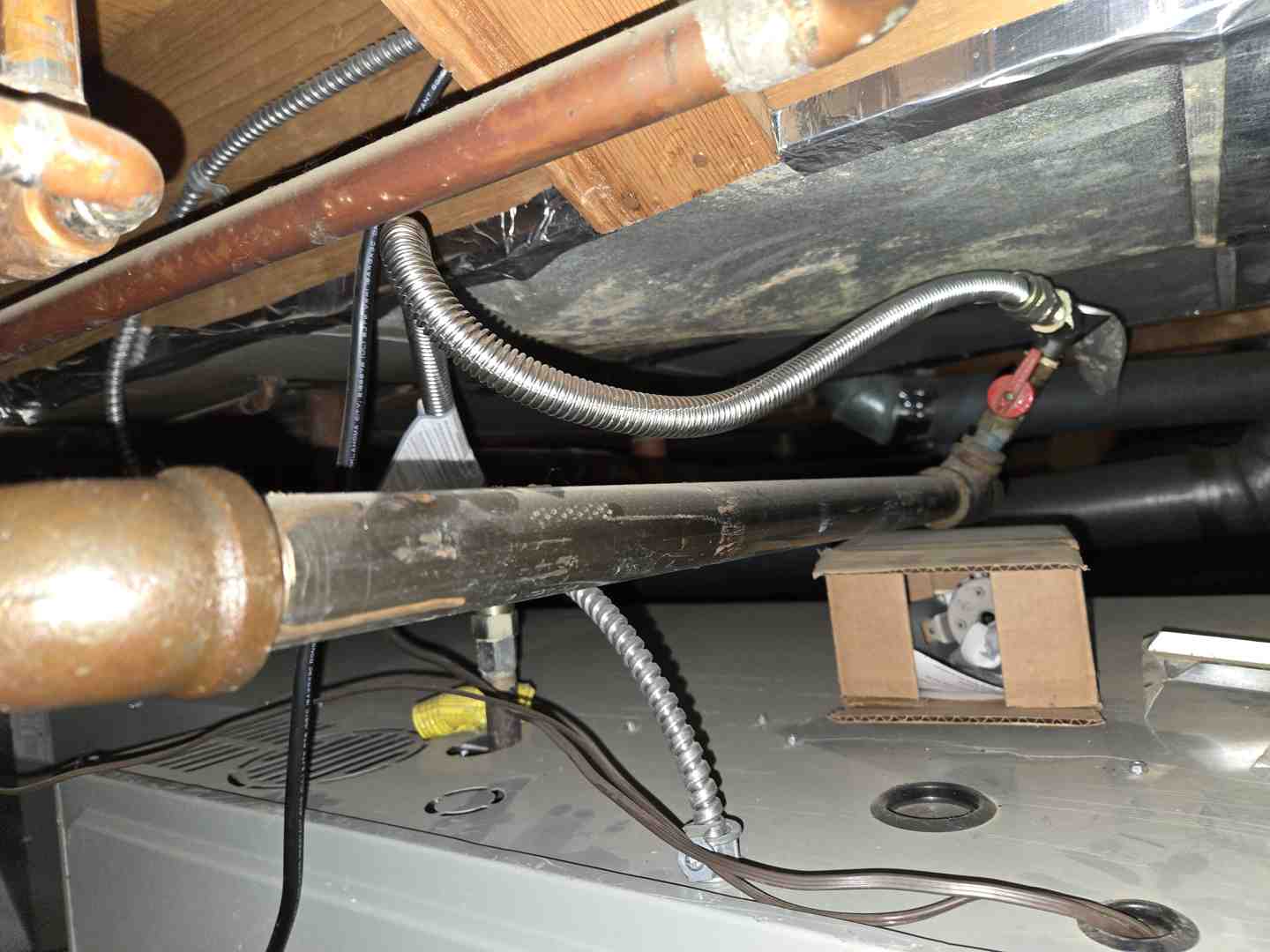
Gas line installation denver co requires licensed professionals who understand local building codes, safety protocols, and proper material selection. Whether you're upgrading to a new gas range, adding an outdoor fire pit, or replacing aging pipes, working with natural gas demands precision and expertise.
Quick Answer: Finding the Right Gas Line Installation Service in Denver
When searching for gas line installation services in Denver, you need:
• Licensed and insured professionals certified for gas fitting work
• Permit management to ensure compliance with Denver building codes
• Safety testing including pressure tests and leak detection
• Quality materials like black iron, CSST, or copper approved for your application
• Emergency response capabilities for urgent repairs or suspected leaks
Natural gas powers some of the most essential systems in Denver homes—from furnaces that keep families warm during harsh winters to water heaters, ranges, and outdoor living features. But the benefits of natural gas come with serious responsibility. Improper installation can lead to dangerous leaks, carbon monoxide exposure, or even explosions. That's why Denver requires permits and inspections for all gas line work, and why choosing the right professional matters so much.
For comprehensive plumbing solutions beyond gas lines, explore our plumbing services in Denver, CO. Ready to get started with a trusted team? Schedule your gas line installation consultation with certified professionals today.
I'm Mike Townsend, and my background includes eight years in the U.S. Army managing precision cooling systems for heat-seeking missile technology—work that demanded absolute attention to detail and safety. That same discipline guides how I approach gas line installation denver co projects, ensuring every connection meets the highest standards for your home's safety and efficiency.
Common Reasons for Gas Line Installation in Denver Homes
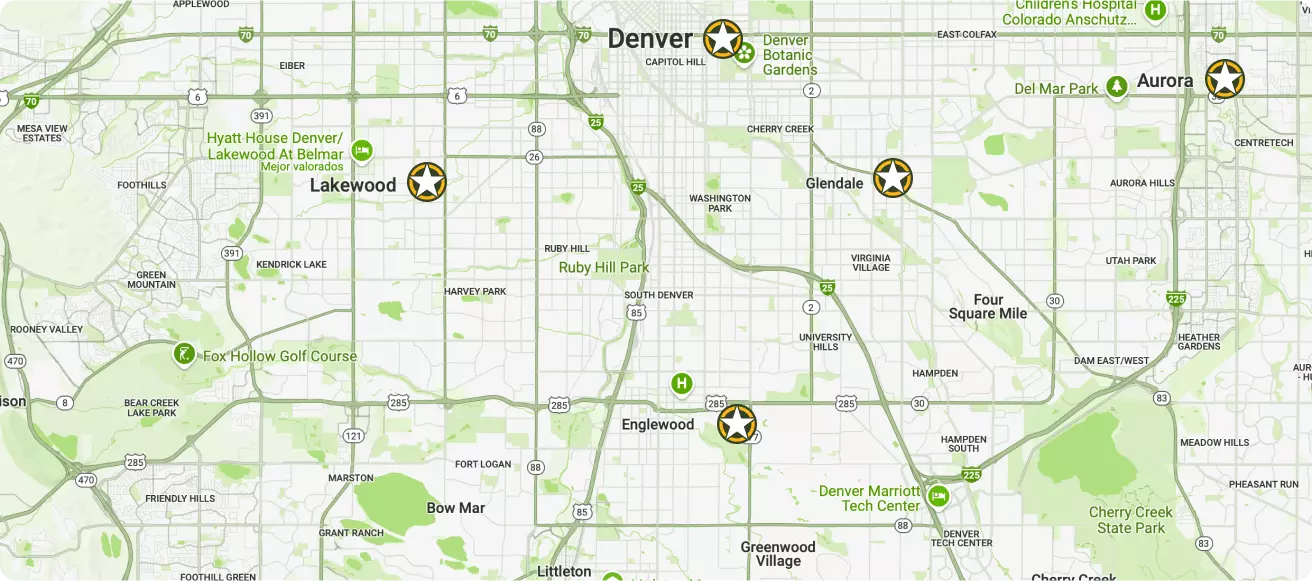
Homeowners in Denver, Greenwood Village, Arvada, Aurora, Broomfield, Castle Rock, Centennial, Columbine, Golden, Highlands Ranch, Lakewood, and Littleton often find themselves needing new gas line installations or repairs for a variety of reasons. We understand that life in the Denver Metro area is dynamic, with many residents upgrading older homes or expanding their living spaces. This often leads to an increased demand for modern gas line installations to accommodate new appliances and ensure energy efficiency.
One of the primary drivers is the desire to improve home comfort and functionality. Natural gas offers a reliable and efficient energy source for a wide range of appliances, making it a popular choice for many households. The Denver area experiences significant temperature fluctuations, making reliable heating systems, often powered by natural gas, essential for residents.
Gas Appliances for Your Home
Many types of appliances typically require new gas line installations or extensions to existing lines. Think about the heart of your home—your kitchen. Gas ranges and cooktops are beloved by home chefs for their precise temperature control and instant heat. Upgrading to a gas range often means needing a new or extended gas line.
Beyond the kitchen, natural gas powers many other crucial home systems:
• Furnaces: Essential for staying warm during Denver's cold winters, gas furnaces require dedicated gas lines.
• Water Heaters: Both traditional tank and modern tankless water heaters rely on natural gas for efficient water heating. Upgrading to a tankless unit, which often has higher fuel demands, might necessitate an upgrade to your existing gas line capacity.
• Clothes Dryers: Gas dryers are often more energy-efficient and faster than electric models.
• Gas Fireplaces: For cozy evenings, a gas fireplace provides warmth and ambiance without the hassle of wood.
• Generators: Whole-home standby generators, which automatically kick on during power outages, are often powered by natural gas, requiring a dedicated line to ensure continuous operation.
Whether you're planning a kitchen remodel in Aurora, CO, or simply replacing an old appliance, our team is equipped to handle your gas line needs. Check out our services for gas line installation in Aurora, CO. If you're in Littleton, CO, and looking to add new gas appliances, we're here to help with gas line installation in Littleton, CO.
Outdoor Gas Line Installations
The Denver climate also encourages vibrant outdoor living, and natural gas can significantly improve these spaces. Imagine hosting a backyard barbecue without ever running out of propane, or enjoying a crackling fire pit on a cool evening. These amenities require dedicated outdoor gas lines.
Common outdoor applications for gas lines include:
• BBQ Grills: Permanent gas grills offer convenience and consistent fuel.
• Fire Pits: A gas fire pit provides instant warmth and atmosphere for outdoor entertaining.
• Patio Heaters: Extend your outdoor season with efficient gas-powered patio heaters.
• Pool Heaters: For heated pools, natural gas offers a cost-effective and powerful heating solution.
• Snowmelt Boilers: Some systems use natural gas to keep driveways and walkways clear of snow and ice.
Special considerations for outdoor gas line installations include ensuring the lines are properly buried and protected from the elements, as well as adhering to specific outdoor safety codes. If you're looking to improve your outdoor living space in Golden, CO, we can help with gas line installation in Golden, CO.
Your Guide to Gas Line Installation Denver CO: Safety, Permits, and Materials
When it comes to gas line installation denver co, safety is not just a priority—it’s paramount. Working with natural gas is inherently risky, and any installation or repair must be handled by licensed professionals who adhere to the strictest safety standards and local building codes. In Denver, strict building codes and inspection requirements are in place for all gas line installations, reflecting the serious concern for public safety.
Our commitment to excellence means we always follow national safety standards like NFPA 54 (National Fuel Gas Code) and the International Fuel Gas Code (IFGC). These comprehensive guidelines, along with specific local building codes and permitting requirements, ensure that every gas line we install is safe, reliable, and up to code. This precision and expertise are part of the "Veteran Advantage" we bring to every project, ensuring meticulous attention to detail and unwavering commitment to safety. For our neighbors in Centennial, CO, we offer the same rigorous standards for gas line installation in Centennial, CO.
Choosing the Right Materials for Your Gas Piping
The type of material used for gas piping is crucial for both safety and longevity. Different materials are suited for different applications, and local codes dictate which can be used where.
Here are the common types of materials used:
• Black Iron Pipe: This is a traditional and very durable material, commonly used for indoor gas lines. It's robust and provides a strong, rigid connection.
• Corrugated Stainless Steel Tubing (CSST): CSST is a flexible option that has gained popularity, especially for remodeling projects. Its flexibility makes it easier and quicker to route through walls and ceilings, which can be advantageous in certain situations. However, it requires specific installation techniques and bonding to ensure safety.
• Copper: While copper can be used for gas lines, its use is often restricted by local codes, especially for natural gas. It's more commonly found in propane systems or for small appliance connectors.
• High-Density Polyethylene (HDPE) or PVC: For buried sections of gas lines, particularly those extending outdoors, HDPE or specially approved PVC are often preferred. These materials are excellent for corrosion resistance, which is vital given that metallic gas lines can inevitably corrode due to natural elements like water and soil. Your installer will confirm which options meet local code and can provide expert recommendations for your specific needs.
We only use durable, code-approved piping materials to ensure your system's integrity and long-term safety.
Navigating Permits and Inspections for gas line installation denver co
The process for obtaining permits and inspections for gas line work in Denver is a critical safeguard. Municipalities require permits to guarantee that installations adhere to strict safety codes, minimizing the risks of gas leaks and other hazards.
Here's what you can expect:
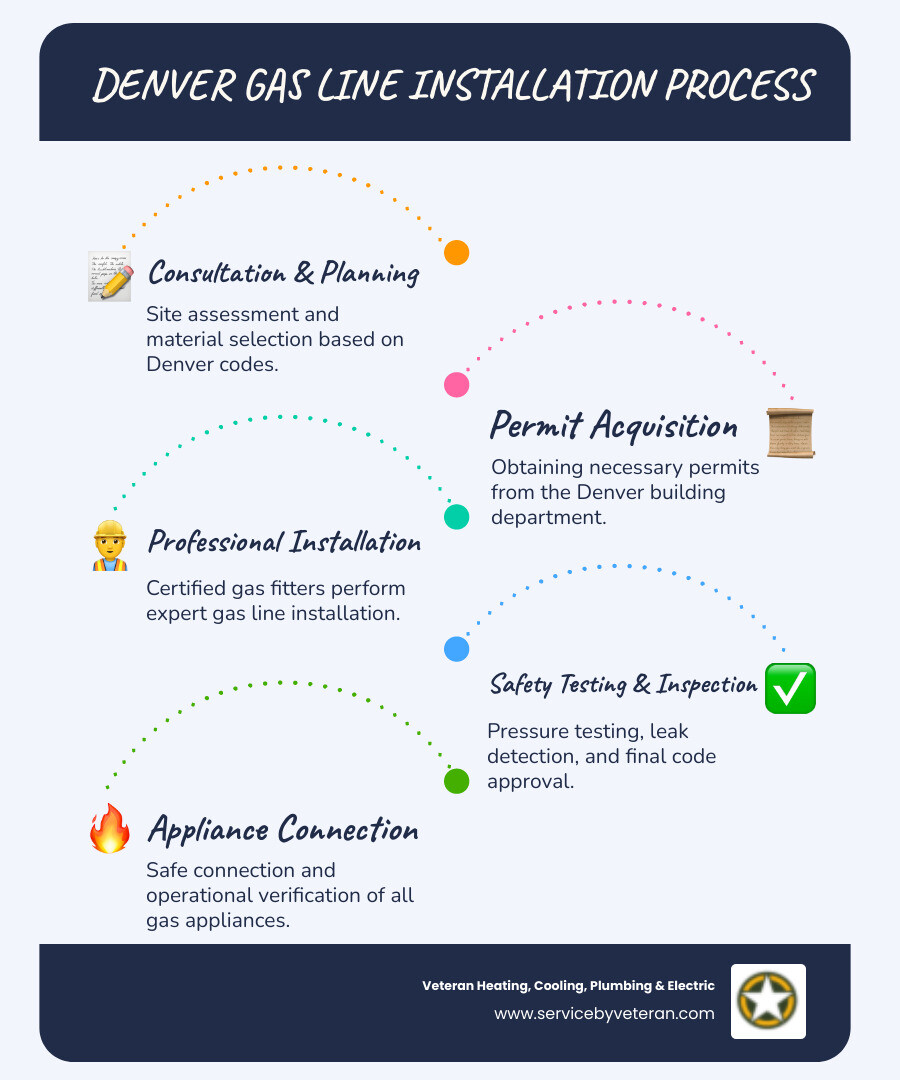
1. Permit Application: As licensed contractors, we secure and manage the necessary permits from the Denver Community Planning and Development Department. This ensures that your project is documented and approved before any work begins.
2. Professional Installation: Our certified gas fitters perform the installation according to the approved plans and all relevant codes.
3. Safety Verification: During and after installation, we conduct comprehensive safety tests. This includes advanced leak detection and high-pressure testing to ensure every connection is secure and leak-free.
4. Final Inspection: A city inspector will review the work to confirm it meets all local building codes and safety requirements. This final inspection is a crucial step in verifying the system's integrity and ensuring a safe and reliable gas supply to your home.
We handle the entire permitting and inspection process from start to finish, providing you with peace of mind. For residents in Broomfield, CO, we manage this process seamlessly for all our gas line installation in Broomfield, CO projects.
Gas Leak Safety: How to Identify and Respond to a Leak
Natural gas is an incredibly useful energy source, but it also demands respect. Gas leaks are dangerous and can lead to serious health risks, including carbon monoxide poisoning, or even explosions. Knowing how to identify a gas leak and, more importantly, how to respond immediately, is vital for every homeowner in Denver and the surrounding areas.
Natural gas is naturally odorless, but utility companies add a chemical called mercaptan, which gives it a distinctive "rotten egg" or sulfur-like smell. This smell is your primary warning sign.
Other indicators of a potential gas leak include:
• Hissing or Whistling Sounds: An audible sound coming from a gas line or appliance, indicating gas escaping under pressure.
• White Clouds of Dust: If you see a white cloud forming around a gas line, it could be escaping gas.
• Dying or Discolored Vegetation: Patches of dead or discolored grass or plants over or near a buried gas line can indicate an underground leak.
• Bubbling in Wet Areas: If you see bubbling in puddles, ponds, or wet ground, it might be gas escaping from a buried line.
• Physical Symptoms: Exposure to carbon monoxide, which can be a byproduct of incomplete combustion or a gas leak, can cause nausea, dizziness, fatigue, headache, or flu-like symptoms. If multiple people in the home experience these symptoms simultaneously, especially when gas appliances are in use, it's a serious warning sign.
Emergency Steps for a Suspected Gas Leak
If you suspect a gas leak, immediate and decisive action is critical. Your safety and the safety of your family are the top priority.
1. Evacuate Immediately: Get everyone, including pets, out of the building and to a safe location far away from the house.
2. Do NOT Use Electronics: Do not use light switches, electrical appliances, phones (until you are safely outside), or garage door openers. These can create a spark that could ignite the gas.
3. Avoid Sparks or Flames: Do not light matches, use lighters, or operate anything that could create a flame or spark.
4. Call 911 from a Safe Location: Once you are a safe distance away from your home, call 911.
5. Contact Your Utility Company: Also, call your local gas utility company (like Xcel Energy in Denver) to report the leak. They can dispatch technicians to shut off the gas supply and assess the situation.
Never attempt to locate or fix a gas leak yourself. Leave that to the professionals. After emergency services have been contacted and the situation is stabilized, you'll need a licensed professional for repair. Sometimes, a utility company might "tag" your gas line. A "yellow tag" means they've advised immediate repair, while a "red tag" means the gas has been turned off and the meter booted due to an unsafe condition, requiring utility company intervention after a permit and inspection for the repair. We can help expedite the permit and inspection process for gas line repairs, potentially reducing downtime and restoring your comfort quickly.
Finding Your Trusted Gas Line Professional in Denver
Choosing the right professional for your gas line installation denver co is paramount. Given the safety implications, this is not a job for just any handyman. You need a team that is not only skilled but also deeply committed to safety and compliance.
When searching for a qualified and licensed professional for gas line services in Denver, Greenwood Village, Arvada, Aurora, Broomfield, Castle Rock, Centennial, Columbine, Golden, Highlands Ranch, Lakewood, and Littleton, look for:
• Licensed Plumbers or Certified Gas Fitters: Ensure they hold the proper licensing for gas line work in Colorado. This credential protects you from unsafe work and ensures they meet legal requirements.
• Insured Professionals: Verify that the company is fully insured. This protects you in case of any accidents or damage during the work.
• Local Experience: A company with experience in the Denver Metro area will be familiar with local codes, permitting processes, and the specific challenges of our climate.
• Positive Customer Reviews: Look for feedback that highlights professionalism, attention to detail, adherence to timelines, and customer satisfaction.
• Permit Management: A top-tier provider will manage the entire permit acquisition and inspection process, ensuring all work is compliant.
For our neighbors in Castle Rock, CO, we are your trusted partner for gas line installation in Castle Rock, CO.
Key Qualities of a Top-Tier Provider for gas line installation denver co
When we approach a gas line installation denver co project, we bring a set of core qualities that define our service:
• Meticulous Attention to Detail: Our background in the U.S. Army instilled a discipline for precision. Every connection, every pipe length, every safety check is performed with the utmost care. This ensures that your gas lines are not just installed, but installed perfectly.
• Unwavering Commitment to Safety: We adhere to stringent safety regulations, national standards, and local building codes. We understand that working with gas requires an unwavering commitment to safety, and we never cut corners.
• Transparent Communication: We believe in keeping you informed every step of the way. From the initial consultation to the final inspection, we explain the process, answer your questions, and ensure you understand the work being done.
• Expertise and Experience: Our team comprises highly certified installers and knowledgeable staff. We have perfected not only installing but also repairing and replacing gas lines for a wide range of residential and commercial applications.
• Customer-First Approach: We're not happy until you're happy. Our refreshingly honest and community-focused approach means we prioritize your satisfaction above all else. This is why we offer a lifetime warranty on parts and labor and a money-back guarantee—because we stand by our work.
Choosing a team built on principles forged through service means partnering with professionals who bring precision, integrity, and uncompromising safety to your home. For residents in Columbine, CO, experience the difference with our dedicated team for gas line installation in Columbine, CO.
Frequently Asked Questions about Gas Line Services
We understand you likely have many questions when considering gas line installation or repair. Here are some of the most common inquiries we receive:
What is the typical lifespan of a gas line?
Gas pipelines are designed for durability and typically last for many decades before needing replacement. The exact lifespan can vary depending on the material used (e.g., black iron, CSST, HDPE) and environmental factors. For instance, metallic gas lines, especially those buried, will inevitably corrode over time due to natural elements like water and soil.
This is why professional installation using appropriate materials for the specific application (e.g., corrosion-resistant HDPE for buried lines) is crucial. While gas lines are robust, routine gas line checks and yearly maintenance are recommended to ensure the system stays leak-free and safe long-term. This proactive approach helps identify minor issues before they escalate into major problems, extending the lifespan of your gas lines and maintaining your peace of mind.
Can I install a gas line for an outdoor grill myself?
While the idea of a DIY project can be appealing, attempting to install or alter gas piping yourself is strongly discouraged and can be extremely dangerous. Working with natural gas involves combustible and dangerous elements that require extensive expertise and precision.
Here's why you should always hire a licensed professional:
• Safety Hazards: Improper installation can lead to gas leaks, which can cause carbon monoxide poisoning, fires, or explosions. The risks are simply too high to take on yourself.
• Code Violations: Gas line installations are governed by strict local and national building codes. DIY work almost invariably leads to code violations, which can result in fines and mandatory, costly repairs by a professional.
• Insurance Issues: If an accident occurs due to an improperly installed gas line, your homeowner's insurance policy may not cover the damages if the work was not performed by a licensed professional and inspected.
• Lack of Specialized Tools and Knowledge: Professionals have the specialized tools for cutting, threading, and connecting gas pipes, as well as the expertise to size lines correctly for appliance BTU loads and perform necessary pressure tests.
For your safety and the safety of your home, always entrust gas line installation, even for something seemingly simple like an outdoor grill, to a qualified and licensed professional.
What should I expect during a final gas line inspection?
A final gas line inspection, typically performed by a city inspector after the installation work is complete, is a crucial step to ensure the safety and compliance of your new gas lines.
Here's what generally happens:
• Pressure Test: The inspector will verify that a pressure test has been performed on the newly installed gas lines. This involves pressurizing the lines with air or an inert gas to a specific level and holding that pressure for a set amount of time to confirm there are no leaks.
• Leak Detection Methods: While the pressure test is primary, the inspector may also use other leak detection methods, such as a soap solution or an electronic gas detector, to check connections and fittings for any signs of leakage.
• Appliance Connection Check: The inspector will ensure that all gas appliances are properly connected to the new lines and that all connections are secure.
• Verification of Code Compliance: The inspector will check that the installation adheres to all local building codes, including proper pipe sizing, material usage, support, and clearances.
• Ensuring System Safety: The inspection is to verify that the entire gas piping system is installed safely, correctly, and ready for use, protecting your home and family.
This rigorous inspection process is a testament to the importance of safe gas line installations and provides you with the assurance that your new system meets all necessary safety standards.
Conclusion
From powering your home's essential heating and cooking appliances to enhancing your outdoor living spaces, natural gas offers incredible benefits in terms of efficiency, reliability, and comfort. However, the convenience of natural gas comes with the critical responsibility of ensuring its safe installation and maintenance.
Gas line installation denver co is not a task to be taken lightly. It demands the precision, expertise, and unwavering commitment to safety that only licensed and certified professionals can provide. We've explored the common reasons for needing new gas lines, the types of appliances they serve, the crucial role of permits and inspections, and how to identify and respond to a gas leak.
Safety is paramount. Choosing a reputable, experienced, and highly-rated professional for your gas line needs ensures that your home remains a safe and comfortable haven. We, with our lifetime warranty on parts and labor and a money-back guarantee, are dedicated to providing that peace of mind. For expert gas line installation, trust a team dedicated to precision and safety.
ABOUT Veteran Heating, Cooling, Plumbing & Electric
Veteran Heating, Cooling, Plumbing & Electric was founded on the belief that service should be personal, honest, and community-focused. Our team is built around integrity, professionalism, and a true commitment to your home’s comfort and safety.
Led by a U.S. Army veteran with over 30 years of industry experience, we’re proud to remain locally owned and operated. Every technician, plumber, and electrician is EPA-certified, background checked, and driven to exceed expectations.
- 24/7 ServiceWe offer weekend & 24/7 emergency service. We’re here whenever you need us—day, night, or weekend, no exceptions.
- $0 Trip FeesNo dispatch or trip fees. You’ll never pay just for us to show up—service starts when the work does.
OUR SERVICES
AIR CONDITIONING
.jpg)
We offer specialty and seasonal services like indoor air quality upgrades, pre-winter furnace checks, and summer AC tune-ups to keep your home prepared year-round.
Our Primary Air Conditioning Services Include:
Don't see the service you need? Call our Team today!
PLUMBING
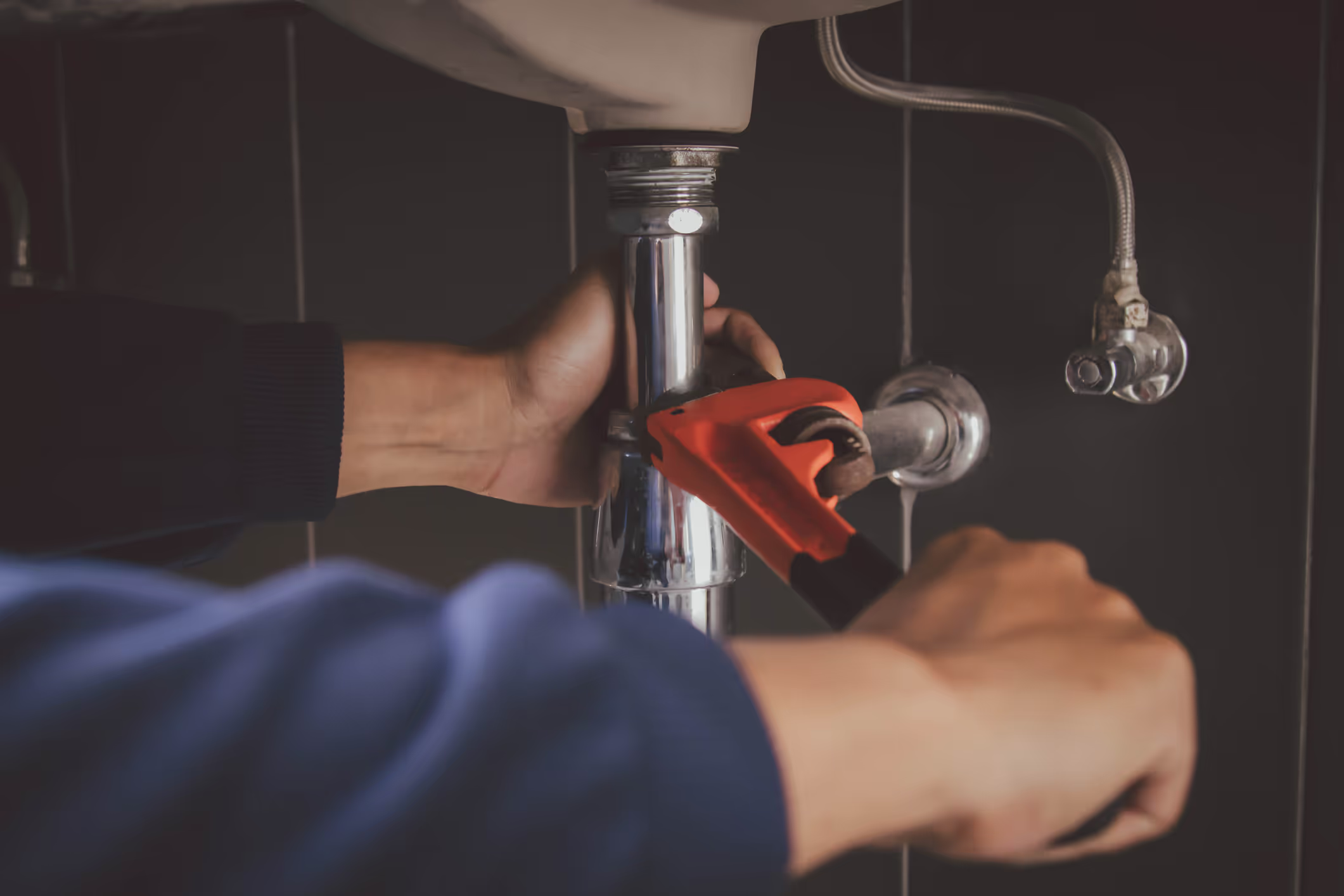
From leaks to full system installs, our plumbing services cover everything you need for a safe, reliable home water system, 24/7.
Our Primary Plumbing Include:
- Water Heater Replacement
- Water Heater Repair
- Trenchless Sewer Line
- Water Filtration
- Slab Leak
- Sewer Line Repair
Don't see the service you need? Call our Team today!
ELECTRICAL

Our electrical services ensure your home stays safe and powered, from routine fixes to complete system upgrades.
Our Primary Electrical Services Include:
- House Rewiring
- Electrician
- Electric Panel Upgrade
- Electric Panel Replacement
- EV Chargers
- Whole House Generator
Don't see the service you need? Call our Team today!
HEATING
.jpg)
We install, repair, and maintain heating & furnace systems with expert care to keep your Colorado home comfortable and energy-efficient year-round.
Our Primary Heating Services Include:
- Heating Installation
- Heating Replacement
- Heating Maintenance
- Heating Repair
- Heating Service
- Heating Tune-Up
Don't see the service you need? Call our Team today!