
The Pre-Winter Heating Dilemma: Furnace or Heat Pump?
When your aging furnace starts making strange noises just as the temperature drops, looking at heating options comparisons for homeowners becomes an urgent priority. That metallic scraping or delayed ignition isn't just a minor annoyance; it is a clear warning sign that your heating system is struggling to keep up. As the late fall chill sets in, the anxiety of a sudden system failure weighs heavily on anyone responsible for keeping their household warm. You are suddenly faced with a significant decision: do you simply swap out the failing unit for another traditional gas furnace, or do you make the leap to a modern heat pump system?
At Veteran Heating, Cooling, Plumbing & Electric, evaluating homes for November pre-winter readiness is a daily routine, and we see this exact dilemma play out constantly. Homeowners want reliability, efficiency, and comfort, but the path to get there is no longer a simple one-to-one equipment swap. The heating industry has evolved rapidly, and high-efficiency systems now offer incredible performance without relying on fossil fuels. However, upgrading your home's heating infrastructure involves much more than just the mechanical unit itself. It requires a comprehensive look at your home's entire energy profile.
One major factor that frequently catches homeowners off guard is the electrical capacity required to support modern HVAC technology. A system upgrade is not just about moving air; it is about powering the sophisticated compressors and air handlers that make high-efficiency heating possible. Making the right choice means understanding how these systems operate, what they demand from your home's infrastructure, and how to prepare your property for the harsh weather ahead. By taking a methodical, disciplined approach to this decision, you can secure a reliable heating solution that will perform flawlessly through the coldest months of the year.
Mechanical Breakdown: High-Efficiency Heat Pumps vs. Gas Furnaces
Understanding the fundamental differences between these two heating methods is the first step in making an informed decision. Traditional gas furnaces and modern heat pumps operate on completely different mechanical principles, which impacts everything from their energy consumption to their maintenance requirements. In our years of serving Denver homeowners and installing Midea high-efficiency heat pumps, the team at Veteran Heating, Cooling, Plumbing & Electric has seen firsthand how advanced technology has completely changed the landscape of residential heating.
A traditional gas furnace relies on combustion. It burns a fossil fuel—typically natural gas—to create a flame inside a heat exchanger. The system's blower motor then forces air over this hot metal exchanger, warming the air before distributing it through your home's ductwork. This method is highly effective at producing rapid, intense heat, but it inherently produces exhaust gases like carbon monoxide, which must be safely vented outside. Furthermore, a furnace is only capable of heating; you still need a separate air conditioning unit to handle the summer months.
In contrast, a heat pump does not generate heat by burning fuel. Instead, it uses electricity and advanced refrigerants to move heat from one place to another. Even in very cold weather, there is ambient thermal energy in the outside air. A heat pump captures this energy, compresses the refrigerant to raise its temperature, and transfers that concentrated heat indoors. Because it is simply moving heat rather than creating it, the process is incredibly efficient. Additionally, the cycle can be reversed in the summer, allowing the exact same piece of equipment to act as a high-performance air conditioner.
How Heat Transfer Outperforms Heat Generation
The physics of heat transfer offer a significant advantage over traditional combustion. When a furnace burns gas, some energy is inevitably lost through the exhaust flue. Even the most efficient condensing furnaces cap out at around 98% efficiency, meaning two percent of the energy is still wasted. Heat pumps, however, can achieve efficiencies well over 300%. For every unit of electricity they consume, they can deliver three or more units of heat energy into your home. This capability allows modern systems to operate at peak performance without relying on fossil fuels, reducing your home's overall carbon footprint while delivering consistent, even comfort.
• Heating Method — Traditional Gas Furnace: Burns natural gas to generate heat via combustion. — High-Efficiency Heat Pump: Uses electricity and refrigerant to transfer heat from outside.
• Energy Efficiency — Traditional Gas Furnace: Max efficiency around 98%; some energy lost in exhaust. — High-Efficiency Heat Pump: Can exceed 300% efficiency by moving existing thermal energy.
• Cold Weather Performance — Traditional Gas Furnace: Produces intense, rapid heat regardless of outdoor temps. — High-Efficiency Heat Pump: Maintains steady, even heating; advanced models handle deep freezes.
• System Functionality — Traditional Gas Furnace: Heating only; requires a separate AC unit for summer. — High-Efficiency Heat Pump: Dual-purpose; provides both heating in winter and cooling in summer.
• Infrastructure Demands — Traditional Gas Furnace: Requires gas lines and proper exhaust ventilation. — High-Efficiency Heat Pump: Requires significant electrical capacity, often a 200-amp panel.

The Hidden Requirement: Why Heat Pumps Trigger Electrical Panel Upgrades
While the mechanical benefits of upgrading are clear, there is a hidden requirement that often catches homeowners by surprise: the electrical panel. Modern Midea high-efficiency heat pumps are powerful pieces of equipment. While they use energy very efficiently, they still require a substantial and consistent electrical draw to operate the compressor, the air handler, and the auxiliary heat strips that occasionally engage during extreme cold snaps. For many older homes, the existing electrical infrastructure is simply not equipped to handle this load.
The 200-Amp standard: Historically, homes were built with 100-amp or 150-amp electrical service panels. This was perfectly adequate when heating was handled by a gas furnace (which only needs a small amount of electricity to run the blower motor) and major appliances were less demanding. However, when you remove a gas-fired appliance and replace it with a fully electric heating system, the electrical demand on your home spikes. To operate safely alongside your electric range, dryer, EV charger, and general lighting, a heat pump installation frequently requires upgrading the home's main electrical panel to a full 200-amp service.
Safety implications of overloaded panels: Attempting to run a modern heat pump on an undersized electrical panel is a serious safety hazard. It can lead to frequently tripped breakers, voltage drops that damage sensitive compressor electronics, and overheating wires that pose a severe fire risk. An electrical panel is the central nervous system of your home; if it is overloaded, the entire system is compromised. Upgrading the panel ensures that your new HVAC equipment receives clean, consistent power without starving the rest of your household appliances.
The value of a comprehensive consultation: This is exactly why a thorough, upfront evaluation is so important. A standard HVAC contractor might quote you for the heat pump, only for you to discover on installation day that your electrical panel cannot support it. This leads to unexpected delays, sudden budget increases, and the stress of scrambling to find an available electrician. A proper consultation uncovers these hidden requirements immediately, allowing you to plan the mechanical and electrical upgrades as a single, cohesive project.
The Advantage of Military Precision in Dual-Trade Installations
Upgrading your heating system while simultaneously replacing an electrical panel is a complex, multi-trade project. In the standard home service model, this creates a logistical nightmare. You hire an HVAC contractor to install the heat pump, but they have to subcontract the electrical work, or worse, they tell you to go find your own electrician. You are left coordinating schedules between two different companies, managing multiple permits, and dealing with the inevitable finger-pointing when something goes wrong or gets delayed.
At Veteran Heating, Cooling, Plumbing & Electric, handling both trades in-house completely eliminates this friction. Because our teams manage both the mechanical HVAC installation and the electrical panel upgrade under one roof, the project is streamlined from day one. Our technicians communicate directly with each other, ensuring that the electrical service is ready the moment the heat pump needs to be wired in. There is no waiting around for a subcontractor to show up, and there is no confusion about who is responsible for which part of the job. This unified approach requires rigorous standards, strict accountability, and a high level of operational precision.
One local homeowner reached out last autumn, feeling unsure about trusting a new company with the time and investment required for a major home upgrade. After the team laid out the entire process—explaining both the mechanical equipment and the necessary electrical panel steps clearly—that homeowner gained full confidence in the project. By taking a disciplined, transparent approach, the entire installation proceeded without a hitch, proving the value of having a single, accountable team handle the entire scope of work.
As a certified Midea Elite dealer, we apply this same level of military discipline to the equipment we install. High-efficiency systems require exact refrigerant charges, precise airflow calculations, and flawless electrical connections to perform at their rated specifications. When you trust a disciplined team with a complex, dual-trade installation, you aren't just getting a new piece of equipment; you are getting the assurance that every wire, duct, and breaker has been installed correctly the first time.
Maintaining Performance Through Extreme Temperature Swings
Living in the Denver region means dealing with a climate that is anything but predictable. In our extensive experience maintaining local HVAC systems, our technicians frequently see extreme temperature swings, where a mild, sunny afternoon can rapidly plummet into a freezing, snow-driven night. Add in the high altitude, and you have an environment that actively challenges any heating system. To maintain indoor comfort during these rapid drops, your equipment must be robust, properly configured, and meticulously maintained.
Historically, there was a misconception that heat pumps could not handle deep freezes. While that may have been true for older technology, modern Midea high-efficiency heat pumps are specifically engineered for cold climates. They utilize advanced inverter-driven compressors that can ramp up their speed to extract heat from the air even when temperatures drop well below freezing. However, achieving this level of performance requires specialized configurations and a proactive approach to system care.
To ensure your system handles the extreme temperature swings effectively, follow these critical steps:
1. Assess the home's thermal load: Before installation, it is vital to calculate exactly how much heat your home loses during a deep freeze. This ensures the selected heat pump is properly sized to handle the rapid temperature drops common in our area without constantly relying on auxiliary heat strips.
2. Configure the defrost cycle: In freezing weather, condensation on the outdoor unit can turn to ice. High-efficiency systems have a built-in defrost cycle to melt this ice. Ensuring this cycle is calibrated correctly for high-altitude, dry-cold environments prevents the unit from freezing over during a winter storm.
3. Schedule rigorous pre-winter maintenance: A system that runs flawlessly in October might struggle in January if it hasn't been properly serviced. Checking refrigerant levels, cleaning coils, and verifying electrical connections ensures the unit operates at peak efficiency when you need it most.
4. Test the dual-mode transition: One of the greatest benefits of a heat pump is its ability to switch from heating to cooling. Testing the reversing valve before the seasons change ensures you understand exactly how a heat pump works in a four-season climate, providing seamless comfort year-round.
By treating your HVAC system with the respect a complex machine deserves, you ensure it remains a reliable source of comfort, regardless of what the weather radar shows.
Navigating Energy Efficiency, Rebates, and Incentives
One of the most compelling reasons to upgrade from a traditional gas furnace to a high-efficiency heat pump is the long-term energy savings. Because heat pumps transfer heat rather than generate it, they use significantly less energy to warm your home. Over the lifespan of the equipment, this reduction in energy consumption can offset the initial investment, especially when paired with a newly upgraded, highly efficient electrical panel that protects the system from power fluctuations.
To encourage homeowners to adopt this cleaner, more efficient technology, various incentive programs have been established. While navigating these programs can seem daunting, knowing what to look for makes the process much smoother. Keep these points in mind when planning your upgrade:
• Long-term efficiency gains: Moving away from fossil fuels reduces your home's carbon footprint and insulates you from fluctuating natural gas prices. The high-efficiency ratings of modern heat pumps mean more of your energy goes directly into heating your home.
• Federal tax credits: There are generic federal tax credits that may apply to qualifying high-efficiency heat pump installations and the electrical panel upgrades required to support them. These credits are designed to reward homeowners for making energy-conscious improvements.
• Local utility incentives: Many local utility providers offer their own rebate programs for customers who reduce their electrical load through high-efficiency equipment or who transition away from gas combustion heating.
• Consult the professionals: Because program details, eligibility requirements, and deadlines change frequently, we strongly advise readers to consult with their utility provider or a qualified tax professional to verify current programs before making a final decision.
• Proper documentation: As a Midea Elite dealer, we ensure that every installation meets the strict manufacturer specifications required by these programs. We supply all the necessary generic documentation, product cut-sheets, and AHRI certificates you need to apply for available incentives.
Frequently Asked Questions About Heating System Upgrades
Do I need a new electrical panel for a heat pump?
It heavily depends on your home's current amperage, but an upgrade to a 200-amp panel is frequently required. Older homes typically have 100-amp or 150-amp services, which were designed for gas furnaces and older appliances. Because a heat pump runs entirely on electricity, it draws a continuous, significant load. Upgrading the panel ensures the new heating system operates safely without overloading your home's electrical infrastructure.
What are the pros and cons of switching from gas to a heat pump?
The primary advantage is massive energy efficiency, as heat pumps transfer heat rather than burning fossil fuels to generate it. They also provide both heating and cooling from a single unit, simplifying your home's HVAC setup. The main drawback is the initial logistical requirement; switching often involves upgrading your electrical panel and adapting your home's infrastructure to support a fully electric system.
Can a heat pump heat a house in freezing weather?
Yes, modern high-efficiency models are specifically designed to extract heat even in sub-freezing temperatures. Utilizing advanced inverter-driven compressors, these systems can operate effectively in cold climates without constantly relying on expensive auxiliary heat. Proper sizing and professional installation are critical to ensuring the unit performs efficiently during a deep freeze.
Why is it important to use a dual-trade contractor for this upgrade?
Using a contractor who handles both HVAC and electrical work in-house eliminates the delays and miscommunications common with subcontractors. You get a streamlined process where the mechanical installation and the electrical panel upgrade are coordinated perfectly. This ensures a safer, faster installation and provides you with a single point of accountability for the entire project.
Make a Confident Heating Choice Before the Snow Flies
Deciding between a traditional gas furnace and a modern heat pump requires looking at the big picture. It is not just about choosing a mechanical unit; it is about assessing your home's entire electrical capacity and preparing your infrastructure for the future. Overlooking the electrical panel requirements can lead to delayed installations and unexpected safety hazards. By taking a comprehensive approach, you ensure your home is fully equipped to handle whatever the winter weather brings.
Having a disciplined, knowledgeable team assess your home makes all the difference. When the mechanical and electrical sides of the project are managed with operational precision, you avoid the headaches of coordinating multiple contractors. If you are aiming for November pre-winter readiness, now is the time to schedule a thorough evaluation of your current system. Make a confident, informed heating choice before the snow flies, and enjoy a warm, comfortable home all winter long.
ABOUT Veteran Heating, Cooling, Plumbing & Electric
Veteran Heating, Cooling, Plumbing & Electric was founded on the belief that service should be personal, honest, and community-focused. Our team is built around integrity, professionalism, and a true commitment to your home’s comfort and safety.
Led by a U.S. Army veteran with over 30 years of industry experience, we’re proud to remain locally owned and operated. Every technician, plumber, and electrician is EPA-certified, background checked, and driven to exceed expectations.
- 24/7 ServiceWe offer weekend & 24/7 emergency service. We’re here whenever you need us—day, night, or weekend, no exceptions.
- $0 Trip FeesNo dispatch or trip fees. You’ll never pay just for us to show up—service starts when the work does.
OUR SERVICES
AIR CONDITIONING

We offer specialty and seasonal services like indoor air quality upgrades, pre-winter furnace checks, and summer AC tune-ups to keep your home prepared year-round.
Our Primary Air Conditioning Services Include:
Don't see the service you need? Call our Team today!
PLUMBING
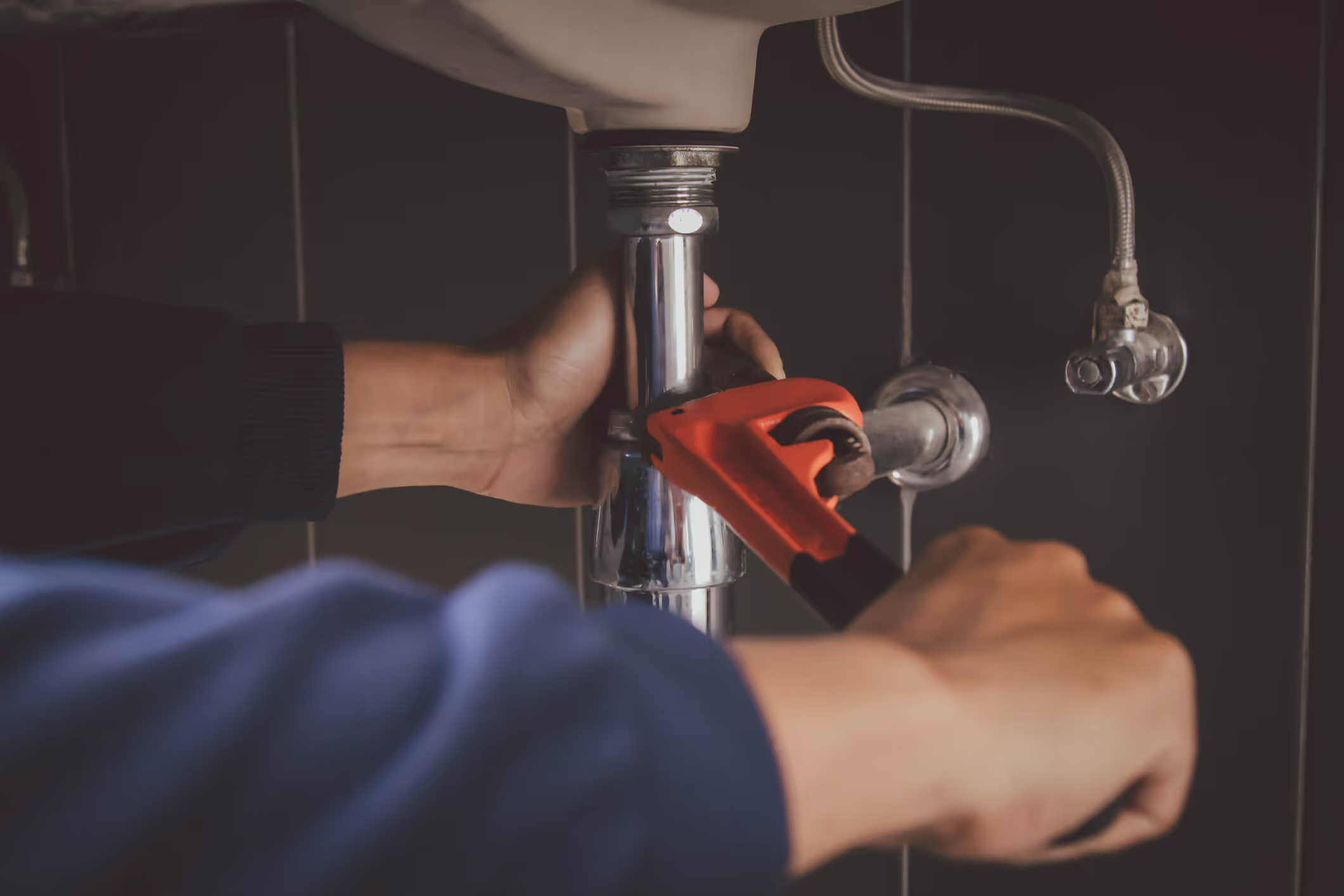
From leaks to full system installs, our plumbing services cover everything you need for a safe, reliable home water system, 24/7.
Our Primary Plumbing Include:
- Water Heater Replacement
- Water Heater Repair
- Trenchless Sewer Line
- Water Filtration
- Slab Leak
- Sewer Line Repair
Don't see the service you need? Call our Team today!
ELECTRICAL

Our electrical services ensure your home stays safe and powered, from routine fixes to complete system upgrades.
Our Primary Electrical Services Include:
- House Rewiring
- Electrician
- Electric Panel Upgrade
- Electric Panel Replacement
- EV Chargers
- Whole House Generator
Don't see the service you need? Call our Team today!
HEATING

We install, repair, and maintain heating & furnace systems with expert care to keep your Colorado home comfortable and energy-efficient year-round.
Our Primary Heating Services Include:
- Heating Installation
- Heating Replacement
- Heating Maintenance
- Heating Repair
- Heating Service
- Heating Tune-Up
Don't see the service you need? Call our Team today!