Why Heating Installation Denver CO Matters for Your Home's Comfort and Safety
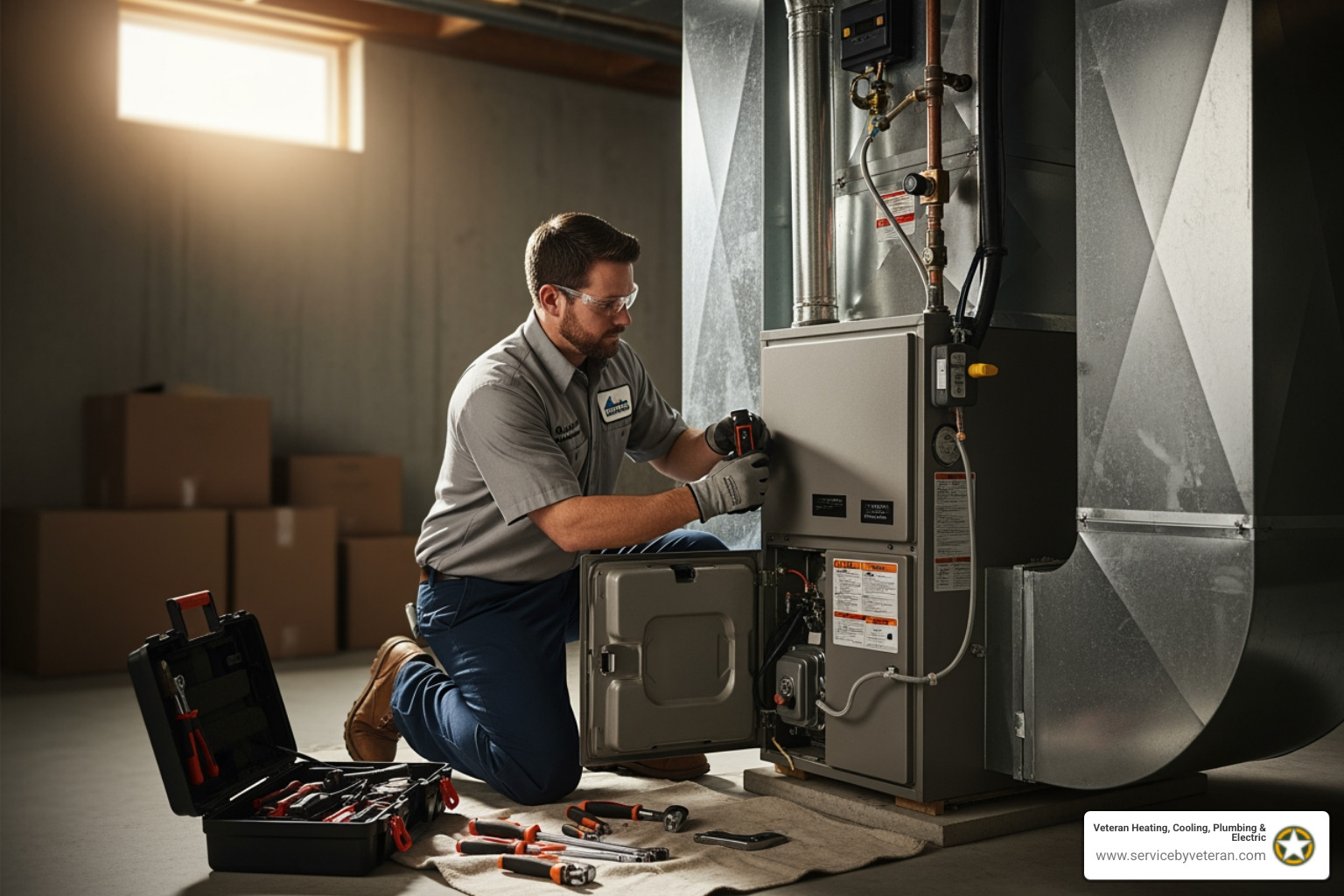
Heating installation Denver CO is a critical decision for homeowners facing harsh winters and unpredictable mountain weather. When your furnace fails on a freezing night or your energy bills climb unexpectedly high, you need reliable heating that's installed correctly the first time.
Quick Answer: What You Need to Know About Heating Installation in Denver
• System Types: Gas furnaces, electric furnaces, boilers, heat pumps, and ductless mini-splits
• Key Considerations: Home size, energy efficiency ratings (AFUE), Denver's climate and altitude
• Average Lifespan: Most heating systems last 15-20 years with proper maintenance
• Professional Installation: Required for safety, warranty protection, and local building code compliance
• Warning Signs for Replacement: Rising energy bills, frequent repairs, uneven heating, or systems over 15 years old
Denver winters don't mess around. Between the bone-chilling cold snaps and the dry, high-altitude air, your home's heating system works overtime for months. A properly installed heating system keeps your family safe and comfortable while running efficiently to control energy costs. When installation is rushed or done incorrectly, you risk safety hazards like carbon monoxide leaks, voided warranties, and expensive repairs down the road.
Looking for comprehensive guidance on your home's heating needs? Check out our complete heating services overview to explore all your options. Ready to get started with professional installation? Visit our heating installation page to schedule a free consultation.
I'm Mike Townsend, and my eight years in the U.S. Army taught me the importance of precision—from managing cooling systems for heat-seeking missile heads to understanding how critical proper installation is for any mechanical system. That experience now guides how I approach heating installation Denver CO projects, ensuring every system is sized correctly, installed safely, and optimized for our unique Colorado climate.
Understanding Your Heating System Options in the Mile High City
When the temperatures drop in Denver, having a reliable heating system isn't just about comfort—it's about safety. Our homes in Denver, Greenwood village, Arvada, Aurora, Broomfield, Castle Rock, Centennial, Columbine, Golden, Highlands Ranch, Lakewood, and Littleton face unique challenges from the intense cold and high altitude. Fortunately, homeowners today have a variety of advanced heating systems to choose from, each with distinct advantages. Understanding these options is the first step toward making an informed decision for your new heating installation Denver CO.
Gas and Electric Furnaces
Furnaces remain one of the most prominent and popular forms of home heating, particularly here in Colorado. They are celebrated for their immense heating power and ability to quickly warm a home even during the coldest snaps.
• Gas Furnaces: These are the most popular choice for home heating across the country, and for good reason. If your home has a gas line connection, a gas furnace offers powerful heating and can be very energy efficient, especially modern models. They provide rapid, consistent warmth, making them ideal for our harsh Denver winters. For more detailed information on gas furnace options, explore our furnace installation Denver CO guide.
• Electric Furnaces: For homes without access to a natural gas line, an electric furnace is an excellent alternative. While they might have higher operating costs than gas furnaces in some areas, they boast extended lifespans and can be a very reliable heating source. They are a good option for ensuring comfort without the need for gas infrastructure.
Boilers and Radiant Heat
For homeowners seeking a different kind of warmth, boilers offer a unique heating experience. These systems distribute heat through hot water, often via radiators or radiant floor heating.
• Even Heat Distribution: Boilers are renowned for providing a more even spread of heat throughout a home. Unlike forced-air systems that can create hot and cold spots, radiant heat tends to feel more consistent and comfortable.
• System Longevity: Boilers can outlast most other heating systems, offering decades of reliable service with proper maintenance. This makes them a long-term investment in home comfort.
• Quieter Operation: Without the need for loud fans and ductwork, boilers typically operate much more quietly than forced-air furnaces, contributing to a peaceful home environment.
• Hydronic Systems & Radiant Floor Comfort: Hydronic systems, which use water to transfer heat, include radiant floor heating. Imagine stepping out of bed onto a warm floor on a frosty Denver morning—that's the luxury radiant floor heating provides. It's a highly efficient and comfortable way to heat specific areas or your entire home.
Heat Pumps: An All-in-One Solution
Heat pumps are gaining significant traction in Denver homes as an incredibly versatile and efficient option. These systems are true workhorses, providing both heating and cooling from a single unit.
• Dual Heating and Cooling: In warmer months, a heat pump acts like an air conditioner, removing heat from inside your home and transferring it outside. During colder months, it reverses the process, extracting heat from the outdoor air (even when it's cold!) and transferring it indoors. This dual functionality means you only need one system for year-round climate control.
• High Energy Efficiency: Heat pumps can be remarkably efficient. Some models can be up to 400% more efficient than the most efficient furnace, significantly lowering your energy bills. They achieve this by transferring heat rather than generating it, which requires less energy.
• Suitability for Denver's Climate: Modern heat pumps are designed to perform exceptionally well even in colder climates like Denver. With advancements in technology, they can efficiently extract heat from very low outdoor temperatures, making them a viable and often superior choice. If you're interested in the ultimate in energy efficiency, exploring geothermal service Denver CO might be a great next step, as geothermal heat pumps tap into the earth's stable temperature for heating and cooling.
Key Factors for Your Denver Heating Installation
Choosing a new heating system for your Denver home is a significant investment that impacts your comfort, energy bills, and peace of mind for years to come. It’s not just about picking a type of heater; it’s about ensuring the system is perfectly suited to your home, our unique climate, and your family's needs.
Sizing Your System for Peak Performance
One of the most critical aspects of any heating installation Denver CO is correctly sizing the system. This isn't a "one size fits all" situation.
• Importance of Correct Sizing: An improperly sized heating system will struggle to keep your home comfortable and cost you more in the long run.
• Oversized vs. Undersized Systems: If a furnace is too small, it won't be able to adequately heat your home, leaving you chilly on the coldest days. Conversely, an oversized furnace will heat your home too quickly, leading to frequent on-off cycling, known as "short-cycling."
• Short-Cycling Issues: Short-cycling not only wastes energy but also puts excessive wear and tear on your system's components, drastically shortening its lifespan and increasing the likelihood of breakdowns and repairs.
• Professional Load Calculation: To avoid these issues, we perform a precise load calculation, often using industry-standard methods like Manual J. This scientific approach considers factors like your home's square footage, insulation levels, window types, and orientation to determine the exact heating capacity needed. It ensures your new system is neither too big nor too small, but just right for optimal comfort and efficiency.
Maximizing Energy Efficiency for Your Heating Installation Denver CO
Energy efficiency is paramount, especially with rising utility costs and a desire to reduce our environmental footprint.
• Understanding AFUE Ratings: For furnaces, energy efficiency is measured by the Annual Fuel Utilization Efficiency (AFUE) rating. This percentage tells you how much of the fuel consumed is converted into usable heat for your home. A higher AFUE rating means greater efficiency. For example, an 80% AFUE furnace means 80% of the fuel is used for heat, while 20% is lost. High-efficiency models can reach 95% AFUE or higher.
• Long-Term Savings: While high-efficiency systems might have a higher upfront cost, the long-term savings on your energy bills can be substantial, often offsetting the initial investment over the system's lifespan.
• High-Efficiency Models: Investing in a higher efficiency model is an investment in your wallet and the planet. These systems work smarter, not harder, to keep your home warm.
• Smart Thermostats: Pairing your new high-efficiency heating system with a smart thermostat further improves energy savings. These devices learn your preferences, allow remote control via smartphone, and can even integrate with other smart home systems. You can adjust your home's temperature from anywhere, ensuring you're only heating your home when it's occupied or maintaining a safe temperature to prevent frozen pipes during cold snaps. Regular maintenance, like a thorough heating tune up Denver CO, is also crucial for maintaining your system's efficiency year after year.
• Indoor Air Quality: Denver's dry climate means indoor air quality is an important consideration. Many modern heating systems can be integrated with humidifiers, air purifiers, and advanced filtration systems to improve the air you breathe, reducing dust, allergens, and other airborne contaminants.
The Professional vs. DIY Heating Installation Debate
When it comes to something as vital and complex as your home's heating system, the temptation to save money with a DIY approach can be strong. However, for heating installation Denver CO, this is one area where professional expertise is not just recommended, but essential.
Why Professional Installation is Non-Negotiable
A heating system is a sophisticated piece of equipment that involves gas lines, electrical connections, ductwork, and safety protocols. Attempting to install it yourself can lead to serious consequences.
• Safety Risks of DIY: Incorrect installation can create dangerous situations, including carbon monoxide leaks from gas furnaces, electrical fires, or gas explosions. These are life-threatening hazards that are simply not worth the risk. A yellow pilot light on a natural gas furnace, for instance, can be a sign of incomplete combustion and a potential carbon monoxide leak from heat exchangers—a critical safety issue that only a professional can correctly diagnose and fix.
• Electrical and Gas Line Connections: Heating systems require precise electrical wiring and secure gas line connections. These tasks demand specialized knowledge, tools, and adherence to strict safety standards, which only licensed professionals possess.
• Local Building Codes: Denver, like all municipalities in Denver CO and surrounding areas like Arvada, Aurora, and Lakewood, has specific building codes and regulations for HVAC installations. Professionals are familiar with these codes and ensure your installation is compliant, avoiding potential fines, rework, and insurance complications down the line.
• Warranty Protection: Most manufacturers' warranties for heating systems require professional installation. A DIY job can void your warranty, leaving you responsible for the full cost of repairs or replacement if something goes wrong.
• Licensed and Insured Technicians: Professional HVAC contractors are licensed, insured, and bonded. This means they have demonstrated their competency, and you are protected in case of accidents or damage during the installation process. Our technicians are highly skilled experts who have met the highest industry standards for technical knowledge.
• Proper Tools and Equipment: HVAC installation requires specialized tools that most homeowners don't possess. Professionals come equipped with everything needed to do the job right, from precision measuring devices to vacuum pumps for refrigerant lines.
• Ensuring System Longevity: A professionally installed system is optimized for performance and longevity. Correct sizing, proper connections, and expert calibration mean your system will run efficiently, last longer, and require fewer repairs over its lifetime.
• Peace of Mind: Professional installation provides invaluable peace of mind. You can rest assured that your heating system is installed safely, correctly, and efficiently, providing reliable warmth for your family through the coldest Denver winters. We back our work with a lifetime warranty on parts/labor and a money-back guarantee because we believe in our precision and dedication.
Finding a Qualified HVAC Contractor in Denver CO
Choosing the right HVAC contractor for your heating installation Denver CO is just as important as choosing the right system. You need a team that is experienced, trustworthy, and committed to your comfort and safety. We've built our reputation on being that team for homeowners across the Denver metro area.
• Local Experience: We have a strong track record in the Denver metro area and surrounding communities like Highlands Ranch, Castle Rock, and Golden. Our team understands our specific climate challenges and all local regulations.
• Trust and Reputation: We believe in personal, honest, and community-focused service, treating every home as if it were our own. Our history of positive reviews from satisfied customers speaks to our professionalism and expertise.
• Comprehensive Services: As a full-service company, we handle everything from installation and maintenance to repairs, ensuring we can support your system throughout its entire lifespan.
• Our Commitment to You: We provide clear, written proposals and stand by our work with a lifetime warranty on parts/labor and a money-back guarantee. Our expert technicians use a scientific approach to size your system correctly and will walk you through the entire process, providing the post-installation support you need.
The Process of Professional Heating Installation Denver CO
Starting on a new heating installation Denver CO journey with us means a transparent, thorough, and custom experience from start to finish. We understand that this is a significant decision for your home in Denver, Greenwood village, Arvada, Aurora, Broomfield, Castle Rock, Centennial, Columbine, Golden, Highlands Ranch, Lakewood, or Littleton, and we're committed to making it as smooth and stress-free as possible.
Initial Consultation and Home Assessment
Every successful heating installation begins with a personalized consultation. We'll discuss your specific comfort needs, budget, energy efficiency goals, and any concerns you have about your current system. This is followed by a comprehensive home assessment where we evaluate:
• Your Existing System: Its age, condition, and performance.
• Home's Structure: Insulation, window quality, and potential air leaks.
• Ductwork: Its condition, sizing, and integrity, as leaky ducts can lead to 25-40% of conditioned air escaping. We may recommend services like Aeroseal duct sealing to improve efficiency and air quality.
• Energy Supply: Whether your home has access to natural gas or is better suited for an electric or heat pump system.
System Recommendation and Proposal
Based on our assessment and your preferences, we'll provide custom system recommendations. This isn't a sales pitch; it's an educational conversation where we explain the pros and cons of various options (furnaces, boilers, heat pumps, mini-splits) and why a particular system is the best fit for your home and lifestyle. We ensure the proposed system is correctly sized using precise load calculations (Manual J) to guarantee optimal performance and efficiency.
Installation Day Process
On installation day, our certified and professional technicians arrive promptly, ready to work. We prioritize safety and respect for your home.
• Preparation: We take precautions to protect your home, including laying down drop cloths and wearing shoe covers.
• Removal of Old Equipment: We carefully and responsibly remove your old heating system and ensure its proper disposal.
• Installation: We carefully install your new heating system, making all necessary electrical, gas line, and ductwork connections according to the highest industry standards and local Denver building codes.
• Ductwork Optimization: If needed, we'll address any issues with your ductwork, sealing leaks or making modifications to ensure efficient airflow.
• Smart Thermostat Integration: We'll install and configure your new smart thermostat, guiding you through its features for optimal comfort and energy management.
System Testing and Calibration
Once the installation is complete, our job isn't over. We conduct rigorous testing and calibration to ensure your new system is operating perfectly.
• Performance Checks: We verify that the system is heating your home efficiently and maintaining consistent temperatures.
• Safety Checks: We carefully check for any gas leaks, proper ventilation, and electrical connections to ensure absolute safety.
• Calibration: We fine-tune the system settings for peak performance and energy efficiency.
• Post-Installation Walkthrough: We'll walk you through your new system, explaining its features, how to operate it, and essential maintenance tips. We're happy to answer any questions you have, ensuring you feel confident and comfortable with your new heating solution.
Signs It's Time for a Heating Replacement Denver CO
Knowing when to replace your heating system can save you from unexpected breakdowns and escalating costs. Here are the key indicators:
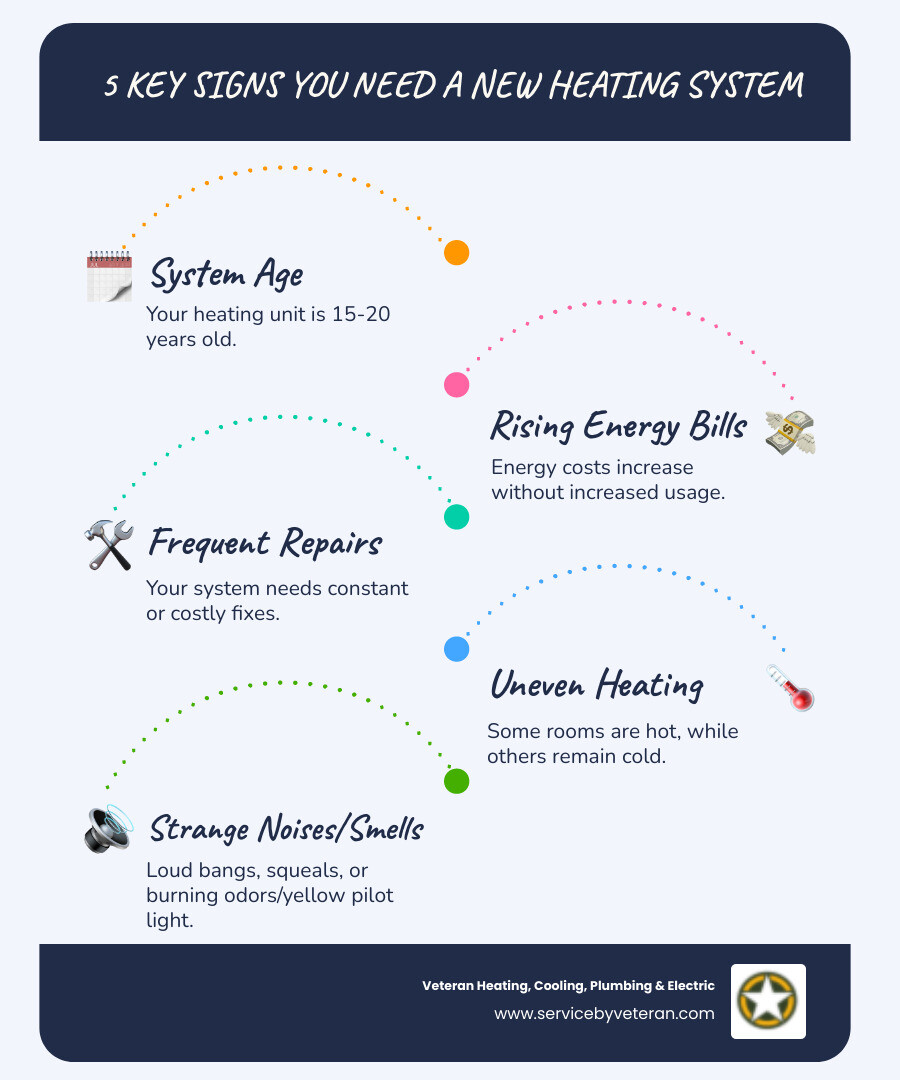
• System Age (15-20 years): Most heating systems have a lifespan of 15 to 20 years with proper upkeep. If your furnace or boiler is approaching or has exceeded this age, its efficiency likely has declined, and it's time to consider a replacement.
• Rising Energy Bills: A noticeable and unexplained increase in your heating bills, despite consistent usage, is a strong sign that your system is losing efficiency and working harder to produce the same amount of heat.
• Frequent or Costly Repairs: If your system requires frequent repairs, or if a single repair is going to cost a significant portion of a new system's price, it's often more economical to invest in a replacement. Every furnace has a life cycle, and if it's going to break down, it's most likely during its hardest output.
• Uneven Heating: Cold spots in certain rooms or inconsistent temperatures throughout your home can indicate your system is struggling to distribute heat effectively, or that it's improperly sized.
• Strange Noises or Smells: Grinding, banging, squealing, or persistent rattling noises often signal mechanical problems. An abnormal amount of dust from vents can indicate the unit is unable to clean the air. Musty or burning smells can also be red flags.
• Yellow Pilot Light: For natural gas furnaces, the pilot light should be a crisp blue. A yellow or flickering pilot light can indicate incomplete combustion, which is a serious safety concern and a potential sign of a carbon monoxide leak. If you see a yellow pilot light, contact us immediately.
Protecting Your Investment: Post-Installation Maintenance
A new heating system is a significant investment, and just like a new car, it needs regular care to perform its best.
• Importance of Annual Maintenance: Skipping annual maintenance is a common mistake. Regular heating maintenance, including annual cleanings and inspections, is critical to the life of furnaces, heat pumps, and other HVAC units. It helps maintain their safety and performance, extends their lifespan, and ensures they run efficiently. In fact, up to 85% of service calls could have been prevented with proper maintenance.
• Filter Changes: Regularly changing or cleaning your furnace filter (every 1-3 months, depending on usage and home conditions) is one of the easiest and most impactful maintenance tasks you can do yourself. A clean filter ensures good airflow and prevents dust and contaminants from circulating, improving indoor air quality.
• Warranty Validity: Many manufacturers require proof of annual professional maintenance to keep your warranty valid. Our lifetime warranty on parts and labor also requires adherence to a regular maintenance schedule.
• Ensuring Efficiency: A well-maintained heating system operates at peak efficiency, translating to lower energy bills. During a tune-up, technicians clean and inspect all components, making adjustments to optimize performance. For a comprehensive guide, check out our Denver CO furnace maintenance guide.
Frequently Asked Questions about Heating Installation
How long does a new heating system typically last?
With proper professional installation and consistent annual maintenance, most new heating systems, such as furnaces and heat pumps, are designed to last between 15 to 20 years. Boilers often boast an even longer lifespan, potentially exceeding 20 years. The actual lifespan can vary based on the system type, quality of installation, frequency of use, and adherence to maintenance schedules.
How does Denver's high altitude affect a heating system?
Denver's high altitude presents unique challenges for heating systems. The thinner air means there's less oxygen for combustion in gas furnaces. This requires specific adjustments to the furnace's air-to-fuel mixture to ensure efficient and safe operation. Without proper calibration for altitude, a furnace might run less efficiently, produce more carbon monoxide, or even short-cycle. Our technicians are experienced in performing these crucial adjustments to ensure your heating system operates optimally and safely in the Mile High City.
What is the most common type of heating system in Denver?
While heat pumps are gaining popularity due to their efficiency and dual heating/cooling capabilities, gas furnaces remain the most common type of heating system in Denver and the surrounding areas. This is largely due to the widespread availability of natural gas, the powerful heating capacity of furnaces needed for our cold winters, and their relatively lower operating costs compared to electric resistance heating. However, the choice often depends on individual home characteristics, energy preferences, and budget.
Conclusion
Choosing the right heating installation Denver CO is a crucial decision for any homeowner in our beautiful, yet challenging, Colorado climate. From understanding the various types of heating systems available—like powerful furnaces, long-lasting boilers, or versatile heat pumps—to recognizing the importance of precise sizing and maximizing energy efficiency, every factor plays a role in your home's comfort and your peace of mind.
We've explored why professional installation isn't just a recommendation but a non-negotiable requirement for safety, warranty protection, and optimal performance. Our commitment to personal, honest, and community-focused service means we bring the precision and dedication learned from military experience to every project. We ensure your system is installed correctly, adheres to all local codes, and is calibrated for Denver's unique conditions.
Don't wait until you're shivering through a cold snap or facing unexpectedly high energy bills. If your heating system is showing signs of age, frequent repairs, or simply isn't keeping your home consistently warm, it might be time to consider a replacement. Protecting your investment with annual maintenance will ensure its longevity and continued efficiency.
For reliable, expert heating installation Denver CO, trust the team that prioritizes your comfort and safety above all else. Visit our heating installation Denver CO page today to schedule a consultation and let us help you keep your home cozy all winter long.
ABOUT Veteran Heating, Cooling, Plumbing & Electric
Veteran Heating, Cooling, Plumbing & Electric was founded on the belief that service should be personal, honest, and community-focused. Our team is built around integrity, professionalism, and a true commitment to your home’s comfort and safety.
Led by a U.S. Army veteran with over 30 years of industry experience, we’re proud to remain locally owned and operated. Every technician, plumber, and electrician is EPA-certified, background checked, and driven to exceed expectations.
- 24/7 ServiceWe offer weekend & 24/7 emergency service. We’re here whenever you need us—day, night, or weekend, no exceptions.
- $0 Trip FeesNo dispatch or trip fees. You’ll never pay just for us to show up—service starts when the work does.
OUR SERVICES
AIR CONDITIONING
.jpg)
We offer specialty and seasonal services like indoor air quality upgrades, pre-winter furnace checks, and summer AC tune-ups to keep your home prepared year-round.
Our Primary Air Conditioning Services Include:
Don't see the service you need? Call our Team today!
PLUMBING
From leaks to full system installs, our plumbing services cover everything you need for a safe, reliable home water system, 24/7.
Our Primary Plumbing Include:
- Water Heater Replacement
- Water Heater Repair
- Trenchless Sewer Line
- Water Filtration
- Slab Leak
- Sewer Line Repair
Don't see the service you need? Call our Team today!
ELECTRICAL

Our electrical services ensure your home stays safe and powered, from routine fixes to complete system upgrades.
Our Primary Electrical Services Include:
- House Rewiring
- Electrician
- Electric Panel Upgrade
- Electric Panel Replacement
- EV Chargers
- Whole House Generator
Don't see the service you need? Call our Team today!
HEATING
.jpg)
We install, repair, and maintain heating & furnace systems with expert care to keep your Colorado home comfortable and energy-efficient year-round.
Our Primary Heating Services Include:
- Heating Installation
- Heating Replacement
- Heating Maintenance
- Heating Repair
- Heating Service
- Heating Tune-Up
Don't see the service you need? Call our Team today!