Need Drain Cleaning in Denver Metro? How Does a Camera Inspection Help?
How camera inspections guide professional drain cleaning is simple to understand once you see the core idea: instead of guessing what is wrong inside your pipes, a technician sends a live video camera through the line to see exactly what is there before touching anything.
Here is a quick overview of how the process works:
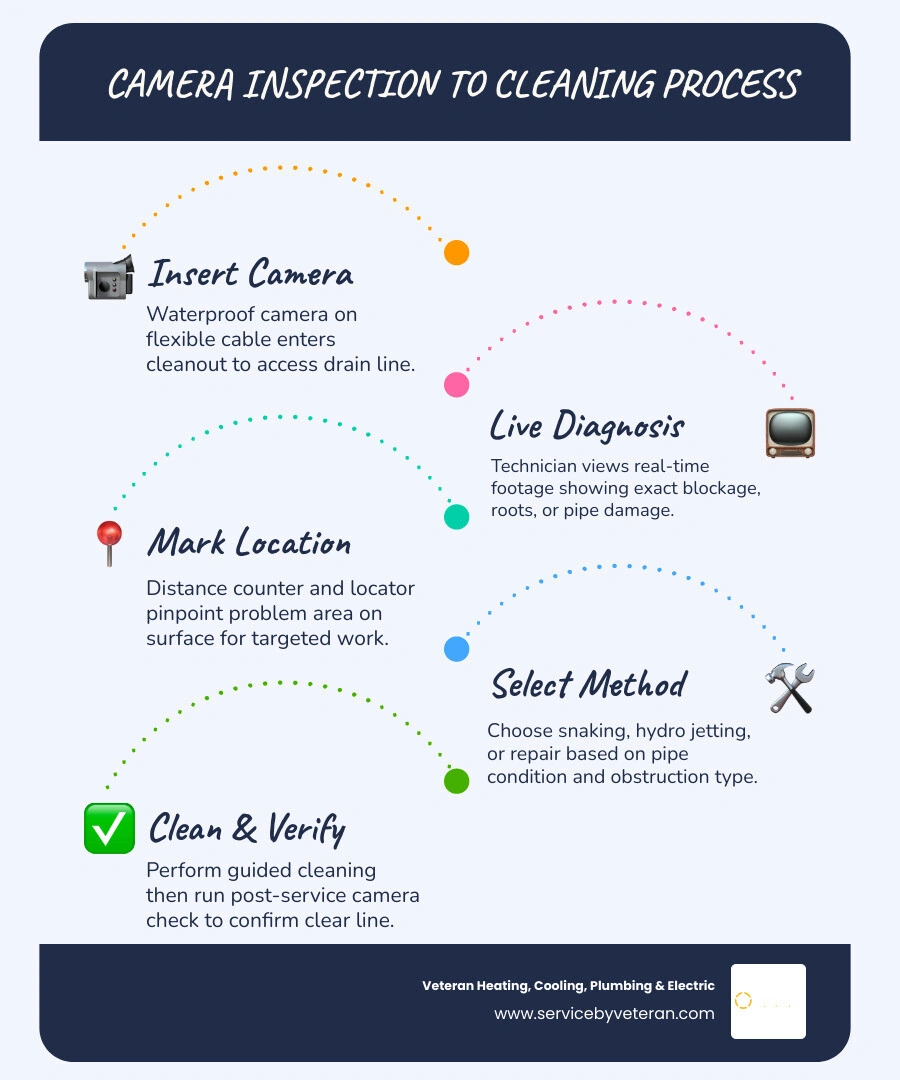
1. A waterproof camera on a flexible cable is inserted into a drain cleanout or access point.
2. Live video is transmitted to a monitor so the technician can see blockages, buildup, cracks, or root intrusion in real time.
3. The exact location and type of problem is identified — whether it is a grease clog, tree root mass, collapsed pipe, or something else entirely.
4. The right cleaning method is chosen based on what the camera reveals — snaking, hydro jetting, or a repair referral.
5. Cleaning is performed with precision, targeting the actual problem rather than working blindly.
6. A post-cleaning inspection confirms the line is clear and documents the results.
This diagnostic-first approach reduces repeat service calls by up to 40% and helps Denver Metro homeowners avoid unnecessary excavation and unwanted surprises.
Drain problems rarely announce themselves loudly. Most start small — a kitchen sink that drains a little slower each week, a toilet that gurgles after heavy rain, or a faint sewer odor that comes and goes. By the time the backup happens, the underlying problem has usually been building for months.
Traditional drain cleaning without a camera is essentially working blind. A technician runs a snake through the line, clears a path, and hopes the clog does not return. But if the real cause is a root mass growing through a cracked clay pipe or a section of line that has sagged and holds standing water, snaking only buys time. The problem comes back — sometimes within weeks.
Camera inspection changes that entirely. Before a single tool goes into the drain, a trained technician can see exactly what is happening inside the pipe, how severe it is, and what the safest and most effective solution looks like.
I'm Mike Townsend, a U.S. Army veteran and leader of Veteran Heating, Cooling, Plumbing & Electric, and the same precision I applied to managing complex systems in the military shapes how our team approaches every drain diagnostic — understanding how camera inspections guide professional drain cleaning is central to the honest, no-guesswork service we deliver across the Denver Metro. In the sections below, I'll walk you through exactly how this process works, what our technicians look for, and when you should schedule an inspection before any cleaning work begins.
What a Drain Camera Inspection Is and How It Works
A video inspection is a non-invasive diagnostic procedure that takes the mystery out of your home's plumbing. Instead of digging up your yard or tearing through walls, we use advanced technology to get a clear, direct view of the interior of your pipes.
The system relies on a high-resolution, waterproof camera mounted on a flexible push rod. As the technician guides this rod through the pipe, high-intensity LED lighting illuminates the dark space, sending a crystal-clear, live video feed back to a rugged surface monitor.
Modern inspection systems also feature a built-in distance counter that tracks exactly how many feet of cable have been deployed, paired with a 512Hz locator beacon (often called a sonde) located in the camera head. This transmitter allows us to map the exact pipe depth and horizontal position from above ground. If we find an issue, we can pinpoint its location on your lawn or floor down to the inch, preventing unnecessary digging.
These systems navigate various access points—such as outdoor cleanouts, indoor floor drains, or roof vents—to inspect sewer laterals and internal drain lines. Whether your home uses modern PVC, older cast iron, clay, or vintage Orangeburg pipes, this technology provides an accurate, real-time diagnosis.
If you are dealing with persistent drainage issues in your home, you can learn more about our Sewer Camera Inspection Denver services to see how we locate hidden pipe problems.
Camera Inspection Equipment Used in Drain Cleaning
Professional-grade diagnostic setups are far more advanced than simple DIY hand-held scopes. The primary hardware components include:
• The Camera Head: A heavy-duty, waterproof casing (usually ranging from 25mm to 63mm in diameter) that houses high-definition optical lenses and self-leveling technology so the image on screen always stays right-side up.
• The Push Cable: A rigid yet flexible fiberglass rod designed to push the camera through multiple tight 90-degree bends without kinking.
• The Control & Recording Unit: A high-brightness monitor where technicians view the feed, record video, take high-resolution screenshots, and overlay distance measurements.
• The Locator Receiver: A handheld wand used above ground to detect the 512Hz frequency emitted by the camera head inside the pipe.
What Customers See During the Inspection
We believe in complete transparency. When we run a camera through your line, we invite you to stand right alongside our technician and look at the screen.
You will see the actual interior walls of your pipes in real time. Our technician will point out exactly what is causing your issues—whether it is a thick grease buildup, a dangling tree root, or a cracked seam. The recorded video includes timestamps and distance markers, providing clear, plain-language evidence of your pipe's condition before any work begins.
What Camera Inspections Can and Cannot Diagnose
While camera technology has revolutionized the plumbing industry, it has specific capabilities and limitations:
• What it CAN find: Tree root intrusions, heavy grease and sludge accumulations, cracked or collapsed sections, offset joints, sagging lines (pipe bellies), mineral scale, and foreign objects (like flushed toys or keys).
• What it CANNOT find: Because these cameras travel through open drainage pipes, they cannot inspect pressurized fresh water supply lines. Additionally, if a drain is completely backed up with thick, opaque sewage, the camera lens will be covered in debris, resulting in limited visibility. In those cases, the line must be cleared or flushed first to allow for a clear view.
How Camera Inspections Guide Professional Drain Cleaning Before Work Begins
Before any cleaning equipment is turned on, a pre-cleaning diagnosis is essential. Performing a camera scan before choosing a tool ensures we match the cleaning method to the structural condition of the pipe.
A standard camera run takes only 30 to 60 minutes, but it provides invaluable data. Industry statistics show that incorporating camera inspections reduces repeat drain-cleaning visits by up to 40% because technicians resolve the root cause on the first try rather than treating a temporary symptom.
If you are currently facing a sluggish main line or a severe backup, scheduling professional Drain Cleaning Denver ensures your system is properly diagnosed and cleared.
Why Camera Inspection Comes Before Snaking, Jetting, or Repair
Every clog is unique. A backup might be caused by soft organic waste, a hard object, or tree roots. Knowing the exact obstruction type, pipe material, and pipe age dictates our approach.
For instance, running a heavy mechanical auger into an old, corroded cast-iron pipe can break the pipe walls. Conversely, trying to clear a thick grease load with a standard snake will only punch a temporary hole in the grease, causing it to close back up within days. A camera inspection identifies these details immediately, helping us choose the right strategy.
How Camera Inspections Guide Professional Drain Cleaning Safely
Pipes degrade over time. Older clay and cast-iron lines are prone to offset joints, thin walls from corrosion, and structural cracks. Soil shifting from heavy rains can also cause "pipe bellies" (sagging sections).
If a pipe is structurally compromised, applying high-pressure hydro jetting (which can reach up to 4,000 psi) could cause a complete pipe collapse. A pre-cleaning camera scan serves as a safety check, ensuring the pipe can handle the pressure of hydro jetting or the torque of a mechanical cleaning cable.
Camera-Guided Cleaning vs Blind Drain Cleaning
• Diagnostic Accuracy — Camera-Guided Cleaning: High; visual confirmation of the issue — Blind Drain Cleaning (Traditional): Low; relies on feel and guesswork
• Pipe Safety — Camera-Guided Cleaning: Maximum; avoids cleaning fragile or broken pipes — Blind Drain Cleaning (Traditional): Risk of damage; tools can worsen existing cracks
• Cleaning Efficiency — Camera-Guided Cleaning: High; targets the exact location of the clog — Blind Drain Cleaning (Traditional): Moderate; may miss portions of the buildup
• Repeat Service Risk — Camera-Guided Cleaning: Low; addresses the root cause of the issue — Blind Drain Cleaning (Traditional): High; clogs often return quickly
• Customer Transparency — Camera-Guided Cleaning: High; clear video evidence provided — Blind Drain Cleaning (Traditional): Low; customer must trust the technician's word
• Post-Service Verification — Camera-Guided Cleaning: Confirmed with a follow-up camera run — Blind Drain Cleaning (Traditional): None; assumes the pipe is clean
Common Problems Camera Inspections Find That Change the Cleaning Plan
When we run a camera down a sewer line, we look for specific structural and material issues. Often, what a homeowner assumes is a simple clog is actually a more complex problem.
If you are experiencing slow-draining sinks or gurgling toilets, scheduling an inspection for a Clogged Drain Highlands Ranch can help identify the exact cause before it leads to a major backup.
Buildup Problems Usually Solved With Drain Cleaning
Some issues are straightforward and easily resolved with standard drain cleaning. These include:
• Grease and Sludge Buildup: Common in kitchen lines, where grease cools and solidifies along the pipe walls.
• Hair and Soap Scum: Typically found in bathroom lines, forming dense, localized blockages.
• Minor Scale Accumulation: Mineral deposits that slightly restrict flow but can be cleared with standard tools.
For localized blockages, a targeted mechanical snake is often the most efficient solution. You can learn more about our Drain Snaking Centennial services for fast and reliable options.
Heavy Blockages That May Call for Hydro Jetting
When the camera reveals severe, widespread buildup, standard snaking is rarely enough. These situations call for high-pressure hydro jetting:
• Thick Grease and Sludge Lining: Heavy buildup that coats the entire diameter of the pipe.
• Tree Root Intrusion: Roots that enter through pipe joints, creating dense root masses that catch debris.
• Heavy Mineral Scale: Stubborn deposits that require high-pressure water to scour the pipe walls clean.
Hydro jetting restores the pipe's full diameter, clearing grease, roots, and debris. For a deep, thorough clean, read about our Hydro Jetting Centennial services.
Structural Problems Where Cleaning Alone Is Not Enough
Sometimes, the camera reveals issues that cannot be solved by cleaning alone. If we find any of the following, mechanical cleaning could cause further damage, and we will recommend repair options:
• Collapsed or Broken Pipes: Where the pipe walls have caved in, blocking all flow.
• Severe Offset Joints: Where sections of clay or concrete pipe have shifted, creating large gaps.
• Pipe Bellies (Sagging): Low sections that collect standing water and debris, leading to recurring blockages.
• Corroded Cast Iron: Pipes that have degraded to the point of structural failure.
In these cases, we use our locator tools to mark the exact location of the damage, allowing for targeted repairs or trenchless solutions.
Step-by-Step: From Camera Inspection to Professional Drain Cleaning
A professional plumbing service should follow a clear, systematic process to ensure your drains are cleaned safely and effectively.
If you want to see how this process works in practice, you can explore our Sewer Camera Inspection Centennial services for an inside look.
Step 1: Review Symptoms and Locate Access Points
Every job begins with a consultation. Our technicians review your system's symptoms—such as multiple slow drains, sewer odors, or gurgling toilets—to determine the best entry point.
We look for accessible cleanouts, which are dedicated access points in your main line, typically located in your basement, crawl space, or yard. If no cleanout is available, we may access the system through a removed toilet or a roof vent.
Step 2: Inspect the Pipe and Mark the Problem Area
Once we have access, we insert the camera and guide it slowly through the line. The technician monitors the live feed, checking the pipe's slope, joint condition, and structural integrity.
Using the distance counter and sonde locator, we map the exact path of your sewer line. If we find a blockage or structural issue, we mark the spot on the surface, noting its depth and location.
Step 3: Choose Snaking, Hydro Jetting, or Repair
With the visual data in hand, we select the safest and most effective solution:
• Snaking: Ideal for localized, soft clogs in fragile or older pipes.
• Hydro Jetting: Best for heavy grease, scale, and root removal in structurally sound pipes.
• Repair: Necessary when the camera reveals collapsed, broken, or severely sagging pipes.
We present our findings, show you the recorded video, and get your approval before proceeding. If hydro jetting is the best choice, you can learn more about our Hydro Jetting Castle Rock services.
Step 4: Clean the Drain and Verify the Results
After completing the selected cleaning method, we perform a final camera run. This post-cleaning inspection is crucial—it verifies that the blockage has been completely removed and that the pipe is clean from wall to wall. It also allows us to inspect the pipe's structure once the debris is gone, ensuring there are no hidden cracks or defects.
When Homeowners and Businesses Should Schedule a Camera Inspection
Many plumbing issues can be avoided with proactive care. Knowing when to request an inspection can save you from unexpected backups and larger plumbing problems.
• Warning Signs That Call for an Inspection:
— Multiple drains running slow simultaneously
— Gurgling sounds coming from toilets or drains
— Persistent sewer odors inside or around your property
— Recurring clogs that return shortly after snaking
— Soggy spots or unexplained sinkholes in your yard
— Sewage backing up into tubs, showers, or floor drains
If you notice any of these signs, scheduling a Sewer Camera Inspection Highlands Ranch can help catch issues before they turn into emergencies.
Before Repeated Drain Cleaning Attempts
If you find yourself calling a plumber every few months to clear the same drain, you are likely only treating the symptom. A recurring clog is a clear indicator of an underlying issue, such as root intrusion or a sagging pipe. A camera inspection identifies the root cause, allowing for a permanent solution.
Before Hydro Jetting Older or Unknown Pipes
Hydro jetting is highly effective, but its high pressure can damage compromised pipes. If your home has clay, cast-iron, or Orangeburg pipes, a pre-cleaning inspection is essential to ensure the line can safely handle the water pressure. You can read more about our Hydro Jetting Aurora services to see how we verify pipe safety.
Before Buying, Selling, or Renovating a Property
A standard home inspection rarely covers the underground sewer lateral. Buyers of older homes can face unexpected sewer problems shortly after closing.
Scheduling an inspection before buying, selling, or starting a major renovation (like adding a bathroom) ensures your plumbing system is in good condition. For home buyers in the area, our Sewer Camera Inspection Lakewood services offer peace of mind before you sign.
Frequently Asked Questions About How Camera Inspections Guide Professional Drain Cleaning
How camera inspections guide professional drain cleaning when the drain is already clogged
If a drain is completely backed up with standing water, the camera's visibility will be limited. In these cases, we use a mechanical snake or a light flush to clear a path and restore flow first. Once the standing water drains, we run the camera to inspect the pipe, identify the cause of the clog, and complete a thorough cleaning.
How long does a drain camera inspection take before cleaning?
A standard inspection typically takes 30 to 60 minutes. The time can vary depending on pipe accessibility, the length of the line, and whether we need to use locator tools to map specific issues.
Will a camera inspection damage my pipes?
No. The camera head and push rod are designed with smooth, rounded edges and flexible materials. They are guided gently through your plumbing system and will not scratch, scrape, or damage your pipes.
Conclusion
Understanding how camera inspections guide professional drain cleaning is the key to maintaining a reliable, trouble-free plumbing system. By replacing guesswork with clear, visual data, we ensure your drains are cleaned safely, thoroughly, and efficiently.
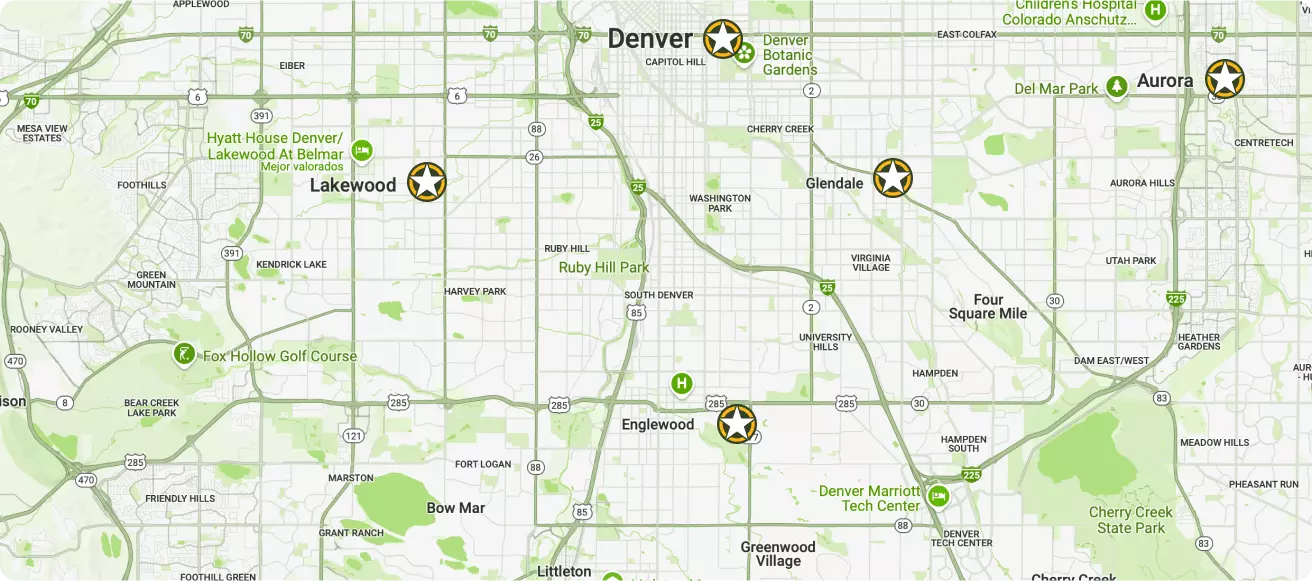
At Veteran Heating, Cooling, Plumbing & Electric, we bring military precision, honesty, and a commitment to service to every job. As a veteran-led, locally owned company serving the Denver Metro area—including Arvada, Aurora, Broomfield, Castle Rock, Centennial, Columbine, Golden, Highlands Ranch, Lakewood, and Littleton—we stand behind our work with a lifetime warranty on parts and labor and a money-back satisfaction guarantee.
Whether you need a routine inspection, help with a stubborn clog, or emergency service, our background-checked technicians are available 24/7.
Contact us today to schedule your camera-guided professional drain cleaning services and keep your home's plumbing running smoothly.
ABOUT Veteran Heating, Cooling, Plumbing & Electric
Veteran Heating, Cooling, Plumbing & Electric was founded on the belief that service should be personal, honest, and community-focused. Our team is built around integrity, professionalism, and a true commitment to your home’s comfort and safety.
Led by a U.S. Army veteran with over 30 years of industry experience, we’re proud to remain locally owned and operated. Every technician, plumber, and electrician is EPA-certified, background checked, and driven to exceed expectations.
- 24/7 ServiceWe offer weekend & 24/7 emergency service. We’re here whenever you need us—day, night, or weekend, no exceptions.
- $0 Trip FeesNo dispatch or trip fees. You’ll never pay just for us to show up—service starts when the work does.
OUR SERVICES
AIR CONDITIONING
.jpg)
We offer specialty and seasonal services like indoor air quality upgrades, pre-winter furnace checks, and summer AC tune-ups to keep your home prepared year-round.
Our Primary Air Conditioning Services Include:
Don't see the service you need? Call our Team today!
PLUMBING
From leaks to full system installs, our plumbing services cover everything you need for a safe, reliable home water system, 24/7.
Our Primary Plumbing Include:
- Water Heater Replacement
- Water Heater Repair
- Trenchless Sewer Line
- Water Filtration
- Slab Leak
- Sewer Line Repair
Don't see the service you need? Call our Team today!
ELECTRICAL

Our electrical services ensure your home stays safe and powered, from routine fixes to complete system upgrades.
Our Primary Electrical Services Include:
- House Rewiring
- Electrician
- Electric Panel Upgrade
- Electric Panel Replacement
- EV Chargers
- Whole House Generator
Don't see the service you need? Call our Team today!
HEATING
.jpg)
We install, repair, and maintain heating & furnace systems with expert care to keep your Colorado home comfortable and energy-efficient year-round.
Our Primary Heating Services Include:
- Heating Installation
- Heating Replacement
- Heating Maintenance
- Heating Repair
- Heating Service
- Heating Tune-Up
Don't see the service you need? Call our Team today!