High Altitude and Thin Air: How Colorado Climate Affects Your HVAC and Plumbing
Living a mile high (or higher) is great for the views, but it’s a constant battle for your mechanical systems. The most significant way how Colorado climate affects your HVAC and plumbing is through air density. At sea level, atmospheric pressure is about 14.7 PSI. In the Denver metro area, it drops to roughly 12.2 PSI, and in higher spots like Colorado Springs or Castle Rock, it hits 11.5 PSI.
This 20% reduction in air density means there is literally less oxygen available for your furnace to "breathe." It also means the air is less efficient at carrying heat. When we perform a Manual J load calculation for a new installation, we have to adjust for this altitude. If a contractor uses sea-level math in Arvada or Lakewood, your system will be chronically undersized and overworked from day one.
Why is my furnace struggling in the thin air of Castle Rock?
If you’ve noticed your furnace running constantly but your home still feels a bit chilly, you aren't imagining things. Because there is less oxygen at 6,000+ feet, gas furnaces cannot burn fuel as efficiently as they do at the coast. This leads to a process called "derating." Essentially, a standard furnace loses about 4% of its heating capacity for every 1,000 feet of elevation gain.
To combat this, HVAC Service Castle Rock CO requires specialized altitude kits. We often have to install smaller gas orifices to ensure the air-to-fuel ratio is correct. Without these adjustments, you risk "rich" combustion, which creates excessive carbon monoxide, sooty buildup on the heat exchanger, and frequent cycling that kills the blower motor years before its time.
How does lower atmospheric pressure impact my home's water pressure?
Altitude doesn't just mess with your heater; it changes your Plumbing performance too. Because the atmospheric pressure is lower, the "push" behind your water is naturally weaker. Many homeowners in multi-story houses in Broomfield or Centennial notice significantly lower water pressure on the top floor compared to the basement.
Furthermore, water boils at 203°F in Denver rather than 212°F. While this helps your pasta cook faster, it means your water heater is operating in a different physical environment. If not properly calibrated, the lower boiling point can lead to increased "stacking" (overheating at the top of the tank) and faster sediment calcification. We always recommend checking your expansion tank and pressure-reducing valves (PRV) to ensure they are dialed in for Colorado's specific PSI levels.
Why are my energy bills so high during Denver's extreme temperature swings?
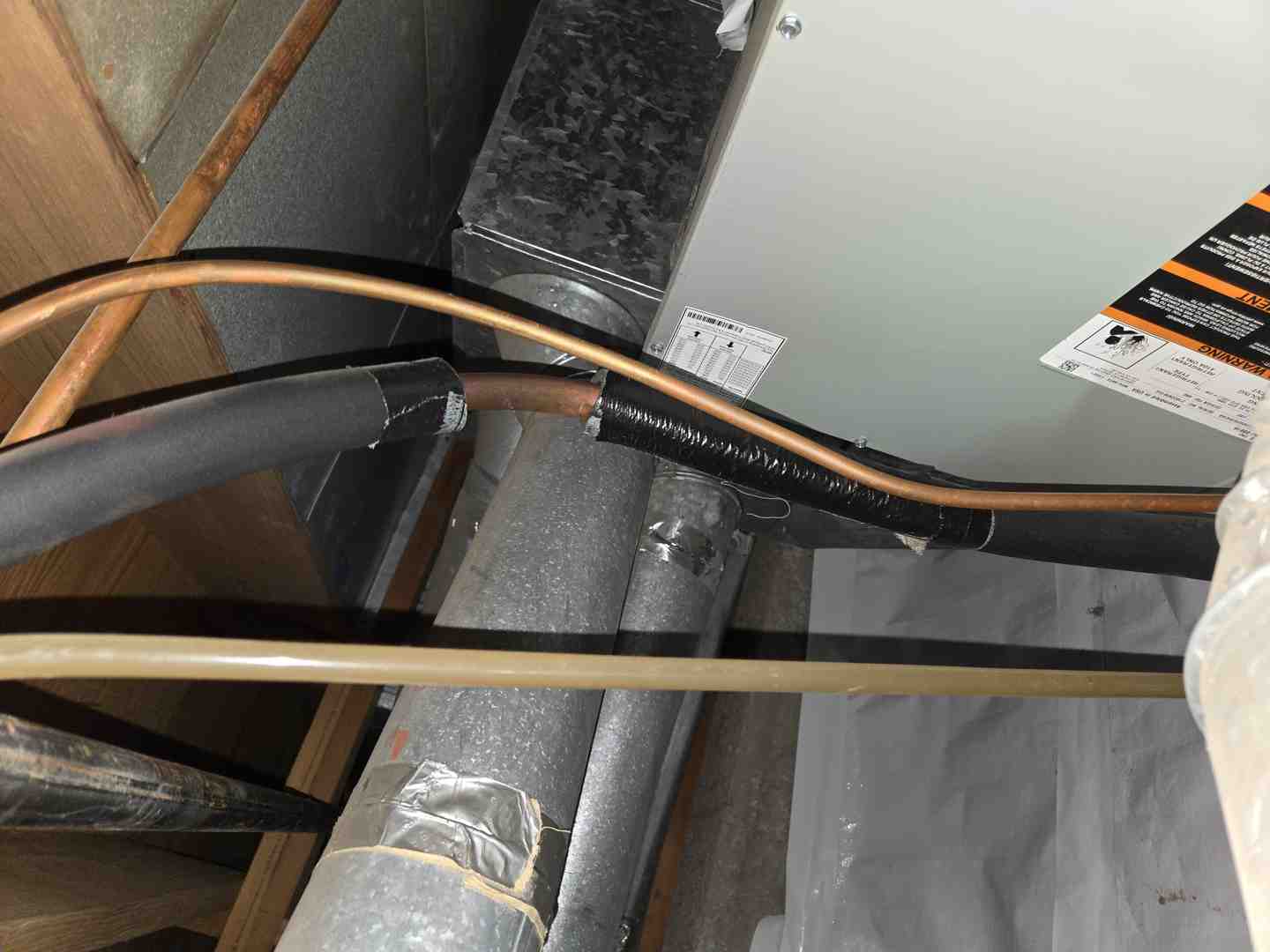
Colorado is famous for "bipolar" weather. It isn't rare to see a 50-degree swing in 24 hours. These rapid shifts cause "thermal cycling," where the metal components in your HVAC system expand and contract rapidly. This is one of the primary reasons we see premature cracks in heat exchangers during an HVAC Tune Up Centennial CO.
How Colorado climate affects your hvac and plumbing during 50-degree temperature swings
When the temperature drops 40 degrees in three hours, your system goes from idle to maximum capacity instantly. This "shock" stresses the compressor and the seals. In places like Aurora, where the sun hits hard in the afternoon but the nights are bitter, systems often "short-cycle"—turning on and off rapidly.
To protect your wallet, we recommend variable-speed equipment for HVAC Service Aurora CO. Unlike standard "on/off" systems, variable-speed motors can ramp up or down slowly, maintaining a steady temperature and reducing the wear and tear caused by constant mode switching. Smart thermostats with "adaptive recovery" are also a lifesaver here, as they learn how long it takes your specific home to heat up or cool down based on the outside temperature.
Protecting your system during the unpredictable "shoulder seasons"
Spring and fall in the Denver Metro area are the most dangerous times for your home. During the day, it might be 65°F, causing condensation to build up in your AC lines. If it drops to 20°F that night, that water freezes, potentially cracking PVC drain lines or damaging the outdoor coil.
Regular HVAC Maintenance Golden CO is vital during these transitions. We check for proper drainage and ensure that your system’s electrical components haven't been compromised by the expansion and contraction of the wires—a common cause of "mystery" system failures in the foothills.
Dealing with dry air and static: Is a whole-home humidifier right for my Aurora home?
Colorado is essentially a high-altitude desert. During the winter, indoor humidity levels can drop below 10%. This doesn't just give you static shocks; it actually damages your HVAC system. Very dry air is full of dust and skin cells that can quickly lead to a Clogged Drain Aurora CO if your AC’s condensate line gets gummed up with "sludge" during the summer.
The hidden impact of Colorado's "Humidity Desert" on HVAC components
When the air stays dry for months, the rubber gaskets and seals inside your AC unit become brittle. This is a leading cause of refrigerant leaks. If you need HVAC Repair Littleton CO, there’s a good chance a dried-out O-ring or seal is to blame. Furthermore, dry air allows more dust to circulate, which coats the blower motor and creates friction, causing it to run hotter and fail sooner.
Why dry air makes your Littleton home feel colder than it actually is
Have you ever noticed that 68°F feels freezing in Denver but comfortable in the Midwest? That’s because of evaporative cooling. When the air is dry, moisture evaporates off your skin faster, making you feel colder. This leads many homeowners to crank their heat to 74°F, sky-rocketing their bills.
By investing in an HVAC Installation Littleton CO that includes a whole-home humidifier, you can keep your home at 35-40% humidity. This makes 69°F feel like 72°F, saving you roughly 5% on your heating costs. Plus, it protects your expensive hardwood floors from cracking and keeps your sinuses from feeling like sandpaper.
I'm worried about burst pipes this winter. How do I protect my plumbing in Highlands Ranch?
The "freeze-thaw" cycle is the enemy of Colorado plumbing. When water freezes inside a pipe, it expands with incredible force. If that pressure has nowhere to go, the pipe bursts. This is particularly common in Slab Leak Aurora CO scenarios where pipes under the concrete are exposed to shifting soil during deep freezes.
How Colorado climate affects your hvac and plumbing when winter freezes hit Denver
To prevent a disaster in Highlands Ranch, you need to be proactive. We often see homeowners who need an HVAC Replacement Highlands Ranch CO because their old furnace failed during a cold snap, which then led to frozen pipes throughout the house.
Pro-tips for freeze protection:
• Keep the heat on: Never set your thermostat below 55°F, even when traveling.
• Open cabinets: Let warm air circulate around pipes under sinks.
• Disconnect hoses: A single hose left attached to an outdoor bib can cause a pipe to burst inside your wall.
• Insulate: Use foam sleeves or heat tape on pipes in unheated garages or crawl spaces.
Preventing sewer backups and sump pump failures during the spring thaw
When the heavy snow finally melts, that water has to go somewhere. Sudden snowmelt can saturate the soil, causing it to shift and potentially crack your sewer line. If you notice slow drains in March or April, you might need Drain Snaking Arvada CO to clear out debris or roots that moved during the thaw.
Sump pumps are also under extreme stress during the "big melt." If your discharge line is still frozen but the pump is trying to push water out, the motor will burn out quickly. For those with older systems, we recommend a Septic Tank Repair Greenwood Village CO or a full sewer scope to ensure your lines can handle the seasonal surge.
Frequently Asked Questions about Colorado Home Systems
Do I need a special furnace for high-altitude living?
Yes. Most furnaces are factory-set for sea level. In the Denver Metro area, they must be "derated" with a high-altitude kit. This involves changing the gas orifices and sometimes adjusting the pressure switch. Without these, your Heating system will produce dangerous levels of carbon monoxide and run inefficiently.
Why does my water heater make rumbling noises in the winter?
In the winter, the water entering your home from the city mains is much colder. This causes the metal tank to expand more significantly when the burner kicks on. If you have sediment buildup at the bottom, the "rumbling" is actually steam bubbles trapped under the lime scale. A professional HVAC Service can flush your tank to restore quiet, efficient operation.
Can a heat pump actually handle a Colorado winter?
Absolutely, but it has to be a "cold-climate" model. Modern inverter-driven heat pumps can maintain 100% of their heating capacity down to 5°F and continue working down to -22°F. We often install these as part of an HVAC Replacement Aurora CO alongside a gas furnace for "dual-fuel" reliability during our coldest nights.
Conclusion
At Veteran Heating, Cooling, Plumbing & Electric, we don't just fix machines; we protect homes from the unique challenges of the Front Range. As a veteran-led, locally owned team, we understand exactly how Colorado climate affects your HVAC and plumbing because we live and work in these same conditions every day.
Whether you need an emergency repair in the middle of a blizzard or a precision HVAC Service Broomfield CO to prepare for the summer heat, we are here for you 24/7. With our lifetime warranty on parts and labor and our 10% discount for veterans and first responders, you can trust that we’ll treat your home with the integrity and excellence it deserves. Don't let the Colorado climate catch you off guard—give us a call today!
ABOUT Veteran Heating, Cooling, Plumbing & Electric
Veteran Heating, Cooling, Plumbing & Electric was founded on the belief that service should be personal, honest, and community-focused. Our team is built around integrity, professionalism, and a true commitment to your home’s comfort and safety.
Led by a U.S. Army veteran with over 30 years of industry experience, we’re proud to remain locally owned and operated. Every technician, plumber, and electrician is EPA-certified, background checked, and driven to exceed expectations.
- 24/7 ServiceWe offer weekend & 24/7 emergency service. We’re here whenever you need us—day, night, or weekend, no exceptions.
- $0 Trip FeesNo dispatch or trip fees. You’ll never pay just for us to show up—service starts when the work does.
OUR SERVICES
AIR CONDITIONING
.jpg)
We offer specialty and seasonal services like indoor air quality upgrades, pre-winter furnace checks, and summer AC tune-ups to keep your home prepared year-round.
Our Primary Air Conditioning Services Include:
Don't see the service you need? Call our Team today!
PLUMBING
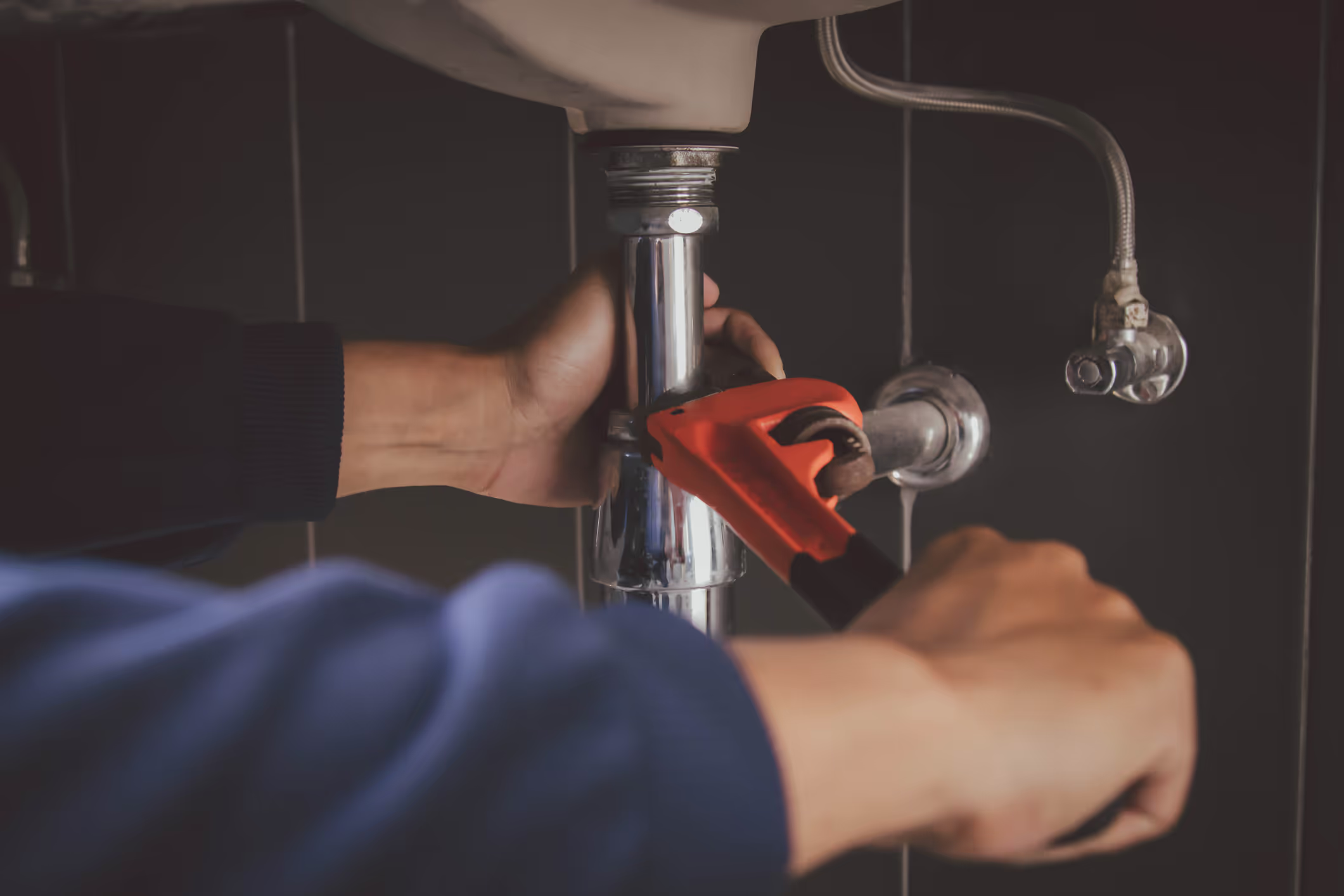
From leaks to full system installs, our plumbing services cover everything you need for a safe, reliable home water system, 24/7.
Our Primary Plumbing Include:
- Water Heater Replacement
- Water Heater Repair
- Trenchless Sewer Line
- Water Filtration
- Slab Leak
- Sewer Line Repair
Don't see the service you need? Call our Team today!
ELECTRICAL

Our electrical services ensure your home stays safe and powered, from routine fixes to complete system upgrades.
Our Primary Electrical Services Include:
- House Rewiring
- Electrician
- Electric Panel Upgrade
- Electric Panel Replacement
- EV Chargers
- Whole House Generator
Don't see the service you need? Call our Team today!
HEATING
.jpg)
We install, repair, and maintain heating & furnace systems with expert care to keep your Colorado home comfortable and energy-efficient year-round.
Our Primary Heating Services Include:
- Heating Installation
- Heating Replacement
- Heating Maintenance
- Heating Repair
- Heating Service
- Heating Tune-Up
Don't see the service you need? Call our Team today!