Upfront Investment: Mini Split vs Central AC Cost Comparison
The mini split vs central ac cost comparison comes down to one critical factor: whether your home already has ductwork. Here is a quick breakdown to help you decide at a glance:
• Home has existing ductwork — Mini Split: Higher upfront cost — Central AC: Lower upfront cost
• Home has NO ductwork — Mini Split: Lower total cost — Central AC: Much higher total cost
• Energy efficiency — Mini Split: Higher (18–30+ SEER2) — Central AC: Moderate (14–21 SEER2)
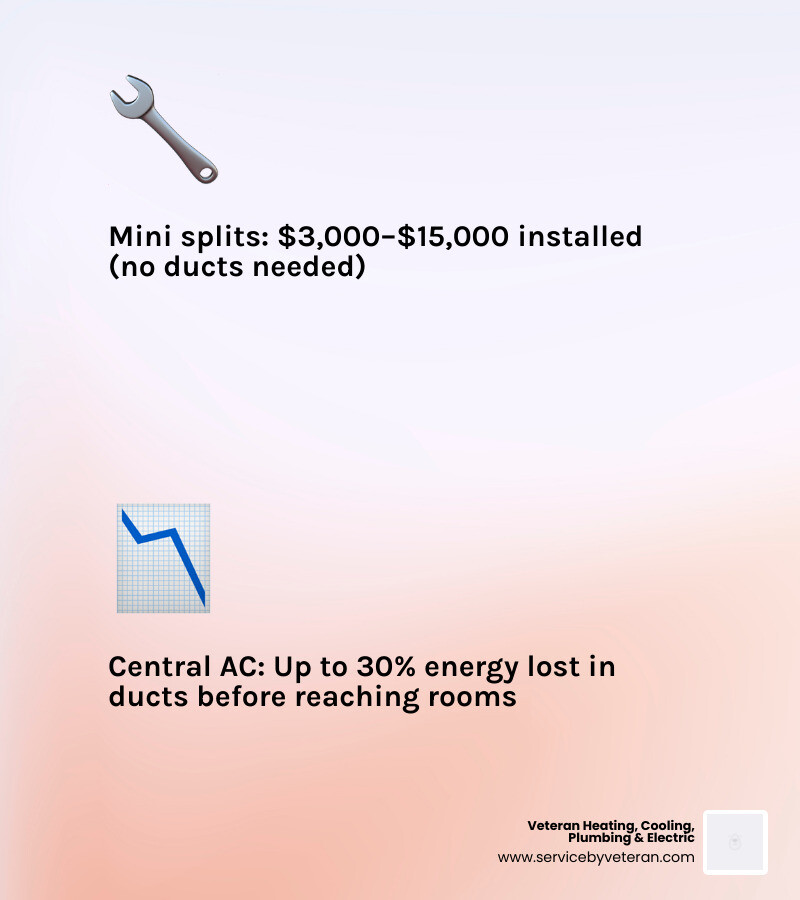
• Duct energy loss — Mini Split: None — Central AC: Up to 30%
• Zoned temperature control — Mini Split: Built-in — Central AC: Requires add-ons
• Heating included — Mini Split: Yes (heat pump) — Central AC: No (separate system needed)
• Lifespan — Mini Split: 15–20 years — Central AC: 12–15 years
Neither system is universally cheaper. The right answer depends on what your home already has, how many rooms you need to cool, and how much you value long-term energy savings over a lower upfront price tag.
Most homeowners start this comparison focused purely on the sticker price of installation. That is understandable. But the full picture includes monthly operating costs, maintenance, lifespan, and available rebates — all of which can shift the math significantly in either direction. Central AC can lose up to 30% of cooled air through leaky or uninsulated ductwork before it ever reaches your living space. Mini splits eliminate that waste entirely by delivering conditioned air directly to each room. That difference adds up fast on your energy bill, especially during a Denver summer.
I'm Mike Townsend, a U.S. Army veteran and founder of Veteran Heating, Cooling, Plumbing & Electric, and my background managing precision cooling systems in the military gives me a unique lens on the mini split vs central ac cost comparison that goes beyond contractor talking points. In the sections ahead, I'll walk you through everything you need to make a confident, cost-smart decision for your Colorado home.
When we look at the initial check you have to write, the mini split vs central ac cost comparison is often a tale of two very different projects. A central air conditioning system is a "whole-house" solution. It relies on a single, large outdoor condenser and an indoor evaporator coil, usually paired with your furnace. If you already have a network of ducts in good condition, replacing a central unit is often the most straightforward path.
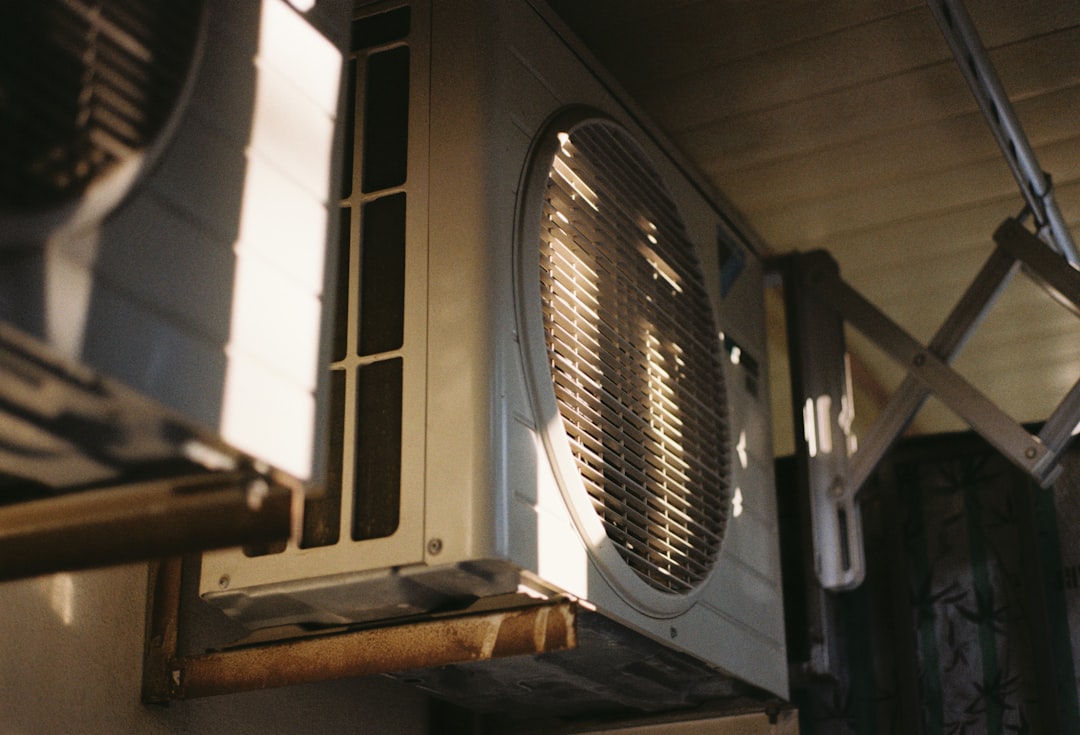
On the other hand, a ductless mini split system is modular. You have one outdoor unit connected to one or more indoor air handlers via small refrigerant lines. This means that instead of one giant unit cooling everything, you might have three, four, or five smaller units placed strategically in the rooms you use most.
The complexity of a mini split installation grows with every "zone" or room you add. Each indoor unit requires its own mounting, electrical connection, and refrigerant line run. While the equipment for a single-zone system is relatively modest, outfitting an entire 2,500-square-foot home in Highlands Ranch with a multi-zone system can involve significant labor and equipment. However, because mini splits are essentially high-efficiency heat pumps, they often provide both heating and cooling, which can offset the need to replace an aging furnace at the same time.
For more details on how these systems are integrated into your home, you can explore More info about mini-split services.
How Ductwork Impacts Your Mini Split vs Central AC Cost Comparison
Ductwork is the "hidden dimension" of any HVAC project. In our experience serving the Denver Metro area, the state of your ducts is the single biggest variable in your final bill.
If your home was built in the last 20 years in a place like Centennial or Castle Rock, you likely have modern, insulated ductwork. In this scenario, central AC is almost always the more affordable upfront choice. We simply swap the old unit for a new, high-efficiency model, and you are back to being cool.
However, if you live in a historic home in Golden or Littleton that lacks ductwork entirely, the mini split vs central ac cost comparison flips. Retrofitting a ducted system into an old home is a massive undertaking. It involves cutting into walls, dropping ceilings to hide bulky vents, and potentially losing precious square footage to "chases" that house the ducts. This process is not just expensive; it’s invasive and can compromise the structural integrity or aesthetic charm of your home.
Mini splits require only a small, three-inch hole in the wall to pass the refrigerant and drainage lines through. This makes them a "non-surgical" option for older homes. Even if you have ducts, if they are leaky, undersized, or uninsulated in a hot attic, they can lose 20% to 30% of your conditioned air. In those cases, the cost of repairing the ducts often makes the ductless route more attractive.
Maximizing ROI with a Mini Split vs Central AC Cost Comparison
As we move through 2026, the financial landscape for HVAC upgrades has changed for the better. We always encourage our neighbors in Broomfield and Lakewood to look beyond the installation day and consider the Return on Investment (ROI).
The federal government, through the Inflation Reduction Act, provides significant incentives for high-efficiency systems. Specifically, heat pump mini splits often qualify for a federal tax credit of 30% of the project cost, capped at $2,000 annually. Many central AC units do not qualify for this same level of credit because they only provide cooling.
Additionally, local utility companies in the Denver area frequently offer rebates for Energy Star-certified equipment. Because mini splits often achieve much higher efficiency ratings than central systems, they are more likely to trigger these local savings. When you stack a $2,000 tax credit on top of a $500 to $1,000 utility rebate, the "premium" price of a mini split starts to look a lot more like a bargain.
Monthly Operating Expenses and Energy Efficiency
Once the system is installed, the mini split vs central ac cost comparison shifts to your monthly electric bill. This is where mini splits truly shine.
Efficiency is measured by SEER2 (Seasonal Energy Efficiency Ratio 2) and HSPF2 (Heating Seasonal Performance Factor 2). Most modern central AC units range from 14 to 21 SEER2. Ductless mini splits, however, commonly reach 20 to 30+ SEER2.
Why the massive gap? It comes down to two main technologies:
1. Inverter Technology: Traditional central AC is like a light switch — it’s either 100% on or 100% off. This constant "cycling" uses a lot of energy. Mini splits use variable-speed inverter compressors that act more like a dimmer switch. They slow down or speed up to maintain a perfect temperature without the energy-intensive restarts.
2. Elimination of Duct Loss: As mentioned, central systems lose a huge chunk of energy through the ductwork itself. By delivering air directly into the room, mini splits ensure that 100% of the energy you pay for actually cools your skin.
• Efficiency Rating — Central AC (Ducted): 14–21 SEER2 — Mini Split (Ductless): 18–33+ SEER2
• Compressor Type — Central AC (Ducted): Single or Two-Stage — Mini Split (Ductless): Variable-Speed Inverter
• Energy Waste — Central AC (Ducted): 20–30% (Duct Leakage) — Mini Split (Ductless): 0% (Direct Delivery)
• Zoning — Central AC (Ducted): All-or-Nothing — Mini Split (Ductless): Room-by-Room Control
By using "zoning," you can turn off the units in your guest rooms or basement during the day and only cool your home office in Arvada. This targeted approach can reduce your summer cooling costs by 20% to 40% compared to a central system that cools the entire house just to keep one person comfortable.
Long-Term Ownership: Maintenance and Lifespan
We often tell our customers in Columbine and Littleton that an HVAC system is like a car — if you don't change the oil, it won't last. The mini split vs central ac cost comparison for long-term ownership involves looking at how much you'll spend on upkeep over 15 to 20 years.
Central AC maintenance is relatively simple but critical. You need to change your furnace filter every 1 to 3 months and have a professional clean the outdoor coils once a year. The biggest long-term risk for central systems is the ductwork. Over time, ducts can become disconnected, clogged with dust, or infested with pests, requiring professional cleaning or sealing.
Mini splits require a bit more "hands-on" attention from the homeowner. Each indoor unit has a small filter that should be rinsed every few weeks to keep the airflow high and the air quality clean. Because these units are located inside your living space, they also need a deeper professional cleaning every year or two to prevent dust and mold buildup on the blower wheels.
In terms of lifespan, both systems are durable. A well-maintained central AC unit typically lasts 12 to 15 years in the Denver climate. High-quality mini splits, especially from premium brands, are often rated for 15 to 20 years. Because mini splits run more consistently at lower speeds (thanks to that inverter tech), they often experience less "wear and tear" from the jarring starts and stops of a traditional system.
Choosing the Right System for Your Colorado Home
Denver's unique geography and climate play a huge role in this decision. In Arvada, where many homes feature multi-story layouts, we often see the "upstairs oven" effect. Even with a powerful central AC, the second floor stays five degrees hotter than the main floor. In this case, a mini split can be a perfect "supplemental" solution to cool the upstairs without freezing out everyone in the living room.
For our neighbors in historic districts of Golden or Littleton, the choice is often about preservation. If you have a beautiful 1920s bungalow with original plaster walls, the last thing you want is a contractor cutting holes for ductwork. Mini splits allow you to enjoy 2026 comfort without destroying 1920s craftsmanship.
We also see a lot of interest in mini splits for "problem rooms." Do you have a finished basement in Aurora that is always damp and chilly? Or a sunroom in Highlands Ranch that becomes a greenhouse in July? A single-zone mini split can handle those specific loads much more efficiently than trying to force your central system to work harder.
Frequently Asked Questions about HVAC Systems
Which system is better for older homes in Golden or Littleton without ducts?
For older homes without existing ductwork, a ductless mini split is almost always the superior choice. The cost of installing new ducts — which involves carpentry, drywall repair, and painting — often exceeds the cost of the HVAC equipment itself. Mini splits preserve your home’s aesthetic while providing superior efficiency and zoned comfort that older homes desperately need.
Do mini splits provide enough heat for Denver winters in 2026?
Yes, provided you choose the right model. Modern "cold-climate" heat pumps are designed specifically for regions like ours. Many of these units can maintain 100% of their heating capacity even when the temperature outside drops to 5°F, and they continue to provide heat down to -13°F. For the vast majority of Denver winters, a mini split can be your primary heat source. However, for those rare sub-zero "polar vortex" weeks, some homeowners choose to keep a backup heat source just in case.
How does a mini split affect my home's resale value compared to central air?
Historically, central air was the "gold standard" for resale. However, as energy costs rise and buyers become more environmentally conscious in 2026, premium multi-zone mini split systems are highly valued. They are seen as a high-tech, energy-efficient upgrade. In many cases, adding a mini split to a home that previously had no cooling can increase the home's value by up to 10%, as it transforms the property into a modern, comfortable living space.
Conclusion
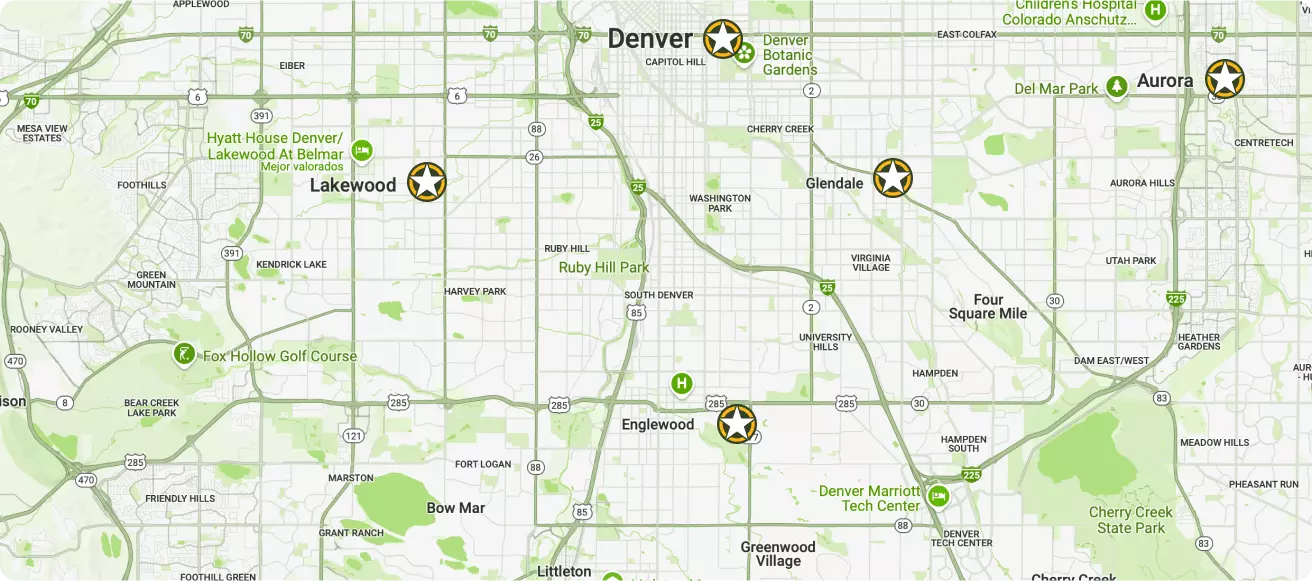
Deciding between a mini split and central AC is a big move, but you don't have to make it alone. At Veteran Heating, Cooling, Plumbing & Electric, we take pride in our "boots on the ground" approach to home comfort. Whether you are in Lakewood, Castle Rock, or anywhere in the Denver Metro area, our team is ready to provide an honest, precision assessment of your home's needs.
We are a veteran-led, locally owned company that stands behind our work with a lifetime warranty on parts and labor. We don't believe in high-pressure sales; we believe in service, integrity, and making sure our neighbors are comfortable in their own homes.
If you are ready to stop guessing and start saving, we invite you to reach out. We can help you navigate the mini split vs central ac cost comparison and find the system that fits your budget and your lifestyle.
For more information or to see how we can help with your specific project, visit More info about mini-split services. Let’s get your home ready for whatever the Colorado weather throws our way!
ABOUT Veteran Heating, Cooling, Plumbing & Electric
Veteran Heating, Cooling, Plumbing & Electric was founded on the belief that service should be personal, honest, and community-focused. Our team is built around integrity, professionalism, and a true commitment to your home’s comfort and safety.
Led by a U.S. Army veteran with over 30 years of industry experience, we’re proud to remain locally owned and operated. Every technician, plumber, and electrician is EPA-certified, background checked, and driven to exceed expectations.
- 24/7 ServiceWe offer weekend & 24/7 emergency service. We’re here whenever you need us—day, night, or weekend, no exceptions.
- $0 Trip FeesNo dispatch or trip fees. You’ll never pay just for us to show up—service starts when the work does.
OUR SERVICES
AIR CONDITIONING
.jpg)
We offer specialty and seasonal services like indoor air quality upgrades, pre-winter furnace checks, and summer AC tune-ups to keep your home prepared year-round.
Our Primary Air Conditioning Services Include:
Don't see the service you need? Call our Team today!
PLUMBING
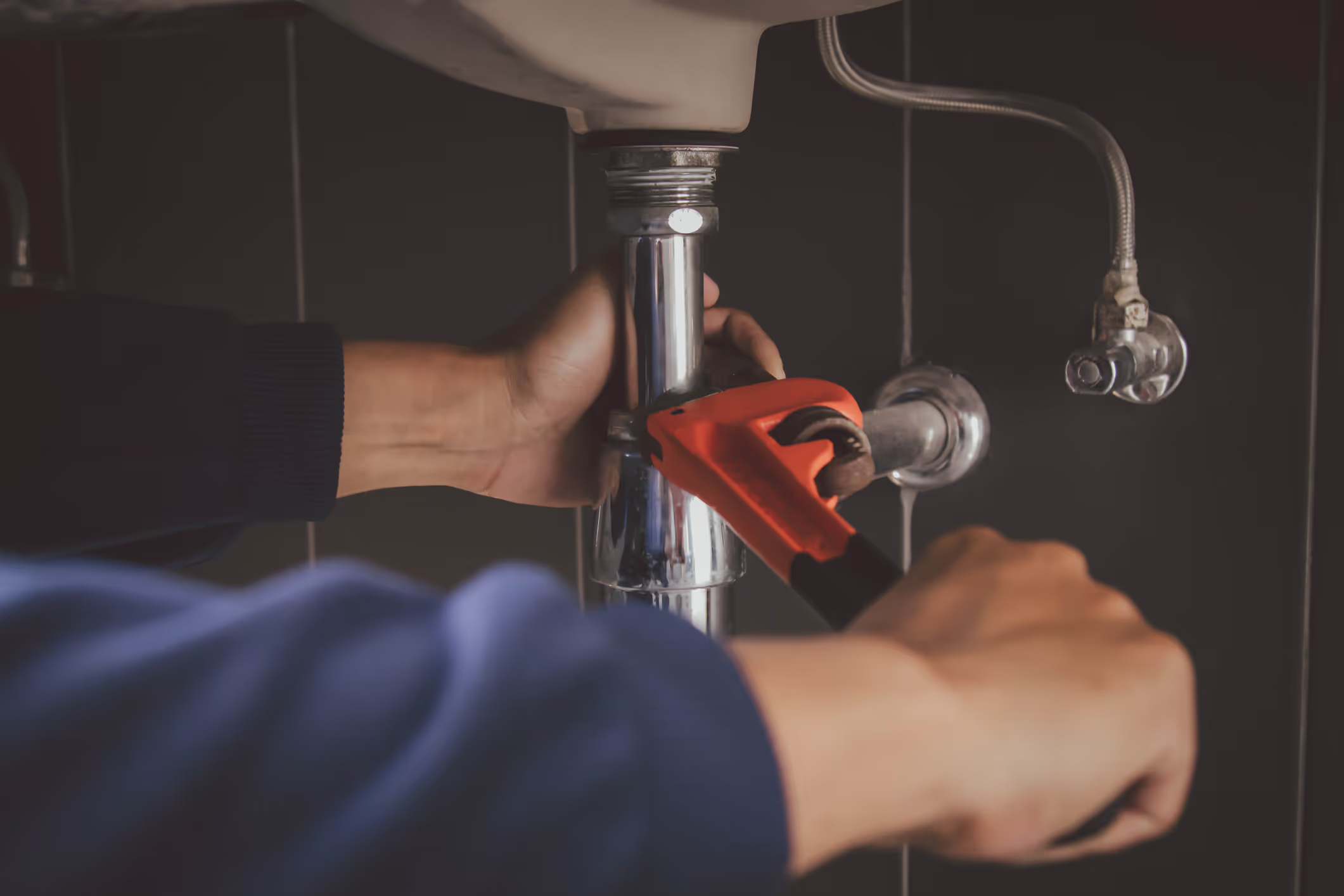
From leaks to full system installs, our plumbing services cover everything you need for a safe, reliable home water system, 24/7.
Our Primary Plumbing Include:
- Water Heater Replacement
- Water Heater Repair
- Trenchless Sewer Line
- Water Filtration
- Slab Leak
- Sewer Line Repair
Don't see the service you need? Call our Team today!
ELECTRICAL

Our electrical services ensure your home stays safe and powered, from routine fixes to complete system upgrades.
Our Primary Electrical Services Include:
- House Rewiring
- Electrician
- Electric Panel Upgrade
- Electric Panel Replacement
- EV Chargers
- Whole House Generator
Don't see the service you need? Call our Team today!
HEATING
.jpg)
We install, repair, and maintain heating & furnace systems with expert care to keep your Colorado home comfortable and energy-efficient year-round.
Our Primary Heating Services Include:
- Heating Installation
- Heating Replacement
- Heating Maintenance
- Heating Repair
- Heating Service
- Heating Tune-Up
Don't see the service you need? Call our Team today!