
Navigating the First Hard Freeze with Your New Heat Pump
As late fall settles into the Front Range and temperatures drop, understanding your heat pump winter operation becomes essential for a comfortable, stress-free home. At Veteran Heating, Cooling, Plumbing & Electric, our dispatch team receives dozens of calls every November from homeowners who are lying in bed on a freezing night when, suddenly, their normally quiet heating system lets out a loud whoosh, followed by total silence from the outdoor fan. For homeowners who recently transitioned from a traditional furnace to a high-efficiency heat pump, this unfamiliar sequence of events often triggers immediate anxiety. In our extensive field experience, the first hard November freeze brings a learning curve, and those sudden noises can make you wonder if your brand-new system is already breaking down.
This critical decision point—knowing whether that sudden noise means it is time for an emergency repair or just a system protecting itself—can mean the difference between a panicked late-night service call and a peaceful night's sleep. Heat pumps operate very differently from traditional gas furnaces, relying on complex refrigeration cycles rather than simple combustion. When the temperature plummets, the system has to perform automated self-maintenance to keep extracting heat from the freezing air. Let's break down exactly what happens during normal operation, step by step, so you can rest easy knowing your system is functioning exactly as designed.
Understanding Heat Pump Winter Operation: The Mechanics of Frost
To fully grasp why your outdoor unit suddenly changes its tune, we first have to look at the science of how these systems gather warmth. Heat pumps do not create heat by burning fuel; instead, they extract ambient thermal energy from the outdoor air, even when it feels freezing outside. Refrigerant circulating through the outdoor coils absorbs this microscopic heat energy and carries it inside.
The Science of Ambient Heat Extraction
As the system pulls large volumes of cold winter air across its outdoor coils, a natural physical reaction occurs. The temperature of the refrigerant inside the coils is actually colder than the outdoor air, which allows it to absorb heat. However, this extreme temperature difference causes moisture in the air to condense directly onto the metal coils. As our installation crews frequently explain to Denver homeowners, with our high altitude of 5,280 feet and rapid temperature drops below 32 degrees Fahrenheit, this condensation does not just drip away harmlessly. It rapidly turns into solid frost.
If left unchecked, this frost accumulation acts as a thick, impenetrable blanket of insulation. It blocks the necessary airflow across the aluminum fins, severely reducing your system's heating efficiency and forcing the compressor to work twice as hard for half the result.
The Automated Solution: Defrost Mode
To combat this rapid frost buildup, your system utilizes an automated, highly engineered function called the defrost cycle. When internal sensors detect that the coil temperature has dropped too low and frost is restricting airflow, the system temporarily shifts gears. By reversing the flow of refrigerant, it sends hot, pressurized gas back out to the outdoor unit to melt the ice from the inside out.
• Frost Accumulation — System Action: Normal heating mode continues — Primary Purpose: Gathers ambient heat, but condensation naturally freezes on the cold coils.
• Sensor Trigger — System Action: Defrost board detects low coil temperature — Primary Purpose: Initiates the cycle automatically to prevent a total ice block from forming.
• Defrost Mode — System Action: Refrigerant flow physically reverses — Primary Purpose: Melts accumulated frost using heat harvested from inside the home.
• Recovery — System Action: Normal heating operation resumes — Primary Purpose: Returns to efficiently warming your living space once the coils are clear.
This cycle is a brilliant piece of engineering that allows modern systems to provide reliable heat in sub-freezing weather. Understanding this mechanical necessity is the first step in decoding the unusual noises you hear outside your window.
Decoding the Noises: What a Normal Defrost Cycle Sounds Like
In our years of installing and servicing high-efficiency heat pumps across the Denver region, our technicians find that the most common source of homeowner worry is not a lack of heat—it is the sudden, dramatic change in operational sounds. Modern cold-climate systems are incredibly quiet during standard operation, which makes the automated defrost cycle stand out even more. Let's break down the exact auditory sequence you will experience.
The Step-by-Step Auditory Sequence
• The initial whoosh: When the system's sensors trigger the defrost cycle, a heavy-duty internal component called the reversing valve shifts position. This rapid mechanical shift redirects the highly pressurized refrigerant, creating a distinct "whooshing," "sighing," or even a mild "swishing" sound. This is completely normal; it is simply the sound of the system temporarily switching into air conditioning mode to send hot gas outside.
• The stopped outdoor fan: Shortly after the reversing valve shifts, you will notice that the large outdoor fan completely stops spinning. This sudden silence often alarms homeowners, but it is entirely intentional. If the fan kept blowing freezing winter air over the coils, the hot refrigerant would never be able to melt the frost effectively. Stopping the fan traps the heat inside the cabinet, allowing the compressor to heat up the coils much faster.
• The humming compressor: While the outdoor fan is off, you will likely hear a steady humming, buzzing, or vibrating noise. This is the compressor working hard to pump that hot refrigerant through the frozen outdoor coils. Because the masking noise of the fan is gone, the compressor sounds louder than usual. You might even see a cloud of steam rising from the top of the unit as the ice rapidly turns back into water vapor.
• The final whoosh and fan startup: Once the internal sensors determine the ice is completely melted, the reversing valve shifts back to its original position, creating a second whoosh. The outdoor fan will kick on again, often blowing a small cloud of residual water vapor into the cold air, and regular, quiet heating will resume.
Knowing this sequence transforms a stressful event into a reassuring one. When you hear that whoosh and the fan stops, you know your equipment is actively protecting itself from winter damage.
Why Is My System Temporarily Blowing Cold Air?
The auditory changes happening outside are often accompanied by a sensory change inside your home: you might suddenly feel cool air coming from your indoor vents. For a homeowner trying to stay warm, feeling an unexpected cold draft can be highly concerning. However, this is a direct thermodynamic result of the process happening outdoors.
The Thermodynamics of Defrosting
Because the system is actively melting outdoor ice, it has temporarily reversed its operation. It is effectively acting as an air conditioner, pulling ambient heat from inside your home and sending it to the outdoor unit. The indoor coil becomes cold, and the air blowing past it loses its heat. This brief shift is the core mechanic of heat pump defrost mode.
The Role of Auxiliary Heat Strips
Fortunately, modern cold-climate systems are designed to anticipate this indoor temperature drop. When the defrost cycle begins, the system's control board typically activates auxiliary heat strips located inside your indoor air handler. Our service technicians always verify these electric resistance heaters are working correctly during our pre-winter tune-ups, as they act as a bridge, warming the air before it reaches your vents to temper the cool draft and prevent your indoor temperature from dropping uncomfortably.
The Timing of the Cycle: This entire automated sequence is designed for speed and efficiency. A standard defrost cycle usually only lasts anywhere from 5 to 15 minutes. The exact duration depends on the outdoor temperature, the humidity level, and how much ice had accumulated on the coils. Once the outdoor sensor registers that the coil is warm and clear of ice, the system seamlessly transitions back to its primary heating mode. The auxiliary heat strips turn off, the reversing valve shifts, and warm, comfortable air will flow from your vents once again.
Normal Operation vs. Mechanical Failure: When to Call a Pro
As a veteran-owned business serving the Denver metropolitan area, our technicians rely on a disciplined, transparent approach to diagnostics. Our primary goal is to educate you on normal heat pump winter operation to prevent unnecessary, stressful service calls. However, our team is always ready to deploy if a true mechanical failure occurs. Knowing the difference between routine self-maintenance and a failing component is vital.
Signs of a Healthy System
As we have covered extensively, a sudden whoosh, a stopped outdoor fan, a humming compressor, and a brief period of cooler indoor air are all signs of a healthy system protecting itself. These specific sounds and behaviors mean the internal computer, sensors, and reversing valve are communicating and executing their jobs perfectly. You do not need to call a technician if your system exhibits these exact behaviors for 5 to 15 minutes at a time during freezing weather.
Indicators of Actual Failure
True mechanical issues sound and behave very differently from a normal defrost cycle. You should reach out for professional diagnostics if you observe any of the following warning signs:
• Harsh, metallic noises: If you hear loud metal-on-metal grinding, a high-pitched shrieking from the compressor, or violent banging noises, shut the system down immediately at the thermostat.
• Stuck in defrost: If your system stays in defrost mode for hours without returning to normal heating, or if it constantly cycles into defrost every ten minutes, the control board or sensors may be failing.
• Solid ice encasement: A light layer of frost is normal. However, if the outdoor unit becomes encased in a solid, thick block of ice that never melts, the defrost cycle is failing to trigger altogether.
The Danger of DIY Testing
Diagnosing internal components like a faulty reversing valve, a failed defrost control board, or a low refrigerant charge requires specialized training and a licensed professional. Never attempt to force the reversing valve manually, chip away ice with sharp tools, or open the high-voltage electrical cabinet yourself. Modern systems carry high electrical currents and pressurized refrigerants that require disciplined, professional handling.

Best Practices to Keep Your Outdoor Unit Clear This Winter
While the automated defrost cycle handles the microscopic frost forming directly on the coils, homeowners play a crucial role in supporting their heat pump's overall efficiency. An outdoor unit buried in snow cannot breathe, and restricted airflow will force the system to work harder, increasing your energy usage and wear-and-tear on the parts. Our team recommends following these safe, proactive maintenance steps to ensure your system operates flawlessly all winter long.
1. Clear snow drifts and debris: After a heavy snowfall, gently brush away any snow accumulating around the base and sides of the outdoor unit. The system requires unrestricted airflow to extract ambient heat efficiently. Use a soft broom or your gloved hands to clear the snow, maintaining a clearance of at least two feet around the entire cabinet.
2. Never use sharp objects or hot water: If you notice ice buildup that the defrost cycle isn't handling, do not attempt to chip it away with a shovel, screwdriver, or ice pick. One slip can puncture the delicate aluminum fins, causing severe, irreparable refrigerant leaks. Likewise, pouring hot water over the unit is dangerous; it can cause thermal shock to the metal or instantly refreeze into a thicker, harder layer of ice within the internal components.
3. Maintain overhead gutters: Check the gutters and roofline directly above your heat pump. If gutters are clogged or overflowing, freezing rain and snowmelt will drip directly onto the unit, creating an artificial ice storm that easily overwhelms the system's automated defrost capabilities. Redirect downspouts away from the equipment pad.
4. Verify proper elevation and drainage: Ensure the unit remains properly elevated above the typical snow line. This elevation, which is usually handled carefully during professional installation, allows the melted frost from the defrost cycle to drain away freely. If the unit sits directly on the ground, that runoff water will pool and refreeze at the base, eventually climbing up into the fan blades.
Frequently Asked Questions About Heat Pumps in Winter
Why is my heat pump making a whooshing sound?
That sudden whooshing noise is the sound of the internal reversing valve shifting the refrigerant flow. When the system detects frost on the outdoor coils, it temporarily switches directions to send hot, pressurized gas outside. This melts the ice accumulation quickly and efficiently. Once the frost is gone, the valve shifts back with another distinct whoosh, and normal heating resumes.
Is defrost mode on a heat pump normal?
Yes, it is an absolutely essential and fully automatic function of modern systems. Without this mode, the condensation that forms on the outdoor coils would rapidly freeze into a solid block of ice, choking off airflow and causing the system to fail entirely. Seeing your system enter this mode means its sensors and control boards are working exactly as designed to protect the equipment.
How long does a heat pump stay in defrost mode?
A typical cycle lasts anywhere between 5 and 15 minutes. The exact duration depends heavily on the amount of frost accumulation, the outdoor ambient temperature, and the specific model of your equipment. Once the internal sensors detect that the coil temperature has risen enough to melt all the ice, the cycle ends automatically and regular heating is restored.
Why is my heat pump blowing cold air in winter?
During defrost mode, the system temporarily acts as an air conditioner to send hot refrigerant outside to melt the ice. This means it is actively pulling heat from inside your home, which can result in a brief period of cooler air coming from your indoor vents. Most modern setups activate auxiliary electric heat strips during this brief window to temper the air and keep your living space comfortable.
Should I manually switch to emergency heat during a freeze?
No, our technicians strongly advise against manually switching to emergency heat just because the outdoor temperature drops. Modern cold-climate systems are engineered to handle sub-freezing temperatures efficiently without needing manual intervention. Emergency heat relies entirely on electric resistance strips, which use significantly more energy, and should only be used if the main compressor has completely failed and you are waiting for a professional repair.
Enjoy Peace of Mind Throughout the Winter Months
Understanding the nuances of your heat pump winter operation is the absolute best way to avoid unnecessary anxiety when the temperature plummets. When you hear that familiar whooshing sound and notice the outdoor fan stop spinning, you can relax, knowing the system is doing exactly what it was designed to do. Clear descriptions of normal defrost behaviors give you peace of mind and save you the stress of a false-alarm emergency call during the darkest, coldest nights of the year. The system is smart, resilient, and built to handle the changing seasons automatically. If you have any lingering questions about your system's performance, or if you want to schedule routine pre-winter maintenance with our veteran-led team to ensure peak efficiency before the harshest weather arrives, reach out to Veteran Heating, Cooling, Plumbing & Electric today. We are here to ensure your Denver home stays comfortable all winter long.
ABOUT Veteran Heating, Cooling, Plumbing & Electric
Veteran Heating, Cooling, Plumbing & Electric was founded on the belief that service should be personal, honest, and community-focused. Our team is built around integrity, professionalism, and a true commitment to your home’s comfort and safety.
Led by a U.S. Army veteran with over 30 years of industry experience, we’re proud to remain locally owned and operated. Every technician, plumber, and electrician is EPA-certified, background checked, and driven to exceed expectations.
- 24/7 ServiceWe offer weekend & 24/7 emergency service. We’re here whenever you need us—day, night, or weekend, no exceptions.
- $0 Trip FeesNo dispatch or trip fees. You’ll never pay just for us to show up—service starts when the work does.
OUR SERVICES
AIR CONDITIONING

We offer specialty and seasonal services like indoor air quality upgrades, pre-winter furnace checks, and summer AC tune-ups to keep your home prepared year-round.
Our Primary Air Conditioning Services Include:
Don't see the service you need? Call our Team today!
PLUMBING
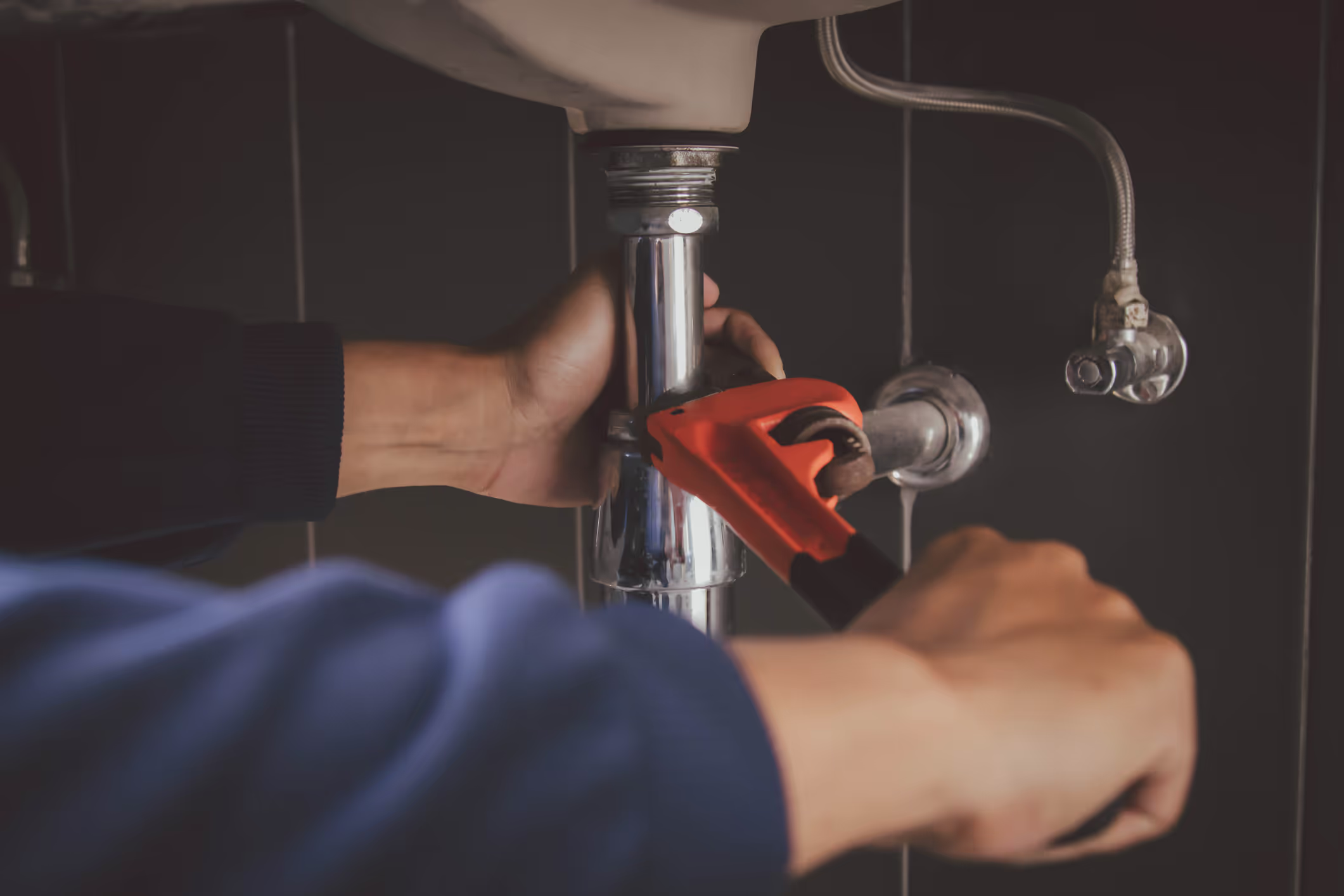
From leaks to full system installs, our plumbing services cover everything you need for a safe, reliable home water system, 24/7.
Our Primary Plumbing Include:
- Water Heater Replacement
- Water Heater Repair
- Trenchless Sewer Line
- Water Filtration
- Slab Leak
- Sewer Line Repair
Don't see the service you need? Call our Team today!
ELECTRICAL

Our electrical services ensure your home stays safe and powered, from routine fixes to complete system upgrades.
Our Primary Electrical Services Include:
- House Rewiring
- Electrician
- Electric Panel Upgrade
- Electric Panel Replacement
- EV Chargers
- Whole House Generator
Don't see the service you need? Call our Team today!
HEATING

We install, repair, and maintain heating & furnace systems with expert care to keep your Colorado home comfortable and energy-efficient year-round.
Our Primary Heating Services Include:
- Heating Installation
- Heating Replacement
- Heating Maintenance
- Heating Repair
- Heating Service
- Heating Tune-Up
Don't see the service you need? Call our Team today!