

Why the Late Fall Heating Season Demands a Better Moisture Strategy
As November brings the late fall heating season, understanding whole home humidifier benefits becomes a priority for anyone tired of waking up to dry air and a scratchy throat. The sudden drop in outdoor temperatures means your furnace begins running constantly to keep your living space warm. While that forced-air heating keeps the chill away, it also aggressively strips the last remaining autumn moisture from your indoor air. Before you know it, the comfortable indoor environment you enjoyed in October turns into a bone-dry, static-filled space.
If you are struggling to balance your home's humidity, you are not alone. The most common response to this sudden seasonal shift is rushing to the store to buy multiple portable humidifiers. Homeowners place one in the master bedroom, one in the nursery, and maybe a larger unit in the living room. While this seems like a logical quick fix, it quickly turns into a frustrating, labor-intensive routine that barely makes a dent in the overall dryness of the house.
Relying on room-sized units is a flawed strategy for a house-wide problem. These small devices are simply not designed to combat the intense drying effect of a furnace running cycle after cycle. To truly resolve the issue before deep winter sets in, you need a permanent strategy. An integrated, whole-home approach is the definitive solution for high-altitude dryness, treating the entire house uniformly rather than trying to patch the problem one room at a time.
The Shift from Autumn Comfort to Winter Dryness
The transition into late fall is particularly harsh on indoor air quality. During the milder months, you can open windows to let in natural moisture, and your heating system sits idle. But once the November freezes begin, your house gets sealed up tight. Every time the thermostat triggers the heating cycle, the air gets warmer, but its capacity to hold moisture changes dramatically.
The underlying issue: A furnace does not actually remove water vapor from the air, but it drastically lowers the relative humidity by heating that air up. Without a dedicated system to reintroduce moisture into the airflow, your home's humidity levels plummet rapidly. This is why you suddenly notice dry skin, irritated sinuses, and shrinking wood floors almost overnight. Addressing this requires more than a temporary plug-in appliance; it requires a system that works in tandem with your heating equipment.
The Mathematical Limit of Portable Units in High-Altitude Homes
In our experience servicing homes in Denver CO, we see firsthand why room-sized units cannot keep up with the demands of a mile-high, semi-arid climate. The ambient outdoor humidity in this region is already remarkably low long before it ever enters your home's heating system. When you combine high altitude with freezing outdoor temperatures, you face a unique environmental challenge that portable humidifiers simply lack the output capacity to handle.
The limitation comes down to basic physics. Cold outdoor air holds almost zero moisture. For example, if it is 20 degrees outside with 50% relative humidity, that air contains a microscopic amount of actual water vapor. When that same air is drawn into your home and heated to 70 degrees by your furnace, the relative humidity plummets into the single digits. A portable unit holding one or two gallons of water mathematically cannot evaporate enough moisture into the air fast enough to compensate for the constant influx of ultra-dry, heated air circulating through your ductwork.
The Daily Maintenance Trap
The quick fix becomes a daily chore: Beyond their physical limitations, portable humidifiers introduce a massive amount of maintenance fatigue into your daily routine. Keeping just three portable units running throughout a house requires a surprising amount of labor.
• Constant refilling: Small tanks run dry in a matter of hours, requiring you to carry heavy, sloshing reservoirs back and forth from the sink multiple times a day.
• Weekly scrubbing: Stagnant water in portable tanks is a breeding ground for mold and bacteria. They require rigorous weekly scrubbing with vinegar or bleach to remain safe to use.
• Filter replacements: Many portable units use small wicking filters that become crusted with hard water minerals rapidly, requiring constant replacement to maintain any level of efficiency.
• Uneven distribution: You end up with one damp, clammy room where the unit is running, while the rest of the house remains bone-dry.
When the air is this dry, you need gallons of water introduced into your home's atmosphere every single day just to reach a baseline of comfort. Expecting a small, tabletop appliance to achieve this is unrealistic, which is why so many homeowners eventually abandon them in frustration halfway through the heating season.
Core Whole Home Humidifier Benefits: Why Integration Wins
The primary advantage of an integrated system is that it completely eliminates the daily labor associated with moisture control. By connecting directly to your home's existing water supply and HVAC system, a whole-home humidifier operates continuously and automatically. There is zero daily refilling, no heavy tanks to carry, and no weekly scrubbing required. It provides true whole-house coverage, utilizing the ductwork that already reaches every room in your home.
An integrated system works seamlessly with your furnace. When the heating cycle begins, water flows over a specialized evaporator pad inside the humidifier unit. The warm air from the furnace passes through this pad, absorbing water vapor. This newly humidified air is then pushed through your supply ducts, distributing consistent, comfortable moisture to every corner of the house simultaneously.
Another major benefit is improved energy efficiency. Properly humidified air actually feels warmer on your skin at lower temperatures. Because moisture slows the evaporation of moisture from your skin, a home kept at 68 degrees with 40% humidity feels just as warm as a home kept at 72 degrees with 15% humidity. This allows you to lower your thermostat slightly, reducing the strain on your furnace and cutting down on constant heating cycles.
Portable Humidifier Chores vs. Integrated Whole-Home Benefits
• Water Supply — Portable Humidifier Chores: Daily manual refilling at the sink — Integrated Whole-Home Benefits: Automatic water supply directly from plumbing
• Maintenance — Portable Humidifier Chores: Weekly scrubbing to prevent mold and bacteria — Integrated Whole-Home Benefits: Simple annual water panel replacement
• Aesthetics — Portable Humidifier Chores: Cluttered floor space and visible power cords — Integrated Whole-Home Benefits: Hidden completely out of sight on the HVAC system
• Coverage Area — Portable Humidifier Chores: Single-room relief with uneven moisture — Integrated Whole-Home Benefits: Consistent, balanced comfort in every room
• Control — Portable Humidifier Chores: Manual dials and guesswork — Integrated Whole-Home Benefits: Automated precision via a humidistat

Achieving EPA-Recommended Humidity Levels When It Freezes Outside
The Environmental Protection Agency (EPA) recommends keeping indoor relative humidity between 30% and 50% for optimal health and comfort. When the Denver CO winter hits hard, achieving this target without professional equipment is nearly impossible. Falling below the 30% threshold triggers a cascade of physical discomforts that many people mistakenly attribute to standard winter illnesses, rather than the environment inside their own home.
Severely dry winter air pulls moisture directly from your body. This is why you experience dry, itchy skin, cracked lips, and irritated nasal passages. Your respiratory system relies on a thin layer of moisture to trap dust, allergens, and airborne particles before they reach your lungs. When you breathe in ultra-dry air constantly, this natural defense mechanism dries out. This often exacerbates respiratory issues, increases susceptibility to sinus infections, and causes that familiar, painful morning sore throat.
How the Humidistat Protects Your Home
The precision of automated control: A whole-home system achieves the EPA's recommended targets by using a device called a humidistat. Just as a thermostat monitors and controls temperature, a humidistat monitors the moisture levels in your air. You set it to your desired percentage—usually around 40%—and the system takes over from there.
If the humidity drops, the system activates during the next heating cycle. Once the target is reached, it shuts off the water flow automatically. This level of control is critical because it prevents the over-humidification issues often caused by unmonitored portable units. If you run a portable unit too long in a closed bedroom, the air becomes saturated, leading to heavy window condensation, damp carpets, and eventual mold growth on the window sills. An integrated system's humidistat ensures you stay perfectly within the safe 30-50% sweet spot, providing relief for your body without risking water damage to your property.
Protecting Your Hardwood and Investments from Winter Shrinkage
While the physical comfort benefits are usually what drive homeowners to seek out better moisture control, the property protection benefits are just as significant. The National Wood Flooring Association (NWFA) provides clear data regarding wood damage when indoor humidity drops below 30%. Wood is a hygroscopic material, meaning it constantly absorbs and releases moisture depending on its environment.
When the air inside your Denver CO home becomes excessively dry, it acts like a sponge, pulling moisture directly out of the woodwork. This extreme dryness causes hardwood floors to shrink, creating unsightly gaps between the planks. Over time, these gaps can become permanent, and the wood may even crack, splinter, or warp. This same destructive process affects expensive wood furnishings, custom cabinetry, wooden doors, and musical instruments like acoustic guitars or pianos, which can lose their tuning or suffer cracked soundboards.
The Silent Damage of Static Electricity
Beyond the woodwork: Another major indicator of a severely dry home is the constant shock of static electricity. When humidity is incredibly low, static charges build up rapidly as you walk across carpets or touch furniture. While getting shocked by a doorknob is a painful annoyance, that same static discharge can be disastrous for sensitive electronics.
Computers, smart home hubs, and high-end audio equipment are highly vulnerable to static shocks, which can short out internal components. By maintaining proper humidity levels, you naturally dissipate static electricity, protecting your electronics and improving your daily comfort. Framing a humidifier installation as a long-term investment makes sense when you consider the thousands of dollars it saves in preventing damage to your home's interior finishes and valuables.
Our Disciplined Approach to High-Altitude IAQ Upgrades
What we recommend during fall IAQ checks is never a one-size-fits-all product pitch. Upgrading your indoor air quality requires a systematic evaluation of your home's specific needs. Working with a team that values veteran-owned reliability and a disciplined, whole-home approach means you get a solution engineered for your exact living space, rather than just a box pulled off a shelf.
Proper sizing and integration with your existing furnace are critical for the system to perform safely and effectively. If a unit is too small, it will never reach the target humidity. If it is installed incorrectly, it can cause water damage to your furnace or restrict vital airflow. We treat this as a permanent, reliable upgrade meant to eliminate seasonal maintenance fatigue entirely.
What We Look For During an IAQ Check
Our methodology for evaluating and installing integrated humidifiers follows a strict set of procedures to ensure flawless operation:
1. System compatibility assessment: We first inspect your current furnace and ductwork configuration. We determine whether a bypass humidifier or a fan-powered unit is the best fit for your specific HVAC layout and plenum space.
2. Home volume calculation: We calculate the total cubic footage of your home, factoring in ceiling height and insulation quality, to ensure the unit we recommend has the exact gallons-per-day output required for a high-altitude climate.
3. Water and drainage routing: We map out the safest, most efficient path for the dedicated water supply line and the necessary drainage routing to prevent any standing water or leak risks near your heating equipment.
4. Humidistat integration: We wire the humidistat directly into your furnace control board, ensuring the two systems communicate perfectly and only introduce moisture when the blower motor is actively distributing air.
5. Performance testing: Before we consider the job complete, we cycle the system, verify the water flow rate, check the pad saturation, and confirm that the humidistat is accurately reading the indoor air.
This disciplined process guarantees that when the deepest cold of winter arrives, your system will operate quietly in the background, keeping your home perfectly comfortable without you ever having to lift a finger.
Frequently Asked Questions About Integrated Humidifiers
Is a whole house humidifier worth it?
Yes, especially in semi-arid climates, because it eliminates daily maintenance, improves energy efficiency, and protects home furnishings. Instead of constantly refilling small tanks and cleaning mold from portable units, an integrated system handles the moisture levels automatically. The upfront investment pays off quickly through reduced furnace strain, lower heating bills, and the preservation of expensive hardwood floors that would otherwise dry out and crack.
What are the pros and cons of a whole house humidifier vs portable?
The main pros of a whole-home system include automated control, whole-house coverage, and zero daily filling. They operate out of sight and distribute moisture evenly through your ductwork. The cons are that they require professional installation and have a higher upfront investment than buying a cheap tabletop unit. Portables are inexpensive initially but come with the heavy cons of constant labor, uneven moisture, and frequent filter replacements.
Does a whole house humidifier help with dust?
Yes, properly humidified air helps dust particles clump together and fall, making it easier for the furnace filter to trap them. When the air is bone-dry, microscopic dust and allergens remain suspended in the air for much longer, making them easy to inhale. By maintaining optimal humidity, you weigh down these particles, which significantly improves the overall indoor air quality and reduces the amount of dust settling on your furniture.
Do whole house humidifiers cause mold?
Not when professionally installed and controlled by a humidistat, which prevents humidity from exceeding the safe 50% threshold. Mold issues typically arise from unmonitored portable units that saturate a single room, or from improperly installed systems that leak water into the ductwork. A correctly integrated system only introduces moisture when the furnace blower is running, ensuring the vapor is fully distributed and never allowed to pool or condense inside the vents.
How often does an integrated humidifier need maintenance?
Unlike portables that need weekly cleaning, integrated systems typically only require a single water panel replacement once a year during regular heating maintenance. Because the system uses fresh, flowing water straight from your plumbing line rather than stagnant water sitting in a tank, there is no weekly scrubbing required. The annual pad replacement ensures hard water minerals do not build up and restrict the airflow, keeping the system running at peak efficiency all winter.
Step Away from the Daily Refill Routine
Dealing with dry winter air shouldn't require a part-time job of carrying water jugs through your house. The relief of having automated, whole-house moisture control transforms how you experience the late fall heating season. By upgrading to an integrated system, you protect your family's health, preserve your home's woodwork, and finally step away from the daily refill routine. Schedule an evaluation before the deepest cold of winter sets in, and discover exactly why a disciplined, permanent installation is the superior choice for high-altitude living.
ABOUT Veteran Heating, Cooling, Plumbing & Electric
Veteran Heating, Cooling, Plumbing & Electric was founded on the belief that service should be personal, honest, and community-focused. Our team is built around integrity, professionalism, and a true commitment to your home’s comfort and safety.
Led by a U.S. Army veteran with over 30 years of industry experience, we’re proud to remain locally owned and operated. Every technician, plumber, and electrician is EPA-certified, background checked, and driven to exceed expectations.
- 24/7 ServiceWe offer weekend & 24/7 emergency service. We’re here whenever you need us—day, night, or weekend, no exceptions.
- $0 Trip FeesNo dispatch or trip fees. You’ll never pay just for us to show up—service starts when the work does.
OUR SERVICES
AIR CONDITIONING
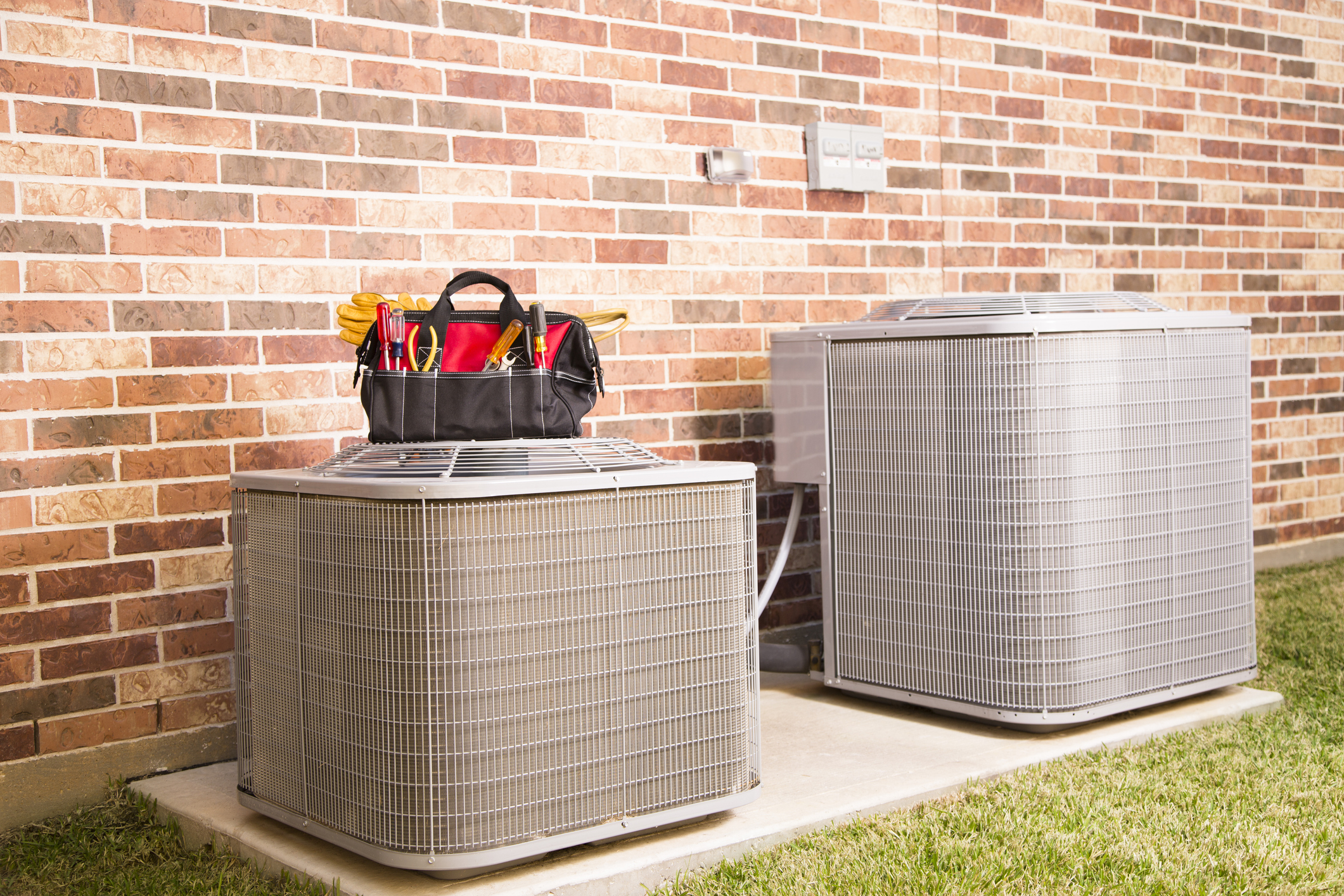
We offer specialty and seasonal services like indoor air quality upgrades, pre-winter furnace checks, and summer AC tune-ups to keep your home prepared year-round.
Our Primary Air Conditioning Services Include:
Don't see the service you need? Call our Team today!
PLUMBING
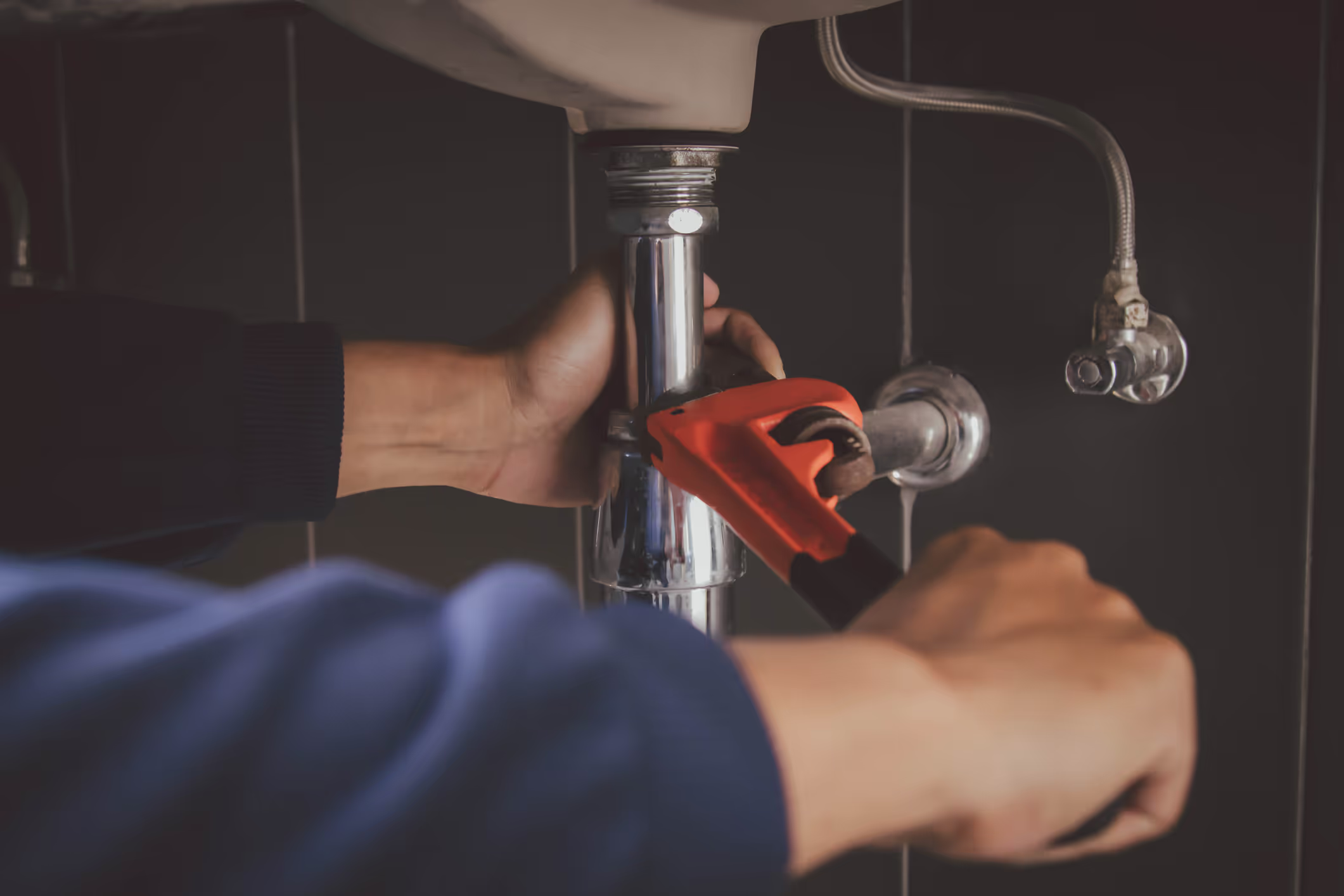
From leaks to full system installs, our plumbing services cover everything you need for a safe, reliable home water system, 24/7.
Our Primary Plumbing Include:
- Water Heater Replacement
- Water Heater Repair
- Trenchless Sewer Line
- Water Filtration
- Slab Leak
- Sewer Line Repair
Don't see the service you need? Call our Team today!
ELECTRICAL

Our electrical services ensure your home stays safe and powered, from routine fixes to complete system upgrades.
Our Primary Electrical Services Include:
- House Rewiring
- Electrician
- Electric Panel Upgrade
- Electric Panel Replacement
- EV Chargers
- Whole House Generator
Don't see the service you need? Call our Team today!
HEATING
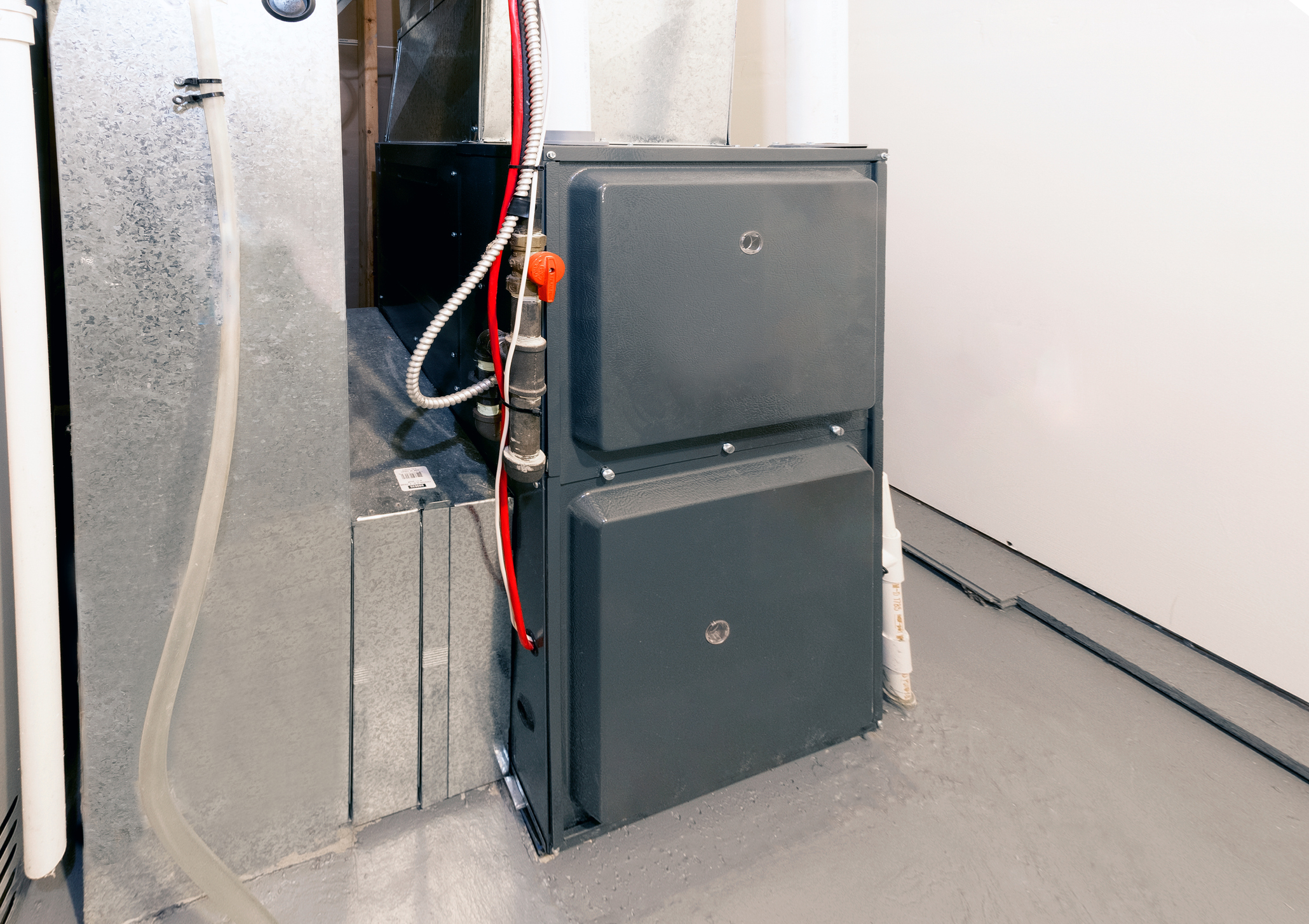
We install, repair, and maintain heating & furnace systems with expert care to keep your Colorado home comfortable and energy-efficient year-round.
Our Primary Heating Services Include:
- Heating Installation
- Heating Replacement
- Heating Maintenance
- Heating Repair
- Heating Service
- Heating Tune-Up
Don't see the service you need? Call our Team today!