Why That First Fall Heating Cycle Triggers Alarm
Are you staring at your vents in a panic right now? Distinguishing between normal dust burn-off and a serious electrical issue when testing your furnace is the most critical step you can take during that initial autumn startup. Every September, when that first-freeze hits the Denver area, our dispatchers at Veteran Heating, Cooling, Plumbing & Electric field dozens of calls as thousands of homeowners flip their thermostats to "heat" for the very first time in six months. Within minutes, a strong, undeniable burning odor fills the hallways. Your immediate reaction is likely alarm—is the house catching fire, or is this just a harmless seasonal quirk?
The decision you make in the next few minutes determines whether you are simply waiting out a temporary smell or preventing a catastrophic electrical failure. To keep your home safe, you need to rely on sensory details. Specifically, you must evaluate the exact type of smell and exactly how long it lasts. Proper furnace maintenance is your first line of defense, but knowing how to interpret these sudden odors is what keeps your family secure before extreme cold weather sets in. Here is exactly how our team tells the difference between a harmless seasonal nuisance and a dangerous emergency.
Understanding the 30-Minute Dust Burn-Off Phenomenon
To understand why your heating system smells terrible on day one, you have to look at what happens during the summer. For half the year, your heating equipment sits completely idle. In our years serving the Denver Metro area, we've seen firsthand how our low humidity and semi-arid conditions cause much higher rates of airborne dry dust settling inside idle HVAC equipment compared to more humid regions. Every pet hair, skin cell, and speck of dirt that makes it past your filter settles directly onto the heat exchanger.
When the burners ignite for the first time, those settled particles are instantly incinerated. This is the normal dust burn-off phenomenon. Last fall, one of our local customers reached out in a panic because their heating system was not working correctly and emitted a terrible odor upon startup. Our technician, Jeff, was dispatched, professionally and efficiently fixed the furnace problem, and helped the customer understand exactly what standard seasonal dust accumulation looks and smells like.
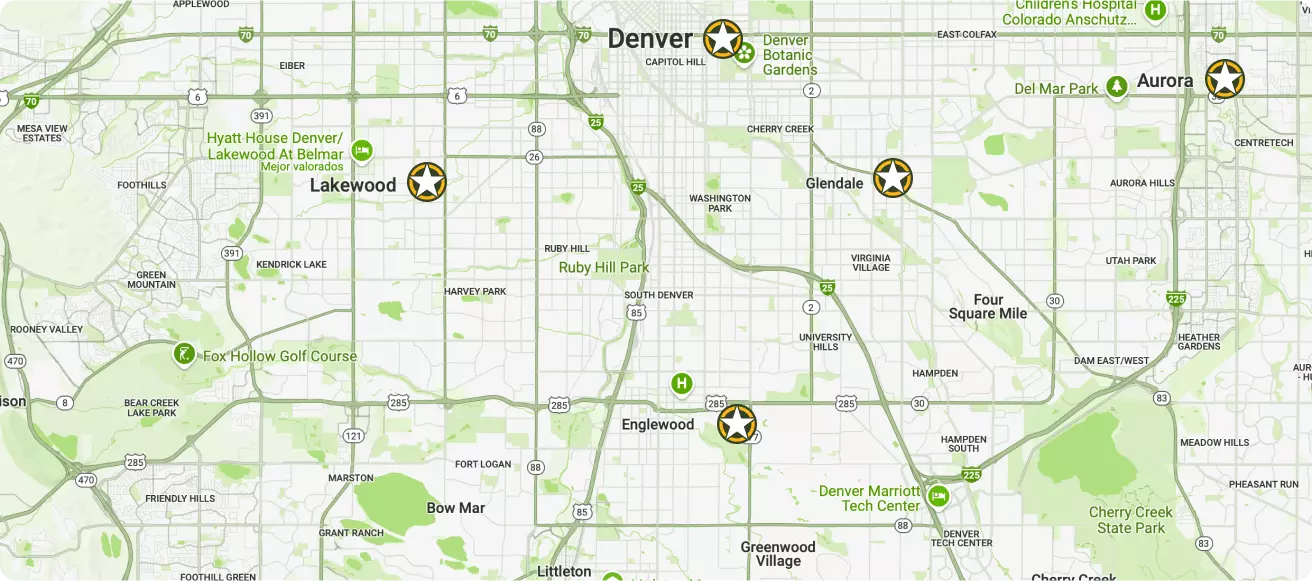
Characteristics of harmless dust burn-off include:
• The specific scent: It smells musty, dry, and distinctly like a hot hair dryer or a dusty space heater.
• The strict time limit: The odor should peak within the first ten minutes and completely dissipate within 30 to 60 minutes.
• The lack of smoke: While the smell is strong, you should never see visible smoke coming from your vents.
If you are experiencing this dry, musty smell, open a few windows to ventilate the house and monitor the time. Scheduling a fall furnace tune-up before the cold weather arrives drastically reduces this symptom, as a professional will clean the heat exchanger before that first ignition.
Sensory Red Flags: Identifying Acrid and Fishy Electrical Odors
If your search history currently looks like "furnace smells like burning plastic vs dust," you are already intuitively recognizing that not all odors are created equal. While dust smells like a hot hair dryer, an electrical failure smells like a chemical hazard. Modern heating systems contain miles of wiring, plastic-cased relays, and insulated circuit boards. When these components overheat, they release distinct chemical compounds into your air supply.
Our electrical and HVAC teams frequently remind customers that you must never ignore these sensory red flags. The heat-resistant phenolic resins used in wire insulation give off very specific odors when they begin to melt. If you smell melting plastic, sharp ozone, or a bizarre "fishy" or urine-like odor, you are actively smelling an electrical fire in its early stages. Furthermore, these dangerous odors will not fade away after an hour; they will grow increasingly stronger the longer the system runs. If you notice these specific scents, it often points to signs your home needs electrical repair rather than just a simple dirty filter.
Comparison: Harmless Dust vs. Dangerous Electrical Smells
• Odor Profile — Normal Dust Burn-Off: Musty, dry, dusty, like a hot hair dryer. — Dangerous Electrical Failure: Acrid, sharp, melting plastic, ozone, or "fishy".
• Duration — Normal Dust Burn-Off: Fades completely within 30 to 60 minutes. — Dangerous Electrical Failure: Persists and grows stronger over time.
• Accompanying Sounds — Normal Dust Burn-Off: Standard fan and burner ignition noises. — Dangerous Electrical Failure: Buzzing, popping, clicking, or electrical sparking.
• Visible Signs — Normal Dust Burn-Off: None. Invisible odor only. — Dangerous Electrical Failure: Occasional visible smoke or flickering house lights.
The Hidden Culprit: Is It Your Blower Motor or the Electrical Panel?
When you smell burning wire insulation coming from your vents, your first instinct is to blame the heating unit itself. However, a pattern we see often is that the root cause of the hazard lives completely outside the HVAC cabinet. Modern heating systems are heavy electrical appliances that draw a massive amount of voltage to spin the blower motor and power the control boards. This creates a dangerous crossover risk where a failing breaker mimics a heating failure.
If the dedicated breaker in your main panel is loose, corroded, or failing to trip properly, it can send irregular voltage down the line to your heating equipment. This irregular voltage forces the blower motor to overwork, overheat, and eventually melt its own wiring. If a standard technician simply replaces the burnt motor without checking the voltage supply, the new motor will burn out exactly the same way.
This is why it is critical to check your electrical panel before firing up your furnace. Working with a veteran-owned, dual-trade heating and electrical team like ours means you get a comprehensive diagnosis that looks at both sides of the equation. Whether the hazard originates in a seized blower motor or a faulty breaker in the basement, our multi-trade professionals can safely resolve the issue, eliminating the homeowner guesswork of having to hire two separate companies.
Immediate Safety Protocols: When to Turn Off the System
If you are caught in the middle of the "furnace smells like burning plastic vs dust" debate and the evidence points toward plastic, you must take immediate action. Electrical failures are a leading cause of home heating fires, according to the National Fire Protection Association (NFPA). You cannot afford to wait and see if an acrid smell gets better on its own.
We strongly advise following these exact steps if you detect an electrical burning odor:
1. Shut down at the thermostat: Walk to your thermostat immediately and switch the system mode from "Heat" to "Off." Do not just turn the temperature down; switch the entire unit off to stop the call for power.
2. Monitor the vents: Wait five minutes. The blower fan may run briefly to cool the heat exchanger, but the smell should stop intensifying once the power is cut.
3. Kill the dedicated breaker: If the smell persists, or if you hear popping and buzzing noises coming from the equipment room, go to your main electrical panel. Locate the dedicated breaker labeled for your heating system and flip it to the "Off" position. This severs all high-voltage power to the unit.
4. Call for emergency service: Once the power is isolated, contact a licensed professional to inspect the wiring.
The Golden Rule of Safety: Never open the metal cabinet of your heating system to investigate internal wiring yourself. The capacitors and control boards inside retain dangerous levels of high voltage even after the thermostat is turned off. Diagnosing melted wire insulation requires specialized multimeters and the expertise of a licensed professional.
System Synergy: Navigating the HVAC and Electrical Overlap
To truly protect your home before the September first-freeze, you have to view your house as an interconnected ecosystem. Your heating equipment does not operate in a vacuum; it relies on a complex synergy of electrical relays, contactors, and high-voltage wiring to keep your family warm. Understanding how power flows through your home helps clarify why our team stresses that maintenance is so vital.
Power travels from your street, through your meter, into your main electrical panel, and down a dedicated circuit to your equipment room. From there, it hits a control board that acts as the brain of the operation, safely distributing high-voltage power to blower motors and igniters. Because the indoor and outdoor units are connected through shared electrical pathways, stress on one single component can cause a cascading failure across the entire system.
For example, something as simple as a severely clogged air filter restricts airflow. This forces the blower motor to work twice as hard to push air through the house. As the motor strains, it draws more electrical current (amps) than the wires are rated to handle. The wires overheat, the insulation melts, and suddenly you have a fishy, plastic burning smell filling your living room. Addressing these interconnected systems holistically is the only way we can prevent sudden seasonal breakdowns.
Frequently Asked Questions About Fall Furnace Smells
How long should a furnace smell like burning dust?
Normal dust burn-off lasts between 30 and 60 minutes during the very first heating cycle of the season. The smell should steadily decrease in intensity as the system runs. If the musty odor exceeds one hour, or if it grows stronger instead of weaker, you should shut the system down and call for a professional inspection.
What does a burning wire smell like?
A burning electrical wire smells distinctly acrid, closely resembling melting plastic or harsh chemicals. Because of the heat-resistant resins used in modern wire insulation, it often carries a strange "fishy" or ozone-like chemical odor. This smell is sharp, unpleasant, and completely different from the dry, dusty scent of normal seasonal burn-off.
Should I turn off my furnace if it smells like burning?
Yes, you should immediately turn off the system if the smell resembles melting plastic, fish, or sharp chemicals, as this indicates an active electrical hazard. However, no, you do not need to turn it off if it is a mild, musty dust smell that begins fading quickly within the first ten minutes of operation.
Why does my heater smell like burning plastic?
A burning plastic smell usually indicates melting wire insulation, a failing blower motor, or a seized electrical relay inside the cabinet. This happens when components draw too much electrical current and overheat past their safety ratings. Because this is a severe fire hazard, it requires immediate professional inspection before the system is run again.
Can a dirty air filter cause a burning smell?
Yes, severe filter clogs restrict vital airflow, causing the entire system to overheat rapidly. This overheating can lead to both excessive dust burning on the heat exchanger and eventual electrical strain on the blower motor. Changing your filter regularly is the easiest way to prevent these dangerous temperature spikes.
Restore Your Peace of Mind with Dual-Trade Expertise
When the temperature drops across the Denver Metro area, you deserve to turn on your heat without fearing for your family's safety. Trusting your senses is the most important step you can take. If you smell the sharp, acrid scent of melting plastic, or if a musty dust smell refuses to dissipate after an hour, taking immediate action is critical. Guessing between an HVAC failure and a broader electrical panel issue is a risk no homeowner should ever have to take.
During a recent fall maintenance visit, one of our local customers needed general service to ensure their system was safe for winter. Our technicians Micheal, Darryl, Joshua, and Gabby provided 5-star service and professionalism, leaving the customer highly satisfied and confident that their equipment was thoroughly vetted. That is the level of comprehensive care you receive when dealing with potential fire hazards. If you are experiencing persistent odors, strange popping noises, or irregular performance, schedule a professional inspection with our team today to identify the root cause and restore your true peace of mind.
ABOUT Veteran Heating, Cooling, Plumbing & Electric
Veteran Heating, Cooling, Plumbing & Electric was founded on the belief that service should be personal, honest, and community-focused. Our team is built around integrity, professionalism, and a true commitment to your home’s comfort and safety.
Led by a U.S. Army veteran with over 30 years of industry experience, we’re proud to remain locally owned and operated. Every technician, plumber, and electrician is EPA-certified, background checked, and driven to exceed expectations.
- 24/7 ServiceWe offer weekend & 24/7 emergency service. We’re here whenever you need us—day, night, or weekend, no exceptions.
- $0 Trip FeesNo dispatch or trip fees. You’ll never pay just for us to show up—service starts when the work does.
OUR SERVICES
AIR CONDITIONING
.jpg)
We offer specialty and seasonal services like indoor air quality upgrades, pre-winter furnace checks, and summer AC tune-ups to keep your home prepared year-round.
Our Primary Air Conditioning Services Include:
Don't see the service you need? Call our Team today!
PLUMBING
From leaks to full system installs, our plumbing services cover everything you need for a safe, reliable home water system, 24/7.
Our Primary Plumbing Include:
- Water Heater Replacement
- Water Heater Repair
- Trenchless Sewer Line
- Water Filtration
- Slab Leak
- Sewer Line Repair
Don't see the service you need? Call our Team today!
ELECTRICAL

Our electrical services ensure your home stays safe and powered, from routine fixes to complete system upgrades.
Our Primary Electrical Services Include:
- House Rewiring
- Electrician
- Electric Panel Upgrade
- Electric Panel Replacement
- EV Chargers
- Whole House Generator
Don't see the service you need? Call our Team today!
HEATING
.jpg)
We install, repair, and maintain heating & furnace systems with expert care to keep your Colorado home comfortable and energy-efficient year-round.
Our Primary Heating Services Include:
- Heating Installation
- Heating Replacement
- Heating Maintenance
- Heating Repair
- Heating Service
- Heating Tune-Up
Don't see the service you need? Call our Team today!