Why Denver Homes Need Reliable Plumbing Systems
Repiping Denver CO is a critical service for homeowners dealing with aging pipes, low water pressure, and water quality issues. If you're noticing rusty water, frequent leaks, or declining water pressure in your Denver home, repiping may be the long-term solution you need to restore safety, efficiency, and peace of mind.
Quick Answer: What You Need to Know About Repiping in Denver
• Common signs you need repiping: Discolored water, low pressure, frequent leaks, visible corrosion, or outdated pipe materials
• Best materials for Denver: PEX (freeze-resistant), Copper (durable), or CPVC (heat-resistant)
• Timeline: Most homes can be repiped in 2-5 days
• Benefits: Improved water quality, better pressure, fewer leaks, increased home value, and protection against Denver's freeze-thaw cycles
• What to expect: Professional assessment, strategic installation with minimal disruption, thorough testing, and complete restoration
Denver's unique challenges—expansive clay soil, extreme temperature swings, and hard water—put extra stress on aging plumbing systems. Homes built between the 1920s and 1960s often contain galvanized steel or cast-iron pipes that corrode over time, leaching rust and minerals into your water supply. When patch repairs become a recurring expense and water quality continues to decline, whole-home repiping offers a permanent solution that addresses the root cause rather than masking symptoms.
Modern repiping replaces old, failing pipes with durable materials designed to withstand Denver's environmental conditions. Whether you're dealing with pinhole leaks in copper pipes, corroded galvanized steel, or failing polybutylene lines, professional repiping restores reliable water flow throughout your home while preventing costly water damage and health risks associated with contaminated water.
I'm Mike Townsend, and my experience with precision systems during eight years of U.S. Army service translates directly to understanding the critical importance of reliable repiping Denver CO projects. I've seen how proper infrastructure—whether in military cooling systems or home plumbing—makes all the difference in long-term performance and safety.
For expert guidance on all your plumbing needs, explore our comprehensive Plumbing Services in Denver, CO, or if you're ready to discuss your repiping project, schedule a consultation with our team today.
7 Telltale Signs Your Denver Home Needs Repiping
Just like the majestic Rockies stand strong against time, your home's plumbing system should too. However, pipes don't last forever, especially in Denver's unique environment. Homes that are 40 years or older are particularly prone to needing repiping, as their original plumbing systems reach the end of their lifespan. Knowing the warning signs can save you from significant headaches and costly water damage.
Here are the key indicators that it might be time to consider repiping Denver CO:
1. Low Water Pressure: Do your showers feel more like a drizzle than a steady stream? Is it a struggle to get water from the faucet? This is a classic sign of internal pipe corrosion or mineral accumulation, which narrows the pipe's diameter and restricts water flow. Older galvanized steel pipes are particularly notorious for this issue.
2. Discolored or Rusty Water: If your water appears yellow, brown, or rusty, especially after returning home from vacation or first thing in the morning, it's a clear signal of internal pipe corrosion. This rust and sediment can affect your health and stain fixtures and laundry. This is a common issue with aging galvanized steel plumbing.
3. Frequent Leaks: While an occasional leak might be a simple fix, if you're constantly patching pinhole leaks or dealing with drips, it indicates a systemic problem. Widespread corrosion means your pipes are weakening throughout, and temporary repairs are just delaying the inevitable. Each leak is a potential source of water damage to your home's structure and belongings.
4. Strange Water Taste or Odor: Metallic or stale tastes, or an unusual odor in your water, can point to mineral buildup, rust, or even bacterial growth within your pipes. This directly impacts your water quality and can pose health concerns. Contaminants from failing pipes can leach into the water supply.
5. Visible Pipe Corrosion: Take a look at any exposed pipes in your basement, utility room, or under sinks. If you see green or white oxidation on copper pipes, or red rust on galvanized steel, it's a strong visual cue that the pipes are degrading from the outside in, and likely on the inside as well.
6. Noisy Pipes: Banging, rattling, or whistling sounds when water is running can indicate loose pipes, pressure fluctuations, or even water hammer caused by sudden changes in water flow. These noises often accompany other signs of aging or failing plumbing.
7. Outdated Pipe Materials: If your home still has galvanized steel or polybutylene pipes, it's a ticking time bomb. Galvanized steel, common in homes built before the 1960s, is prone to rust and corrosion. Polybutylene pipes, installed from the late 1970s to the mid-1990s, are known for their high failure rate due to chemical reactions with disinfectants in water. If you have these materials, proactive repiping is a wise decision.
Addressing these signs promptly is crucial to prevent further damage, ensure safe water quality, and maintain your home's value. For a thorough assessment of your plumbing system, don't hesitate to reach out to our experts. We're here to help you understand your options and ensure your home's plumbing is as reliable as it should be. Learn more about comprehensive Plumbing Services in Denver, CO.
Top Pipe Materials for Repiping in Denver, CO
When considering repiping Denver CO, choosing the right materials is paramount. Denver's unique environmental factors, such as hard water and significant freeze-thaw cycles, demand pipes that are durable, corrosion-resistant, and can withstand temperature extremes. We understand that each material has its own strengths and weaknesses, and we'll help you select the best fit for your home, budget, and long-term needs.
• PEX — Durability: Excellent — Freeze-Resistance: Good (flexible, expands) — Lifespan: 50+ years — Notes for Denver: Resists freeze-thaw, flexible for expansive soil
• Copper — Durability: Excellent — Freeze-Resistance: Excellent (retains heat) — Lifespan: 70-100+ years — Notes for Denver: Very durable, good for water quality, resists freezing
• CPVC — Durability: Good — Freeze-Resistance: Moderate — Lifespan: 50-70 years — Notes for Denver: Heat-resistant, but less flexible for soil movement
PEX (Cross-Linked Polyethylene)
PEX piping has become a favorite for modern repiping projects, and for good reason. It's a flexible plastic tubing that offers numerous advantages:
• Pros: PEX is incredibly flexible, making installation easier and often more affordable. Its flexibility also means it can expand and contract, offering good resistance to Denver's freeze-thaw cycles, reducing the risk of burst pipes. It's highly resistant to corrosion and scale buildup, ensuring better water quality and flow over decades. PEX is also cost-effective and lasts for decades.
• Cons: One drawback is its sensitivity to UV light, meaning it's not suitable for outdoor, exposed installations. While highly freeze-resistant due to its flexibility, extreme, prolonged cold can still cause issues if not properly insulated.
Copper
Copper has been the gold standard for plumbing for generations, known for its proven reliability and longevity.
• Pros: Copper piping is exceptionally durable, often lasting 70 to 100 years or more. It's naturally biostatic, meaning it resists bacterial growth, contributing to excellent water quality. Copper retains heat well, which can be an advantage for hot water lines, and it resists freezing better than other materials. A copper repipe can significantly add value to your home.
• Cons: Copper is more rigid than PEX, which can make installation more involved and potentially more disruptive. While generally corrosion-resistant, it can be susceptible to corrosion from highly acidic water, though this is less of a concern with Denver's water. It is also a more premium material than PEX.
CPVC (Chlorinated Polyvinyl Chloride)
CPVC is another viable option, offering a balance of performance and affordability.
• Pros: CPVC piping is durable and highly resistant to heat and corrosion, making it suitable for both hot and cold water lines. Its smooth interior helps maintain good water flow and reduces mineral buildup. It can be a budget-friendly alternative to copper.
• Cons: Compared to PEX, CPVC is less flexible, which can make it more susceptible to damage from ground movement (a consideration with Denver's expansive soils) or extreme impacts. It can also become brittle over time, increasing the risk of cracks or breaks, especially in older installations.
The best material for your repiping Denver CO project depends on your home's specific needs, the existing plumbing system, and your long-term goals. We'll provide an expert assessment and recommend the ideal solution for your Denver home.
The Repiping Process: A Step-by-Step Guide
Starting on a whole-house repipe might seem daunting, but with a clear understanding of the process and a skilled team, it can be a smooth and efficient upgrade to your home. We pride ourselves on minimizing disruption and ensuring a clean, professional installation for your repiping Denver CO project.
Step 1: Professional Assessment
Every successful repipe begins with a thorough evaluation. Our certified technicians will conduct a complete on-site inspection of your current plumbing system. We'll identify problem areas, assess the extent of corrosion or damage, and discuss the best material options (PEX, copper, or CPVC) custom to your home's specific needs and Denver's local conditions. This initial assessment allows us to develop a detailed project plan, including the most efficient pipe routing and a clear understanding of what to expect.
Major plumbing installations, such as repiping, require permits in Denver. These permits ensure that all work complies with local building codes and safety standards. Permit fees are based on the valuation of the work, and valid plumbing permits are typically valid for one year from the date of issue. We handle all necessary permitting, ensuring your repipe project is fully compliant.
Step 2: Home Preparation and Installation
Once the plan is in place, our team takes great care to prepare your home. We carefully protect your floors, furniture, and belongings with drop cloths and coverings to prevent dust and debris. The installation of new pipes requires strategic, small access points in walls and ceilings. We aim to minimize these openings, using the least invasive methods possible.
During this phase, our skilled plumbers will carefully remove sections of your old, failing pipes and install the new system. We work efficiently to ensure your water is only off for a minimal amount of time during the day, and you'll always have water by the end of each workday. Most homes can be repiped efficiently, often within 2–5 days, depending on the size and complexity of your home's layout. Some specialized teams can even complete a whole home repipe in as little as 1-2 days. Our goal is always to complete the installation with minimal disturbance to your daily routine.
Step 3: Testing and Restoration for your repiping Denver CO project
After the new plumbing system is installed, the work isn't over. We conduct rigorous pressure testing and water flow testing to ensure every connection is secure, there are no leaks, and you have optimal water pressure throughout your home. This critical step guarantees the integrity and performance of your new system.
Once testing is complete, our commitment to your home continues. We handle the restoration of all affected areas, including professional wall patching and texturing to match your existing finishes. Our team ensures a thorough final cleanup, leaving your home as clean, if not cleaner, than we found it. We believe in providing affordable and clean installation services that comply fully with code, offering a timely service with minimal disturbance. Our work stands the test of time, giving more value to your property. If you're also experiencing issues with your drainage, we can help with Sewer Line Repair in Denver, CO.
Why Repiping is a Smart Investment for Denver Homeowners
Choosing to repipe your Denver home is more than just a repair; it's a significant investment in your property's future, health, and comfort. Given Denver's unique environmental factors, repiping offers targeted solutions that temporary fixes simply can't match.
Improved Health and Safety
One of the most compelling reasons for repiping Denver CO is the direct impact on your family's health and safety. Old, corroded pipes—especially galvanized steel—can leach rust, lead, and other contaminants into your drinking water. Replacing these pipes ensures you have clean, contaminant-free water flowing to every faucet, protecting your family from potential health risks. Furthermore, a new plumbing system eliminates the constant threat of catastrophic leaks and water damage, which can lead to mold growth and costly structural repairs. We prioritize using materials like PEX and copper, which are excellent for water quality.
Improved Home Performance and Value
Beyond health and safety, repiping dramatically improves your home's everyday performance and long-term value. Say goodbye to frustratingly low water pressure; a new system restores robust water flow, allowing you to run multiple fixtures simultaneously without a drop in performance. This improved pressure also increases the efficiency of water-using appliances, from dishwashers to washing machines.
Repiping is a significant upgrade that appeals to potential buyers, increasing your home's resale value and making it a more attractive prospect in the competitive Denver real estate market. It provides peace of mind that your plumbing is the best it can be, a positive selling point for your home. For related services that can boost your home's efficiency, consider our Water Heater Replacement in Denver, CO options.
Solving Denver-Specific Plumbing Challenges
Denver homes face particular challenges that make repiping an especially smart decision:
• Combating Expansive Soil Damage: Our city sits on expansive clay and bentonite soil. This soil can swell dramatically when wet and shrink during dry periods, exerting immense pressure—up to 30,000 pounds per square foot—on underground pipes. This constant shifting causes lines to bend, crack, and leak. Flexible PEX piping, in particular, can better withstand these movements compared to rigid, older materials.
• Resisting Freeze-Thaw Cycles: Denver's extreme temperature swings and harsh winters bring frequent freeze-thaw cycles. These conditions put immense stress on pipes, leading to cracks and bursts. Modern piping materials like PEX and copper offer superior resistance to freezing. Copper, for instance, retains heat better and resists freezing more effectively than galvanized steel, while PEX's flexibility allows it to expand without bursting.
• Mitigating Hard Water Corrosion in Older Homes: Denver's water, while safe, is moderately hard. Over decades, minerals in hard water can contribute to scale buildup and accelerate corrosion in older pipe materials, particularly galvanized steel and some types of copper. Repiping with new, high-quality materials like Uponor PEX or Type L American-made copper helps mitigate these effects, ensuring clearer water and longer-lasting pipes.
By addressing these unique local considerations, repiping Denver CO is not just a repair but a preventative measure that safeguards your home against the specific environmental stressors it faces, ensuring reliable plumbing for decades to come.
How to Choose a Repiping Specialist in Denver
When it's time for repiping Denver CO, selecting the right professional is crucial. This isn't a job for just any plumber; it requires specialized expertise, local knowledge, and a commitment to quality. Making the right choice ensures a smooth process, a durable new system, and long-term peace of mind.
What to Look for in a Repiping Denver CO Professional
1. Licensed & Insured: Always verify that the company and its technicians are fully licensed and insured in Colorado. This protects you from liability and ensures the work meets professional standards. The Colorado State Plumbing Board mandates valid plumbing permits for major installations like repiping.
2. Local Denver Experience: A company with deep roots in Denver understands the specific challenges our homes face—from expansive soils to freeze-thaw cycles and hard water. They'll know the local codes and the best materials suited for our climate.
3. Use of High-Quality Materials: Insist on providers who use durable, code-compliant materials such as Uponor PEX (Type A AquaPEX is often considered top-tier) or Type L American-made copper. These materials are chosen for their longevity, safety, and resistance to Denver's conditions.
4. Strong Warranties: A reputable repiping specialist will stand behind their work. Look for companies that offer comprehensive warranties on both parts and labor, ideally a lifetime workmanship warranty, giving you confidence in your investment.
5. Positive Customer Reviews and Reputation: Check online reviews and testimonials. A consistent track record of customer satisfaction, clear communication, and professional service is a strong indicator of a reliable company.
6. Transparent Process and Cleanup: The best professionals will explain all options before starting work, minimize disruption to your home, and ensure a thorough cleanup, leaving your property as clean as they found it.
The Importance of Integrity and Trust
Beyond technical qualifications, trust and integrity are paramount. We believe in clear communication, honest assessments, and treating your home with the respect it deserves. As a veteran-led business, we bring integrity, discipline, and dependability to every job. Our commitment to excellence is reflected in our:
• Lifetime Workmanship Guarantee: We stand by the quality of our work, offering a lifetime warranty on parts and labor. This means you can rest assured that your new plumbing system is built to last.
• Money-Back Guarantee: Your satisfaction is our priority. We are not happy until you are happy, backing our services with a money-back guarantee.
• Customer-First Approach: We provide service in a timely manner with minimal disturbance, ensuring materials and workmanship of the highest quality. We aim to build trust and produce results that endure for decades with every repiping service performed.
Choosing us for your repiping Denver CO needs means partnering with a team that values personal service, honesty, and community. We're dedicated to protecting your home and ensuring your plumbing system performs flawlessly for years to come.
Conclusion
Repiping Denver CO is a significant decision, but it's one that offers profound long-term benefits for your home and family. By replacing your aging, failing pipes, you're not just fixing a problem; you're investing in improved water quality, robust water pressure, protection against costly leaks, and a substantial boost to your home's value.
We've explored the telltale signs that your home might need repiping, the superior materials available for the job, and the step-by-step process designed to minimize disruption. We've also highlighted how repiping directly addresses Denver's unique plumbing challenges, from expansive soils to harsh freeze-thaw cycles.
A whole-house repipe delivers invaluable peace of mind, knowing that your home's essential water delivery system is safe, efficient, and reliable. It's an investment that pays dividends in comfort, safety, and property value for decades.
For a comprehensive evaluation of your home's plumbing, schedule your Repiping service today. We're ready to help you protect your home and ensure your plumbing performs optimally.
ABOUT Veteran Heating, Cooling, Plumbing & Electric
Veteran Heating, Cooling, Plumbing & Electric was founded on the belief that service should be personal, honest, and community-focused. Our team is built around integrity, professionalism, and a true commitment to your home’s comfort and safety.
Led by a U.S. Army veteran with over 30 years of industry experience, we’re proud to remain locally owned and operated. Every technician, plumber, and electrician is EPA-certified, background checked, and driven to exceed expectations.
- 24/7 ServiceWe offer weekend & 24/7 emergency service. We’re here whenever you need us—day, night, or weekend, no exceptions.
- $0 Trip FeesNo dispatch or trip fees. You’ll never pay just for us to show up—service starts when the work does.
OUR SERVICES
AIR CONDITIONING
.jpg)
We offer specialty and seasonal services like indoor air quality upgrades, pre-winter furnace checks, and summer AC tune-ups to keep your home prepared year-round.
Our Primary Air Conditioning Services Include:
Don't see the service you need? Call our Team today!
PLUMBING
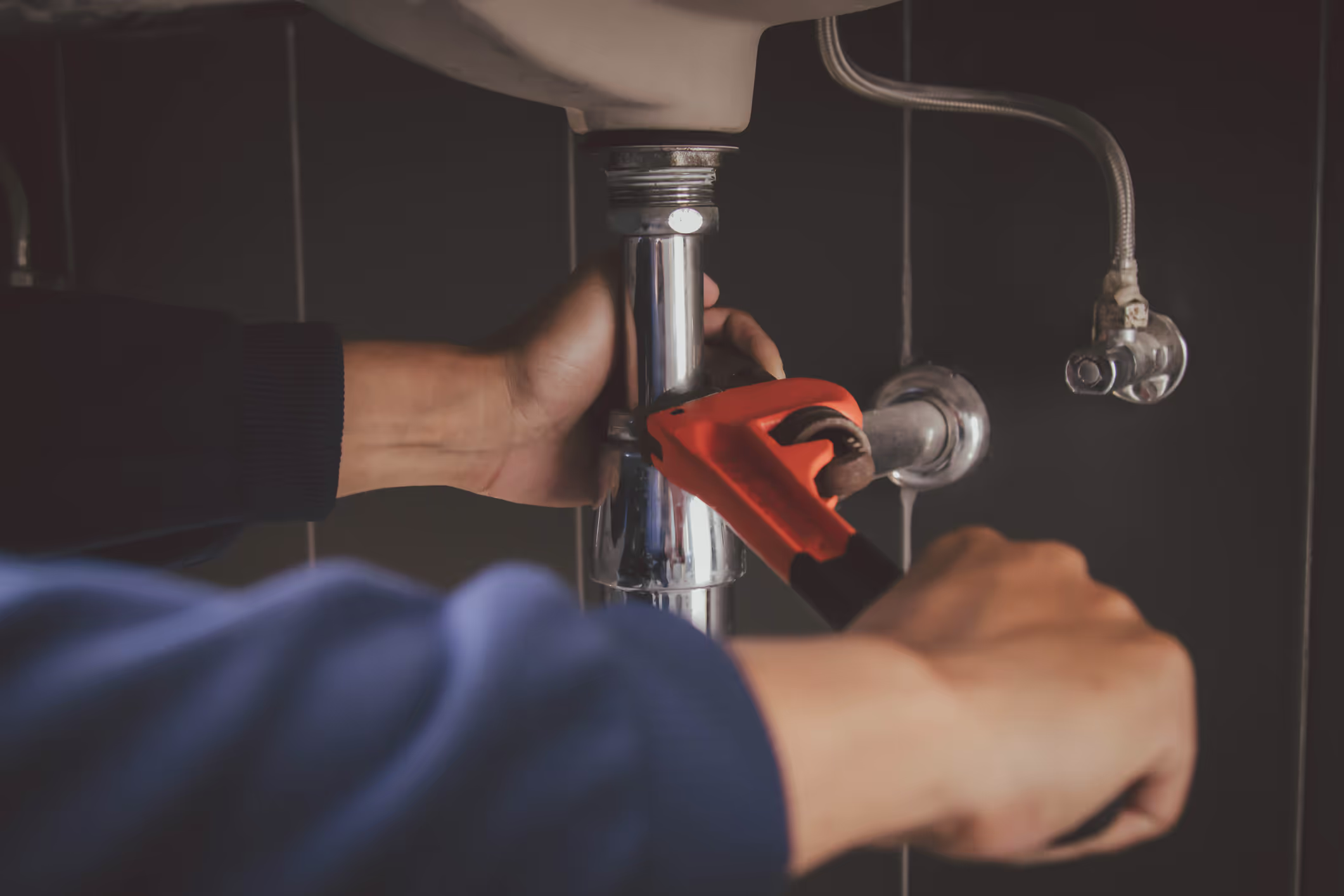
From leaks to full system installs, our plumbing services cover everything you need for a safe, reliable home water system, 24/7.
Our Primary Plumbing Include:
- Water Heater Replacement
- Water Heater Repair
- Trenchless Sewer Line
- Water Filtration
- Slab Leak
- Sewer Line Repair
Don't see the service you need? Call our Team today!
ELECTRICAL

Our electrical services ensure your home stays safe and powered, from routine fixes to complete system upgrades.
Our Primary Electrical Services Include:
- House Rewiring
- Electrician
- Electric Panel Upgrade
- Electric Panel Replacement
- EV Chargers
- Whole House Generator
Don't see the service you need? Call our Team today!
HEATING
.jpg)
We install, repair, and maintain heating & furnace systems with expert care to keep your Colorado home comfortable and energy-efficient year-round.
Our Primary Heating Services Include:
- Heating Installation
- Heating Replacement
- Heating Maintenance
- Heating Repair
- Heating Service
- Heating Tune-Up
Don't see the service you need? Call our Team today!