Why the Standard Efficiency vs High Efficiency AC Comparison Matters for Your Home and Energy Bills
When making a standard efficiency vs high efficiency AC comparison, here is what you need to know at a glance:
• SEER2 Rating — Standard Efficiency: 13–15 SEER2 — High Efficiency: 16+ SEER2 (up to 25+)
• Compressor Type — Standard Efficiency: Single-stage (on/off) — High Efficiency: Two-stage or variable-speed
• Fan Motor — Standard Efficiency: PSC motor — High Efficiency: ECM motor
• Humidity Control — Standard Efficiency: Basic — High Efficiency: Superior
• Energy Savings — Standard Efficiency: Baseline — High Efficiency: Up to 40–50% less than older low-SEER units
• Noise Levels — Standard Efficiency: 72–76 decibels — High Efficiency: As low as 58 decibels
• ENERGY STAR Eligible — Standard Efficiency: Sometimes — High Efficiency: Yes, at 15 SEER2+
• Best For — Standard Efficiency: Mild climates, short-term owners — High Efficiency: Hot/humid climates, long-term owners
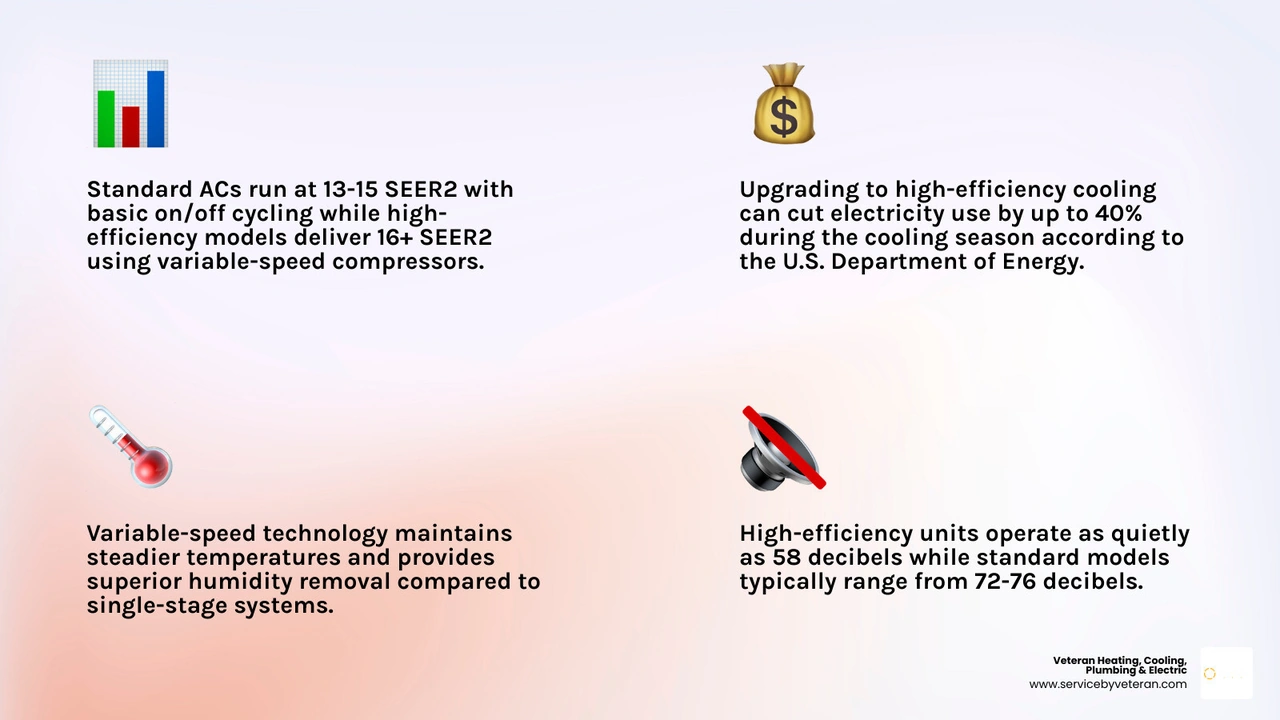
Not all air conditioners are built the same — and the difference between a standard-efficiency and a high-efficiency system goes well beyond a number on a label. Standard units typically run at 13–15 SEER2, cycling fully on and off to meet your cooling needs. High-efficiency units operate at 16 SEER2 or higher, using advanced variable-speed technology to adjust output continuously, which means steadier temperatures, better humidity control, and lower monthly energy use. According to the U.S. Department of Energy, upgrading to a more efficient air conditioner can reduce cooling-season electricity use by up to 40% — a meaningful difference for any homeowner watching their utility bills climb through a Denver summer.
I'm Mike Townsend, a U.S. Army veteran whose military career included managing precision cooling systems for heat-seeking missile heads — experience that gave me a deep, hands-on understanding of how efficiency and reliability intersect in any cooling system. That same discipline now shapes how our team at Veteran Heating, Cooling, Plumbing & Electric guides Denver-area homeowners through every standard efficiency vs high efficiency AC comparison, so you can make the choice that truly fits your home, budget, and long-term comfort goals.
Standard Efficiency vs High Efficiency AC Comparison: The Core Differences
The main difference is simple: standard-efficiency ACs cool your home, while high-efficiency ACs cool your home with more control and less wasted energy.
Standard systems usually rely on basic on/off operation. High-efficiency systems use more advanced components that can ramp up or down based on what your home actually needs. That sounds technical, but the real-life effect is easy to feel: fewer temperature swings, quieter operation, and better moisture removal.
• Typical SEER2 range — Standard Efficiency AC: 13-15 — High-Efficiency AC: 16+
• Cooling style — Standard Efficiency AC: Single-stage — High-Efficiency AC: Two-stage or variable-speed
• Motor type — Standard Efficiency AC: PSC — High-Efficiency AC: ECM
• Runtime — Standard Efficiency AC: Shorter, harder cycles — High-Efficiency AC: Longer, lower-speed cycles
• Comfort — Standard Efficiency AC: More temperature swings — High-Efficiency AC: More even temperatures
• Humidity control — Standard Efficiency AC: Basic — High-Efficiency AC: Better
• Noise — Standard Efficiency AC: Louder start/stop cycles — High-Efficiency AC: Quieter overall
• Best fit — Standard Efficiency AC: Lower usage homes — High-Efficiency AC: Higher usage and comfort-focused homes
What standard efficiency AC usually means
A standard-efficiency AC typically falls in the 13-15 SEER2 range. These units are usually single-stage, meaning they are either fully on or fully off. There is not much middle ground.
That design keeps things simpler, and simple can be a good thing in the right situation. Standard systems often make sense for:
• Smaller homes
• Homes with lighter cooling demands
• Homeowners who may not stay in the house long term
• Properties where the duct system or insulation still needs improvement first
The tradeoff is that single-stage systems tend to cycle more abruptly. You may notice the house gets a little warm, then suddenly cool, then warm again. It is a bit like driving in stop-and-go traffic instead of cruising.
What high-efficiency AC usually means
A high-efficiency AC usually starts at 16 SEER2 and goes up from there. Premium systems may reach 20 SEER2 or higher. These units often include:
• Two-stage or variable-speed compressors
• ECM blower motors
• Smart thermostat compatibility
• Communicating controls
• Better support for zoning and enhanced airflow control
Variable-speed technology is the star here. Instead of blasting at full power every time, the system can run at lower levels for longer periods. Research shows variable-speed technology can reduce energy use by up to 30% or more under part-load conditions, which matters because AC systems spend much of their lives running below full capacity.
The real-world standard efficiency vs high efficiency AC comparison homeowners care about
Most homeowners are not asking, "Which unit has the fancier motor?" They are asking:
• Will it lower my utility bills?
• Will my upstairs finally feel comfortable?
• Will it sound like a jet engine every time it starts?
• Will it help with dry or uneven indoor comfort?
In the real world, high-efficiency units usually win on comfort and energy use. Standard systems may still be the better fit if your cooling demand is modest or you need a more basic replacement. But if you want better temperature consistency, quieter operation, and stronger long-term value, high-efficiency equipment often pulls ahead.
How SEER and SEER2 Ratings Work
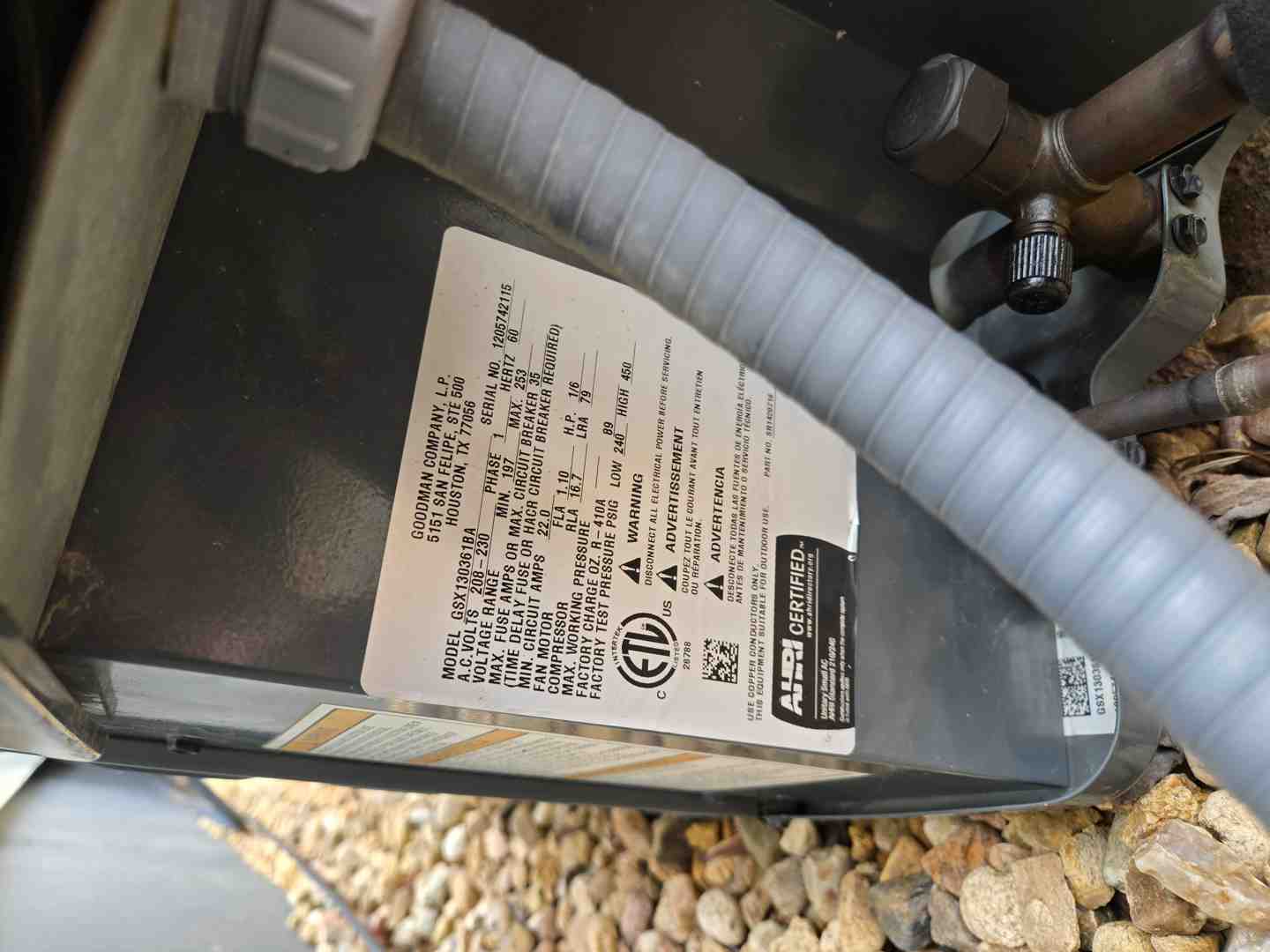
SEER stands for Seasonal Energy Efficiency Ratio. SEER2 is the updated version used today. Both measure how efficiently an air conditioner cools over an entire season. Higher numbers mean less electricity used for the same amount of cooling.
Think of SEER2 like a miles-per-gallon rating for cooling. It does not tell you everything, but it gives you a strong starting point when comparing systems.
SEER vs SEER2: what changed and why it matters
SEER2 became the standard in 2023. The newer test better reflects real-world conditions, especially the static pressure created by modern ductwork. Because of that, the same equipment may show a lower SEER2 number than its old SEER number, even if the actual system did not suddenly get worse.
That is why comparing old SEER numbers to new SEER2 numbers can get confusing fast. The key takeaway is this:
• SEER was the old test
• SEER2 is the current, more realistic test
• Higher SEER2 still means better efficiency
EER2 is another metric you may see. It measures efficiency at a specific high-load condition, which can be useful in very hot weather. For most homeowners, SEER2 is the main comparison tool.
What is a good SEER2 rating in 2026?
In 2026, a good SEER2 rating depends on your home, usage, and expectations.
A practical rule of thumb:
• 14-15 SEER2: baseline to standard efficiency
• 16-17 SEER2: good efficiency for many homeowners
• 18 SEER2: very good efficiency with noticeable gains
• 20 SEER2 and up: premium efficiency
Research shows an 18 SEER2 unit is about 20% more efficient than a 14 SEER2 unit. A 20 SEER2 unit is about 43% more efficient than a 14 SEER2 unit. Also, current DOE guidance requires at least 15 SEER to earn the ENERGY STAR label, so that is another useful benchmark when shopping.
standard efficiency vs high efficiency ac comparison by rating level
Here is a simple way to think about rating tiers:
• 14 SEER2: basic modern efficiency
• 16 SEER2: clear step up in operating efficiency
• 18 SEER2: stronger long-term savings and comfort
• 20 SEER2: best for heavy cooling demand and premium comfort goals
If you are replacing a much older unit, the savings gap can be dramatic. Upgrading from a SEER 10 system to a SEER 20 system can cut cooling costs by nearly 50%. That does not mean every household will see the exact same result, but it shows how much older equipment can lag behind.
Performance, Comfort, and Energy Use Over Time
Efficiency is not just about lab numbers. It affects how your house feels in July, how often your AC starts and stops, and how much electricity it uses year after year.
Upfront tradeoffs versus long-term energy savings
We are not going to talk specific pricing, because every home is different. But the decision is still about balance: more efficient equipment usually requires a bigger initial investment, while offering better long-term operating savings.
High-efficiency AC often makes the most sense when:
• Your current unit is very old or low-SEER
• You expect to stay in your home for years
• Your AC runs heavily each summer
• You value quieter operation and better comfort
• Your current system has a growing repair history
If you are replacing an older 10 SEER system, the efficiency jump can be significant. Research also shows newer efficient air conditioners can reduce cooling-season electricity use by up to 40%.
Advanced features found in high-efficiency units
High-efficiency systems often include more than a higher rating sticker. Common upgrades include:
• Variable-speed compressors
• Two-stage cooling
• ECM blower motors
• Smart thermostat integration
• Communicating controls
• Zoning compatibility
• Better filtration support
ECM motors are especially important. They use about 60% less electricity than standard PSC motors when running at lower speeds. That helps explain why better systems are not just more efficient at peak operation, but often smarter during everyday operation too.
Smart thermostats can also help maximize efficiency. In many homes, better scheduling, learning features, and occupancy-based adjustments can reduce HVAC energy use even further.
Why climate and humidity change the value of efficiency
Climate matters a lot in any standard efficiency vs high efficiency AC comparison.
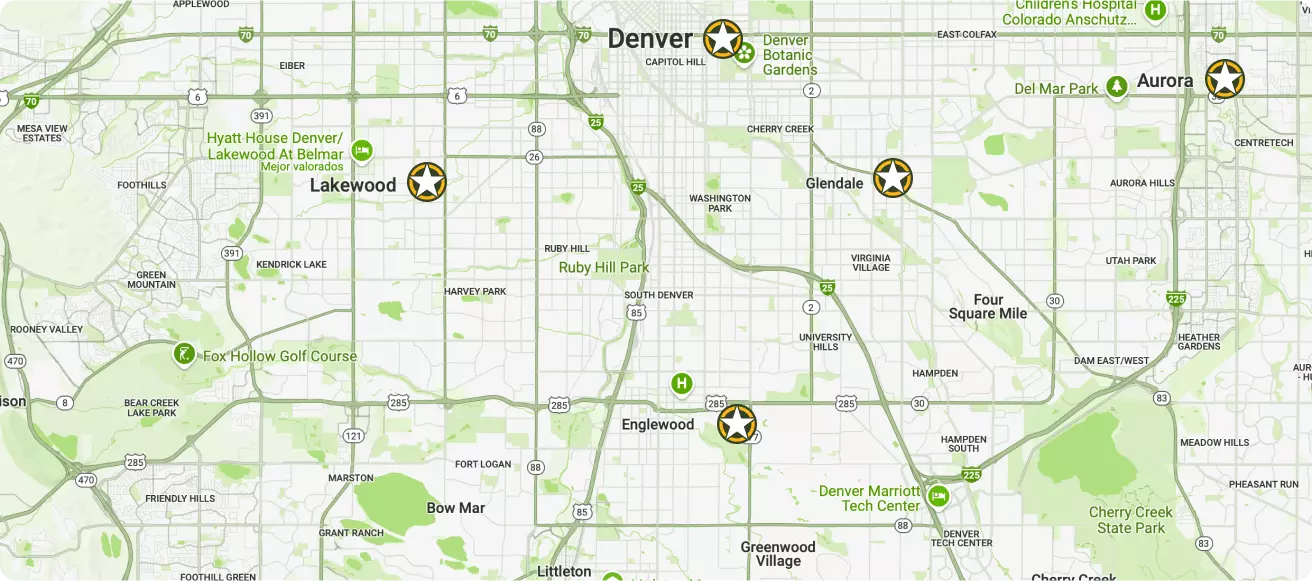
For homeowners in Denver, Greenwood Village, Arvada, Aurora, Broomfield, Castle Rock, Centennial, Columbine, Golden, Highlands Ranch, Lakewood, and Littleton, cooling needs are real, but our climate is usually drier than places with heavy summer humidity. That changes the equation.
In hot, humid regions, high-efficiency variable-speed systems often deliver major comfort gains because they run longer and remove more moisture. In the Denver Metro area, humidity control still matters, but not usually to the same degree. Here, high-efficiency systems often earn their value through:
• Better comfort during hot afternoons
• Quieter operation
• Lower energy use over long summers
• More even cooling in multi-level homes
• Better performance during shoulder seasons
That said, if your home has large west-facing windows, poor insulation, high ceilings, or temperature imbalance between floors, high-efficiency equipment can still be a big comfort upgrade.
Environmental benefits of a high-efficiency AC
A high-efficiency air conditioner can reduce environmental impact in several ways:
• Lower electricity use
• Lower associated emissions from power generation
• Reduced strain on the grid during summer peaks
• Better use of updated refrigerant platforms in newer equipment
• Longer, gentler operation that may reduce wear-related waste over time
If two systems cool the same home, the one that uses less energy generally leaves a smaller footprint. Choosing ENERGY STAR-qualified equipment can help support that goal as well.
Installation and Maintenance Decide Whether Efficiency Pays Off
A high-efficiency AC installed poorly can perform like an average one. A standard unit installed well can outperform expectations. Installation quality matters more than many homeowners realize.
If you are planning a system upgrade, our HVAC installation team can evaluate the whole picture, not just the box outside. You can also review our AC installation contractor guide for more on what to expect.
Why professional installation matters as much as the equipment
To achieve rated efficiency, the system must be designed and installed correctly. That includes:
• Proper sizing through a Manual J load calculation
• Matched indoor and outdoor components
• Correct refrigerant charge
• Proper airflow
• Static pressure testing
• Duct design and sealing
• Full commissioning after install
Oversizing is one of the most common mistakes. Bigger is not automatically better. An oversized AC can cool the house too quickly, shut off too soon, and fail to deliver the longer cycles that improve comfort and efficiency.
Matched equipment matters too. A high-efficiency outdoor unit paired with older indoor equipment usually will not deliver the rated SEER2 performance.
Maintenance habits that protect rated efficiency
Even the best AC needs upkeep. Routine maintenance helps preserve efficiency, comfort, and lifespan.
Key habits include:
• Replace filters regularly
• Keep outdoor coils clean
• Make sure condensate drains stay clear
• Check blower performance
• Inspect refrigerant levels and electrical components
• Schedule annual professional tune-ups
Skipped maintenance is one of the fastest ways to lose efficiency. If you want to understand why tune-ups matter, read How an AC Tune-Up Prevents Costly Breakdowns and Best Time of Year to Schedule Your AC Tune-Up.
Common mistakes that make a high-efficiency AC underperform
Here are the big ones:
• Oversized equipment
• Leaky ducts
• Dirty filters
• Old or incompatible thermostats
• Mismatched indoor and outdoor components
• Poor airflow
• Skipped maintenance
Duct leakage alone can account for 20-30% of conditioned air loss in a typical U.S. home. In plain English: you might be paying for comfort that ends up in the attic or crawlspace instead of your living room. That is not exactly a winning investment strategy.
For ongoing help, our professional AC service team can keep your system operating the way it was designed to.
Is a High-Efficiency AC Worth It for Your Home?
For many homeowners, yes. But not always.
The right answer depends on how long you plan to stay, how much you use cooling, how well your home is sealed, and how much comfort matters to you.
Signs it may be time to replace your AC include:
• Your system is 10-15 years old or older
• Energy bills keep rising
• Cooling is uneven between rooms or floors
• Repairs are becoming more frequent
• Your system uses outdated refrigerant
• Your home feels clammy or uncomfortable
• Your current unit is noisy or struggling on hot days
When to replace a standard-efficiency AC with a high-efficiency model
A high-efficiency replacement often makes sense when your current system is aging, unreliable, or clearly underperforming. If your AC is older and your comfort has declined, replacement may be smarter than continuing to patch it up.
This is especially true if:
• Your current unit is well past its prime
• Repair frequency is increasing
• You are planning to stay in your home long term
• You want lower energy use and better comfort
• Your home has hot and cold spots that basic equipment has not solved
If you are considering replacement, visit our AC replacement services page or learn more about AC replacement in Denver.
Rebates, tax credits, and incentives to check in 2026
In 2026, some high-efficiency systems may qualify for:
• Federal tax credits
• Utility rebates
• Manufacturer promotions
• ENERGY STAR-related incentives
Eligibility depends on the equipment tier, matching components, and documentation. Rules can change, so it is important to verify current requirements before installation. In many cases, paperwork and model matching matter just as much as the equipment itself.
Who should choose standard efficiency and who should choose high efficiency?
Standard efficiency may be the better fit if:
• You plan to move soon
• Your cooling usage is relatively light
• You are replacing a failed unit in a smaller or lower-demand home
• Your home still needs major envelope or duct improvements first
High efficiency may be the better fit if:
• You expect to stay in the home for years
• You run AC heavily during summer
• You want better comfort and quieter operation
• You have a multi-story home or uneven temperatures
• You value long-term savings over the life of the system
standard efficiency vs high efficiency ac comparison for Denver-area homeowners
In the Denver Metro area, we usually recommend looking beyond SEER2 alone. Homes here vary widely. A newer, well-insulated home in Highlands Ranch may have very different needs than an older home in Lakewood or Littleton with aging ductwork.
For local homeowners, key decision factors include:
• Home size and layout
• Insulation quality
• Window exposure
• Existing duct condition
• How long you plan to stay
• Whether comfort or simplicity is the bigger priority
It is also worth considering whether a heat pump fits your goals, especially if you want efficient cooling plus electric heating capability. We cover that in Heat Pump Benefits for Colorado Homeowners and How Does a Heat Pump Work.
Frequently Asked Questions About Standard Efficiency vs High Efficiency AC Comparison
Does a high-efficiency AC always save enough to justify the upgrade?
No, not always. Savings depend on your cooling habits, the age of the system being replaced, duct condition, installation quality, and how long you will stay in the home.
If your old system is very inefficient and your AC runs a lot, the upgrade is usually easier to justify. If your cooling demand is light and you plan to move soon, a standard system may make more sense.
Do high-efficiency air conditioners need more maintenance?
Not necessarily more frequent maintenance, but they do benefit from professional service. High-efficiency systems often include more advanced electronics, sensors, and variable-speed components. The service schedule is still generally annual, but proper maintenance is even more important if you want the system to deliver its rated performance.
Can I pair a new high-efficiency outdoor unit with older indoor equipment?
Usually, that is not the best idea. To achieve the advertised SEER2 rating, manufacturers typically require a matched indoor coil and outdoor condenser. Mixing new and old components can reduce efficiency, hurt performance, and create warranty issues.
Conclusion
The best standard efficiency vs high efficiency AC comparison is not just about picking the highest number on a brochure. It is about choosing the system that fits your home, your comfort expectations, and your long-term plans.
For some Denver-area homeowners, a standard-efficiency unit is a practical, reliable choice. For others, a high-efficiency system delivers better comfort, quieter performance, and stronger long-term value. The difference often comes down to proper sizing, installation quality, duct condition, and how much cooling your home really needs.
At Veteran Heating, Cooling, Plumbing & Electric, we help homeowners across the Denver Metro make informed decisions with honest guidance and professional installation. If you are ready to explore your options, visit our air conditioning services page and schedule an appointment today.
ABOUT Veteran Heating, Cooling, Plumbing & Electric
Veteran Heating, Cooling, Plumbing & Electric was founded on the belief that service should be personal, honest, and community-focused. Our team is built around integrity, professionalism, and a true commitment to your home’s comfort and safety.
Led by a U.S. Army veteran with over 30 years of industry experience, we’re proud to remain locally owned and operated. Every technician, plumber, and electrician is EPA-certified, background checked, and driven to exceed expectations.
- 24/7 ServiceWe offer weekend & 24/7 emergency service. We’re here whenever you need us—day, night, or weekend, no exceptions.
- $0 Trip FeesNo dispatch or trip fees. You’ll never pay just for us to show up—service starts when the work does.
OUR SERVICES
AIR CONDITIONING
.jpg)
We offer specialty and seasonal services like indoor air quality upgrades, pre-winter furnace checks, and summer AC tune-ups to keep your home prepared year-round.
Our Primary Air Conditioning Services Include:
Don't see the service you need? Call our Team today!
PLUMBING
From leaks to full system installs, our plumbing services cover everything you need for a safe, reliable home water system, 24/7.
Our Primary Plumbing Include:
- Water Heater Replacement
- Water Heater Repair
- Trenchless Sewer Line
- Water Filtration
- Slab Leak
- Sewer Line Repair
Don't see the service you need? Call our Team today!
ELECTRICAL

Our electrical services ensure your home stays safe and powered, from routine fixes to complete system upgrades.
Our Primary Electrical Services Include:
- House Rewiring
- Electrician
- Electric Panel Upgrade
- Electric Panel Replacement
- EV Chargers
- Whole House Generator
Don't see the service you need? Call our Team today!
HEATING
.jpg)
We install, repair, and maintain heating & furnace systems with expert care to keep your Colorado home comfortable and energy-efficient year-round.
Our Primary Heating Services Include:
- Heating Installation
- Heating Replacement
- Heating Maintenance
- Heating Repair
- Heating Service
- Heating Tune-Up
Don't see the service you need? Call our Team today!