What the Trenchless Sewer Repair Process Actually Looks Like for Denver Homeowners
Understanding the trenchless sewer repair process what to expect can save you a lot of stress before the crew ever shows up at your door. Here is a quick overview:
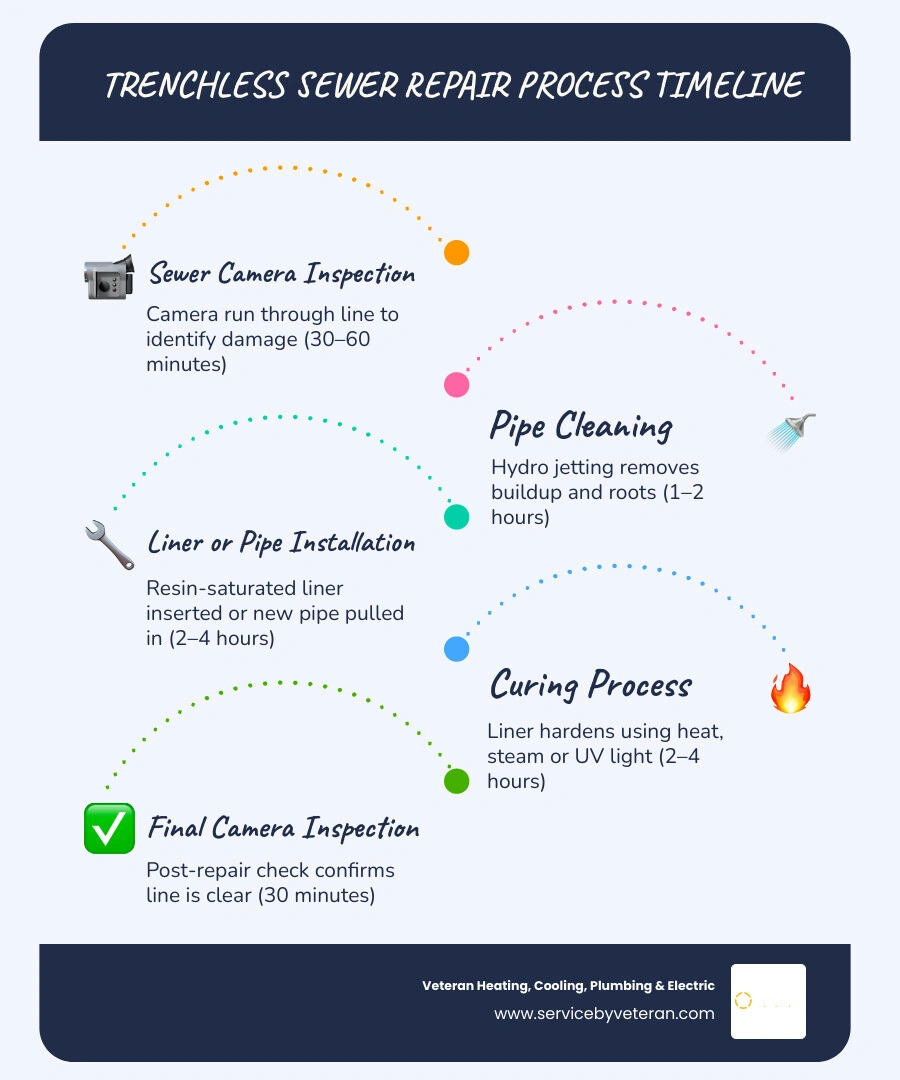
The trenchless sewer repair process — step by step:
1. Sewer camera inspection — A camera is run through the line to identify the damage (30–60 minutes)
2. Pipe cleaning — Hydro jetting or mechanical cleaning removes buildup and roots (1–2 hours)
3. Measuring and planning — The crew determines the repair method and liner size (included in prep)
4. Liner or pipe installation — A resin-saturated liner (CIPP) is inserted, or a bursting head pulls in a new pipe (2–4 hours)
5. Curing — The liner hardens into a new, jointless pipe using heat, steam, or UV light (2–4 hours)
6. Final camera inspection — A post-repair camera confirms the repair is complete and the line is clear (30 minutes)
Total time: Most trenchless sewer repairs are completed in a single day — roughly 6–10 hours from start to finish.
Most Denver homeowners hear "sewer repair" and immediately picture their yard torn apart, their driveway cracked open, and a week of disruption. That used to be the reality. Traditional sewer repair often stretched over three to five days or longer, involving heavy excavation, pipe removal, backfilling, and costly property restoration. Trenchless technology changed that entirely. Instead of digging a long trench across your property, technicians work through small access points to repair or replace the damaged pipe from the inside — leaving your lawn, driveway, and landscaping almost completely untouched. New pipe materials installed this way can last up to 50 years, making it a long-term fix, not just a patch.
I'm Mike Townsend, a U.S. Army veteran and the leader behind Veteran Heating, Cooling, Plumbing & Electric, and my team has guided countless Denver Metro homeowners through the trenchless sewer repair process, what to expect, and how to make smart decisions without the guesswork. In the sections below, we'll walk you through every phase of the process so you know exactly what's happening on your property and why.
Trenchless Sewer Repair Process: What to Expect vs. Traditional Digging
When you are faced with a broken, cracked, or root-infested sewer line, the classic dilemma is choosing how to fix it. Understanding the difference between traditional excavation and modern Trenchless Sewer Line Repair is the first step toward reclaiming your peace of mind.
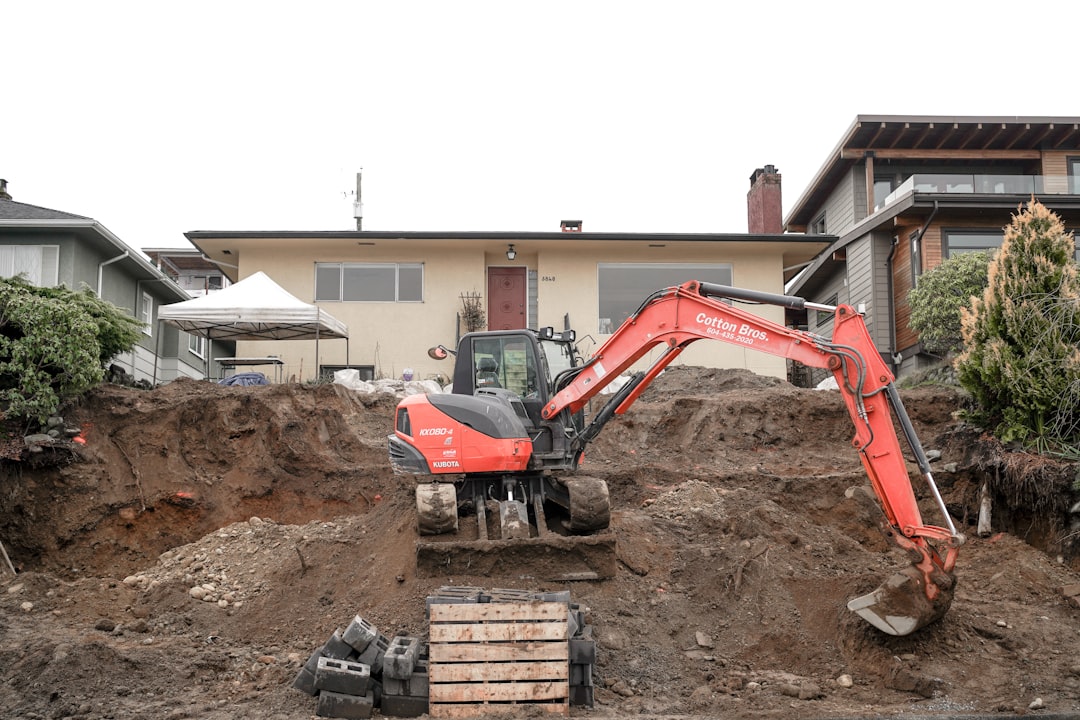
Traditional sewer replacement is a massive undertaking. It requires heavy machinery, backhoes, and a team of workers digging a deep, continuous trench straight through your property to expose the old pipe. If your sewer line runs under a manicured lawn, an expensive concrete driveway, a stone patio, or a mature tree, all of those features must be torn up. Once the pipe is replaced, you are left with a massive pile of dirt, a scarred yard, and the looming headache of paying to rebuild your landscaping.
In contrast, Trenchless Sewer Line Repair Denver homes benefit from is designed to bypass the destruction. Instead of a long trench, technicians only need one or two small access pits, usually about four feet square, at the entry and exit points of the pipe. All the work happens entirely underground, leaving your driveway, lawn, and sanity intact.
Signs Your Denver Home Needs Sewer Line Repair
Sewer line problems rarely happen overnight; they drop hints before a total failure occurs. Recognizing these early warning signs can save you from an emergency backup:
• Multiple Slow Drains: If only one sink is slow, it is likely a local clog. If your toilets, showers, and laundry drains are all sluggish simultaneously, the issue is down in the main sewer lateral.
• Persistent Sewer Odors: A healthy sewer system is completely sealed. If you smell sewer gas inside your home or near your yard, there is a breach in the line.
• Soggy, Extra-Green Patches of Grass: Is there a specific spot in your yard that is suspiciously lush, green, or constantly wet, even during dry Colorado weeks? Leaking sewage acts as an unwanted fertilizer.
• Frequent Clogs and Backups: If you find yourself snaking your drains every few months just to keep them flowing, you are likely dealing with structural damage or tree root intrusion.
If you are experiencing these issues, checking out a comprehensive Sewer Line Repair Denver Guide can help you understand the structural health of your home's waste system.
Preparing Your Denver Home: Trenchless Sewer Repair Process What to Expect
Before our team begins the physical work of repairing your sewer line, a few crucial preparation steps must occur to ensure safety and efficiency:
1. Utility Locating (811 Call): Even though we aren't digging a massive trench, we still must dig small access pits. We always coordinate with local utilities to mark gas, water, and electrical lines before any shovels hit the dirt.
2. Water Shutdown: During the active hours of the repair, you will need to refrain from running water, flushing toilets, or using washing machines. Because the sewer line is being worked on, any water sent down the drains will disrupt the process.
3. Property Protection: We lay down protective tarps and set up clean work zones to keep your yard as pristine as possible.
Whether you need a Sewer Camera Inspection Castle Rock or live further north and require a Sewer Camera Inspection Highlands Ranch, our local crews ensure your property is treated with the utmost respect and care from start to finish.
Choosing the Right Method: Pipe Lining (CIPP) vs. Pipe Bursting
No two sewer lines break in the exact same way. Depending on the material of your pipe, the type of damage, and the layout of your property, we will recommend one of two primary trenchless methods: Cured-in-Place Pipe (CIPP) lining or pipe bursting.
• Primary Mechanism — Pipe Lining (CIPP): Inserts a resin-saturated liner inside the old pipe — Pipe Bursting: Pulls a bursting head to shatter old pipe and pull in a new one
• Access Points Needed — Pipe Lining (CIPP): Usually just one access point or existing cleanout — Pipe Bursting: Requires two small access pits (entry and exit)
• Diameter Impact — Pipe Lining (CIPP): Reduces the inside diameter by about 1/4 inch — Pipe Bursting: Maintains or can even increase the pipe diameter
• Best Used For — Pipe Lining (CIPP): Cracked, corroded, or root-damaged but structurally stable pipes — Pipe Bursting: Collapsed, heavily deformed, or severely broken pipes
• New Material — Pipe Lining (CIPP): Epoxy resin structural liner — Pipe Bursting: High-Density Polyethylene (HDPE) pipe
• Expected Lifespan — Pipe Lining (CIPP): Up to 50 years — Pipe Bursting: Up to 50 years
Cured-in-Place Pipe (CIPP) Lining
Cured-in-Place Pipe lining, often called CIPP or epoxy pipe lining, is essentially creating a "pipe within a pipe." It is an incredibly elegant solution for lines that have cracked, corroded, or suffered root intrusion but still maintain their overall structural shape.
During this process, a flexible felt liner saturated with high-grade epoxy resin is blown or pulled into the existing sewer line. Once in place, an internal bladder is inflated, pressing the wet resin firmly against the inner walls of the host pipe. The resin is then cured using hot water, steam, or UV light, hardening into a smooth, jointless, and incredibly durable structural pipe.
Although CIPP reduces the internal diameter of your pipe by about 1/4 inch, the ultra-smooth interior surface of the epoxy actually improves flow efficiency, preventing future clogs. If you prefer information in Spanish, you can read more about how this works on our Trenchless Sewer Line (Spanish) service page.
Pipe Bursting for Severely Damaged Lines
What happens if your sewer pipe is completely collapsed, severely deformed, or broken into pieces? In these scenarios, CIPP lining is not suitable because there is no structural host pipe left to support the liner. This is where pipe bursting shines.
Pipe bursting is a replacement method rather than a repair. We dig two small access pits at either end of the damaged pipe segment. A heavy steel cable is threaded through the old pipe, attached to a cone-shaped bursting head. As a powerful hydraulic machine pulls the bursting head through the line, it physically shatters the old, damaged pipe (whether it is clay, cast iron, or Orangeburg) and pushes the fragments outward into the surrounding soil.
Simultaneously, the bursting head pulls a brand-new, seamless High-Density Polyethylene (HDPE) pipe into place behind it. You are left with a completely new, full-diameter sewer line without ever having to dig up your yard.
The Step-by-Step Trenchless Sewer Repair Timeline
One of the biggest advantages of trenchless technology is how quickly it can be completed. While traditional digging can turn your home into a noisy construction zone for a week, trenchless repairs are typically completed in just one day, with active work taking between 6 and 10 hours.
However, several factors can affect this timeline:
• Severity of Blockages: If the pipe is heavily impacted by thick tree roots or hardened scale, cleaning it thoroughly before lining can take extra time.
• Pipe Length and Access: Longer sewer runs or pipes with complex bends require careful planning and setup.
• Weather Conditions: While trenchless work is mostly underground, extreme Colorado winter weather can occasionally slow down surface setup.
Step-by-Step: The Trenchless Sewer Repair Process and What to Expect
To help you visualize exactly how a typical day of trenchless sewer repair unfolds, let’s break down the steps our crew takes:
Step 1: Sewer Camera Inspection
We never guess what is happening underground. We begin by inserting a high-resolution, waterproof camera into your sewer line. This allows us to see the exact location, nature, and severity of the damage. We can perform a detailed Sewer Camera Inspection Denver to map out your line and verify if it is a candidate for trenchless repair.
Step 2: Hydro Jetting and Pipe Cleaning
Before any repair material is introduced, the pipe must be clean. We use hydro jetting—blasting high-pressure water through the line—to scour away decades of grease buildup, scale, and stubborn tree roots. This leaves a clean, bare surface so the epoxy resin can bond perfectly to the host pipe.
Step 3: Measuring and Liner Insertion
For CIPP, we measure the precise length of the pipe segment that needs repair. We saturate the felt liner with epoxy resin, insert it into the pipe, and inflate it to fit the contours of your existing line.
Step 4: Curing
The resin must cure to become structurally sound. Depending on the system used, we run steam or hot water through the bladder to accelerate the chemical hardening process. This typically takes 2 to 4 hours.
Step 5: Final Camera Inspection and Reinstatement
Once the pipe is cured or the new HDPE pipe is pulled through, we run our sewer camera down the line one last time. This final check ensures the new pipe is completely seamless, free of defects, and ready for decades of service. If there are any branch lines (like a connection from a secondary drain) that were covered during the lining process, we use a robotic cutter to precisely reopen them.
We provide this seamless, step-by-step service across the entire Denver Metro area, whether you need a Sewer Camera Inspection Aurora or a Sewer Camera Inspection Littleton.
Limitations: When Trenchless Repair is Not Suitable
While we love trenchless technology for its efficiency and minimal disruption, as an honest, veteran-led company, we must tell you that it is not a magic wand for every single sewer line. There are situations where traditional excavation is still the only viable option:
• Severely Misaligned or Back-Pitched Pipes: If your sewer pipe has sagged significantly due to soil shifting (creating a "belly" in the line), lining or bursting will not fix the slope. Water relies on gravity to flow; a bellied pipe must be physically dug up and graded correctly.
• Complete Pipe Collapse: If a section of the pipe has completely collapsed into a pile of dirt and debris, a camera cannot pass, and there is no pathway to pull a bursting head or insert a liner.
• Utility Conflicts: If other utility lines (like gas or water) were accidentally bored directly through your sewer line years ago, we must excavate to safely separate and repair the utilities.
Frequently Asked Questions About Trenchless Sewer Repair
How long does a trenchless sewer repair last?
New pipe materials installed via trenchless methods—whether it is the epoxy resin used in CIPP lining or the High-Density Polyethylene (HDPE) used in pipe bursting—are designed to last up to 50 years. Because these materials are seamless and jointless, they are completely immune to root intrusion (which typically sneaks in through pipe joints) and are highly resistant to chemical corrosion and rust.
Will trenchless sewer repair ruin my landscaping or driveway?
No! Preserving your landscaping, patios, and driveways is the primary reason homeowners choose trenchless methods. Instead of a long trench cutting across your property, we only need small access pits. Once the job is completed, these pits are backfilled, and the small patches of grass or concrete are easily restored, leaving your property looking just like it did before we arrived.
Are permits and inspections required for trenchless repairs in Colorado?
Yes, local municipal building departments in Colorado require permits and inspections for sewer line repairs and replacements. This ensures that the work complies with local plumbing codes and is safe for the community's municipal sewer system.
Our team handles the entire permitting and inspection process for you. Whether you require a Sewer Camera Inspection Golden or a Sewer Camera Inspection Broomfield, we secure the proper permits and coordinate the final municipal inspection. For our Spanish-speaking neighbors, we also offer a Sewer Camera Inspection (Spanish) resource to explain our verification processes clearly.
Conclusion
Sewer line problems can feel overwhelming, but the trenchless sewer repair process what to expect does not have to be a mystery. By choosing trenchless technology, you can protect your yard, avoid massive restoration bills, and get your home's plumbing back up and running in a single day.
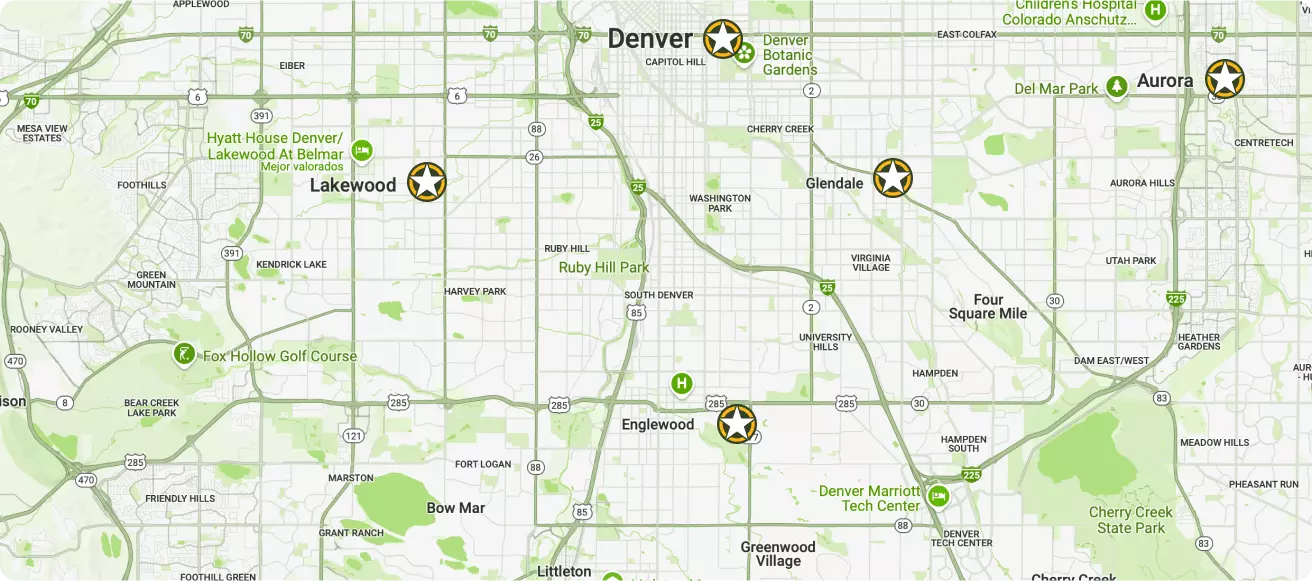
At Veteran Heating, Cooling, Plumbing & Electric, we bring military precision, absolute honesty, and over 30 years of industry experience to every job we tackle. As a veteran-owned, locally operated company serving the entire Denver Metro area—including Arvada, Aurora, Broomfield, Castle Rock, Centennial, Columbine, Golden, Highlands Ranch, Lakewood, and Littleton—we stand behind our work with a lifetime warranty on parts and labor, alongside a satisfaction guarantee.
If you suspect your sewer line is failing, do not wait for a messy backup to disrupt your life. Contact us today to schedule an expert diagnostic inspection and find out if Trenchless Sewer Line Repair is the right fit for your home. We are here to serve you with the integrity and quality you deserve.
ABOUT Veteran Heating, Cooling, Plumbing & Electric
Veteran Heating, Cooling, Plumbing & Electric was founded on the belief that service should be personal, honest, and community-focused. Our team is built around integrity, professionalism, and a true commitment to your home’s comfort and safety.
Led by a U.S. Army veteran with over 30 years of industry experience, we’re proud to remain locally owned and operated. Every technician, plumber, and electrician is EPA-certified, background checked, and driven to exceed expectations.
- 24/7 ServiceWe offer weekend & 24/7 emergency service. We’re here whenever you need us—day, night, or weekend, no exceptions.
- $0 Trip FeesNo dispatch or trip fees. You’ll never pay just for us to show up—service starts when the work does.
OUR SERVICES
AIR CONDITIONING
.jpg)
We offer specialty and seasonal services like indoor air quality upgrades, pre-winter furnace checks, and summer AC tune-ups to keep your home prepared year-round.
Our Primary Air Conditioning Services Include:
Don't see the service you need? Call our Team today!
PLUMBING
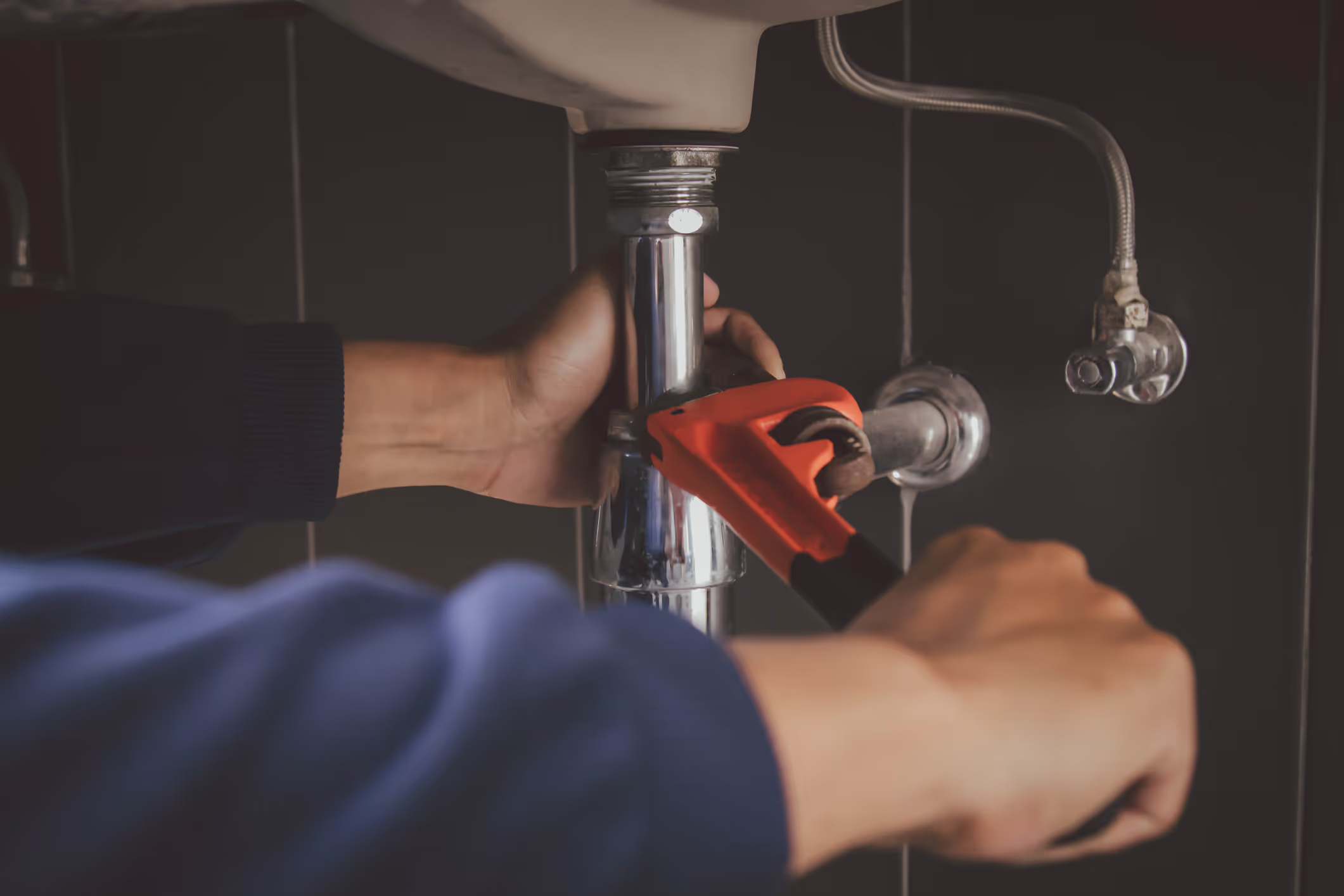
From leaks to full system installs, our plumbing services cover everything you need for a safe, reliable home water system, 24/7.
Our Primary Plumbing Include:
- Water Heater Replacement
- Water Heater Repair
- Trenchless Sewer Line
- Water Filtration
- Slab Leak
- Sewer Line Repair
Don't see the service you need? Call our Team today!
ELECTRICAL

Our electrical services ensure your home stays safe and powered, from routine fixes to complete system upgrades.
Our Primary Electrical Services Include:
- House Rewiring
- Electrician
- Electric Panel Upgrade
- Electric Panel Replacement
- EV Chargers
- Whole House Generator
Don't see the service you need? Call our Team today!
HEATING
.jpg)
We install, repair, and maintain heating & furnace systems with expert care to keep your Colorado home comfortable and energy-efficient year-round.
Our Primary Heating Services Include:
- Heating Installation
- Heating Replacement
- Heating Maintenance
- Heating Repair
- Heating Service
- Heating Tune-Up
Don't see the service you need? Call our Team today!