Why Every Homeowner Needs to Know About Emergency Heating Repair
Emergency heating repair is crucial when your heating system fails in the cold, posing risks like freezing temperatures, burst pipes, and health hazards. Here's what you need to know.
When to Call for Emergency Heating Repair:
• No heat as temperatures drop below freezing
• Gas smell or burning odors (evacuate immediately)
• Carbon monoxide detector is alarming
• Yellow pilot light instead of blue
• Complete system failure with vulnerable people present
• Strange noises like banging, scraping, or screaming
Immediate Steps Before Help Arrives:
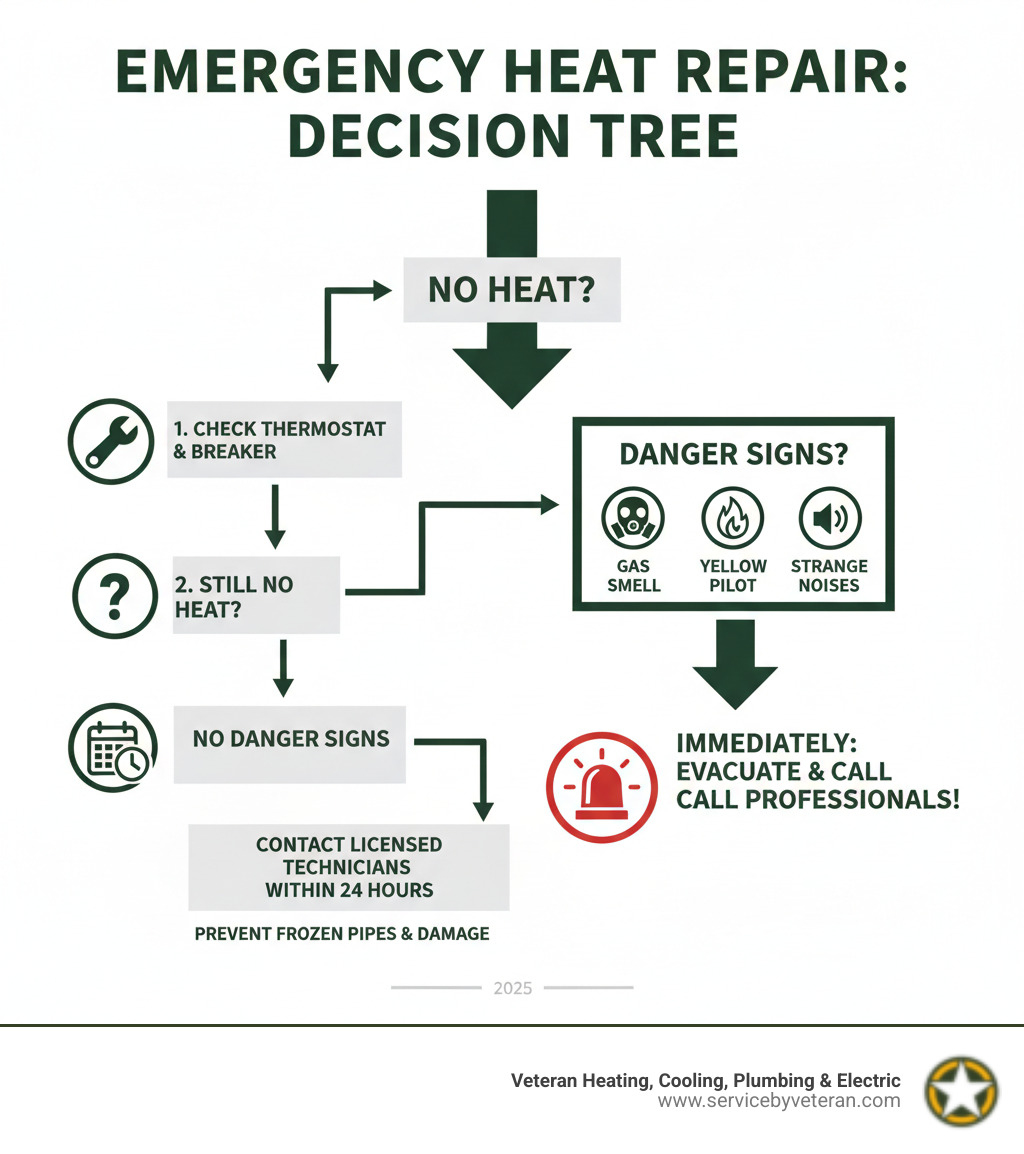
1. Check your thermostat settings.
2. Verify the furnace switch is on.
3. Inspect your circuit breaker.
4. If you smell gas, evacuate and call 911.
When temperatures drop below freezing, a heating system failure is more than an inconvenience—it's a safety hazard. Breakdowns are most common during the coldest months when your system works hardest.
The dangers of delaying repairs are significant. Frozen pipes can burst, causing thousands in water damage. Vulnerable family members, like children and the elderly, face serious health risks like hypothermia. Furthermore, DIY repairs on gas and electrical systems are dangerous.
Professional technicians can safely diagnose and fix any system—furnace, heat pump, boiler, or ductless. They have the tools and parts to restore heat quickly, often within 24 hours.
I'm Mike Townsend. My eight years in the U.S. Army managing precision cooling systems taught me the attention to detail we now apply to every emergency heating repair, ensuring the highest standards of safety and reliability.
Must-know emergency heating repair terms:
Is It a True Heating Emergency?
A true emergency heating repair situation is when a system failure creates an immediate risk to your family's safety, your health, or your home. This isn't about being slightly uncomfortable—it's about genuine danger, especially with no heat in winter, freezing temperatures, and vulnerable household members like young children or the elderly.
At Veteran Heating, Cooling, Plumbing & Electric, we understand that when your heating fails on a bitter Colorado night, every minute counts.
Key Questions to Ask Yourself
When your heat stops, ask yourself these questions to gauge the urgency and help our technicians respond effectively.
Is the house temperature dropping rapidly? A fast drop in temperature, especially when it's freezing outside, can lead to frozen pipes and serious discomfort within hours. This needs immediate attention.
Are young children or elderly individuals in the home? Babies and older adults are particularly vulnerable to cold. What's uncomfortable for a healthy adult can be a health crisis for them, as hypothermia can occur indoors.
Is there a smell of gas or burning? If you smell rotten eggs (natural gas) or a strong burning odor, you have an immediate safety risk. Gas leaks can cause explosions, and burning smells may indicate electrical problems. Evacuate and call for help.
Are carbon monoxide detectors going off? If your CO detector alarms, evacuate your home immediately and call 911. Carbon monoxide is an invisible, odorless, and deadly gas.
Is it below freezing outside? A heating failure when it's 15 degrees is dangerous. Your pipes can freeze and burst, and your home's interior can reach unsafe temperatures much faster.
Warning Signs You Can't Ignore
Ignoring your heating system's warning signs can lead to bigger problems, higher costs, and safety hazards.
• Strange noises: Banging, scraping, or high-pitched squealing can indicate a loose fan belt, a failing motor, or damaged blower components.
• Unpleasant odors: A rotten egg smell means a gas leak—evacuate and call for help immediately. A persistent smell of burning plastic or rubber signals a need for emergency heating repair.
• Yellow pilot light: On a gas furnace, a yellow or orange flame indicates incomplete combustion, which produces carbon monoxide. A healthy flame is blue.
• Cold air from vents: If your system blows cold air, it could be a simple filter issue or a dangerous cracked heat exchanger. It requires professional diagnosis.
• System short-cycling: The furnace turning on and off repeatedly without completing a cycle puts stress on components and signals underlying problems.
• Tripped circuit breakers: A breaker that keeps tripping warns of an electrical overload or short circuit, which is a fire hazard.
• Non-responsive thermostat: If fresh batteries don't fix a blank or frozen thermostat, your furnace can't receive the commands it needs to run.
If you're experiencing any of these issues, don't hesitate to contact us. We're here to keep your family safe and warm.
What to Do When Your Heat Fails: First Steps and Major Risks
When your heat fails on a freezing night, don't panic. Before calling for help, try a few safe troubleshooting steps, but always prioritize safety. Knowing the difference between a minor fix and a major problem is key to deciding when to call for emergency heating repair.
Your Immediate Action Plan
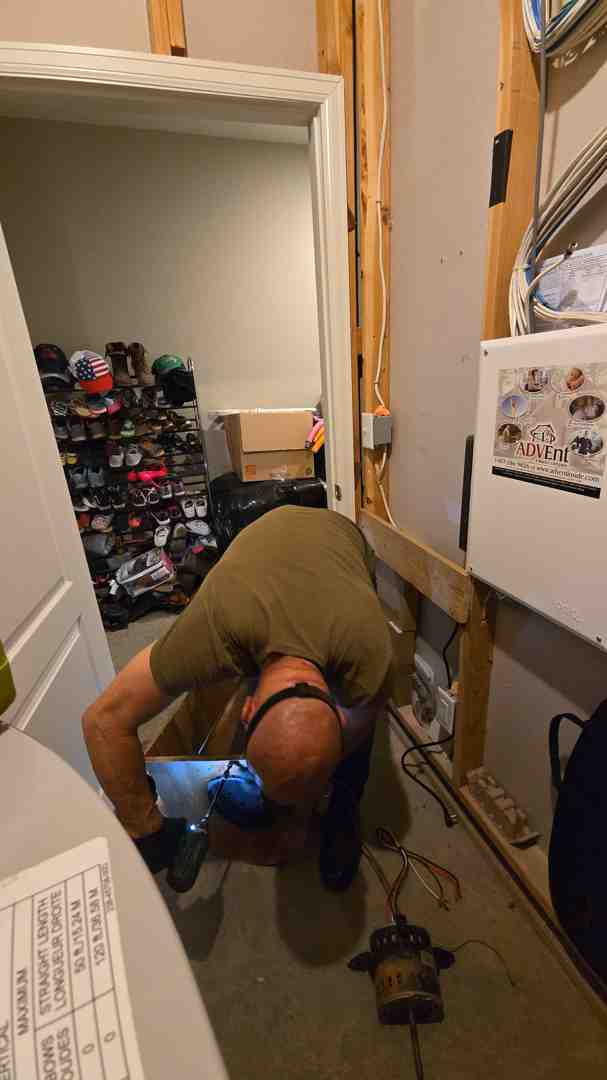
These quick checks are safe for any homeowner and might save you a service call.
• Check your thermostat settings. Make sure it's set to "Heat" and the temperature is higher than the current room temperature. Check the batteries if it's a programmable model.
• Inspect your circuit breaker. Find the breaker for your heating system. If it's tripped, flip it fully to "Off," then back to "On." If it trips again, stop and call a professional, as this indicates a serious electrical problem.
• Find the furnace power switch. Most systems have a power switch on or near the unit that looks like a light switch. Ensure it's in the "On" position.
• Check your air filter. A clogged filter can cause your system to overheat and shut down. If you can't see light through it, it needs to be replaced.
• Verify the gas supply. For gas furnaces, ensure the gas valve lever is parallel to the pipe (in the "On" position). Check if other gas appliances are working to confirm your main supply is on.
If these steps don't work, or if you notice a gas smell, burning odor, or CO alarm, it's time to call for professional help. Our 24 Hour HVAC Repair team is always ready. Contact Us day or night.
The Dangers of Delaying Repairs
Waiting to see if a heating problem resolves itself is a gamble that rarely pays off. Delaying repairs, especially in cold weather, can lead to severe consequences.
• Frozen pipes: This is the biggest risk. When water in your pipes freezes, it expands and can burst the pipe, leading to thousands of dollars in water damage once the ice thaws.
• Health risks: Low indoor temperatures can cause hypothermia, which can be fatal. Children, the elderly, and those with chronic health conditions are especially vulnerable.
• Structural damage: Beyond burst pipes, extreme cold can warp wood floors, crack drywall, and even affect your home's foundation.
• Small problems become big problems: Ignoring a minor issue forces other parts to work harder, which can turn a simple, affordable repair into a complete and costly system failure.
• Carbon monoxide poisoning: A malfunctioning furnace, especially one with a cracked heat exchanger, can leak deadly, odorless carbon monoxide into your home. Delaying repairs on a faulty system puts your family at risk.
We believe emergency heating repair should be fast and honest. When your heat fails, waiting isn't worth the risk.
What to Expect from Professional Emergency Heating Repair
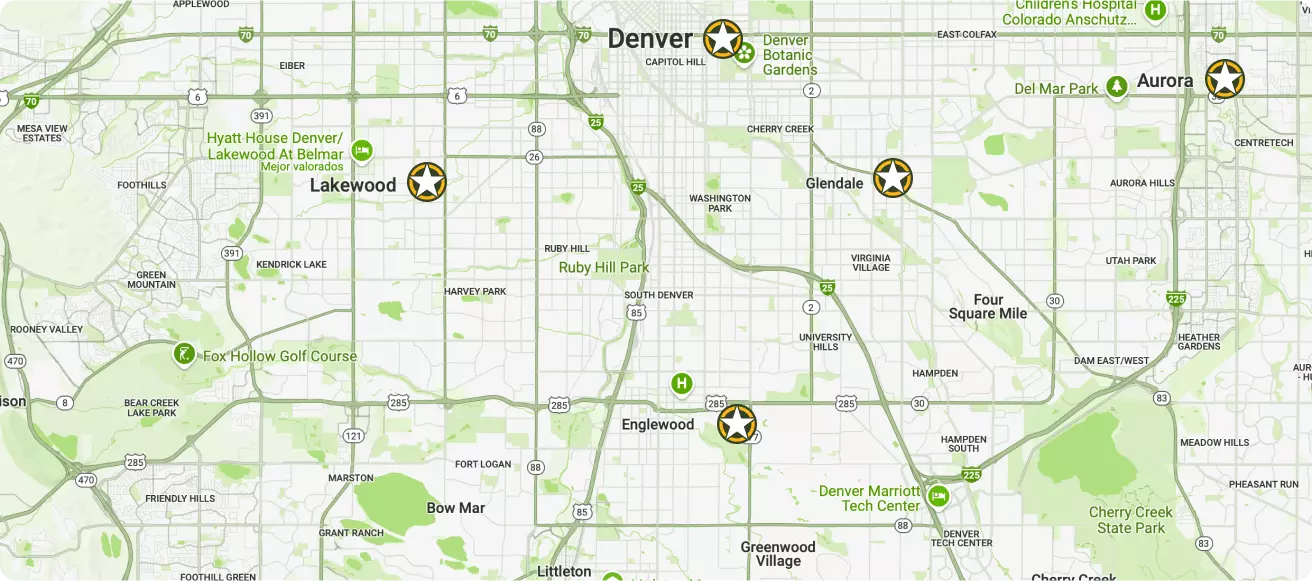
When your heat fails, you need a fast, reliable team. We offer 24/7 emergency heating repair to restore your heat and your peace of mind. We serve Denver, Lakewood, Littleton, Aurora, Westminster, and surrounding communities.
Our licensed, NATE-certified technicians arrive in stocked vehicles, ready to diagnose your system. We provide upfront pricing with a clear explanation of the problem before starting any work. Every repair includes a comprehensive safety inspection, and we back our work with a lifetime warranty on parts and labor and a money-back guarantee.
Heating Systems We Service
Our experienced technicians can repair any type of heating system.
• Gas Furnaces: We fix all common issues, including faulty igniters, sensors, and heat exchanger problems. See our Furnace Repair Lakewood page for more.
• Electric & Oil Furnaces: We service electric furnace heating elements and sequencers, as well as oil furnace nozzles and burners.
• Heat Pumps: We are experts in heat pump repair, including complex refrigerant systems, compressors, and reversing valves.
• Boilers: We expertly handle boiler issues like leaks, pressure problems, and pump failures. Learn more about our Boiler Repair services.
• Ductless Mini-Splits: We repair all ductless issues, from refrigerant leaks to electrical faults.
What's Included in an Emergency Service Call?
Our emergency service is thorough and designed for your safety and satisfaction.
1. Rapid Response: We dispatch a technician quickly, understanding the urgency.
2. Thorough Diagnosis: We find the root cause of the problem, not just the symptom.
3. Safety Checks: We test for gas leaks, CO, and electrical hazards.
4. Clear Estimate: You get an upfront cost estimate before we begin work.
5. On-the-Spot Repairs: Our stocked trucks allow for immediate part replacement in most cases.
6. Final Testing: We verify the system is running safely and efficiently before we leave.
Why Professional Repair is Non-Negotiable
DIY heating repair is dangerous and often leads to bigger problems. Here's why you should always call a professional.
• Safety: Heating systems involve deadly gas and electrical hazards. Our technicians are trained to handle them safely.
• Specialized Tools: Professionals use diagnostic tools that homeowners don't have, ensuring an accurate diagnosis.
• Expertise and Training: Our certified technicians have years of experience to solve problems quickly and correctly, applying the same attention to detail our founder, Mike Townsend, learned in the U.S. Army.
• Warranty Protection: DIY repairs can void your manufacturer's warranty. Our professional work protects your investment and includes our own lifetime warranty.
• Code Compliance: We ensure all repairs meet local safety codes, protecting you from fines and insurance issues.
• Preventing Further Damage: An incorrect DIY repair can cause more damage, turning a simple fix into an expensive replacement.
Don't gamble with your family's safety. Professional emergency heating repair is essential.
Repair vs. Replace: Making the Right Financial Decision
An emergency heating repair raises a big question: repair or replace? The right financial choice depends on your system's age, repair history, and energy efficiency. We're here to help you weigh the options between a repair and a new furnace replacement.
Understanding the Costs of Emergency Heating Repairs
The cost of an emergency repair varies based on the problem and parts needed. Key factors include:
• After-hours fees: We don't charge overtime for nights, weekends, or holidays.
• Diagnostic charges: This flat fee covers the technician's time and expertise to diagnose the problem and provide an estimate.
• Parts and labor costs: This is the primary cost, depending on the failed part and the complexity of the repair.
• Average repair cost: A typical furnace repair costs around $300, but it can range from $100 for a simple fix to over $1,000 for a major component like a motor or control board.
When to Consider a Full Furnace Replacement
Sometimes, a repair is only a temporary fix. A replacement can be a smarter long-term investment. Here's how to decide.
• System Age — Repair: Typically for systems under 10-12 years old. — Replace: Recommended for systems over 15 years old.
• Repair Frequency — Repair: Occasional, minor repairs. — Replace: Frequent breakdowns, multiple repairs per season.
• Energy Efficiency — Repair: Maintains existing efficiency. — Replace: Significant improvement in efficiency, lower bills.
• Cost — Repair: Lower immediate cost. — Replace: Higher upfront cost, but long-term savings.
• Reliability — Repair: Good if current issue is isolated. — Replace: New system offers peak reliability and warranty.
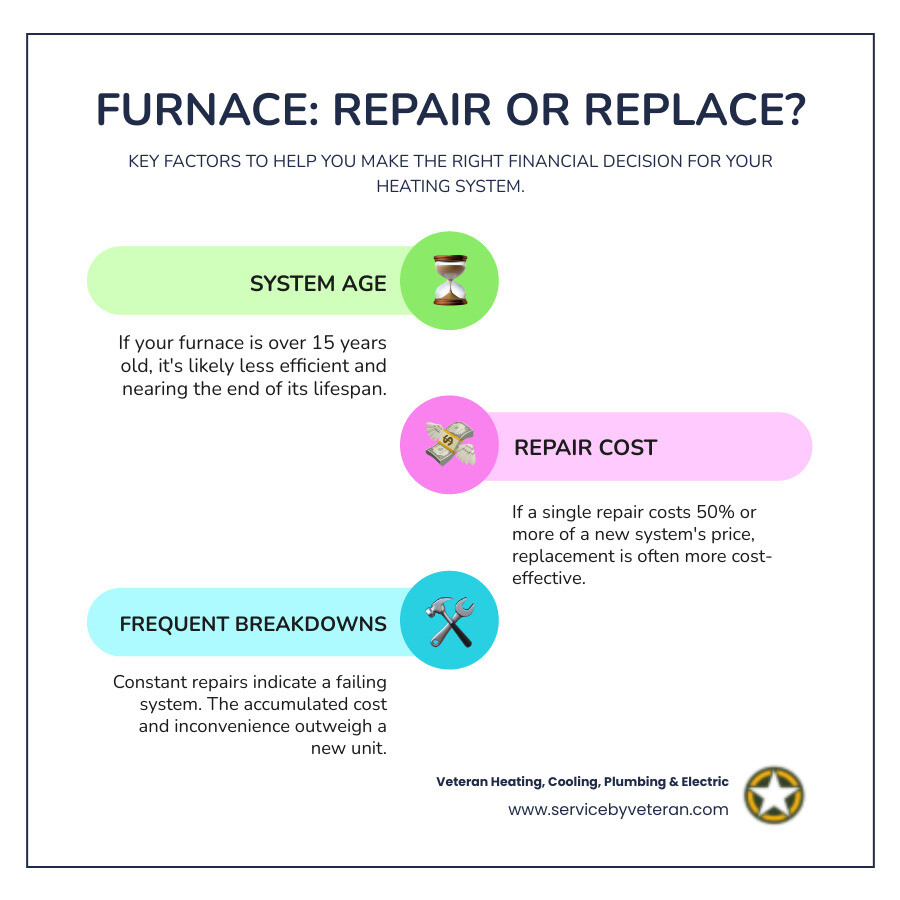
Consider a full replacement in these scenarios:
• System is over 15 years old: If your system is near or past its typical 15-20 year lifespan, it's likely inefficient and prone to failure.
• Repair cost is 50% of replacement cost: If a repair costs half or more than a new unit, replacement is often the smarter investment.
• Frequent breakdowns: If you need repairs every winter, the cumulative cost can quickly exceed the price of a new, reliable system.
• Rising energy bills: Sudden spikes in your energy bills often signal declining efficiency. Older systems may not meet current federal energy standards%20of%202005%20(Public%20Law,advanced%20vehicles%20production%20and%20use.), leading to higher costs.
• Uneven heating: Cold spots or uneven heating suggest your furnace is losing its ability to heat your home effectively.
Our technicians provide honest advice to help you make an informed decision for your home and budget.
Preventing Future Crises: How to Prepare for Heating Emergencies
The best emergency is one that's prevented. Proactive homeowner tasks and professional maintenance are your best defense against unexpected breakdowns, saving you stress and money. Preparing for heating emergencies involves simple steps and the expertise of a professional tune-up.
Homeowner Maintenance Checklist
You play a crucial role in keeping your heating system running smoothly. These simple tasks can make a big difference:
• Regularly change air filters: Change filters every 1-3 months. A dirty filter restricts airflow, strains your system, and increases breakdown risk.
• Keep vents clear: Ensure all heating vents are open and unblocked by furniture or rugs to allow for proper airflow.
• Test carbon monoxide detectors: Test CO detectors monthly and replace their batteries annually to ensure this life-saving device works.
• Visually inspect the unit: Periodically look for obvious signs of rust, leaks, or loose connections on your heating unit.
• Listen for unusual sounds: If you hear new noises like grinding, screeching, or banging, it's a sign of a potential problem.
The Value of Annual Professional Maintenance
Annual professional maintenance is like a yearly check-up for your furnace. Our comprehensive Maintenance Plans keep your system in peak condition and help prevent the need for emergency heating repair.
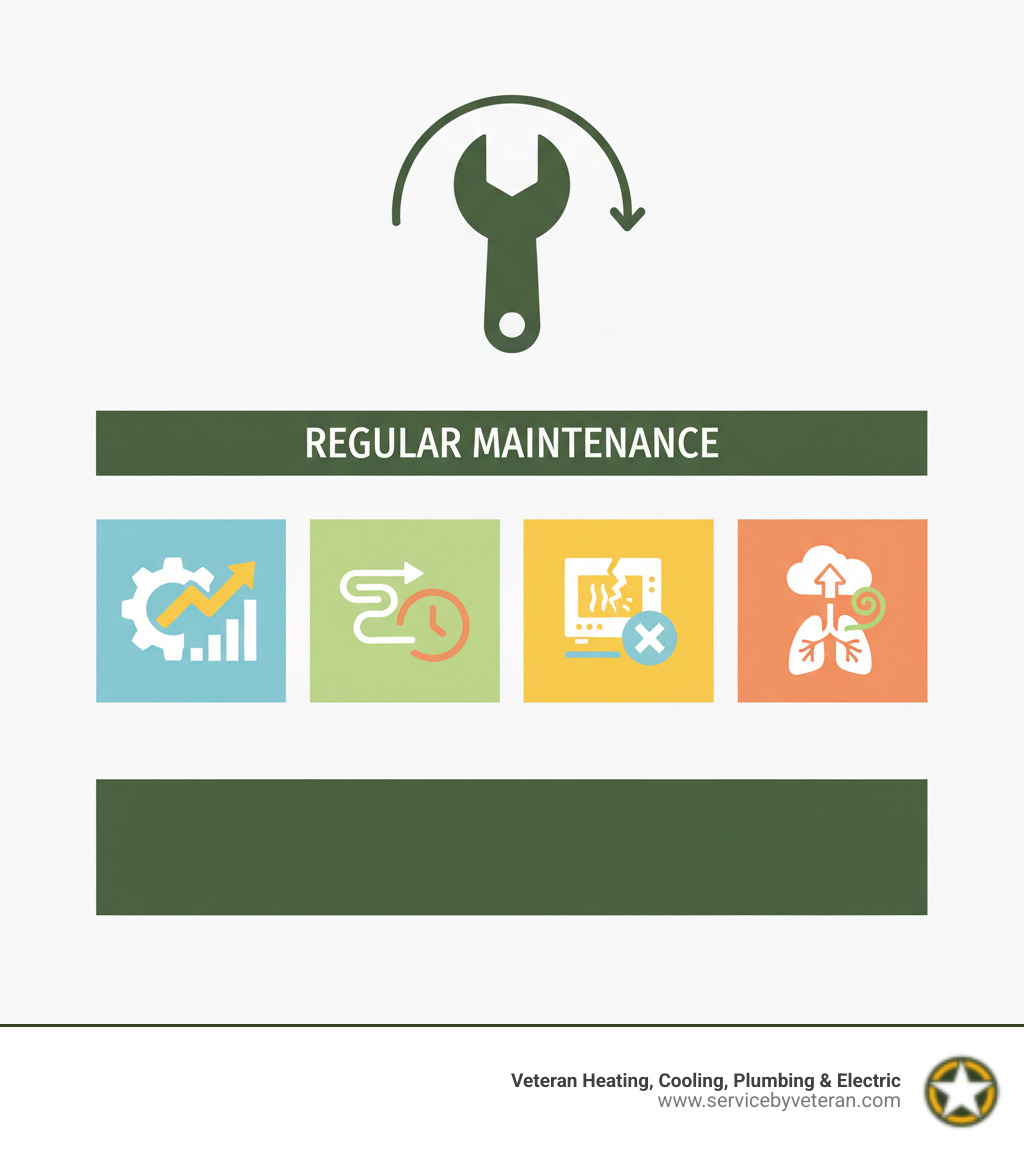
Here’s why a yearly tune-up is so valuable:
• Comprehensive Inspection: We inspect all major components to find and fix minor issues before they become major problems.
• Cleaning and Lubrication: We clean internal components like the blower motor and lubricate moving parts to ensure optimal performance and reduce wear.
• Thermostat Calibration: We calibrate your thermostat to ensure accurate temperature control and prevent wasted energy.
• Early Issue Detection: Our technicians can spot emerging problems, like worn parts or potential leaks, to prevent future emergencies.
• Improved Energy Efficiency: A clean, tuned system runs more efficiently, which lowers your utility bills.
• Extended System Lifespan: Regular tune-ups reduce stress on components, significantly extending your system's lifespan.
Combining homeowner maintenance with our expert annual tune-ups minimizes your risk of a heating emergency and ensures your system runs efficiently and safely for years. We serve communities across Colorado, including Fort Collins, Boulder, and Castle Rock.
Your Partner for All-Weather Comfort and Safety
When a heating crisis strikes, you need a trusted partner. At Veteran Heating, Cooling, Plumbing & Electric, we understand that your family's safety and comfort are our top priority. Our emergency heating repair services are backed by a lifetime warranty on parts and labor and a money-back guarantee to restore your peace of mind.
As a veteran-led, locally owned company, we bring military values of duty and commitment to every job. We treat our neighbors like family, responding to your emergency call with the urgency we'd want for our own.
We're proud to serve communities throughout Colorado, including Denver, Lakewood, Littleton, Aurora, Westminster, Arvada, Fort Collins, Boulder, and Castle Rock. No matter where you are in our service area, we're here when you need us most.
Beyond emergencies, we offer comprehensive HVAC, plumbing, and electrical solutions. Our NATE-certified technicians are trained to do the job right the first time.
For immediate assistance with your heating emergency, Contact Us right away. To learn more about our full range of services, visit our Our Services page. We're available 24/7, because home emergencies don't follow a schedule—and neither do we.
ABOUT Veteran Heating, Cooling, Plumbing & Electric
Veteran Heating, Cooling, Plumbing & Electric was founded on the belief that service should be personal, honest, and community-focused. Our team is built around integrity, professionalism, and a true commitment to your home’s comfort and safety.
Led by a U.S. Army veteran with over 30 years of industry experience, we’re proud to remain locally owned and operated. Every technician, plumber, and electrician is EPA-certified, background checked, and driven to exceed expectations.
- 24/7 ServiceWe offer weekend & 24/7 emergency service. We’re here whenever you need us—day, night, or weekend, no exceptions.
- $0 Trip FeesNo dispatch or trip fees. You’ll never pay just for us to show up—service starts when the work does.
OUR SERVICES
AIR CONDITIONING
.jpg)
We offer specialty and seasonal services like indoor air quality upgrades, pre-winter furnace checks, and summer AC tune-ups to keep your home prepared year-round.
Our Primary Air Conditioning Services Include:
Don't see the service you need? Call our Team today!
PLUMBING
From leaks to full system installs, our plumbing services cover everything you need for a safe, reliable home water system, 24/7.
Our Primary Plumbing Include:
- Water Heater Replacement
- Water Heater Repair
- Trenchless Sewer Line
- Water Filtration
- Slab Leak
- Sewer Line Repair
Don't see the service you need? Call our Team today!
ELECTRICAL

Our electrical services ensure your home stays safe and powered, from routine fixes to complete system upgrades.
Our Primary Electrical Services Include:
- House Rewiring
- Electrician
- Electric Panel Upgrade
- Electric Panel Replacement
- EV Chargers
- Whole House Generator
Don't see the service you need? Call our Team today!
HEATING
.jpg)
We install, repair, and maintain heating & furnace systems with expert care to keep your Colorado home comfortable and energy-efficient year-round.
Our Primary Heating Services Include:
- Heating Installation
- Heating Replacement
- Heating Maintenance
- Heating Repair
- Heating Service
- Heating Tune-Up
Don't see the service you need? Call our Team today!